
Staff say the administration ordered the Energy Department to strip climate terms from reports and briefings.

Officials at the U.S. Department of Energy have confirmed they were instructed not to use key terms like “climate change,” “emissions,” or “decarbonization” in reports and public communications. The directive, reportedly handed down during the Trump administration, has raised alarm among scientists and policy experts. Critics argue the ban could distort public understanding of environmental issues and hinder transparency in energy policy. The DOE has not publicly clarified the reasoning, fueling concerns about political interference in scientific language.
1. DOE Orders Staff to Drop Climate Terms

Employees at the Department of Energy say they were instructed not to use terms like “climate change,” “emissions,” “decarbonization,” or “sustainability” in official documents. The directive applied to reports, slide decks, and even internal briefings.
The change sparked immediate concern among scientists and analysts who rely on precise language to describe environmental risks. Critics argue that removing climate terminology amounts to a form of censorship, creating confusion about the department’s priorities and limiting honest discussions about the challenges facing U.S. energy and environmental policy.
2. How the Ban Came to Light

The language restrictions surfaced after whistleblowers and staff members spoke to reporters about the guidance. NPR and Politico reported that the directive had been quietly circulated across DOE offices and research labs.
Because the ban was not announced publicly, it fueled speculation about whether the administration was intentionally suppressing information. Staff described receiving informal warnings from supervisors and communications officers, rather than official memos, which made the policy harder to track but no less disruptive to scientific work.
3. Key Words Taken Off the Table

Among the most significant terms restricted were “climate change,” “carbon emissions,” “green energy,” and “decarbonization.” These words appear frequently in environmental science and international agreements, making their removal highly unusual.
The ban also discouraged the use of “sustainability” in reports or presentations. Critics noted that replacing these words with vague substitutes risks obscuring the urgency of climate research. By stripping away scientific vocabulary, the department may undermine clear communication with the public, policymakers, and even other federal agencies that depend on accurate terminology.
4. What Scientists Are Saying

Climate scientists expressed alarm that the government would restrict terms central to their research. Several told reporters that banning language does not change scientific reality—it only hampers the ability to communicate findings.
Experts warn that such policies create a chilling effect, discouraging staff from discussing critical data openly. This could slow progress on issues like clean energy innovation and carbon reduction, while also eroding trust in federal agencies that are supposed to lead the nation’s scientific efforts.
5. Why Language Matters in Policy
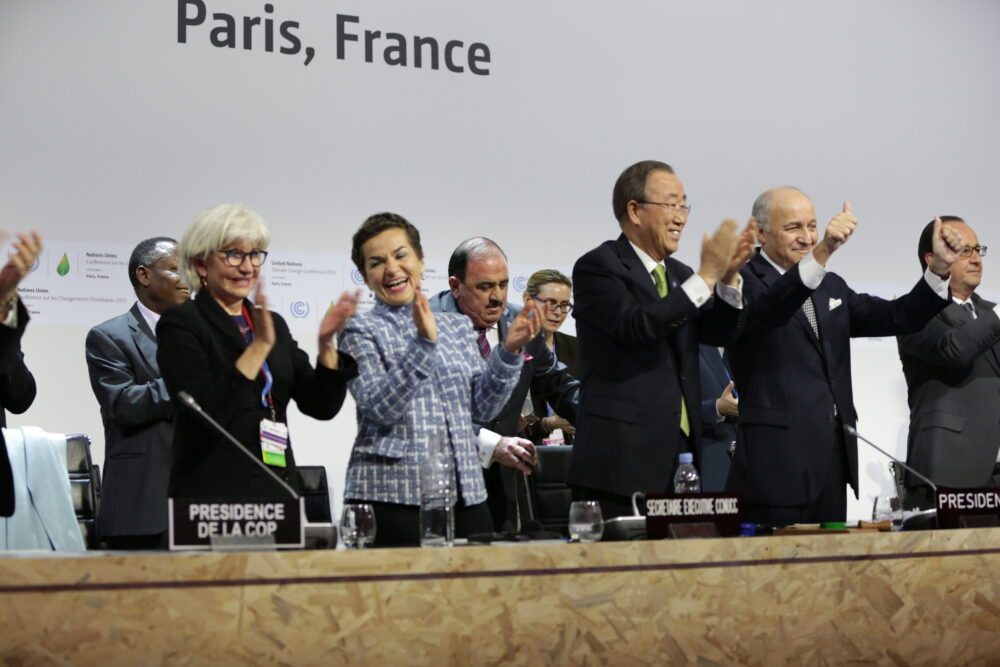
Words like “emissions” or “climate change” carry specific scientific meanings and are tied to international frameworks such as the Paris Agreement. Removing them makes it harder to align U.S. policy with global standards.
In practice, the absence of precise language can muddy the waters of public understanding. Policy documents may become vague or misleading, leaving citizens and lawmakers without a clear picture of the environmental challenges at hand. Critics say this is especially dangerous in a moment when climate risks are growing more urgent.
6. Political Motivations Suspected

The restrictions align with the Trump administration’s broader skepticism toward climate policy. During his presidency, Trump rolled back regulations on emissions, withdrew from the Paris climate accord, and often dismissed the urgency of global warming.
Observers argue that the DOE ban reflects political pressure to avoid acknowledging climate change in official communications. By downplaying the issue, the administration could justify delaying or weakening environmental protections. Critics say this represents a troubling example of politics interfering directly with scientific integrity in government institutions.
7. Impact on Energy Research

The Department of Energy oversees a vast network of national laboratories and research programs that study renewable energy, nuclear power, and emissions reduction. Limiting their vocabulary risks distorting how findings are reported.
If scientists cannot use clear terms, their research may appear less relevant to climate policy, even when the connection is obvious. This could weaken public support for energy innovation or undermine funding for projects aimed at tackling global warming. Ultimately, the ban may slow progress on technologies critical for a low-carbon future.
8. A Blow to Transparency
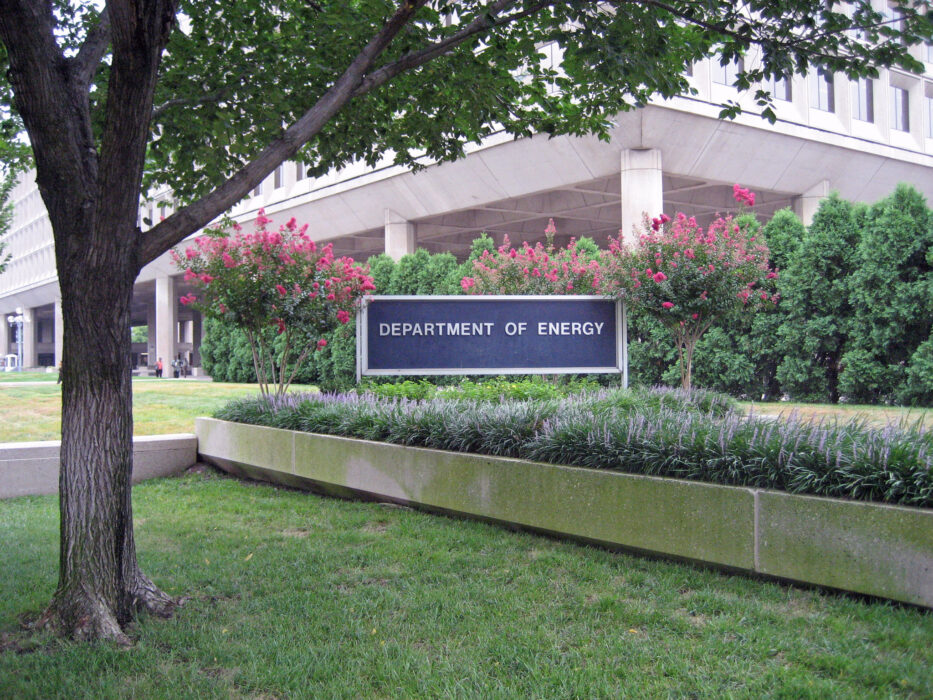
Transparency is considered essential for public trust in science and government. By removing established terms, the DOE risks making its communications less transparent and harder to interpret.
Without clear language, watchdogs and journalists may struggle to track how the department addresses climate-related issues. This lack of clarity could also allow officials to sidestep accountability. Critics argue that banning words does not erase the problem—it simply makes it more difficult for citizens to understand how their government is responding to it.
9. Comparisons to Past Language Bans

This is not the first time a U.S. administration has been accused of restricting scientific language. During past political debates, agencies have faced similar accusations of censoring terms like “global warming” or “family planning.”
Such efforts often generate backlash from scientists, watchdog groups, and international organizations. History shows that attempts to control language rarely succeed long-term. Instead, they draw more attention to the issue and spark public debates about censorship, science, and the role of government in shaping narratives.
10. Calls for Accountability

In response to the reports, lawmakers and advocacy groups have demanded clarification from the DOE. Some are calling for congressional oversight to determine whether the restrictions violate federal transparency laws or undermine scientific integrity.
Advocates argue that government agencies should be free to use accurate language, especially when it involves pressing environmental challenges. They warn that if left unchecked, the policy could set a dangerous precedent for political interference in scientific communication across other departments as well.
11. Scientists Insist Reality Won’t Change
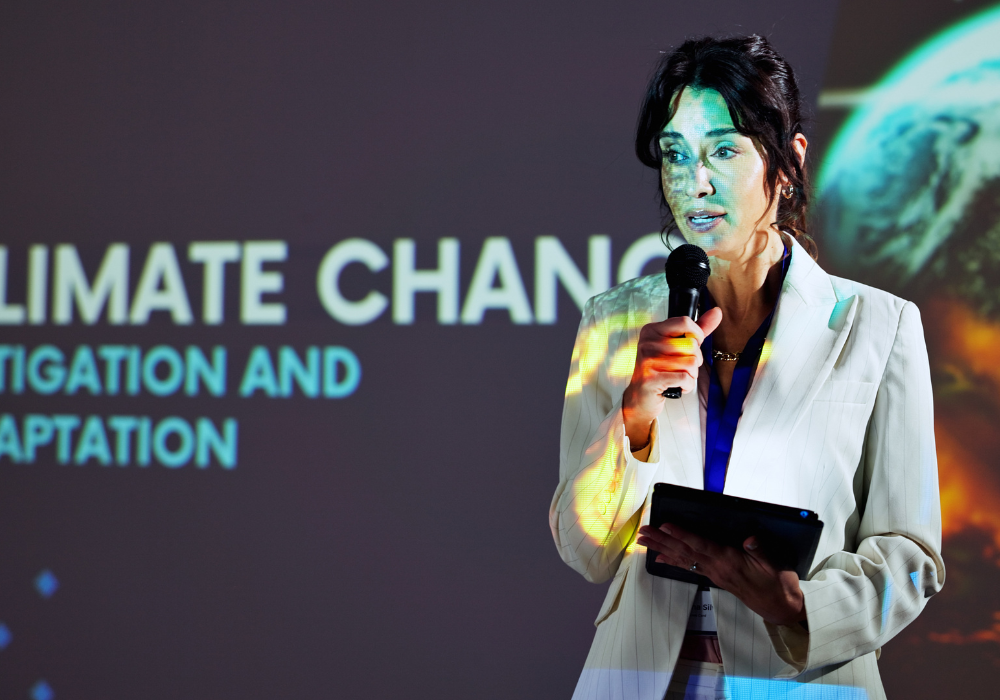
Despite the restrictions, researchers stress that climate change remains a measurable, observable phenomenon. Rising global temperatures, melting ice sheets, and extreme weather events all provide undeniable evidence.
Scientists say banning words cannot erase data or halt the warming trend. Instead, it only widens the gap between what experts know and what the public hears. As one researcher put it, “We can stop saying the words, but we can’t stop the planet from changing.” The ban highlights the risks of ignoring science rather than addressing it.