
A sweeping study suggests genetics may help explain why females live longer than males across species.

For centuries, people have observed that women tend to outlive men, but the reasons were never fully clear. Now, a sweeping new study of 1,176 species led by researchers at University College London and published in Science Advances offers fresh insight. The team found that females generally live longer than males not just in humans but across the animal kingdom. Their findings point to genetics—specifically the presence of two X chromosomes—as a likely driver of this remarkable survival advantage.
1. Women Consistently Outlive Men

From census records to global health data, one pattern stands out: women tend to live longer than men. On average, women live about five years longer than men worldwide.
This trend is not new—it’s been observed across cultures and centuries. What’s remarkable is that scientists are now finding this advantage isn’t limited to humans. Females in many animal species also outlive males, raising questions about whether the roots of longevity are biological rather than purely cultural or behavioral.
2. A Massive Study Across 1,176 Species

To explore the mystery, researchers at University College London analyzed data from 1,176 species, including mammals, birds, reptiles, amphibians, and insects. Their study, published in Science Advances, is one of the most comprehensive investigations of sex differences in lifespan to date.
By comparing lifespans across so many species, scientists could see patterns that wouldn’t emerge in human data alone. The conclusion: female longevity is not just a cultural accident—it’s a widespread biological phenomenon that shows up again and again in nature.
3. The Role of X Chromosomes
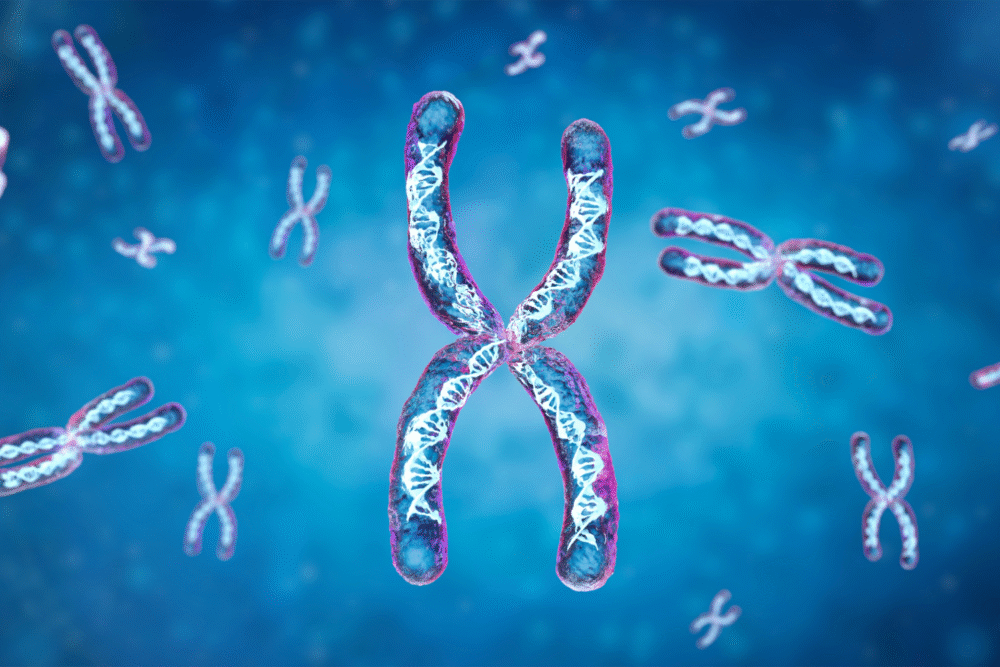
One of the study’s central findings is the impact of sex chromosomes. In most mammals, females carry two X chromosomes while males carry one X and one Y.
This difference matters because the second X chromosome acts as a “backup copy.” If one X carries harmful mutations, the other can often compensate, reducing the risk of genetic diseases and boosting survival. Males, with only one X, have no such safety net, making them more vulnerable to illness and shorter lifespans.
4. Evidence Across the Animal Kingdom

The longevity gap isn’t limited to humans—it appears in elephants, lions, mice, and many other species. In the study, females outlived males in the vast majority of animals examined.
This broad pattern reinforces the idea that genetics play a central role. While environment, behavior, and chance all matter, biology gives females a baseline advantage that has persisted across evolutionary time and diverse habitats. The fact that it appears in so many unrelated species makes it harder to dismiss as coincidence.
5. Males Pay a Price for the Y

Unlike the X chromosome, which carries many genes essential for survival, the Y chromosome is relatively small and gene-poor. Over evolutionary history, it has lost much of its genetic content.
This genetic imbalance leaves males more exposed to harmful mutations and diseases that females can often buffer against. The findings suggest that males may be biologically predisposed to shorter lifespans because the Y chromosome offers less protection than the dual X system females enjoy.
6. Lifestyle Still Plays a Role

While genetics matter, lifestyle and behavior can widen or shrink the longevity gap. In humans, men are more likely to smoke, drink heavily, and engage in risky activities, all of which contribute to higher mortality rates.
Even in animals, male behavior can add risks. For example, males in some species fight fiercely for mates, shortening their lifespans compared to females. This shows that while biology provides a baseline, social and behavioral factors also influence how long individuals live.
7. Hormones and Longevity

Hormones may also play a role in lifespan differences. Estrogen, the primary female sex hormone, has been shown to protect cardiovascular health and may improve immune function.
By contrast, testosterone, the main male sex hormone, has been linked to riskier behaviors and may weaken the immune system. These hormonal effects, layered on top of chromosome differences, help explain why the female advantage is so consistent across both humans and other animals.
8. Evolutionary Trade-Offs for Males

Evolutionary pressures may partly explain why males die younger. In many species, males invest heavily in competition and reproduction—traits that can come at the cost of long-term survival.
This trade-off, sometimes called the “live fast, die young” strategy, means males may be built for reproductive success rather than longevity. Meanwhile, females, who often carry and care for offspring, may have evolved traits that support longer lifespans, ensuring the survival of their young and the continuity of the species.
9. What the Findings Mean for Humans

For humans, the research highlights the strong biological foundation of the longevity gap. While public health measures can reduce risky behaviors and improve medical care, they may never fully erase the difference.
Instead, understanding the role of genetics may lead to targeted medical advances. By studying how X chromosomes influence health, scientists may develop treatments that address vulnerabilities in men and help narrow the survival gap between sexes.
10. Implications for Medicine and Aging

The study’s findings may reshape how researchers think about aging. If the second X chromosome provides resilience, scientists might explore therapies that mimic or enhance its protective effects.
This could lead to breakthroughs in treating age-related diseases like cancer, Alzheimer’s, and cardiovascular conditions. By recognizing that biology shapes lifespan differently for men and women, medicine may eventually tailor treatments to each sex’s unique risks and strengths.
11. A Mystery Still Unfolding

While the study provides strong evidence for genetic factors, researchers emphasize that the story is not complete. Many questions remain about how chromosomes, hormones, and environment interact to shape longevity.
What’s clear is that female survival advantages are both ancient and widespread, extending far beyond humans. By studying species across the tree of life, scientists hope to uncover new insights into aging—knowledge that could help everyone, regardless of sex, live longer, healthier lives.