
Her groundbreaking chimpanzee research in Tanzania reshaped science and inspired a global conservation movement.

Jane Goodall, the legendary primatologist and conservationist who revolutionized the study of primates, has died at 91. Her death marks the end of an era in wildlife research and global conservation. Goodall first gained worldwide attention in the 1960s for her groundbreaking observations of chimpanzees in Tanzania, where she documented behaviors once thought uniquely human. Over the decades, she expanded her work into environmental advocacy, becoming a leading voice for conservation and animal welfare whose influence will endure for generations.
1. Jane Goodall Dies at 91 on U.S. Tour
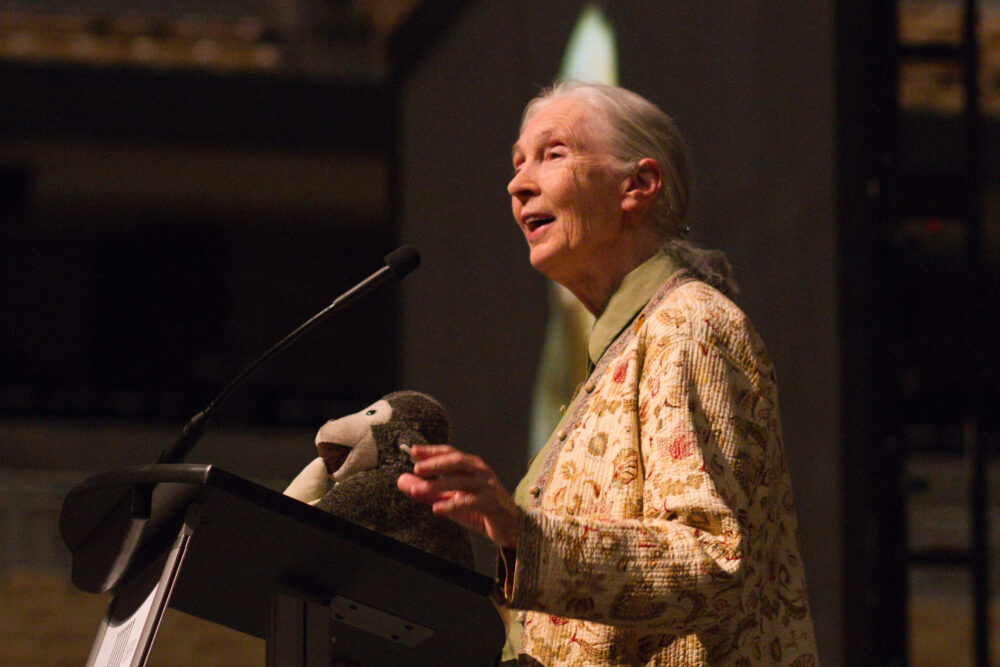
Jane Goodall, the pioneering primatologist who transformed our understanding of chimpanzees, has died at the age of 91. According to her institute, she passed away from natural causes while on a speaking tour in California.
Her death marks the end of an extraordinary career that bridged science and activism. Goodall’s passing has prompted tributes from leaders, scientists, and admirers worldwide, honoring her as both a groundbreaking researcher and a tireless advocate for conservation and animal welfare.
2. Her Journey Began in Tanzania
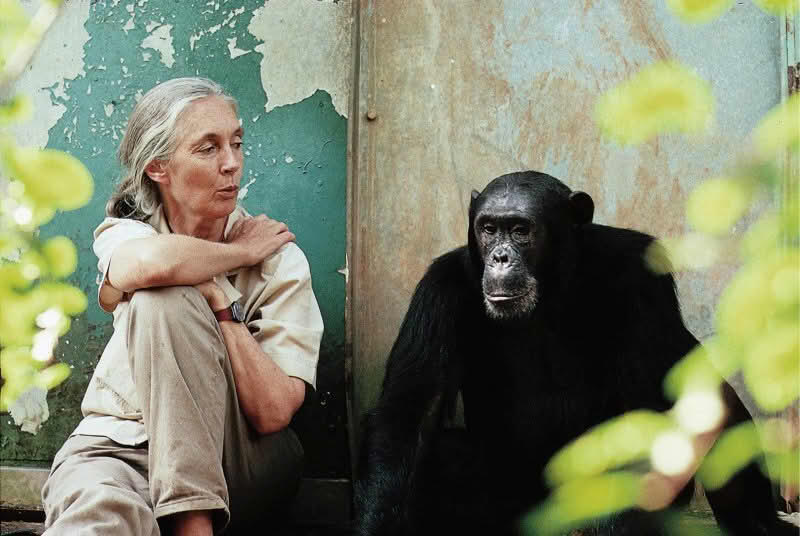
Goodall’s career started in 1960 when she traveled to Gombe Stream National Park in Tanzania to study wild chimpanzees. Without formal scientific training, she adopted a patient, immersive approach that was unconventional at the time.
Her work revealed behaviors that shocked the scientific establishment, including tool use, cooperative hunting, and complex emotional lives among chimpanzees. These discoveries overturned long-held assumptions and established her as one of the most influential voices in modern primatology.
3. Changing What It Means to Be Human
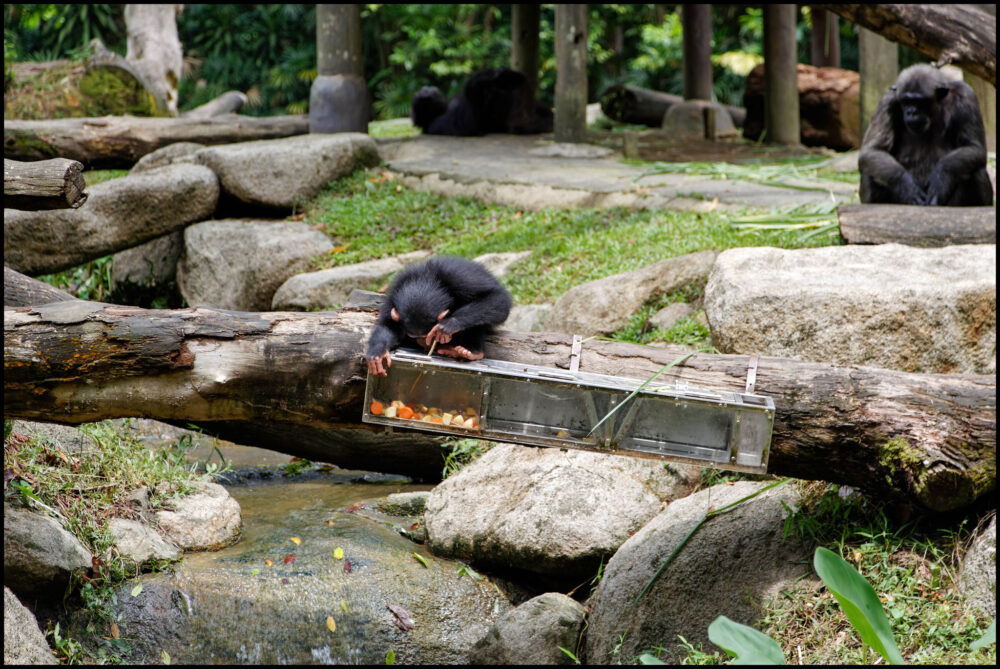
By documenting chimpanzees’ use of tools, their social structures, and even their capacity for aggression, Goodall blurred the line between humans and other animals. Her observations forced scientists to reconsider the uniqueness of human behavior.
This paradigm shift influenced not only primatology but also fields such as anthropology and psychology. It broadened public understanding of humanity’s place in the natural world and inspired growing respect for the intelligence and emotions of animals.
4. Building the Jane Goodall Institute
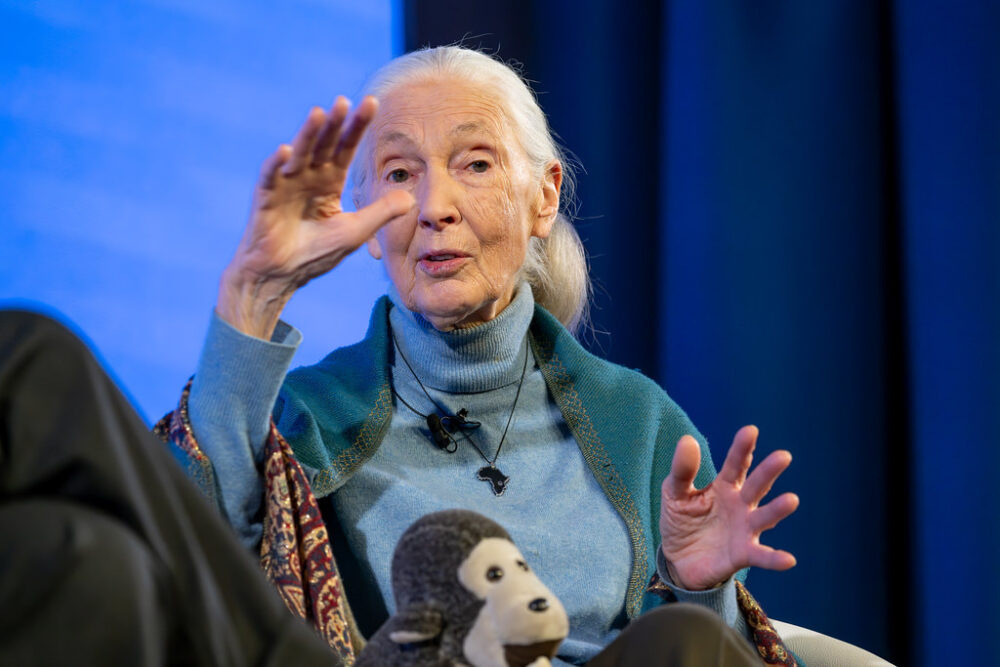
In 1977, she founded the Jane Goodall Institute to support research, conservation, and education. The institute has become a global leader in protecting chimpanzees and empowering local communities to engage in sustainable development.
The organization also ensures that research continues at Gombe, where her work began, and has expanded efforts to protect wildlife habitats worldwide. It remains one of the most enduring parts of her legacy, reflecting her belief in science paired with compassion.
5. Roots & Shoots Inspires Young Leaders

Goodall was committed to engaging younger generations, founding the Roots & Shoots program in 1991. The initiative began with a small group of students in Tanzania and has since expanded to more than 60 countries.
Roots & Shoots encourages youth-led projects that address environmental, conservation, and humanitarian challenges. It reflects Goodall’s belief that change starts locally and that young people hold the power to transform global issues through creativity and compassion.
6. A Tireless Advocate for the Planet
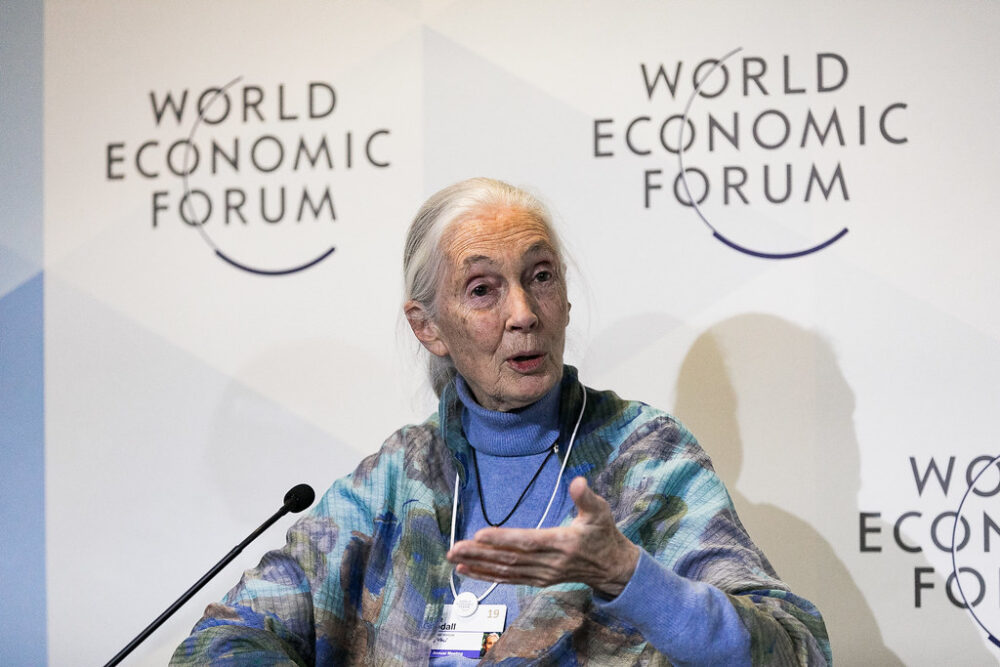
Even as she grew older, Goodall remained a constant presence on the global stage. She continued traveling, often spending hundreds of days a year on the road, giving lectures, and meeting with leaders.
Her message centered on conservation, climate action, and the need for urgent changes in how humanity interacts with the natural world. This tireless dedication made her one of the most recognizable and respected environmental advocates of her time.
7. Recognition Across the Globe

Throughout her career, Goodall received countless honors, including the Kyoto Prize, the Benjamin Franklin Medal, and designation as a United Nations Messenger of Peace. In 2003, she was awarded the Presidential Medal of Freedom, the highest civilian honor in the United States.
These accolades recognized not only her scientific achievements but also her global influence as a humanitarian and environmental leader. They underscored her ability to unite science, ethics, and activism under a single, powerful voice.
8. A Philosopher of Hope
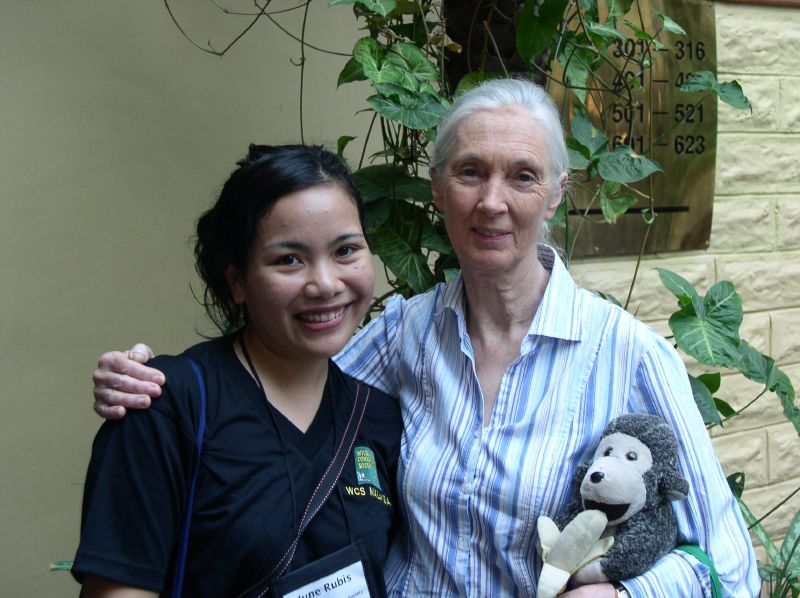
Goodall often emphasized the importance of hope in the face of daunting environmental challenges. She spoke about the resilience of nature, the power of youth, and human ingenuity as reasons not to despair.
Her philosophy balanced realism with optimism, inspiring people to take action rather than give in to hopelessness. This focus on hope became central to her identity and helped sustain global momentum for conservation efforts even during difficult times.
9. An Enduring Cultural Impact
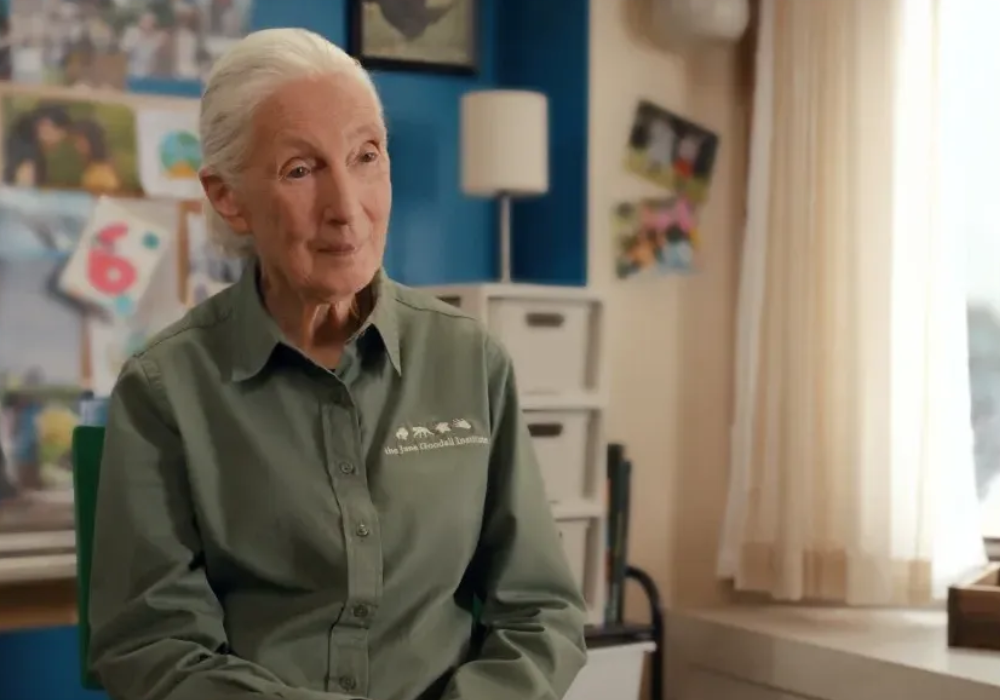
Beyond academia, Goodall became a cultural icon. She appeared in documentaries, books, and interviews, becoming one of the most recognized scientists in the world. Her calm voice and gentle manner left a lasting impression on audiences.
Through media and outreach, she introduced millions to the wonders of chimpanzee behavior and the urgency of conservation. Her presence helped bridge the gap between science and the public, making complex issues understandable and compelling for a wide audience.
10. A Legacy That Will Endure
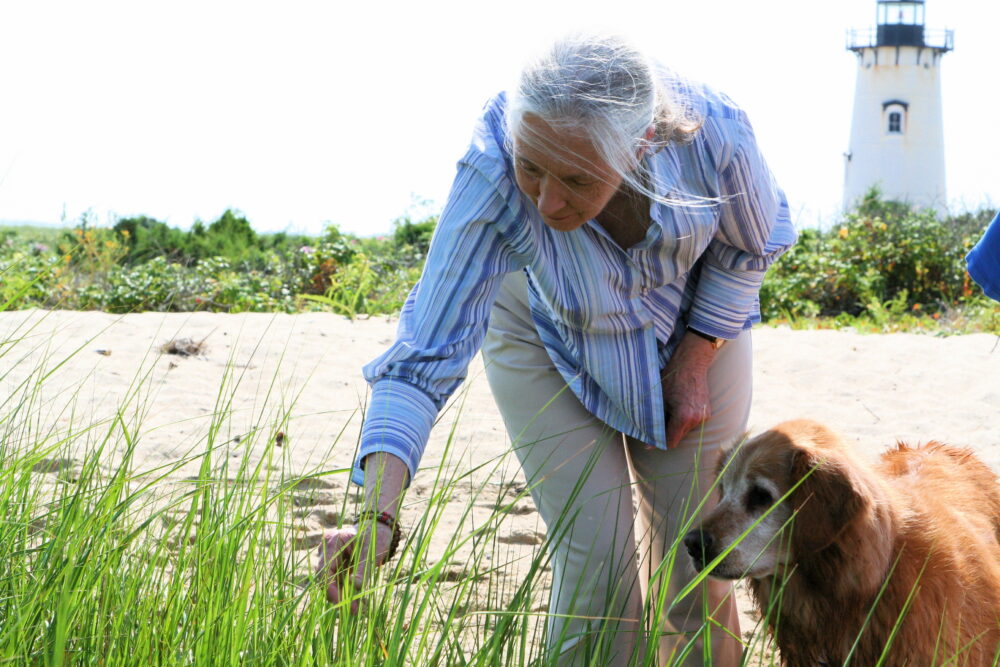
As the world mourns Jane Goodall, her work continues through the institute she founded, the Roots & Shoots network, and the countless individuals she inspired. Her influence stretches across science, conservation, and education.
Goodall leaves behind a legacy defined by groundbreaking discoveries, tireless advocacy, and a vision of a planet where people and nature coexist. Her death closes an extraordinary chapter in science, but her voice and vision will guide generations to come.