
Scientists say frozen records hold eerie warnings for Earth’s future.
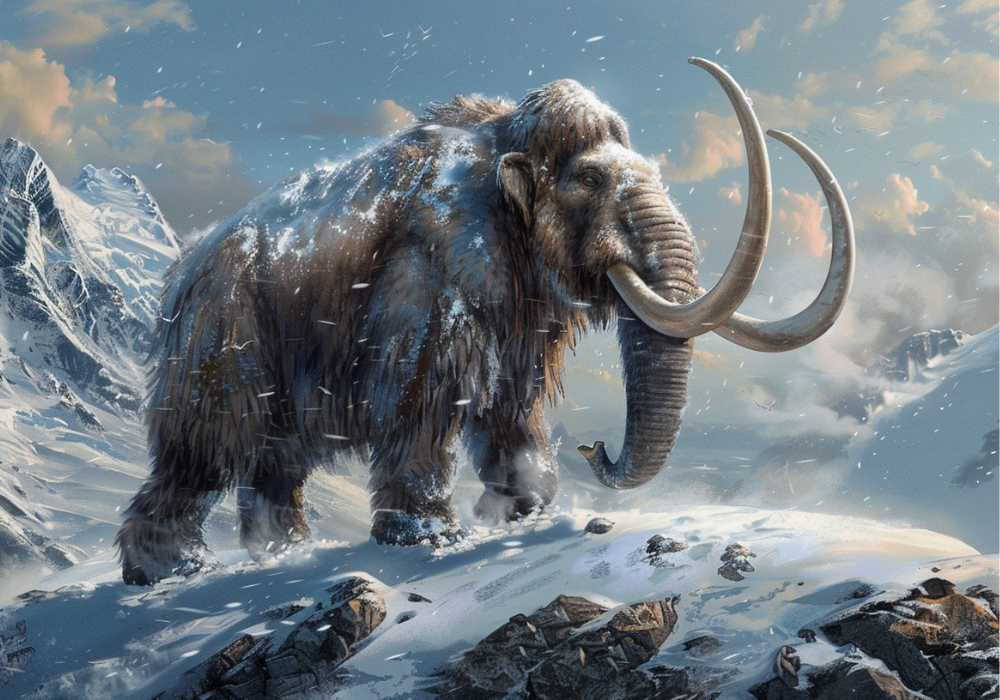
Ice ages leave behind a wealth of information that helps scientists understand Earth’s climatic past and anticipate future trends. By examining ice cores, fossilized pollen, and geological records, researchers can track temperature shifts, carbon dioxide levels, and sea level changes over millennia. These clues, drawn from multiple sources, inform climate models and improve predictions about how natural cycles and human impacts might shape the planet’s future environment.
1. Ancient ice cores reveal patterns of global temperature shifts over millennia.
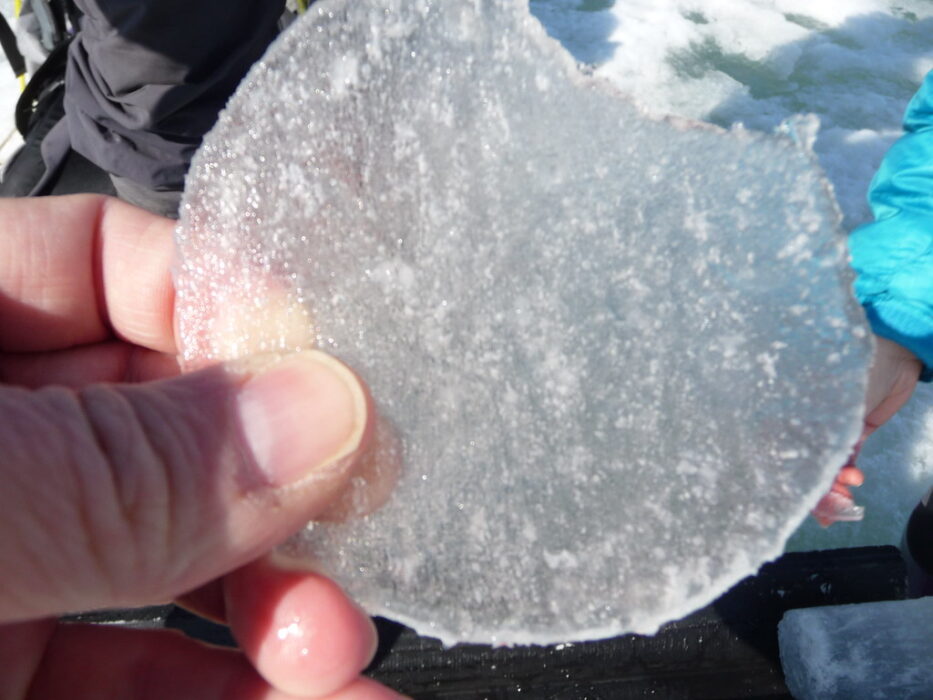
Ancient ice cores, drilled deep into polar regions, offer a window into Earth’s climatic past. Layers within the cores trap tiny bubbles of air, preserving a record of atmospheric gases over time. Each slice of ice reveals temperature shifts across millennia.
By analyzing these layers, scientists piece together historical temperature patterns that help predict future changes. For instance, a sudden dip in temperature captured in an ice core might correspond with known volcanic activity, offering insights into natural climate influences that could repeat.
2. Changes in atmospheric carbon dioxide levels link closely to ice age cycles.
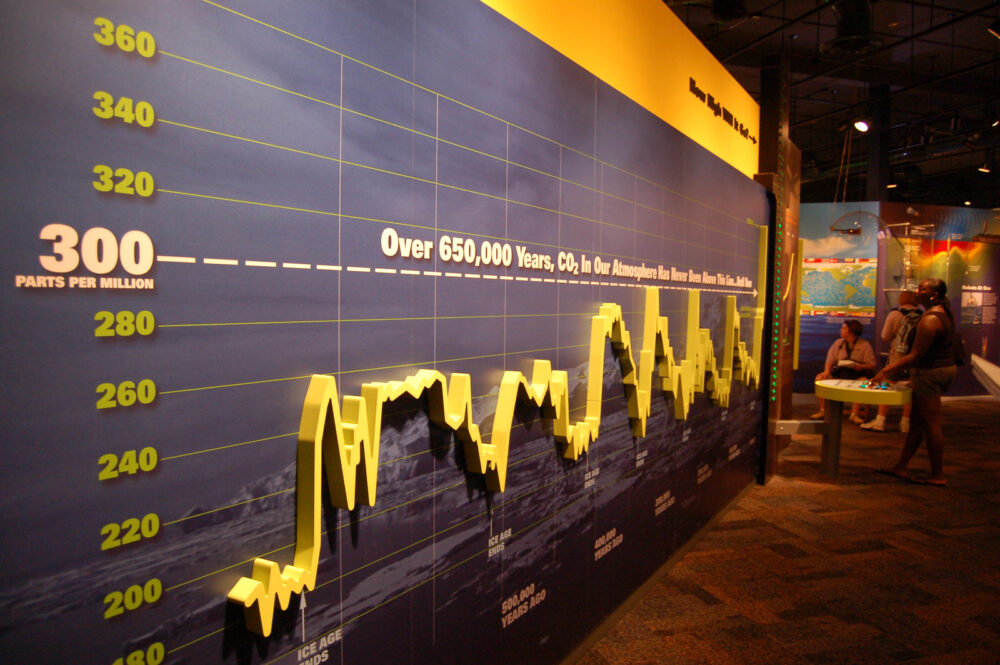
Carbon dioxide levels have consistently played a significant role in ice age cycles. Ice cores show that when atmospheric carbon dioxide decreases, global temperatures typically follow, initiating glacial periods. As carbon dioxide increases, interglacial warming often occurs.
Understanding these patterns allows scientists to model how modern carbon emissions might shift climate trajectories. While anthropogenic factors are distinct from natural cycles, insights into natural carbon fluctuations help frame future scenarios where human impact coincides with natural climate rhythms.
3. Fossilized pollen helps track past vegetation responses to climate fluctuations.
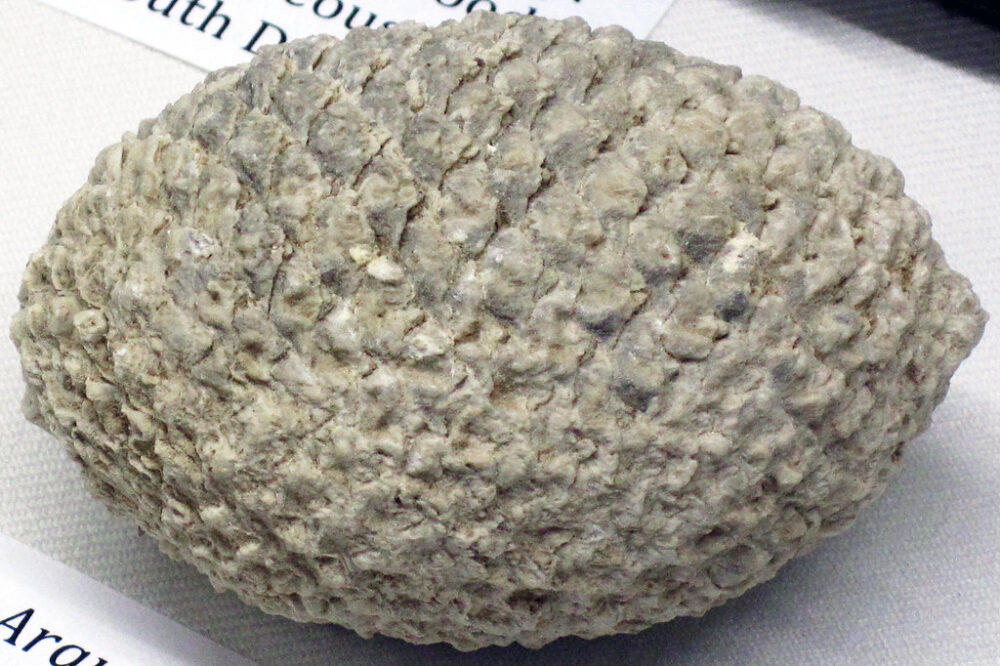
Fossilized pollen, found in ancient sediment layers, acts as a botanical archive. It reveals the types of plants that thrived during various climate periods, depicting how vegetation adapted to temperature changes. Pollen granules, durable and unique to species, enable this reconstruction.
Examining this data helps scientists understand ecosystems’ resilience or vulnerability to climate shifts. For instance, pollen varieties might show whether forests contracted or expanded during colder times, offering a glimpse into potential modern-day ecosystem responses to global warming.
4. Ocean sediment layers show how sea levels rose and fell with icy advances.
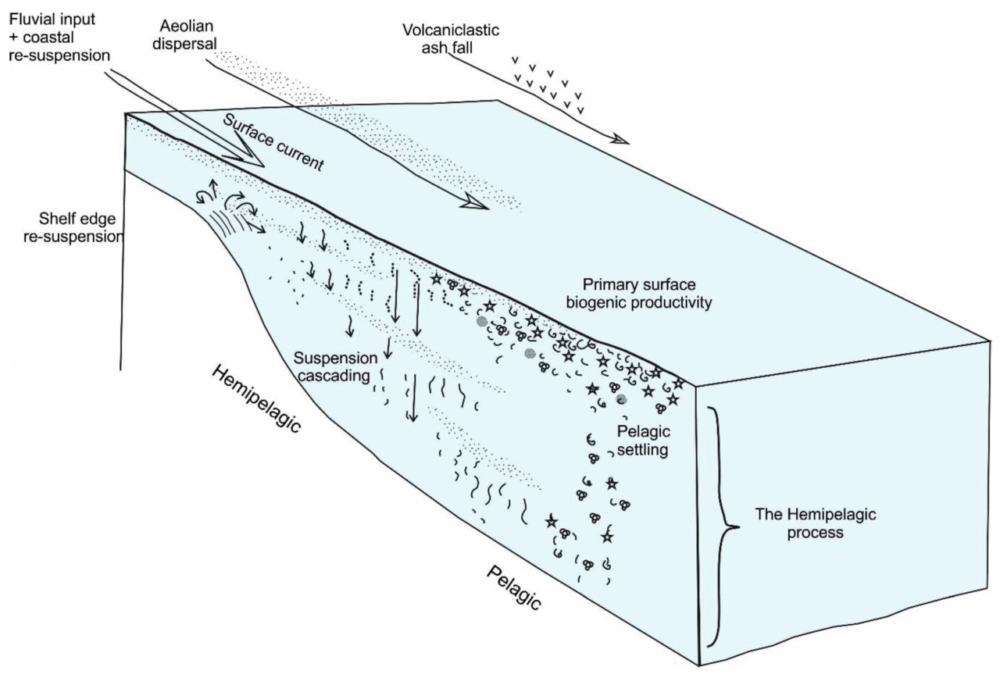
Ocean sediment layers tell an intricate story of sea level changes throughout Earth’s history. These layers, built up over millennia, contain microfossils and particles that indicate past marine conditions. During ice ages, sea levels drop as water is locked in glacial ice.
When melting occurs, sea levels rise, shifting marine habitats and coastlines dramatically. By studying sediment cores, researchers assess how rapidly sea levels have changed in response to glacial activity, which helps model future sea level projections in light of current ice melt trends.
5. Glacial striations on rocks map the extent and movement of ancient ice sheets.
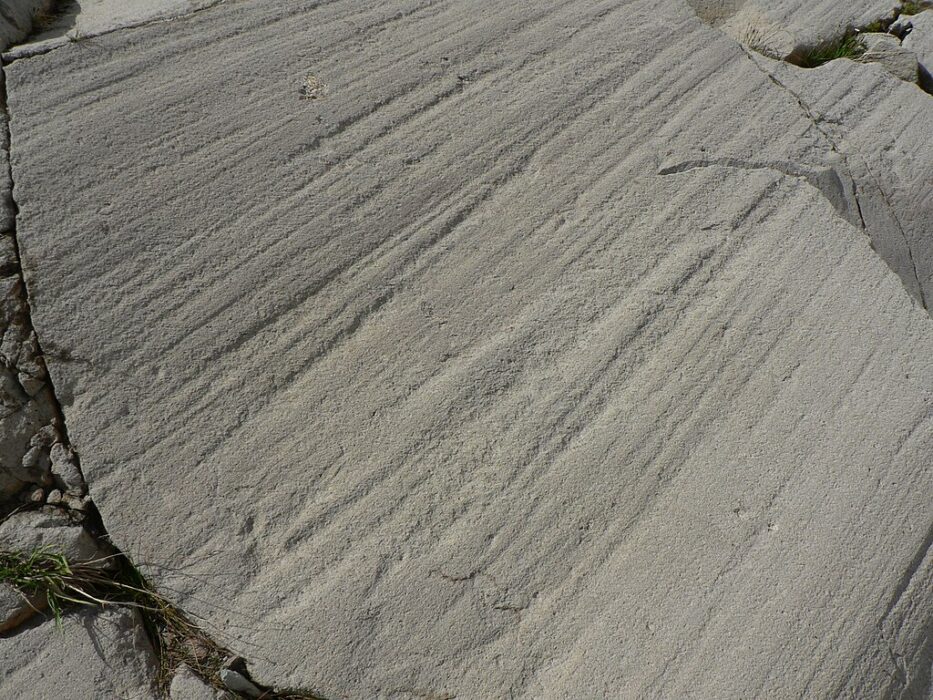
Glacial striations are scratches or grooves carved into bedrock by moving glaciers. These marks record the direction and extent of ice coverage during past glacial periods. As glaciers advance or retreat, they leave a visible trail etched across the landscape.
Such geological features help scientists map ancient ice sheet dynamics and improve understanding of ice movement patterns. Investigating these markings provides context for how contemporary climate conditions might influence similar glacier behaviors and landscape transformations today.
6. Variations in isotopic ratios provide clues about historical snowfall amounts.
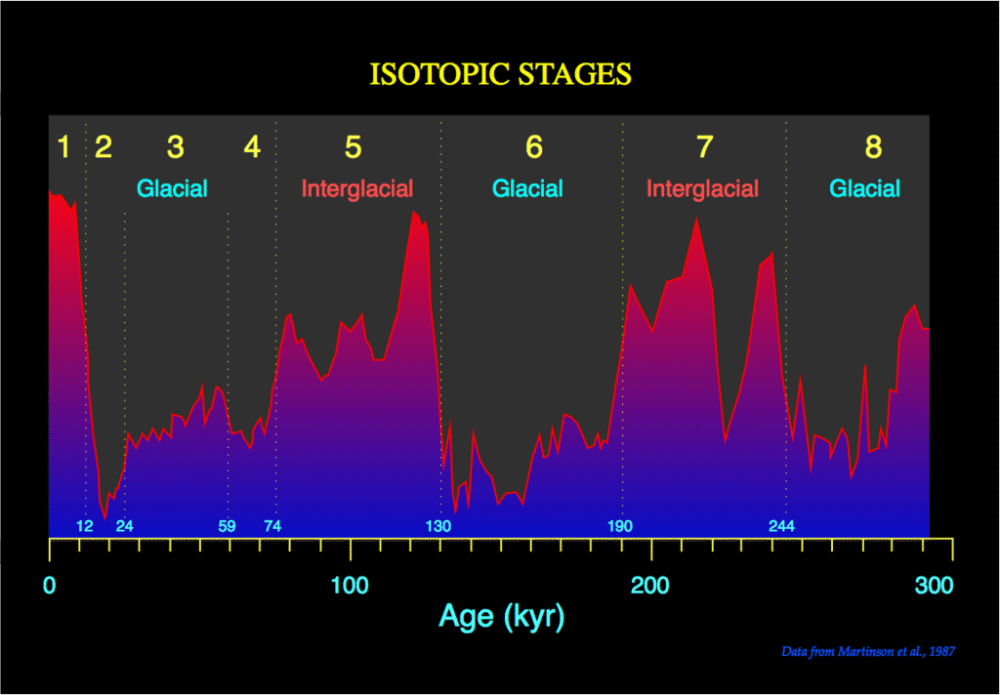
Isotopic ratios in ice cores offer insights into past snowfall patterns. Oxygen isotopes, for example, serve as indicators of temperature at the time of snowfall, revealing how much snow accumulated during different periods. Variations in these ratios highlight shifts in precipitation.
This information aids in reconstructing historical climate timelines and understanding regional weather patterns. Knowing the distribution and amount of snowfall helps refine climate models, making it possible to anticipate how future changes in precipitation might impact glacial mass and water resources.
7. Ice age animal remains indicate shifts in habitats and migration patterns.
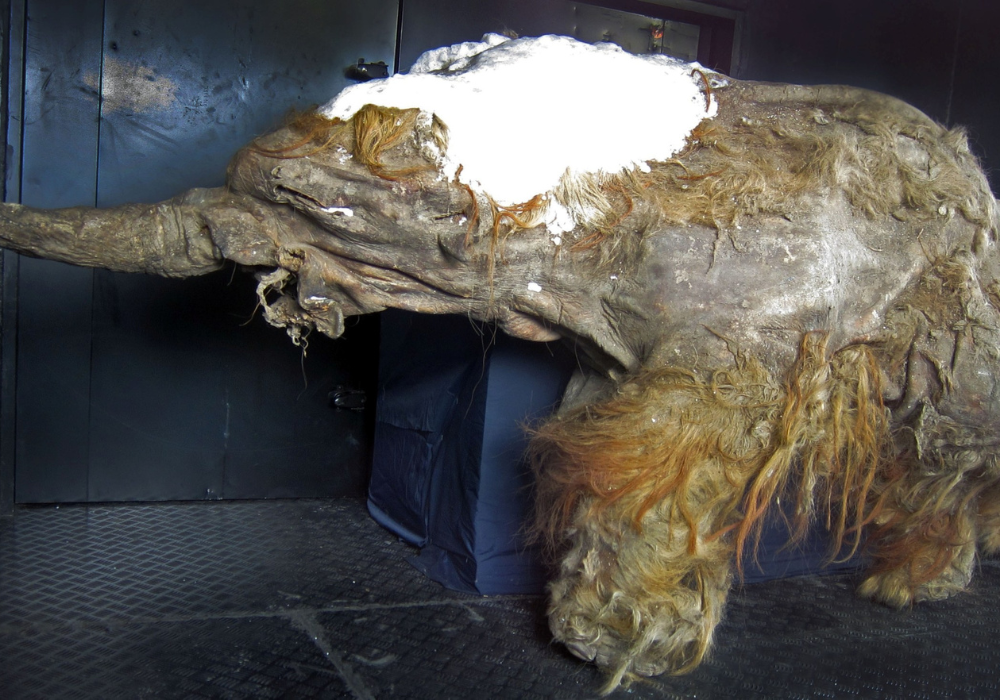
Ice age animal remains, uncovered through meticulous excavation, provide evidence of past habitat and migration changes. Fossils found at varying latitudes offer clues about where species moved in response to glacial expansion. These shifts reflect the adaptability of fauna to changing climates.
Understanding past animal behaviors helps researchers predict how modern species may respond to current climate shifts. For instance, migration patterns observed in ancient bones could indicate how today’s animals might relocate as temperatures rise, impacting ecosystems and biodiversity.
8. Past extinction events highlight ecosystems’ vulnerability during drastic climate shifts.
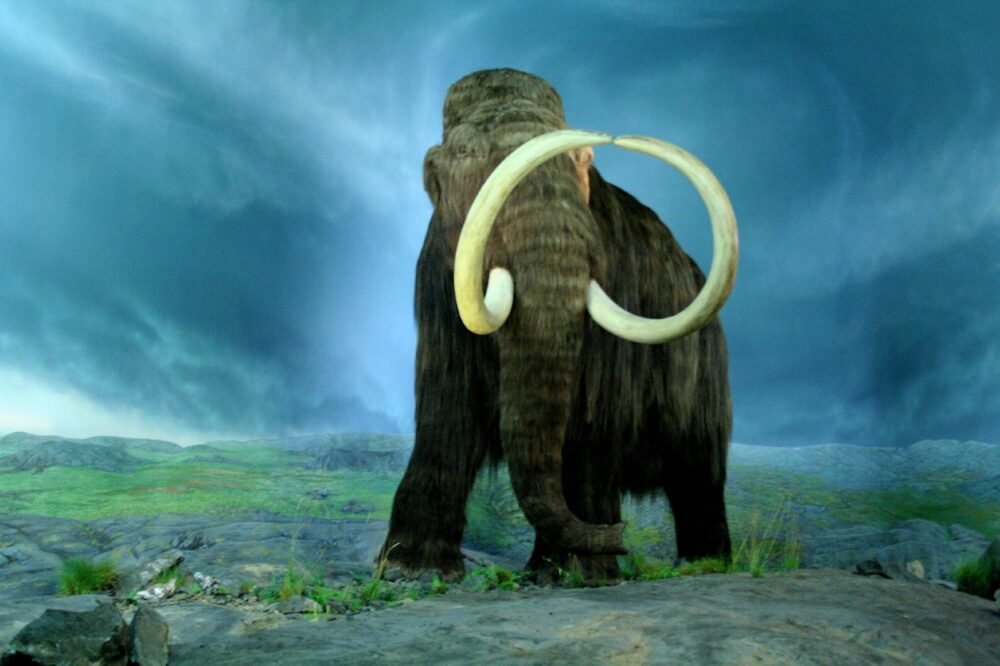
Past extinction events underscore the fragility of ecosystems during drastic climate transitions. Fossil records point to significant losses of biodiversity during major glacial-interglacial periods, with many species unable to adapt to rapid environmental changes. These extinctions leave a profound impact.
By studying these bygone events, scientists gauge the resilience of ecosystems under stress. Knowledge of past extinctions informs conservation strategies for contemporary species at risk, emphasizing the importance of understanding climate-influenced survival and adaptation patterns in the face of ongoing climate change.
9. Geological records illustrate the timing and triggers of glacial and interglacial periods.
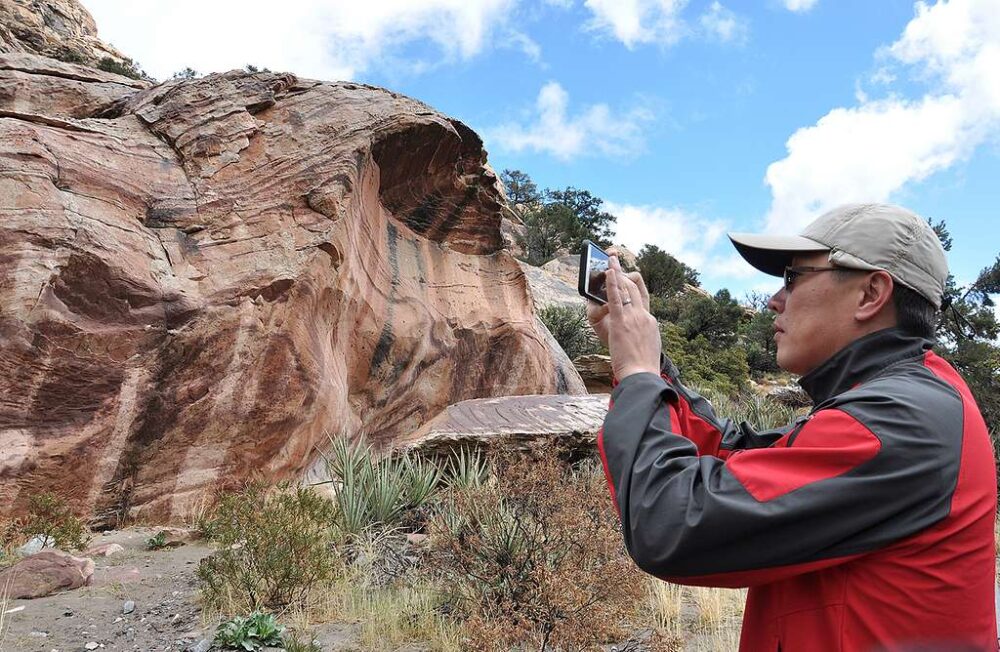
Geological records capture the timing and triggers of glacial and interglacial periods. Stratified rock formations, along with fossilized marine and terrestrial life, mark the transitions between these periods. They evidence shifts between cold and warm phases over thousands of years.
These transitions often coincide with solar variations and Earth’s orbital changes, which historically influenced ice age patterns. Scientists use these geological timelines to refine climate models, enhancing predictions of how long-term natural phenomena might interact with current anthropogenic climate drivers.