
Microscopic tunnels in desert rocks don’t match geology or known life, leaving their origin a mystery.

Scientists have uncovered mysterious microscopic tunnels in marble and limestone rocks that may point to a previously unknown ancient microbe. Found in desert regions of Namibia, Oman, and Saudi Arabia, these tiny burrows run deep beneath rock surfaces and don’t match known geological processes or existing species. Led by geologists including Professor Cees Passchier, the research team found that the tunnels were filled with fine calcium carbonate rather than empty cavities. Whether the organism still exists remains a mystery—but the find is already reshaping how we think about life’s hidden histories.
1. Tiny Tunnels Hidden in Rock
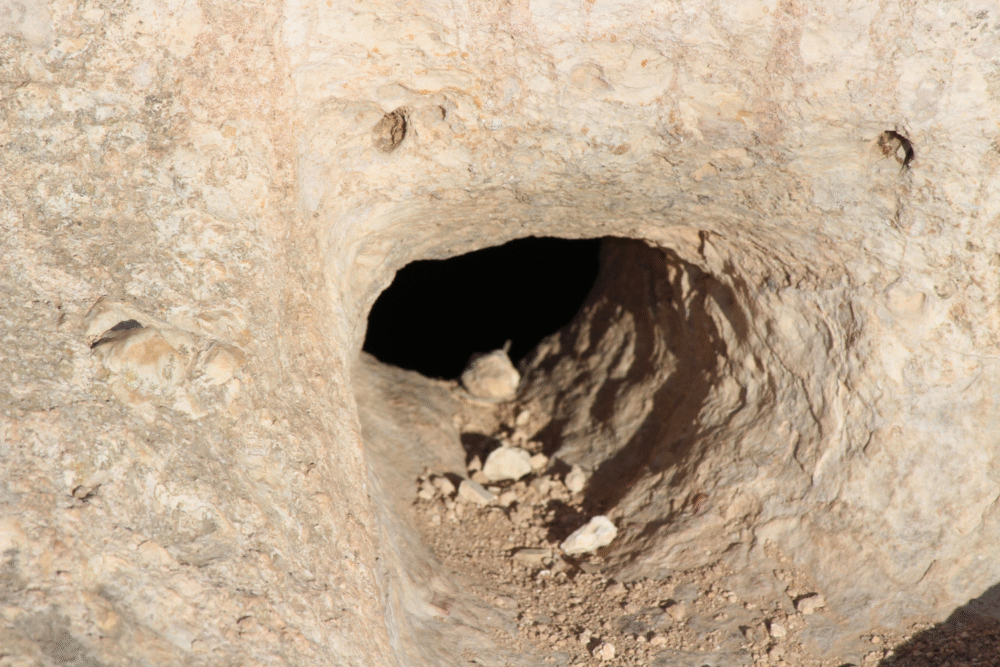
Scientists working in desert regions of Namibia, Oman, and Saudi Arabia discovered microscopic tunnels running through marble and limestone. These formations were found deep inside rock surfaces and showed unusual density and consistency.
Instead of being cracks or voids, the tunnels are filled with fine calcium carbonate powder. Their unusual straightness and organization across bands of rock suggest they were not formed by simple geological processes, leaving researchers searching for another explanation.
2. A Biological Origin Is Suspected
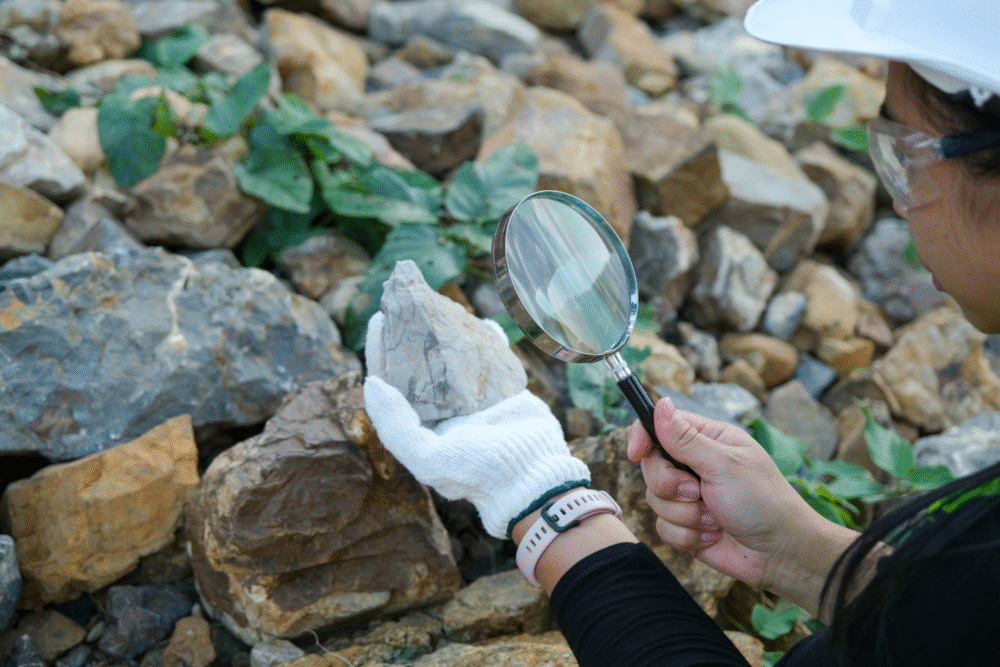
Researchers believe the tunnels may have been created by microbial life. The structures resemble microborings, where tiny organisms penetrate rock to reach nutrients and leave behind characteristic traces.
Because these tunnels were found far from light, the lifeform that created them may have survived without photosynthesis. This points to the possibility of an endolithic microbe, which is a microorganism capable of living inside rock. Whether this lifeform still exists or has long since vanished remains unknown.
3. Unusual Size and Shape Patterns
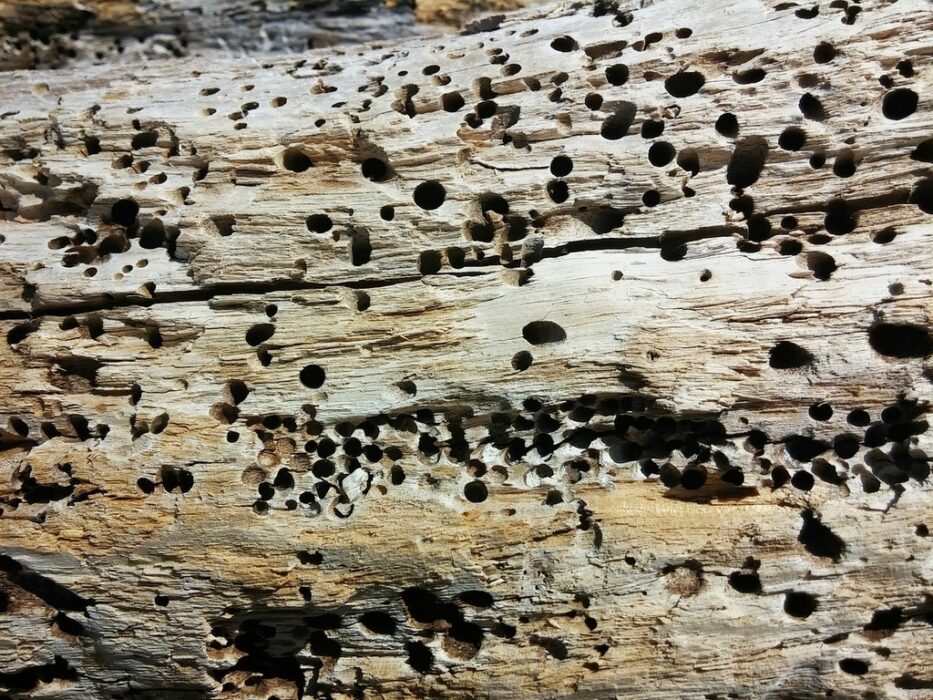
The tunnels measure only about half a millimeter wide but can extend up to three centimeters in length. They appear in dense clusters arranged in bands that stretch for meters across the rock.
Their consistent dimensions and organization make them unlikely to be random features. Instead, the repetition suggests some form of guided or biological activity. The regularity across different rock samples makes this discovery especially intriguing for scientists studying ancient life.
4. Widespread Geographic Discovery
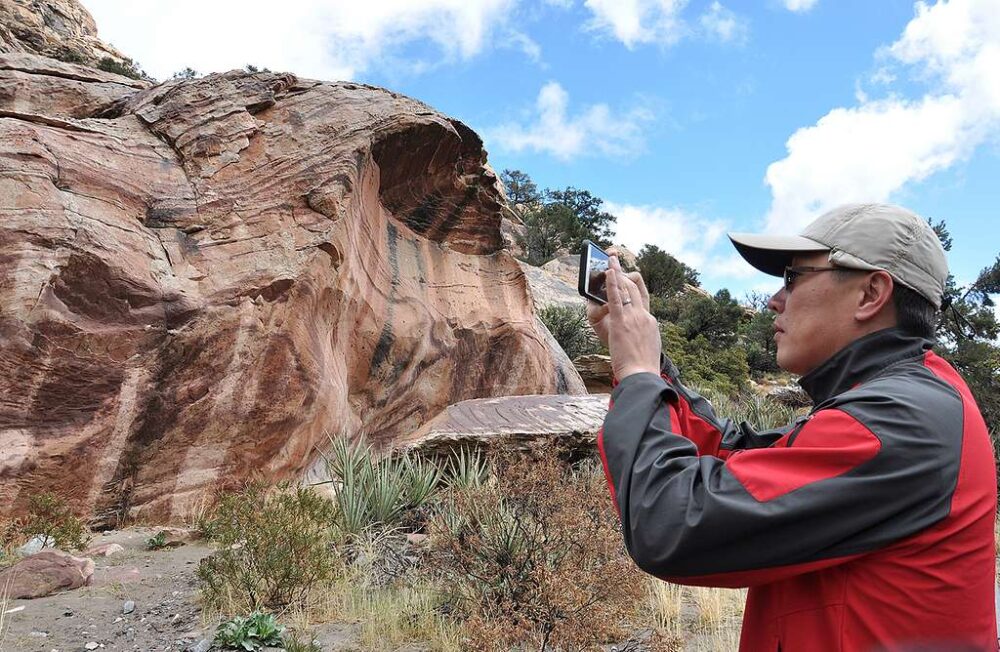
Although first noticed in Namibia, similar tunnels were later identified in limestone in Oman and marble in Saudi Arabia. The fact that they occur across such distant locations suggests the phenomenon was not isolated.
This broad distribution supports the idea that the tunnels were formed by a widespread process, possibly involving microorganisms that lived millions of years ago. Scientists are now comparing samples from different sites to better understand whether the same lifeform was responsible.
5. Geological Explanations Fall Short
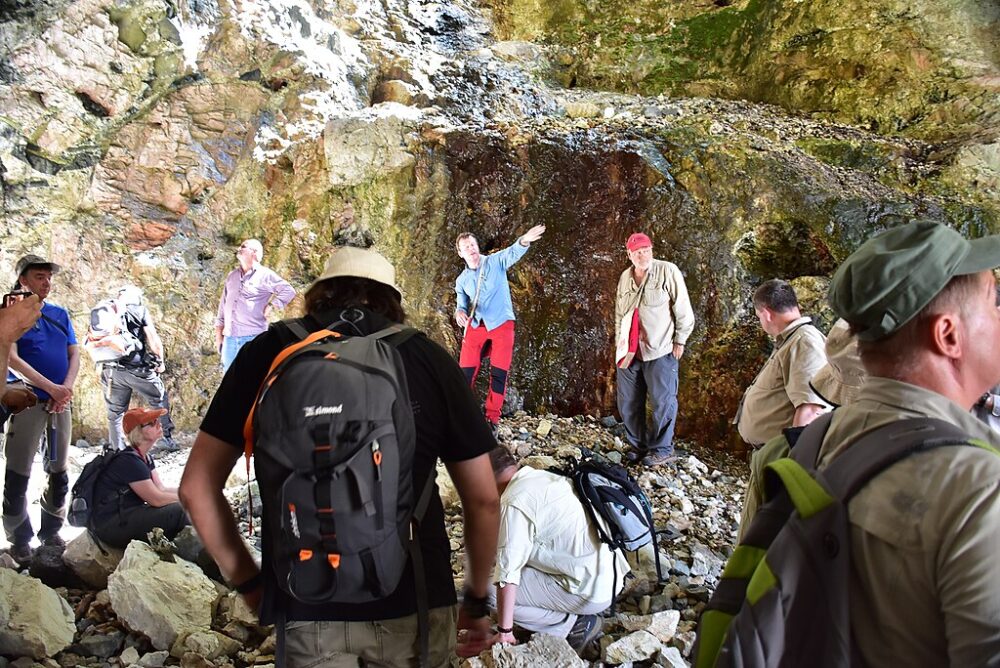
At first, some researchers considered whether natural processes such as mineral growth or erosion could explain the tunnels. However, their shape and filled interiors do not fit known geological patterns.
The tunnels cut through mineral grains and are filled with fine carbonate rather than left hollow. This evidence makes purely geological explanations less likely, shifting attention toward biological origins as the most plausible explanation for the strange structures.
6. Clues Hidden in the Filling Material
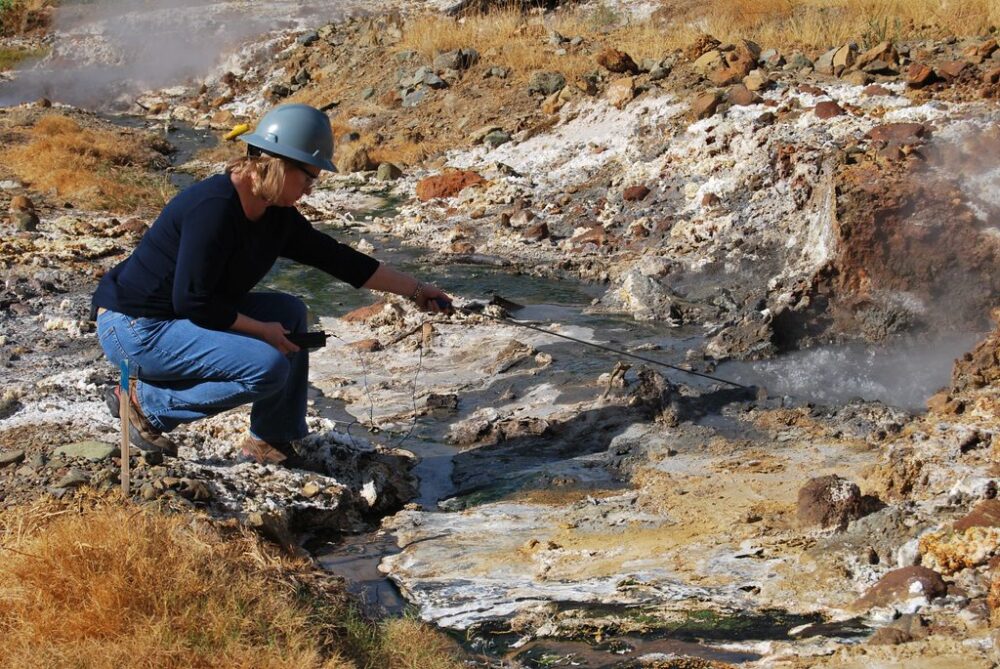
The tunnels are filled with calcium carbonate powder, which differs from the surrounding solid rock. This material may hold clues to the process that created the burrows.
If microbes were responsible, the powder could be the byproduct of their boring activity. Scientists are now examining the chemical composition of these fillings in hopes of finding signs of biological activity. Any such evidence would strengthen the case for a once-living origin.
7. Life Thriving Without Sunlight
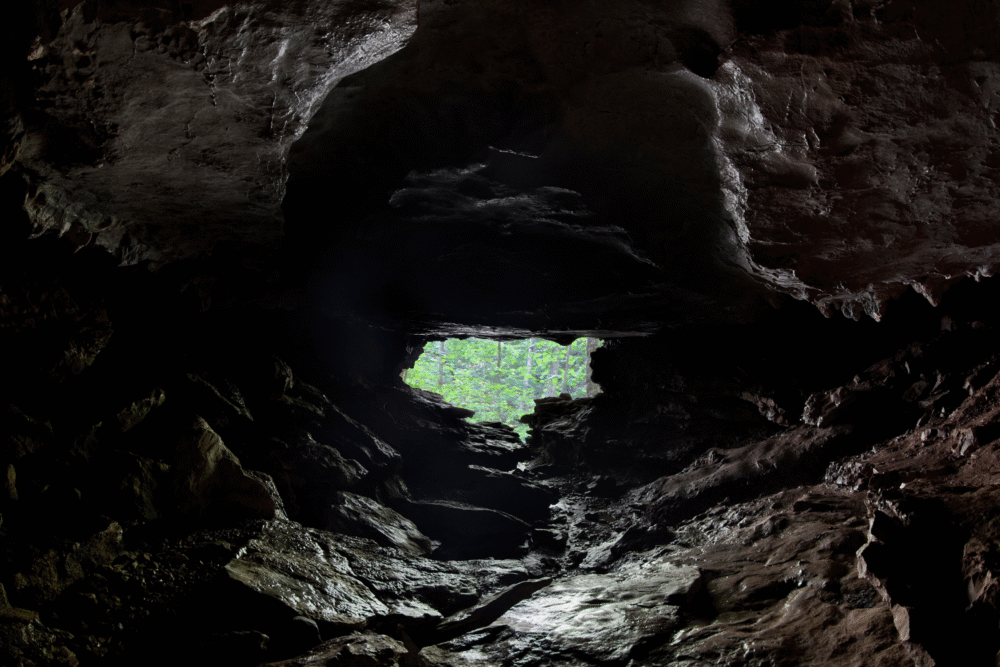
If the tunnels were created by microbes, they would have been organisms able to live without sunlight. Such microbes feed on chemical reactions in rock rather than relying on photosynthesis.
This would place them in the category of endolithic organisms, which survive in extreme environments. Finding evidence of such ancient life would expand our understanding of where and how organisms can exist, even in conditions once thought inhospitable to life.
8. A Possible Ancient Microbe

The researchers suspect that the tunnels may be the fossil traces of a completely unknown microbe. Since no modern species is known to produce such structures, this could point to a lifeform that is now extinct.
If true, these microborings would represent an entirely new chapter in the history of life. They would also show how much remains undiscovered about the microscopic organisms that shaped Earth’s environments in the distant past.
9. Implications for the Search for Life
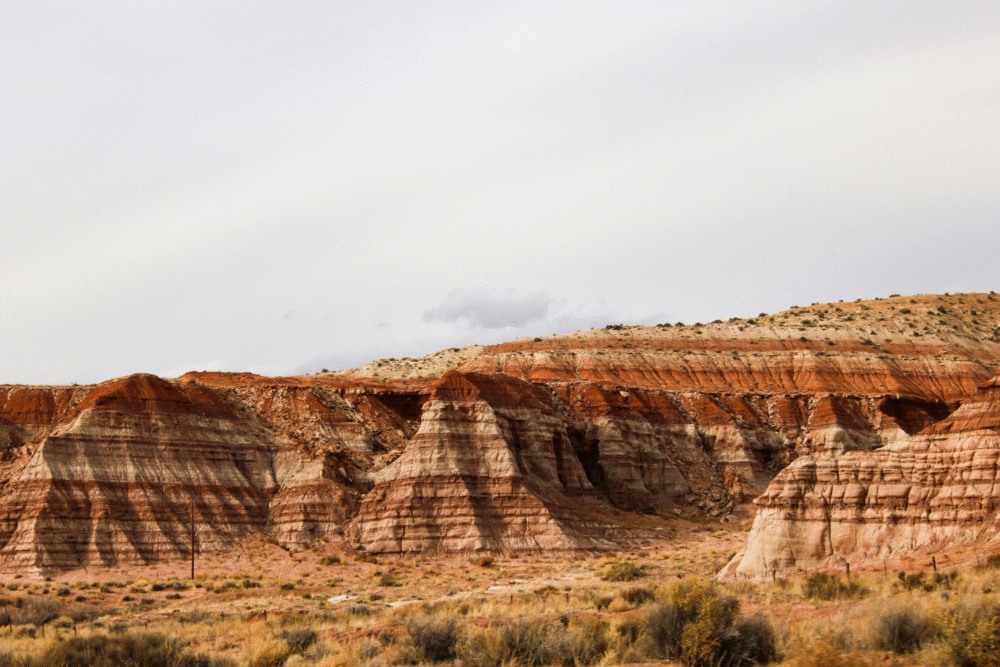
Discovering unusual microbial traces in Earth’s rocks may have wider implications for astrobiology. If microbes once carved these tunnels beneath desert rocks, similar evidence might exist on other planets or moons.
Mars, for example, has extensive rock outcrops and a history of water exposure. The study of Earth’s mysterious tunnels could guide researchers on what to look for when searching for ancient extraterrestrial life.
10. A Mystery Still Under Investigation

For now, the true origin of the tunnels remains unsolved. Scientists continue to study their structure, chemistry, and distribution to better understand whether they were created biologically or geologically.
The discovery challenges current knowledge and reminds researchers that Earth still holds hidden traces of life’s history. Whether these tunnels belong to a lost organism or represent an unknown natural process, they remain one of the most puzzling findings in recent years.