
Experts point to limited regulation, market power, and rising demand as reasons U.S. drug costs stay high.
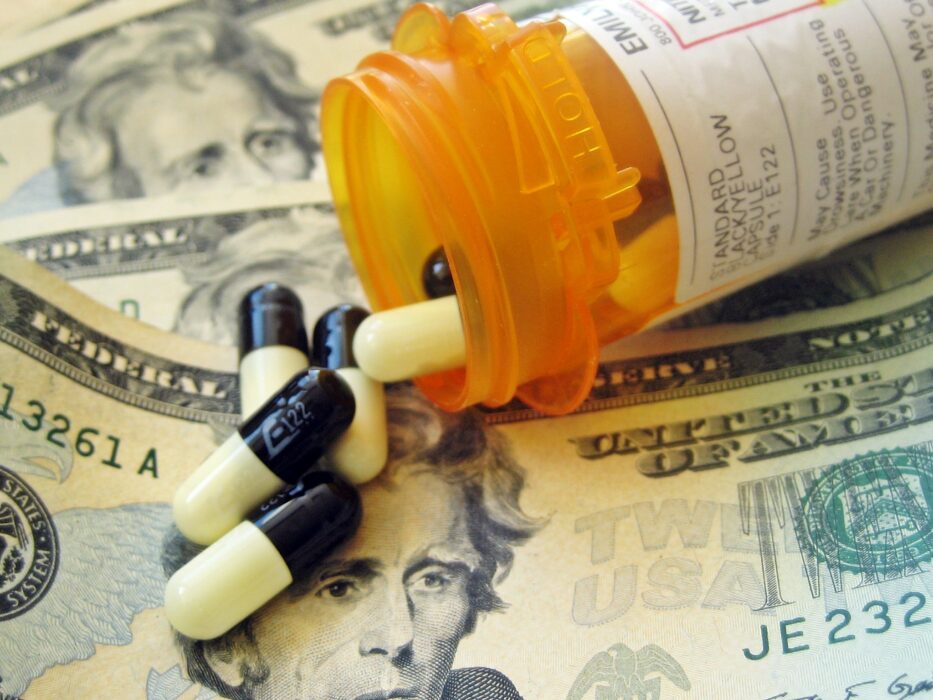
Prescription drug prices in the United States remain notably higher than in many other countries due to a variety of interconnected factors. These include minimal government price regulation, costly research and development, patent protections that limit competition, and complicated roles played by pharmaceutical companies, insurers, and pharmacy benefit managers. Understanding these elements offers clarity on why medications can be so expensive and highlights the challenges in balancing innovation, safety, and affordability.
1. The United States lacks government regulation on prescription drug prices.

Unlike many nations, the United States doesn’t enforce strict government regulation on prescription drug prices, allowing the market to decide costs. Pharmaceutical companies set prices based on what the market will bear, resulting in price variances and often higher costs.
Outside regulatory frameworks, drug prices can escalate without checks, leading to greater financial burdens on consumers. This laissez-faire approach deeply influences how companies operate, leaving patients to navigate costs. Other countries may have price caps, but U.S. consumers face unique challenges.
2. High research and development costs are factored into medication pricing.

Research and development (R&D) costs are substantial in the pharmaceutical industry and are a crucial factor in drug pricing. Developing a new medication can take over a decade and requires significant investment in clinical trials and regulatory approval processes to ensure safety and efficacy.
The vast resources allocated to R&D mean companies often recover these costs through higher prices. Without this recoupment, future innovation might suffer. This dynamic creates a challenging equilibrium between fostering medical advances and maintaining affordability for patients.
3. Patent protections create temporary monopolies that keep prices elevated.

Patent protections grant pharmaceutical companies temporary monopolies on new drugs, allowing them to set high prices without immediate competition. During this exclusivity period, generic manufacturers are legally barred from producing cheaper alternatives, cementing brand-name dominance in the market.
These monopolistic windows, often lasting years, contribute substantially to elevated drug costs, impacting consumer access. Once patents expire, generics introduce competition, but the cost implications during exclusivity highlight the delicate balance between innovation incentives and price containment.
4. The complexity of the pharmaceutical supply chain adds to costs.

The pharmaceutical supply chain involves multiple stakeholders, each adding complexity and cost. From production and distribution to pharmacies, each stage incurs expenses that influence the final price of medications. Logistics, warehousing, and transportation all play a role in the cost structure.
This intricate web can obscure pricing origins, making it difficult for consumers to pinpoint the cause of high expenses. Understanding the supply chain aids in recognizing how each entity’s role contributes to prescription drug costs. Costs compound as the product makes its way to market.
5. Marketing and advertising expenses contribute significantly to drug prices.

Marketing and advertising expenses are substantial for pharmaceutical companies, significantly contributing to the price of drugs. Promotional campaigns, direct-to-consumer ads, and professional endorsements all require considerable budgets to influence prescribing behavior and patient choices.
These costs are passed down, leading to higher consumer prices. While brand recognition can drive sales, aggressive marketing tactics shift focus from cost control to competitive positioning. Media campaigns, whether on television or in print, create a financial demand eventually reflected in the products’ price tags.
6. Limited competition among manufacturers allows for higher price setting.

Limited competition among manufacturers allows companies to set and maintain high prices for prescription drugs. When few manufacturers produce a specific medication, they gain significant pricing power, often leading to increased costs for consumers.
Branded drugs, protected by patents, may face little competition, restricting options. Without more players in the market, prices remain unchecked by competitive forces. A broader manufacturing landscape could drive costs down, but concentration limits these opportunities, affecting consumer expenses directly.
7. Insurance companies and pharmacy benefit managers influence drug pricing dynamics.

Insurance companies and pharmacy benefit managers (PBMs) play complex roles in drug pricing, often affecting final costs that patients encounter. While insurance negotiates discounts, PBMs act as intermediaries, creating multi-layered pricing dynamics that can obscure true costs.
These layers of negotiation and rebate systems make it difficult for patients to understand and predict expenses. Contrary to assumptions of comprehensive coverage, out-of-pocket obligations often surprise consumers. The roles of insurers and PBMs reveal intricate cost negotiations that can elevate prices.
8. The focus on innovative biotech drugs often leads to higher costs.

Biotech drugs, often cutting-edge and innovative, generally command higher prices due to their complex development processes and targeted therapies. These medications address specific diseases with high precision but involve intricate manufacturing techniques and advanced scientific research.
High costs reflect the specialized nature and potential impact on patient health. While these treatments can offer immense benefits, their pricing often poses affordability challenges. Innovations drive transformative therapies, but their development and production complexity keep price points high, shaping access and availability.
9. Negotiation restrictions prevent price reductions for many government programs.

Government programs frequently face negotiation restrictions, preventing meaningful price reductions. This inability to leverage bulk purchasing power limits cost control for large-scale buyers. While government bodies represent significant consumer bases, regulatory barriers can stymie potential saving initiatives.
Without the capability to directly negotiate lower prices, many government-funded programs confront escalating expenses. The absence of negotiation power contrasts sharply with other countries that save through direct bargaining. This limitation maintains high costs, often impacting taxpayer-funded healthcare systems.
10. Administrative and regulatory compliance costs increase overall drug prices.

Stricter administrative and regulatory compliance requirements impact overall drug prices, adding layers of cost. Pharmaceutical companies must adhere to rigorous standards, requiring extensive documentation and continuous monitoring throughout a drug’s lifecycle.
These compliance demands impose financial burdens that can inflate consumer prices. While ensuring safety and efficacy remains vital, the complexity of navigating regulatory landscapes contributes to substantial associated expenses. Balancing regulatory frameworks and affordable pricing is an ongoing challenge for the industry.
11. Market demand and willingness to pay impact how drugs are priced.

Market demand and consumers’ willingness to pay influence drug pricing significantly. Companies assess what the market can sustain, adjusting prices accordingly. High demand may lead to increased costs, as seen with life-saving therapies that consumers prioritize despite substantial expenses.
Understanding market dynamics helps explain why some drugs remain costly. The intersection of necessity and financial capability guides pricing strategies. Consumer perceptions and needs directly impact pricing structures and drive decision-making within pharmaceutical companies, reflecting broader economic principles at play.