
A new study warns climate-driven floods, droughts, and heatwaves are pushing food costs higher across the globe.

A new study published in Environmental Research Letters has found that extreme weather linked to climate change is driving up food prices worldwide. Led by Dr. Maximilian Kotz at the Barcelona Supercomputing Center, the research analyzed recent global data and identified 16 food price spikes tied directly to events such as droughts, heatwaves, and heavy rains. The findings warn that climate-driven disruptions to crops and supply chains are no longer rare occurrences but part of a growing trend that threatens food security across the globe.
1. Extreme Weather Is Pushing Food Prices Higher

The study confirmed what many shoppers already feel: extreme weather is driving up the cost of food. By analyzing global price data from 2022 to 2024, researchers linked 16 significant spikes in staple foods directly to climate-related events.
Floods, droughts, and heatwaves were among the top culprits. These events damaged crops, disrupted transport, and limited supply—all factors that ripple through the market. The findings show climate change isn’t just an environmental issue but one with direct effects on household budgets.
2. Droughts Slash Crop Yields and Raise Costs
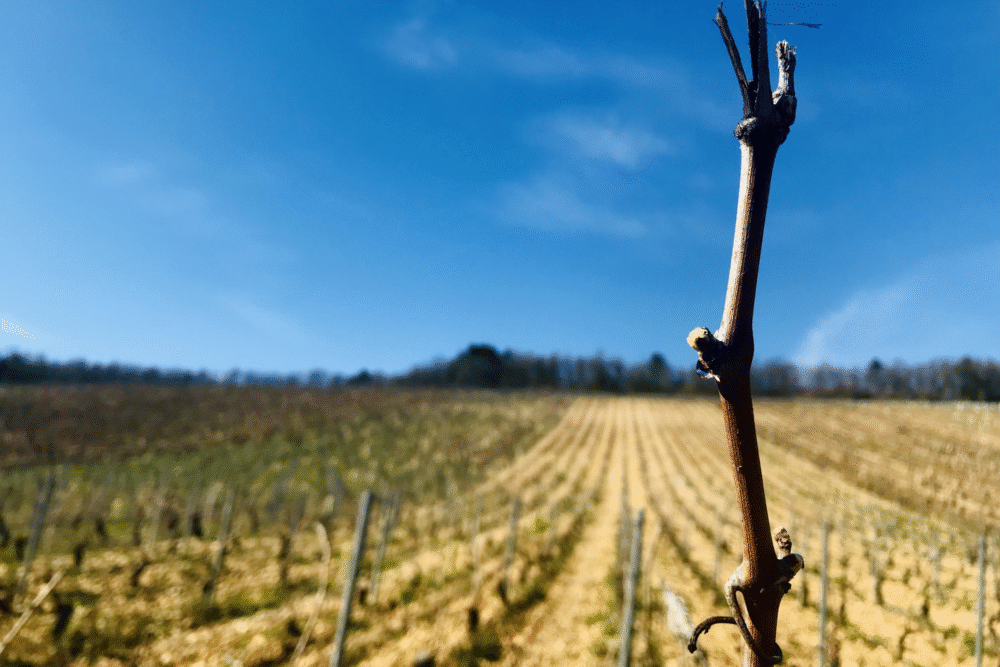
Extended droughts were found to be one of the strongest drivers of food price spikes. When rainfall disappears, fields dry out, harvests shrink, and farmers struggle to recover.
This loss in supply means less grain, fruit, and vegetables make it to market, which drives up costs for consumers. Droughts in major farming regions hit hardest because they reduce exports and create shortages worldwide. The study shows that one bad season in a key area can send ripple effects across global supply chains.
3. Heatwaves Stress Crops and Livestock
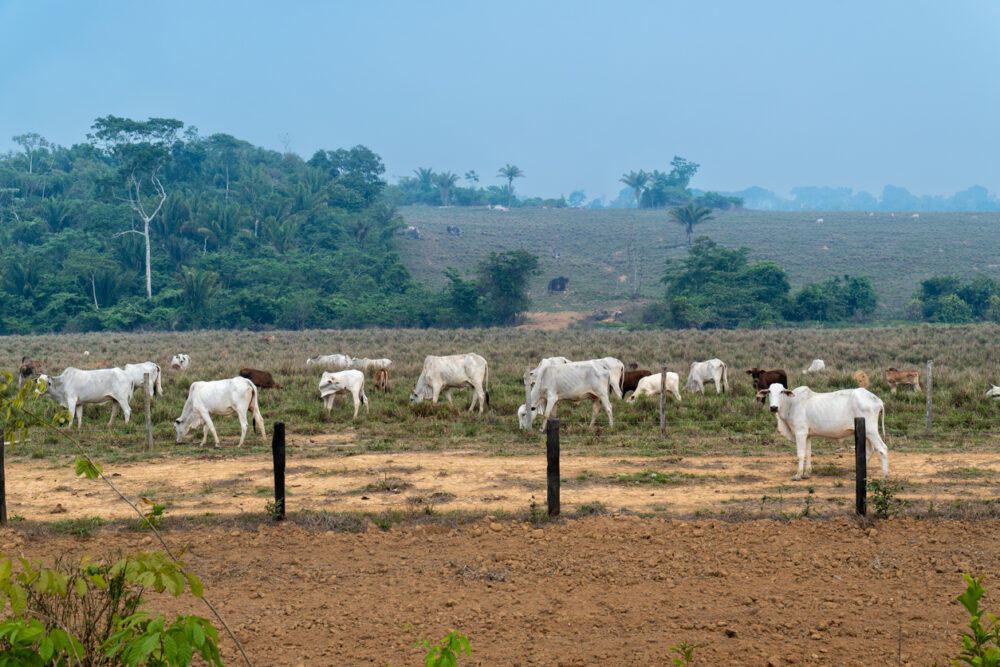
Heatwaves are becoming longer and more intense, and the study found they’re strongly linked to rising food costs. Extreme heat damages crops by reducing growth and yields, while livestock suffer from stress, illness, and reduced productivity.
The result is less food available at a time when demand hasn’t changed, creating a classic supply squeeze. These heat-driven shortages were shown to increase prices of basic foods like grains and dairy, demonstrating how sensitive global food systems are to temperature extremes.
4. Floods Disrupt Food Production and Transport
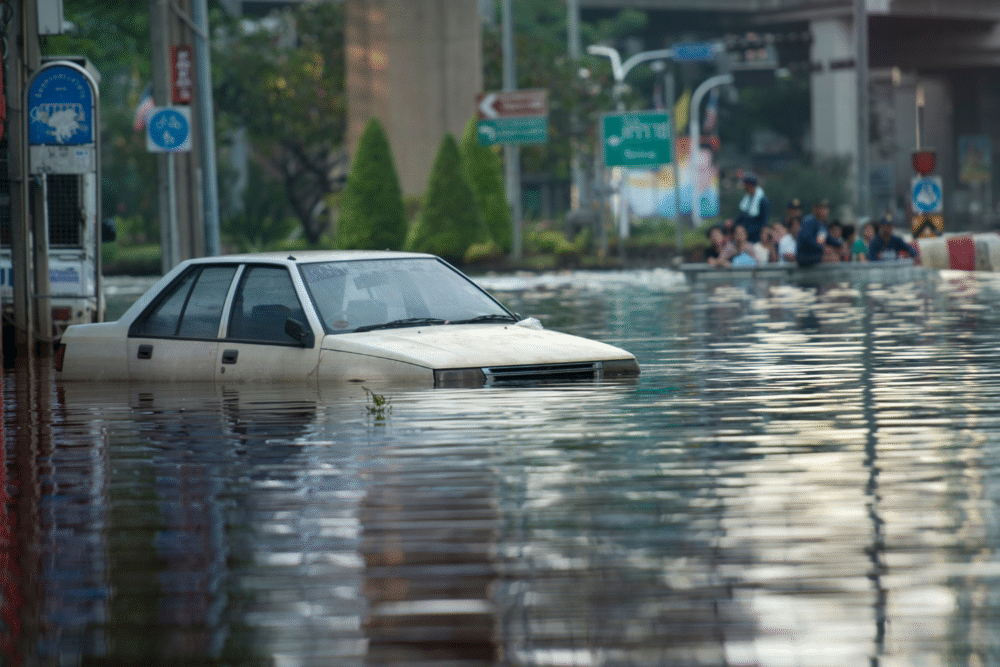
Floods don’t just ruin crops—they also destroy infrastructure and slow transport, making it harder to get food where it’s needed. The study highlighted several events where flooding washed out fields, cut off supply routes, and raised costs in both local and international markets.
When farmland is submerged, crops are lost for the season. And when roads and storage are damaged, even surviving produce can’t reach buyers. These combined impacts make floods especially damaging to food security and a clear driver of price hikes.
5. 16 Global Price Spikes Linked to Weather
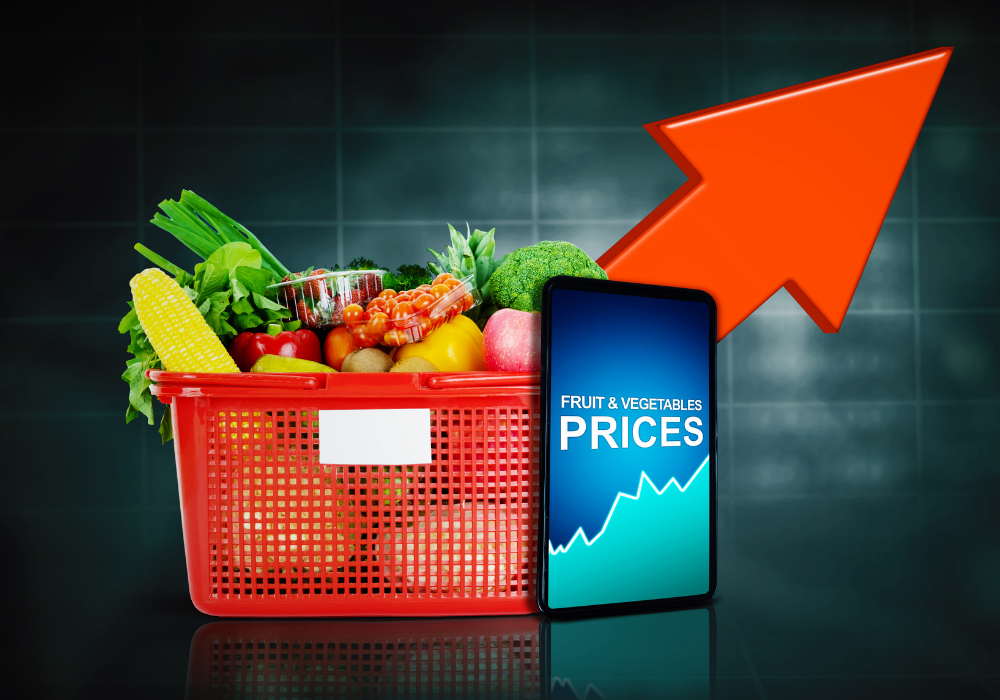
The researchers traced 16 major food price surges over just two years back to extreme weather events. That number is unusually high and shows how rapidly climate disruptions are mounting.
These spikes weren’t isolated to one region. Events in Europe, Asia, Africa, and the Americas all contributed, proving that food markets are tightly interconnected. A disaster in one country can quickly raise prices halfway around the world, illustrating how fragile today’s global food system has become.
6. Staple Foods Are Most at Risk
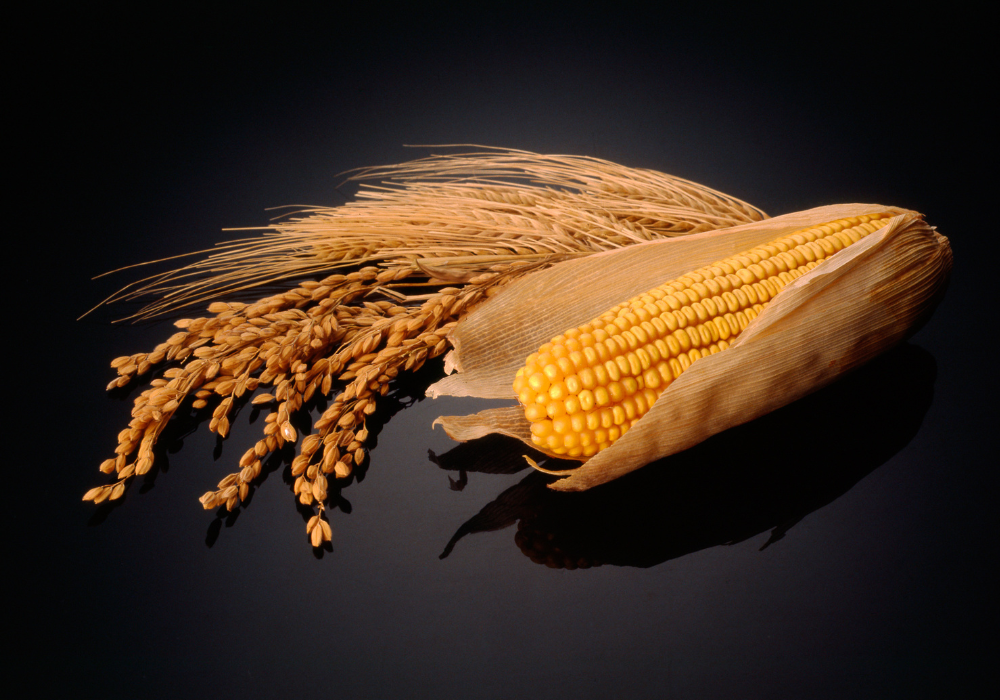
The study found that staple foods such as wheat, rice, and corn were most often affected by weather-driven price shocks. Because these crops feed billions, even a small change in supply has outsized consequences.
When staples become more expensive, the effects ripple across diets everywhere. Processed foods, livestock feed, and household staples all climb in cost. This makes food insecurity worse in vulnerable countries while straining budgets even in wealthier nations.
7. Climate Change Is Making Extreme Weather Worse
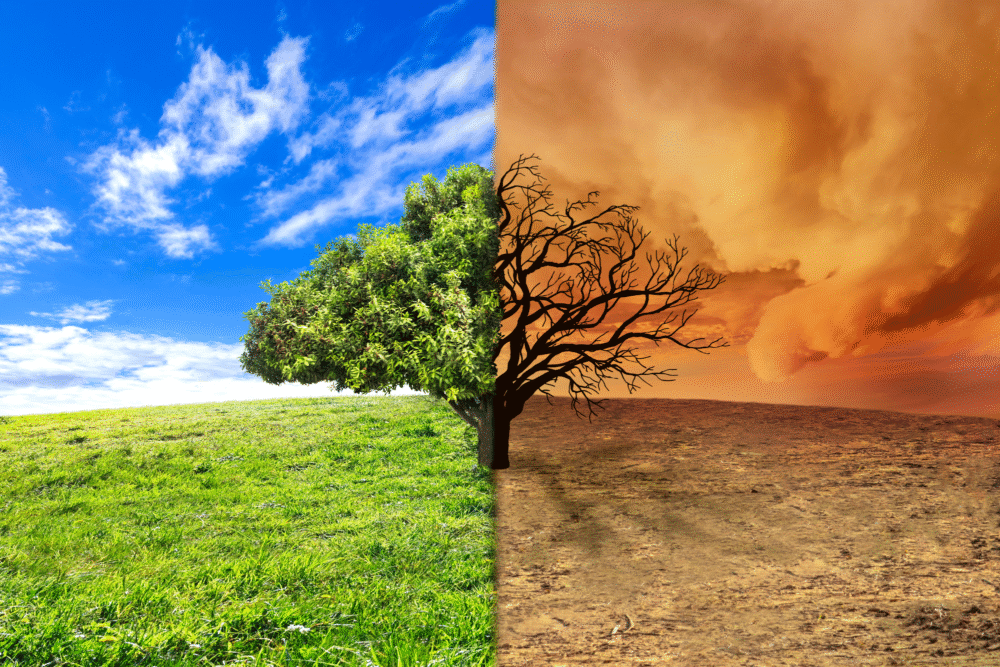
Researchers emphasize that extreme weather events aren’t happening in isolation. They’re becoming stronger and more frequent because of climate change.
Warmer oceans and shifting climate patterns create conditions for droughts, heatwaves, and floods to intensify. These events hit agriculture hardest, because farming depends on stable seasons. The study highlights that without stronger action to cut greenhouse gas emissions, food price shocks will likely worsen in the years ahead.
8. Food Systems Are More Connected Than Ever
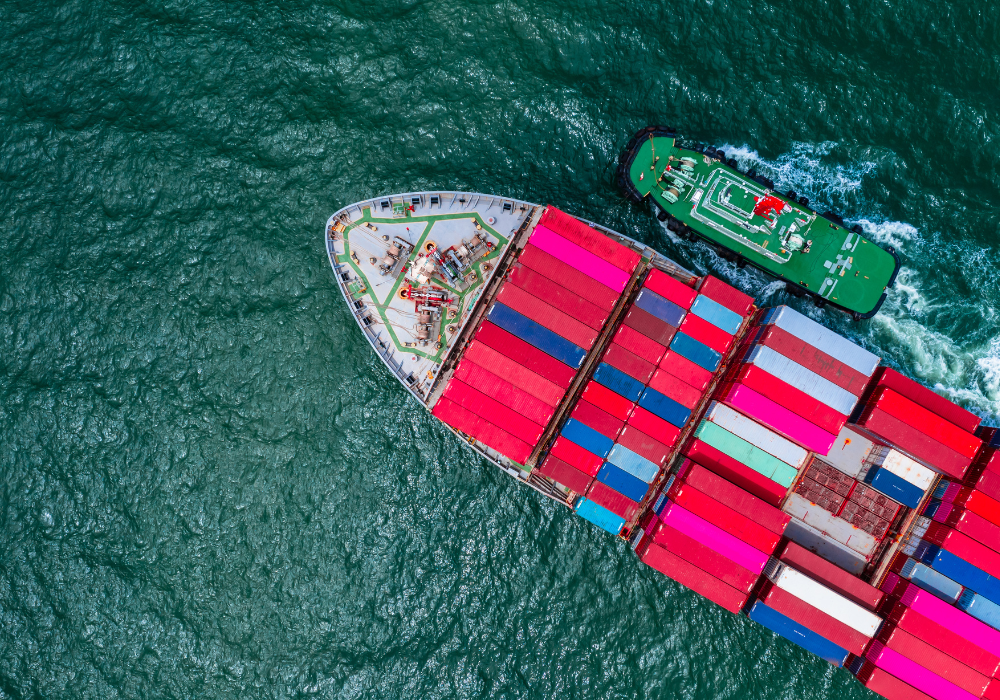
Global trade means food systems are highly interconnected. A wheat shortage in one country can ripple across continents, driving up bread and pasta prices thousands of miles away.
The study shows how vulnerable this system is to climate shocks. With markets so tightly linked, local disasters can quickly become global problems. This interdependence makes adaptation more urgent, since disruption in one region can no longer be contained to local communities.
9. Vulnerable Communities Feel the Strain First

While rising prices affect everyone, the study stresses that low-income and food-insecure communities are hit hardest. Families already struggling to afford basic meals face the greatest risks.
In poorer regions, price spikes can quickly turn into crises, forcing people to skip meals or rely on less nutritious food. Even in wealthier nations, households living paycheck to paycheck feel the pinch. The findings underline how climate-driven food shocks deepen inequality worldwide.
10. Scientists Say Action Is Urgently Needed

The authors stress that these findings should be a wake-up call for policymakers. Without major efforts to adapt farming practices, improve resilience, and cut emissions, climate-driven food shocks will only intensify.
Possible solutions include investing in drought-resistant crops, improving global food storage, and reducing reliance on vulnerable supply chains. But researchers warn that without tackling the root cause—climate change itself—the world will face more frequent and severe disruptions to food prices.