
Marine heatwaves caused mass coral bleaching, leaving scientists alarmed about the reef’s survival.
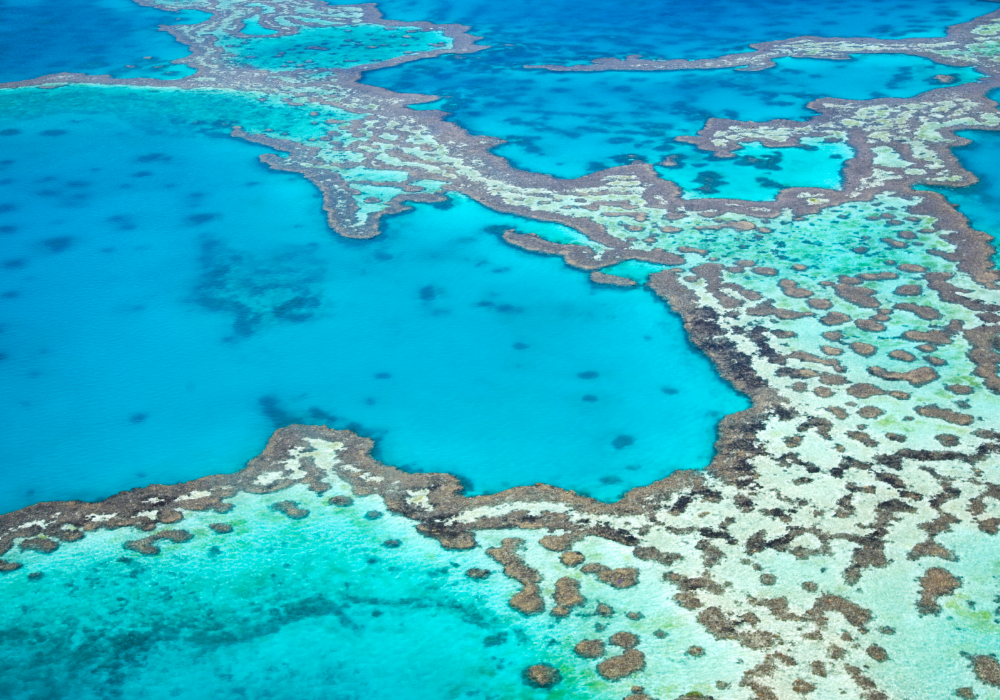
The Great Barrier Reef has just endured its worst summer on record, and scientists are sounding the alarm. Unrelenting marine heatwaves fueled by climate change pushed ocean temperatures to extremes, causing widespread coral bleaching across the world’s largest reef system. Experts warn that the damage could take decades to heal—if recovery is even possible. For Australia and the planet, the reef’s decline is a stark reminder of how quickly rising temperatures can unravel fragile ecosystems.
1. A Record-Breaking Summer of Stress
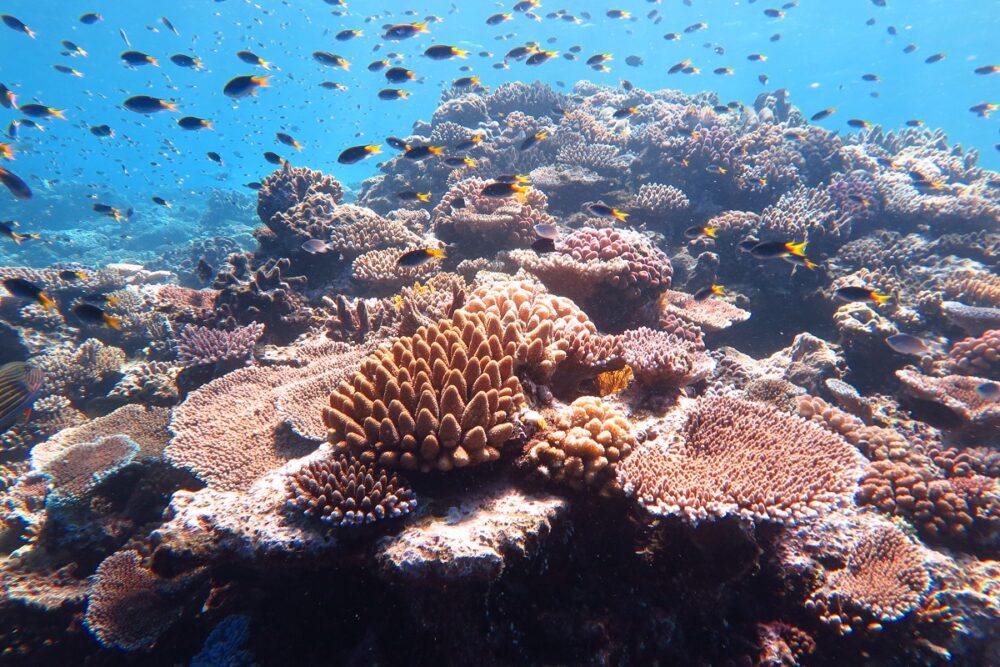
The Great Barrier Reef endured its worst summer on record, according to reef scientists. A combination of extreme heatwaves, tropical cyclones, flooding, and outbreaks of coral predators created widespread damage.
This unprecedented mix of stressors left large portions of the reef struggling to recover. Officials say the intensity and scale of these impacts exceeded previous years, signaling a troubling new chapter in the reef’s history and highlighting how quickly conditions are worsening.
2. Mass Coral Bleaching Struck Most of the Reef
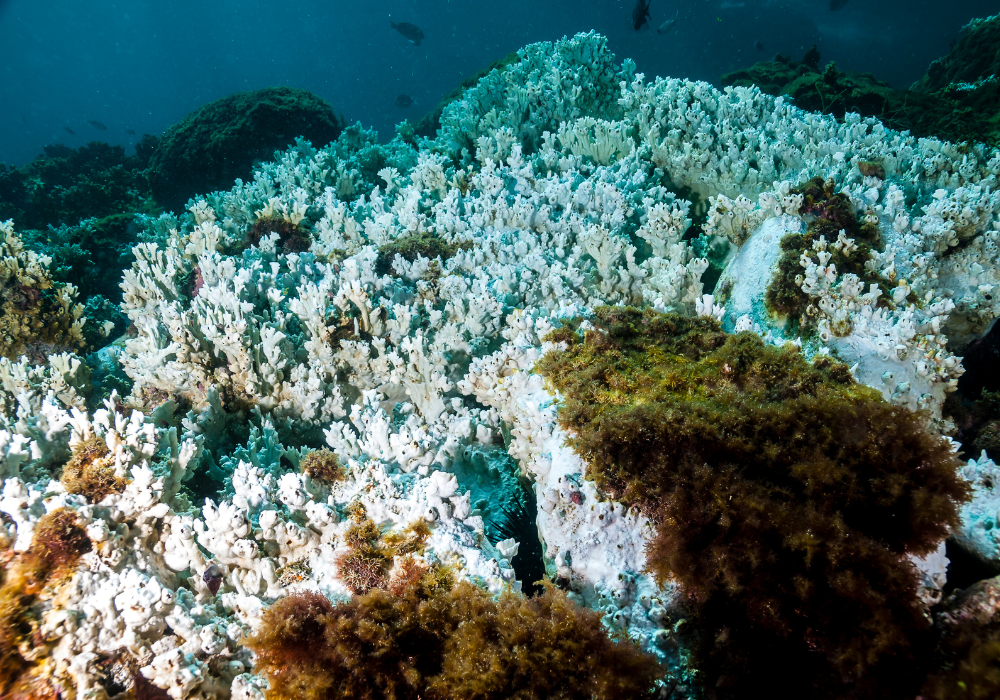
Bleaching-level ocean temperatures affected around 80 percent of the Great Barrier Reef. Surveys found more than 70 percent of reefs showed visible signs of bleaching.
Bleaching occurs when corals expel the algae that give them color and energy, often caused by extreme heat. While not all bleached corals die, repeated events weaken reefs and reduce their ability to recover. The widespread nature of this bleaching made the summer one of the most severe on record.
3. Marine Heatwaves Drove the Crisis

Marine heatwaves fueled by climate change were the main driver of bleaching. In several areas, sea surface temperatures soared to record highs, stressing corals beyond their tolerance levels.
Experts say the ocean has absorbed the vast majority of excess heat from global warming. As a result, heatwaves are now stronger, longer, and more frequent, increasing the risk of bleaching events like the one that devastated the reef this summer.
4. Cyclones and Floods Added to the Damage
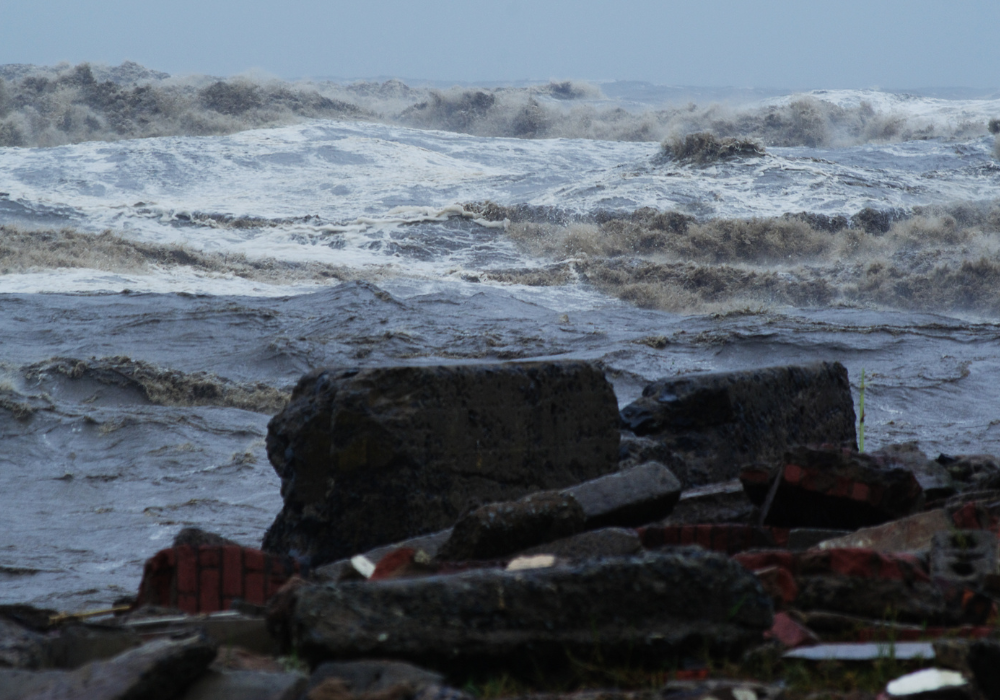
The reef wasn’t only hit by heat. Tropical cyclones battered parts of the system, breaking apart coral structures and stirring up sediment. On top of that, extreme flooding carried polluted runoff into reef waters.
This combination made recovery even harder. Corals weakened by heat stress are more vulnerable to physical damage and poor water quality. Scientists say the layering of these stressors is one reason this summer was so devastating.
5. Outbreaks of Crown-of-Thorns Starfish Persist
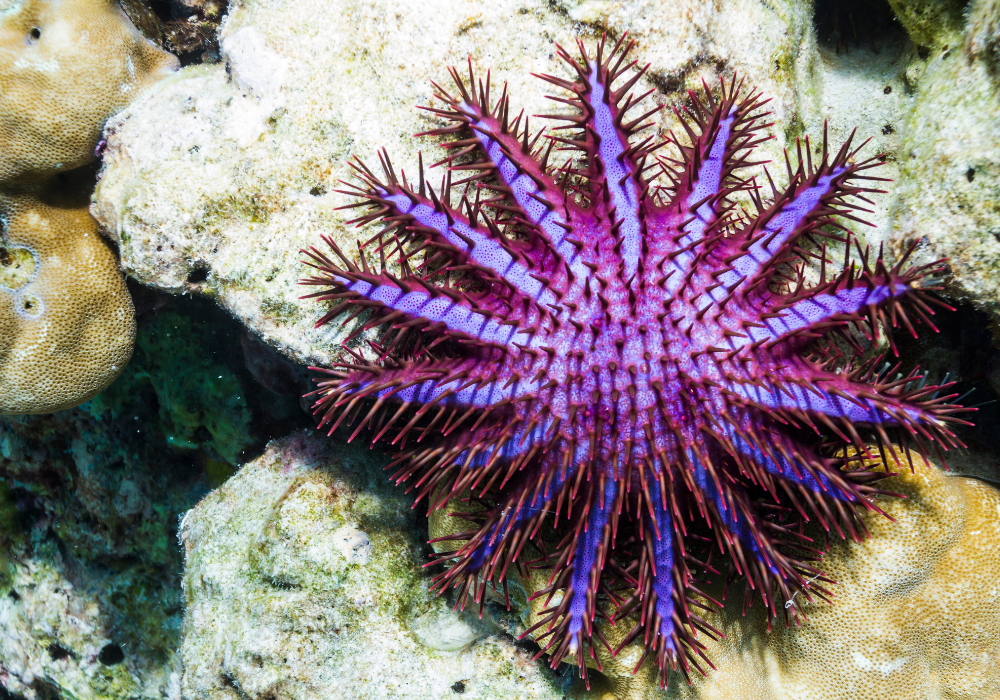
Alongside climate pressures, the reef continues to battle outbreaks of crown-of-thorns starfish, a coral-eating predator. These starfish can strip large areas of coral when populations explode.
While programs exist to control outbreaks, the added pressure from predators this summer created another obstacle to reef survival. When combined with heat stress and storms, starfish outbreaks make it even harder for coral ecosystems to bounce back.
6. The Reef Is Experiencing Global Bleaching Too

The Great Barrier Reef’s struggles are part of a larger pattern. NOAA confirmed that the world is experiencing a fourth global coral bleaching event, with reefs in every major ocean basin showing signs of distress.
This global context underscores that the reef’s crisis isn’t isolated. Climate-driven warming is stressing coral ecosystems worldwide, and Australia’s iconic reef is among the most visible examples of the broader trend.
7. Not All Bleaching Means Immediate Death
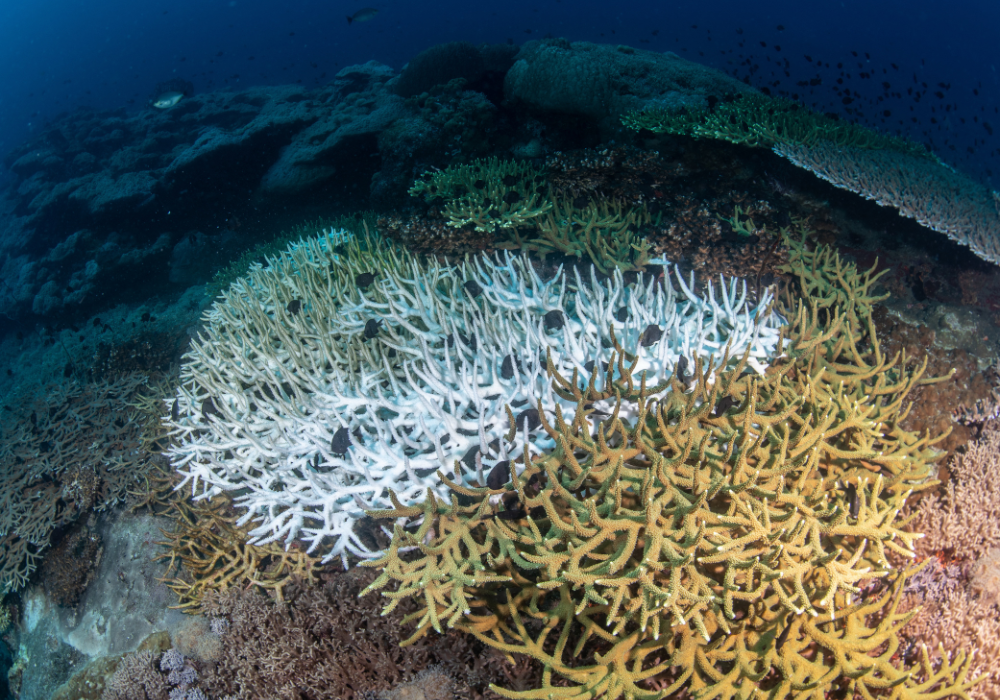
Scientists caution that bleaching doesn’t always kill corals outright. If ocean temperatures cool and conditions stabilize, some corals can recover over weeks or months.
However, repeated events weaken coral systems. Even if corals survive one bleaching, they may be more vulnerable to disease, storms, or future heatwaves. This makes frequent bleaching one of the greatest long-term threats to reef survival.
8. Tourism and Communities Are at Risk

The Great Barrier Reef supports tens of thousands of jobs and contributes billions of dollars annually to Australia’s economy through tourism. Widespread bleaching threatens not only biodiversity but also the livelihoods of coastal communities.
A reef in decline means fewer tourists, less income, and greater economic uncertainty. Local communities and businesses are watching closely, knowing that the reef’s health is directly tied to their future security.
9. Conservation Efforts Continue Despite Setbacks
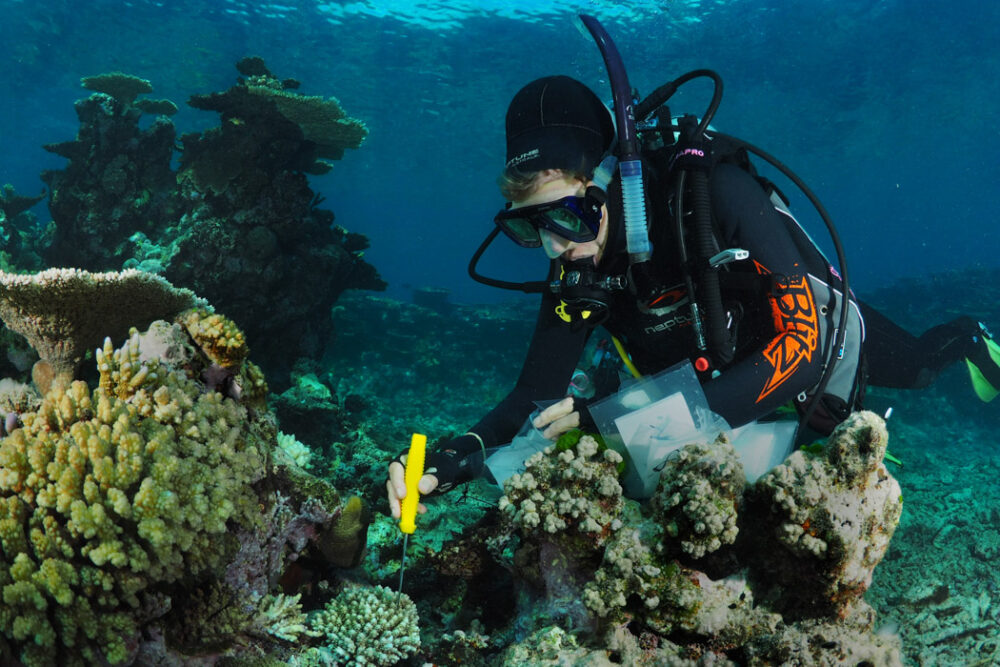
Australia has invested heavily in reef management, including reducing runoff, culling crown-of-thorns starfish, and expanding marine protected areas. These measures help improve resilience but cannot fully shield the reef from climate-driven heatwaves.
Scientists stress that local efforts are essential but only part of the solution. Without global action on climate change, the reef will continue to experience conditions beyond its natural ability to recover.
10. Climate Change Is the Driving Force

While storms and predators play a role, scientists are clear that climate change is the primary driver of the reef’s decline. Rising greenhouse gas emissions are heating the oceans, making marine heatwaves more severe and frequent.
The reef’s “worst summer” is another warning that limiting global warming is crucial to saving coral ecosystems. Without cutting emissions, bleaching events are expected to increase, leaving little time for recovery.
11. The Future of the Reef Remains Uncertain
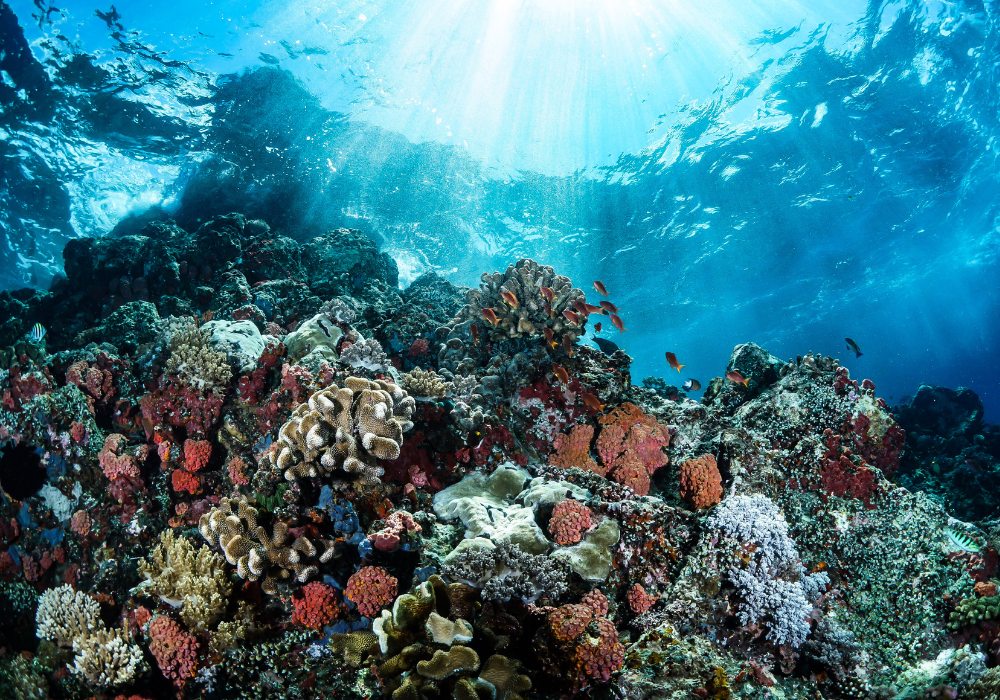
The reef is resilient and has recovered from past stress, but repeated and worsening bleaching raises doubts about its long-term survival. Some areas may bounce back, while others could face permanent loss of coral cover.
Experts warn that the next decade will be critical. Strong climate action could reduce the frequency of extreme heat events, giving the reef a chance to adapt. Without it, the world’s largest reef system risks sliding toward irreversible decline.