
Artemis II will send four astronauts around the Moon and back — a key step toward a future lunar landing.

NASA has officially scheduled Artemis II, the agency’s first crewed flight under its Artemis lunar program, for early 2026. This mission will not land on the Moon but will carry four astronauts on a 10-day loop around the Moon and back to Earth. It’s a critical test of spacecraft systems ahead of later missions intended to return humans to the lunar surface. While NASA aims for an April 2026 launch, some reports suggest that it might be possible to move the date up to February — but that earlier timing remains conditional on safety reviews.
1. NASA’s First Crewed Artemis Mission Is Almost Here

NASA is preparing for Artemis II, the first crewed mission in its new lunar program. Scheduled for early 2026, the mission will send four astronauts around the Moon and back. It’s the first time humans will travel that far since Apollo in the 1970s.
Unlike Apollo, this mission isn’t about landing yet. Instead, it’s a vital test of the systems that will carry astronauts deeper into space in the coming years. A safe and successful flight would set the stage for future landings on the lunar surface.
2. A Launch Targeted for 2026
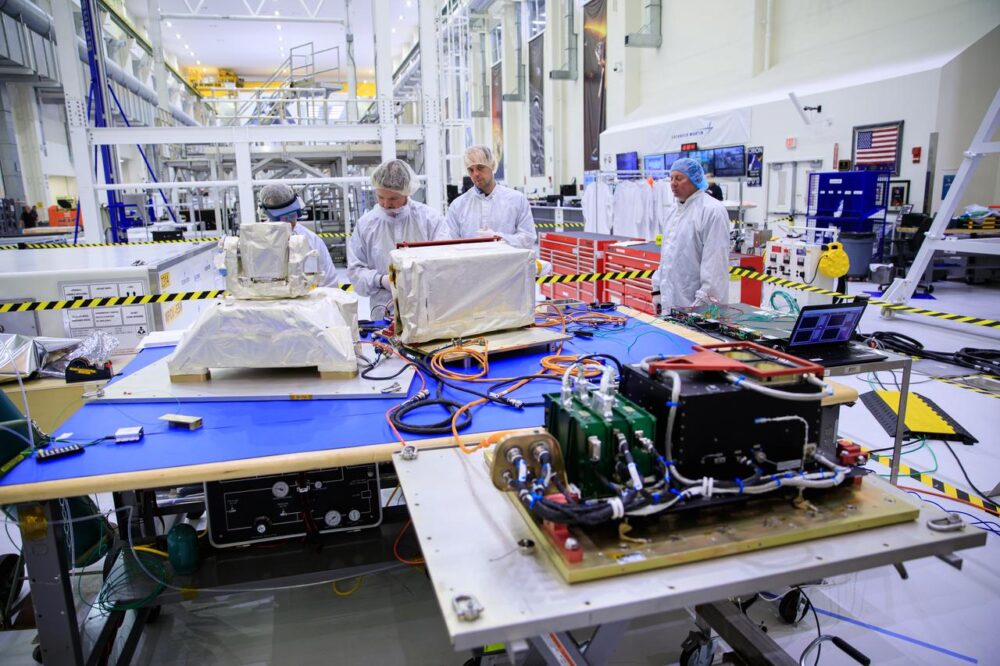
NASA currently lists April 2026 as the official target for the Artemis II launch. However, some reports suggest the date might be moved up to February if testing and safety reviews go smoothly. Still, April remains the more realistic goal.
This timeline represents a slight shift from earlier schedules. NASA emphasizes that no corners will be cut, and every milestone must be carefully checked before astronauts leave Earth’s orbit. Safety, rather than speed, is the top priority for this groundbreaking mission.
3. The Orion Spacecraft Will Carry the Crew
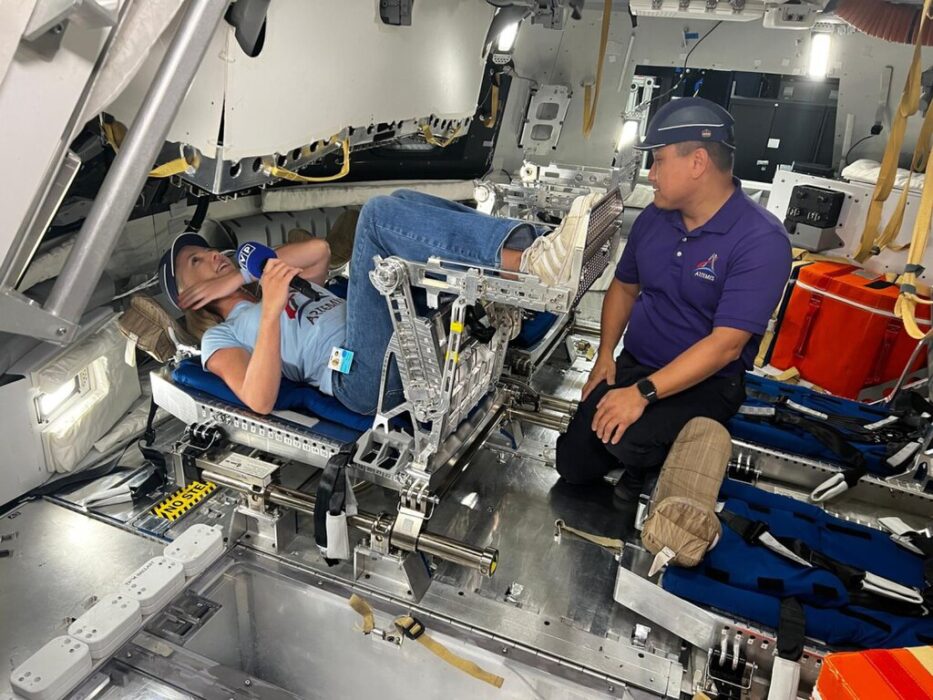
At the heart of the mission is the Orion spacecraft, designed for deep space travel. Orion has already flown successfully around the Moon during Artemis I, proving its systems work in real conditions. For Artemis II, it will carry people for the first time.
The capsule has life support, navigation, and heat shields to survive the trip and reentry into Earth’s atmosphere. The successful operation of Orion will demonstrate that it’s ready for the even tougher missions ahead, including a lunar landing with Artemis III.
4. The Rocket Is NASA’s Most Powerful Ever
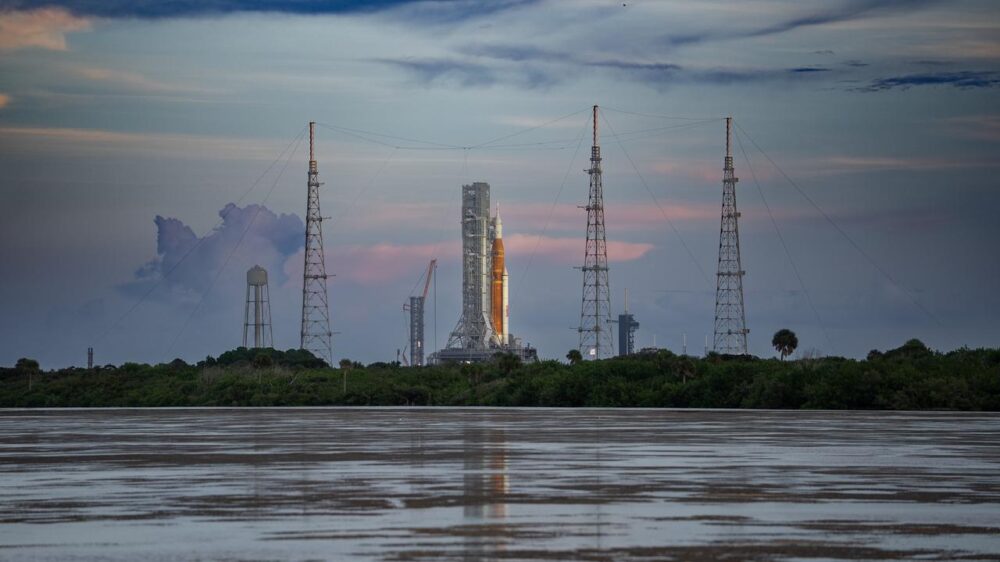
To reach the Moon, Artemis II will use the Space Launch System (SLS), the most powerful rocket NASA has built since Saturn V. Its engines produce millions of pounds of thrust, enough to push Orion and its crew beyond Earth’s orbit.
The SLS completed a successful flight during Artemis I, showing it can handle the enormous demands of lunar travel. Artemis II will be its first launch with humans onboard, marking an important test of the rocket’s safety and reliability.
5. The Crew Will Include Four Astronauts
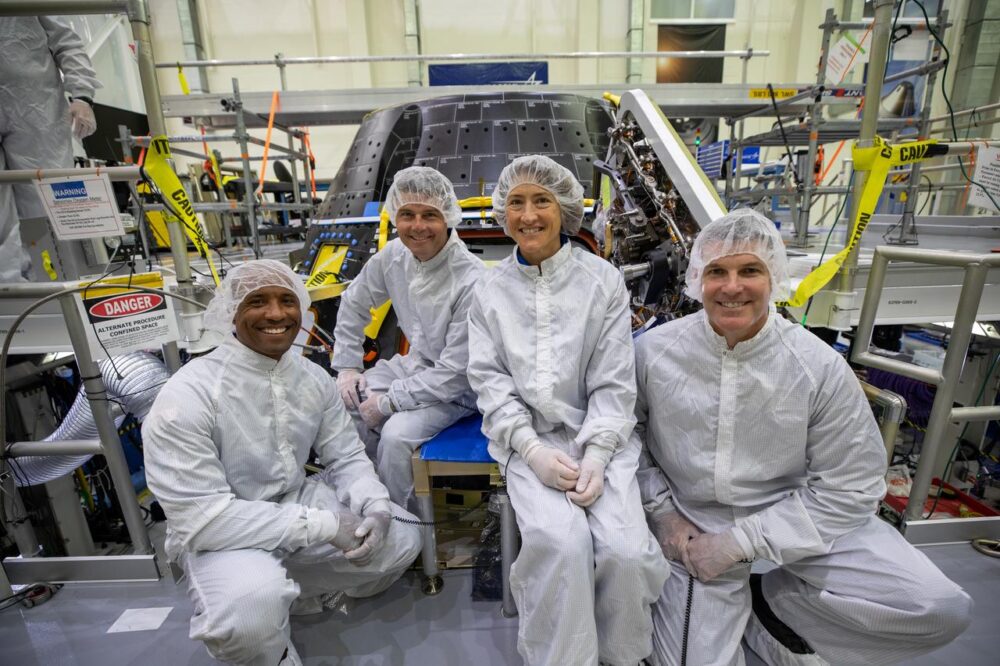
NASA has named a crew of four astronauts for Artemis II. They include three Americans and one Canadian, making it the first international crew to head to the Moon. This reflects NASA’s broader goal of working with global partners in space exploration.
The astronauts will spend about 10 days traveling beyond Earth, looping around the Moon, and returning home. Their experiences will be carefully studied to prepare for the longer and more complex missions that will follow in the Artemis program.
6. A Lunar Flyby, Not a Landing
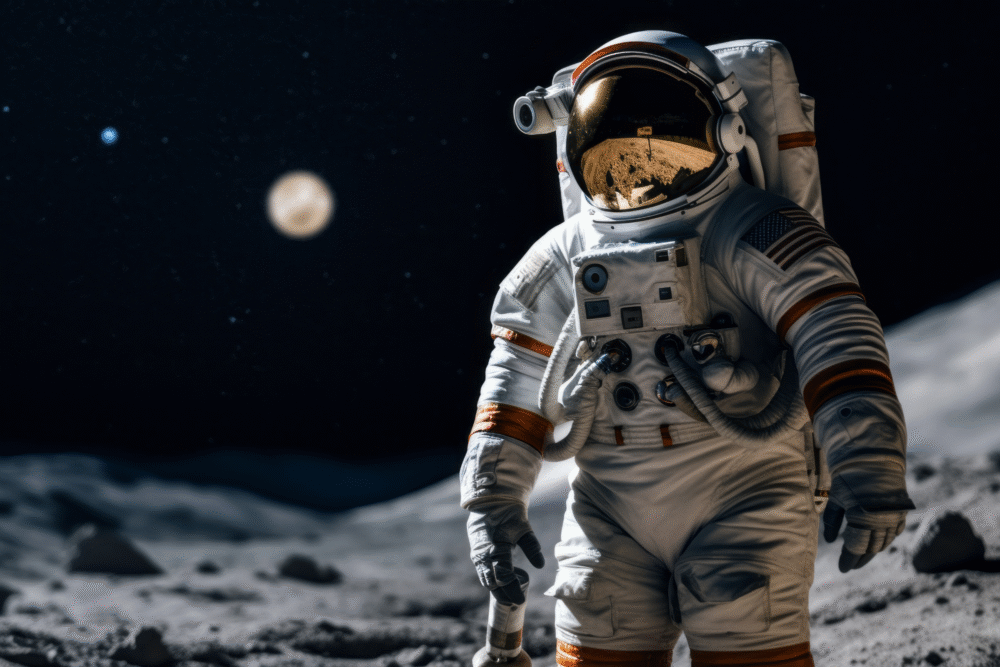
Unlike Apollo 11, this mission won’t involve boots on the Moon. Instead, the astronauts will orbit the Moon before returning to Earth. This flyby is designed to test navigation, communication, and life support systems on a real crewed mission.
It’s a vital rehearsal for Artemis III, which aims to land astronauts near the lunar south pole later in the decade. By first proving that Orion and SLS can safely complete a crewed loop, NASA reduces risks before attempting a landing.
7. The Goal Is a Long-Term Lunar Presence
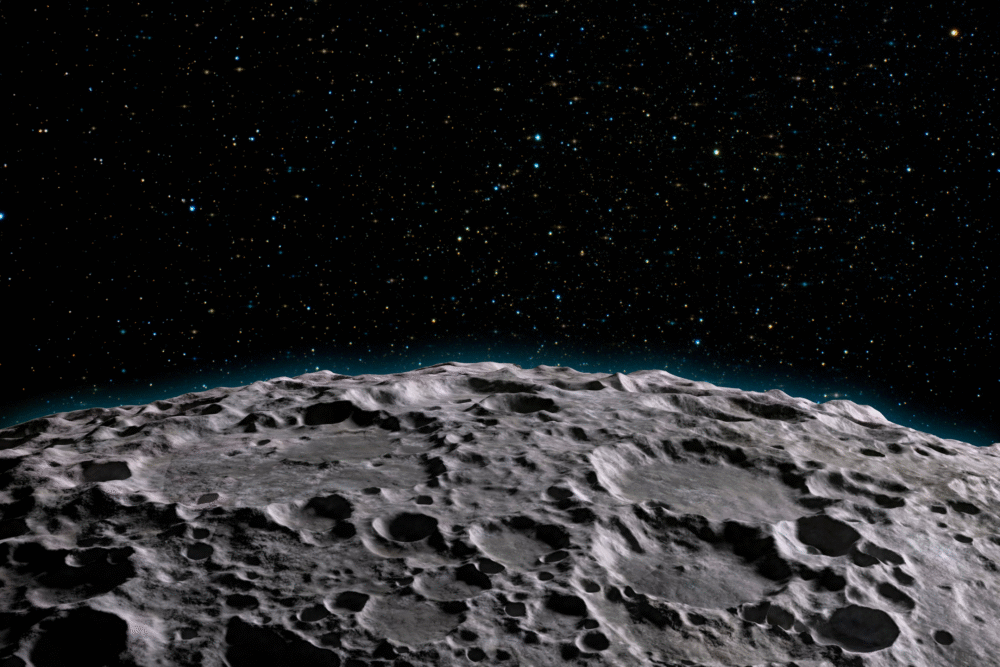
Artemis isn’t just about repeating Apollo. NASA’s long-term vision is to establish a sustained presence on and around the Moon. That includes building lunar habitats, using resources like water ice, and preparing for future missions to Mars.
Artemis II is the first big step toward this goal. It provides the real-world data needed to design systems that can support astronauts for weeks or months on the lunar surface. The mission is more about the future than the single flight itself.
8. International Partners Are Playing a Key Role
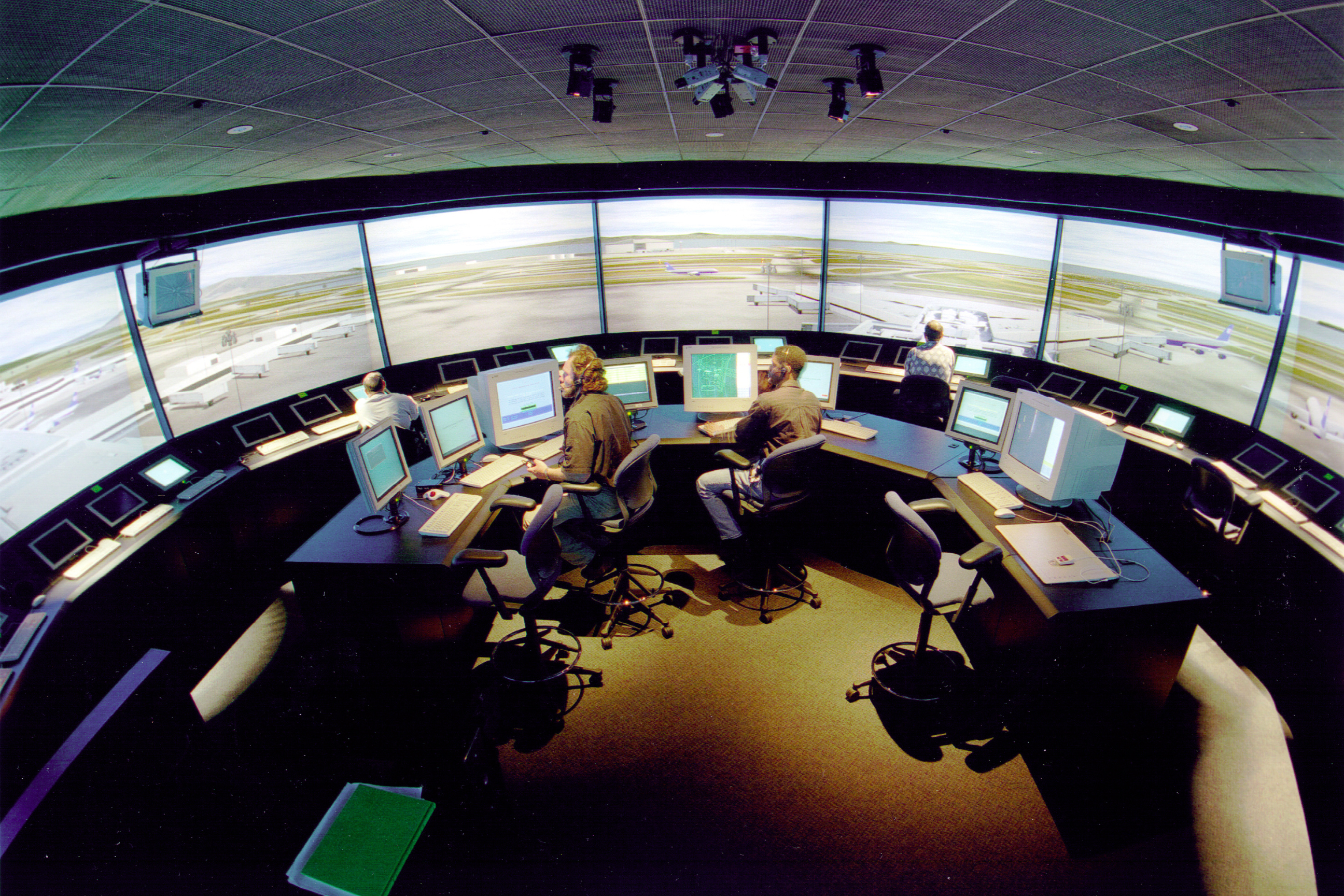
Artemis II isn’t just an American effort. The European Space Agency built the Orion service module, which provides power and propulsion. Canada contributed crew members and will later supply a robotic arm for the lunar Gateway space station.
This global cooperation mirrors how space exploration is changing. Instead of one nation leading alone, Artemis represents a partnership model. The program aims to include many countries, spreading both the cost and the scientific benefits of exploring the Moon.
9. Technology Tested on Artemis I Builds Confidence
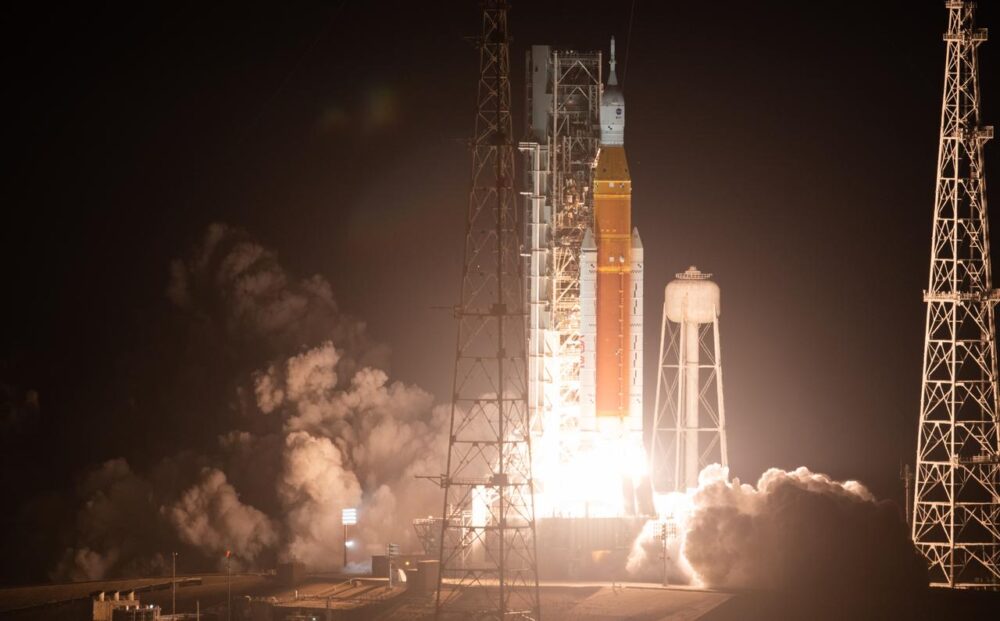
When Artemis I launched in 2022, it flew an uncrewed Orion capsule around the Moon and safely back to Earth. That mission tested key systems like heat shields, navigation, and communications. The data showed that Orion performed as expected.
Those results built confidence for Artemis II. Without Artemis I’s successful flight, sending humans would be impossible. The smooth performance gave NASA the green light to move forward with a crew, knowing the spacecraft can handle the conditions of deep space.
10. A Stepping Stone to Artemis III
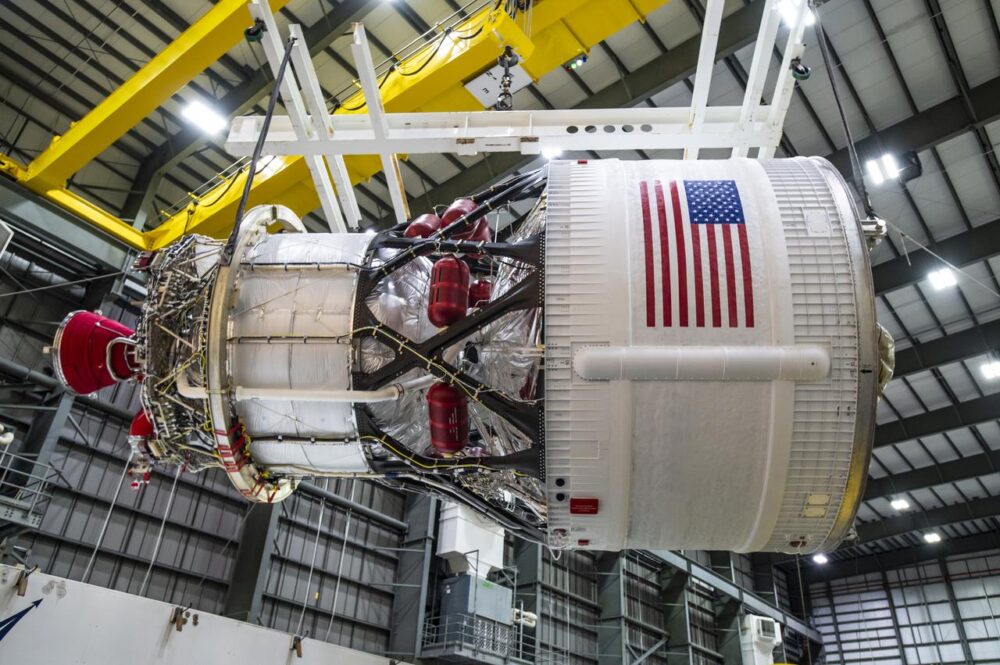
Artemis II is just the beginning. The next mission, Artemis III, aims to land astronauts on the lunar surface, likely near the Moon’s south pole where water ice is thought to exist. That mission is scheduled for no earlier than 2027.
By practicing with Artemis II, NASA reduces risks before the landing attempt. The flyby will validate every system under real crewed conditions, making Artemis III more likely to succeed when the time comes to step on the Moon again.
11. Why This Mission Matters for Science
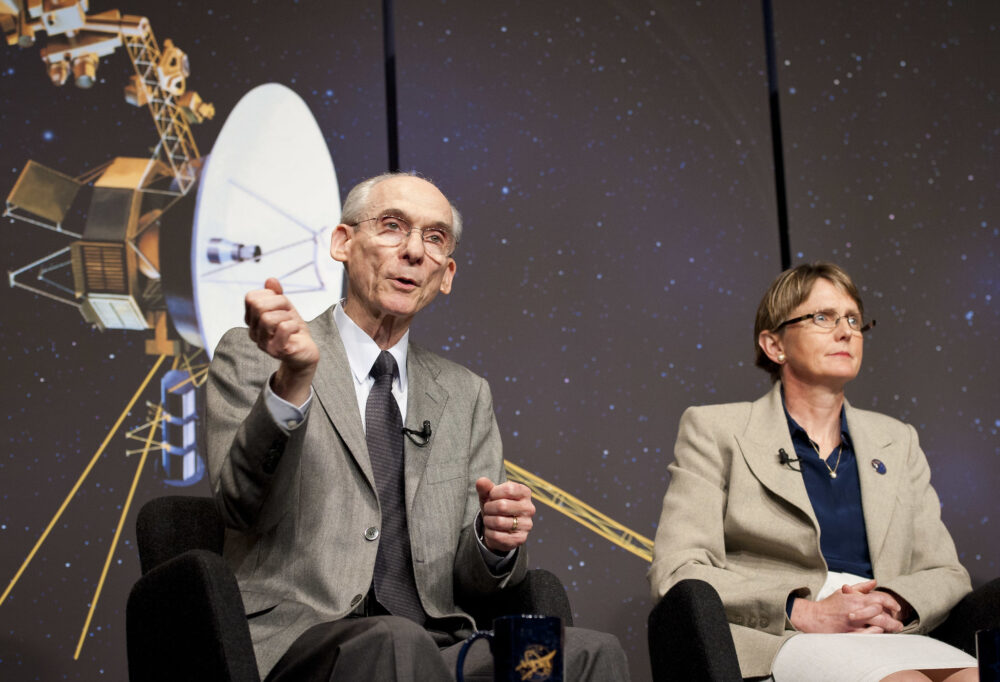
Even without a landing, Artemis II will provide valuable science. Instruments will measure radiation levels and test how the human body reacts to deep space travel. The results will help shape the design of habitats and life-support systems.
Understanding these conditions is crucial for long-term space travel. Artemis II is as much about learning how to live in space as it is about reaching the Moon. Every piece of data will prepare astronauts for the challenges of Mars and beyond.
12. Inspiring the Next Generation of Space Explorers
Perhaps the greatest impact of Artemis II will be the inspiration it sparks. For the first time in over 50 years, humans will travel near the Moon. That sight alone could inspire a new wave of scientists, engineers, and dreamers.
Like Apollo before it, Artemis aims to show that bold goals are possible when nations work together. Artemis II is more than a mission — it’s a symbol of human ambition, reminding us that exploration is still at the heart of our future.