
Scientists warn that one climate tipping point could set off a chain reaction of global disruptions.
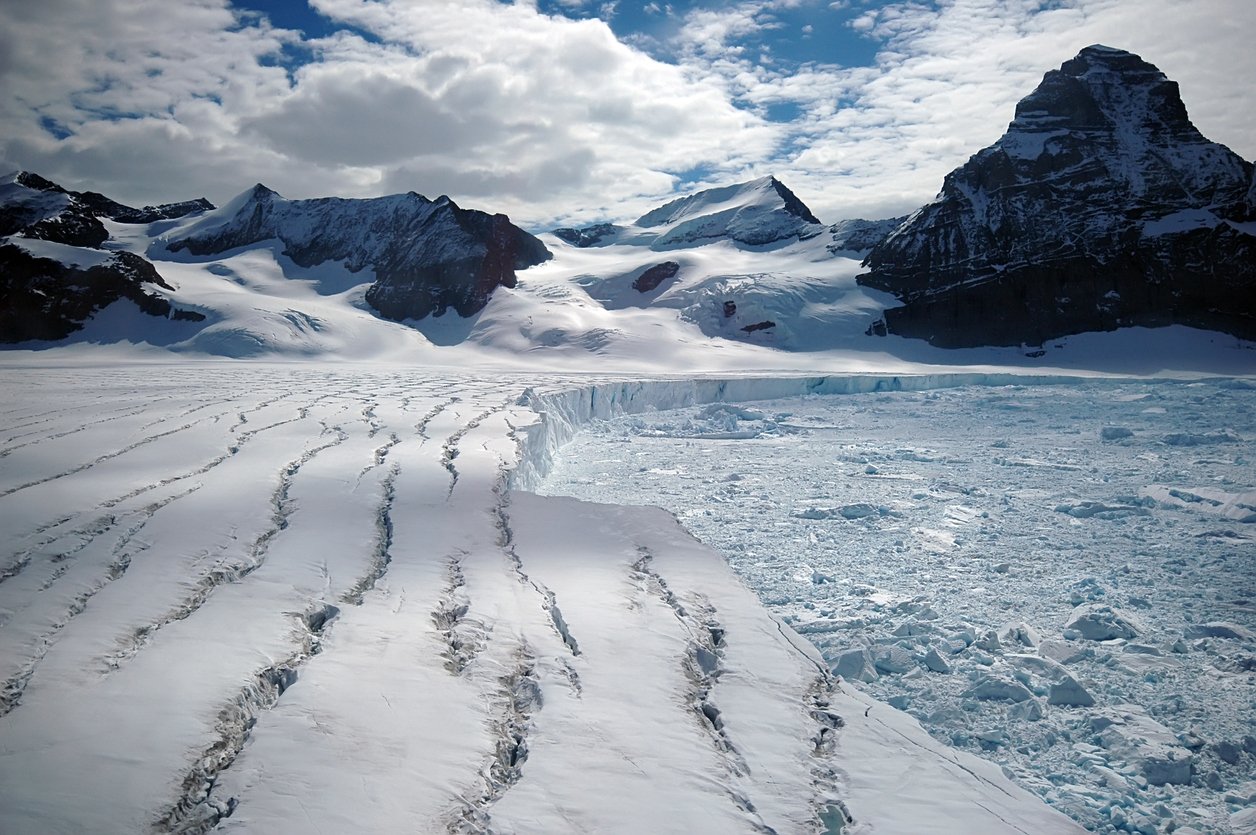
Climate change does not operate in isolation; its effects often trigger a chain reaction of environmental and social consequences known as domino effects. These interconnected events amplify risks and complicate efforts to manage climate impacts. Recognizing these cascading risks, from melting ice sheets to ocean acidification, is essential for developing resilient strategies. Expert agencies like NOAA, NASA, and the IPCC emphasize the importance of addressing feedback loops and tipping points to mitigate future challenges effectively.
1. Melting ice sheets accelerating global sea level rise and flooding.
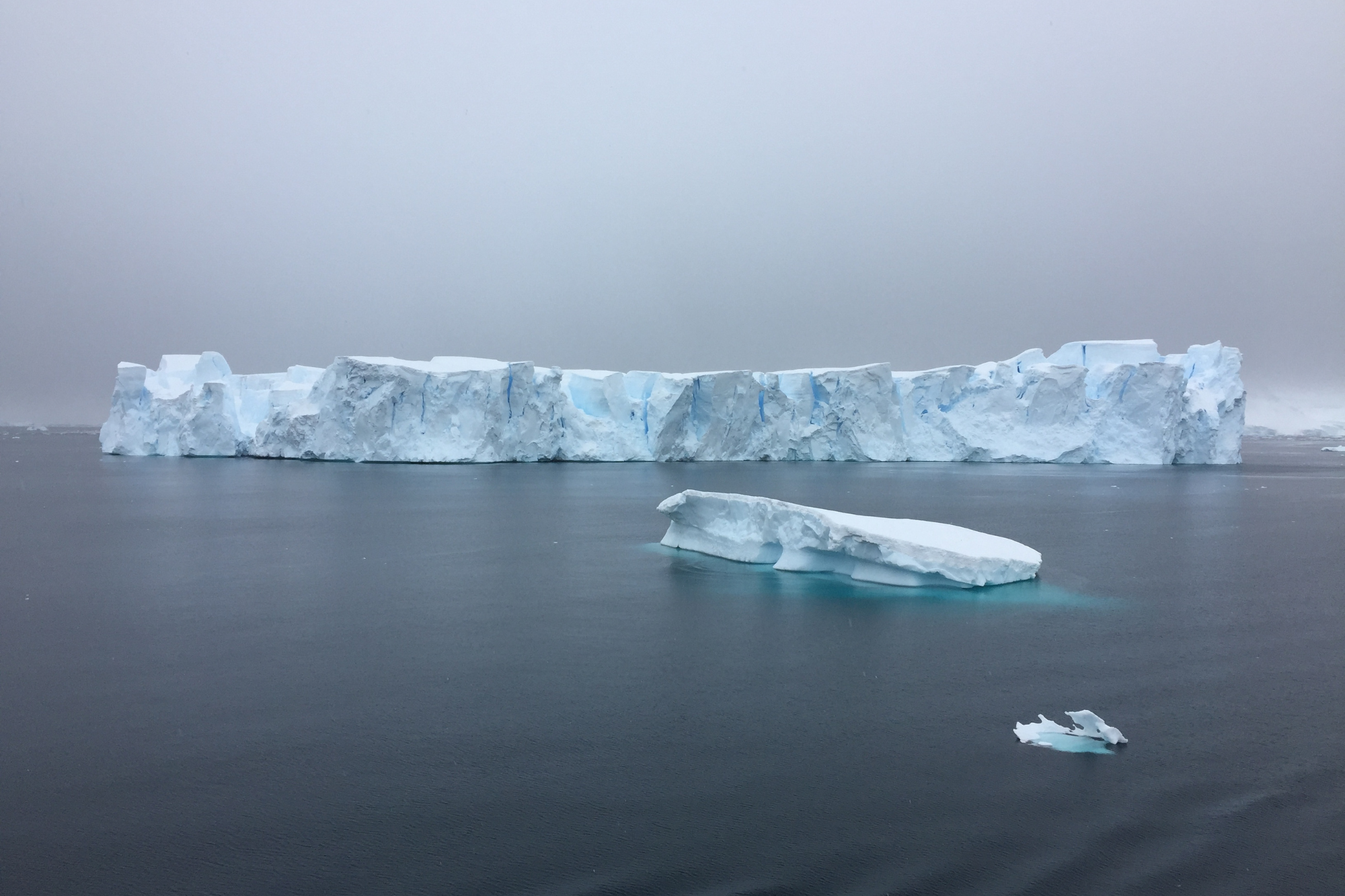
Melting ice sheets, primarily in Greenland and Antarctica, contribute to rising global sea levels. As these massive bodies of ice break apart, they introduce large volumes of water into the ocean. Coastal regions face increased flooding risk, affecting infrastructure and human settlements.
Moreover, this sea level rise intensifies storm surges, making extreme weather events more damaging. The rapid pace of ice melt also indicates feedback mechanisms, where warming accelerates further melting. People living in low-lying areas may experience direct threats to communities, increasing vulnerability and migration pressures.
2. Thawing permafrost releasing greenhouse gases and disrupting ecosystems.
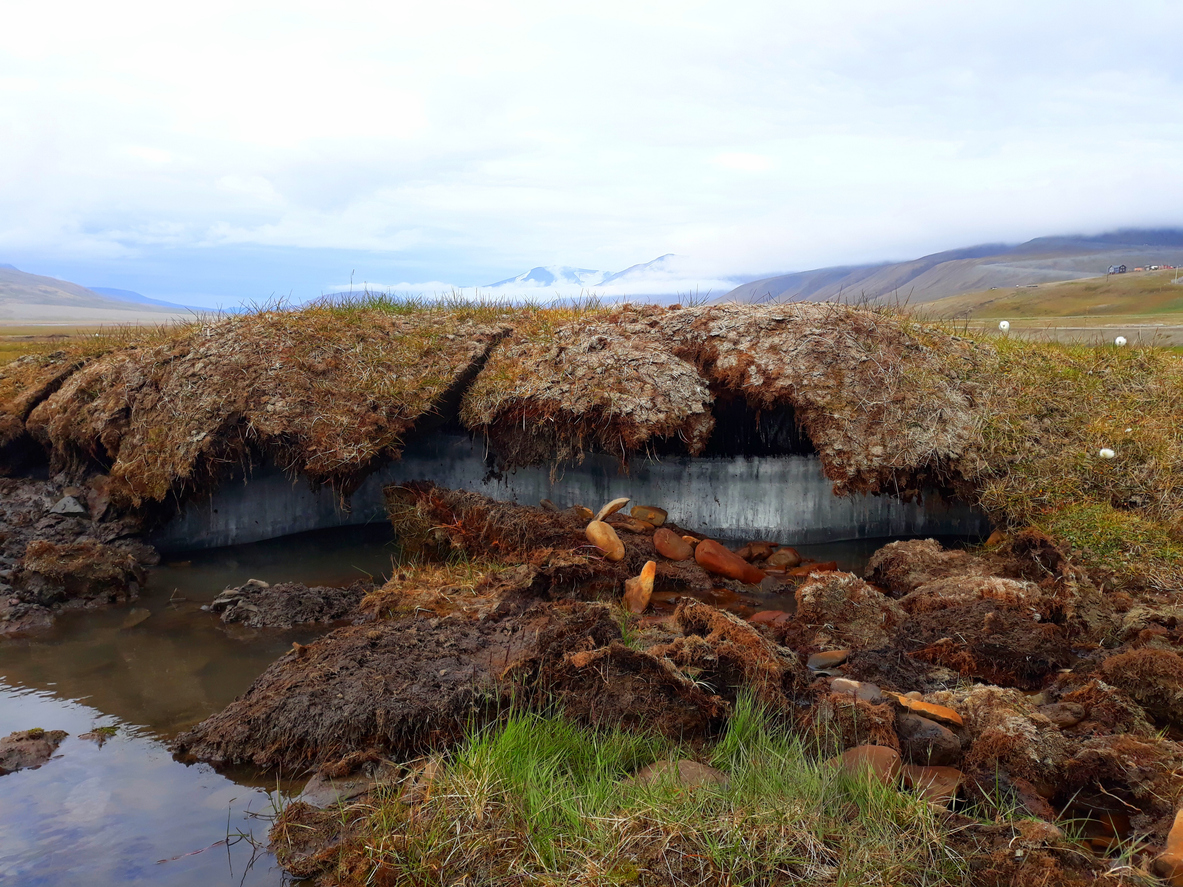
Thawing permafrost is a silent but potent contributor to climate change. Permafrost contains ancient organic material, and when it thaws, it releases carbon dioxide and methane into the atmosphere. These greenhouse gases amplify global warming, creating a challenging cycle.
Beyond atmospheric effects, thawing permafrost disrupts local ecosystems. Landscapes alter dramatically as the ground collapses, impacting plants and animal habitats. Traditional livelihoods, such as reindeer herding, face drastic changes. Continued thawing could exacerbate global climate challenges, linking local changes to broader consequences.
3. Deforestation reducing carbon absorption and increasing atmospheric CO2.
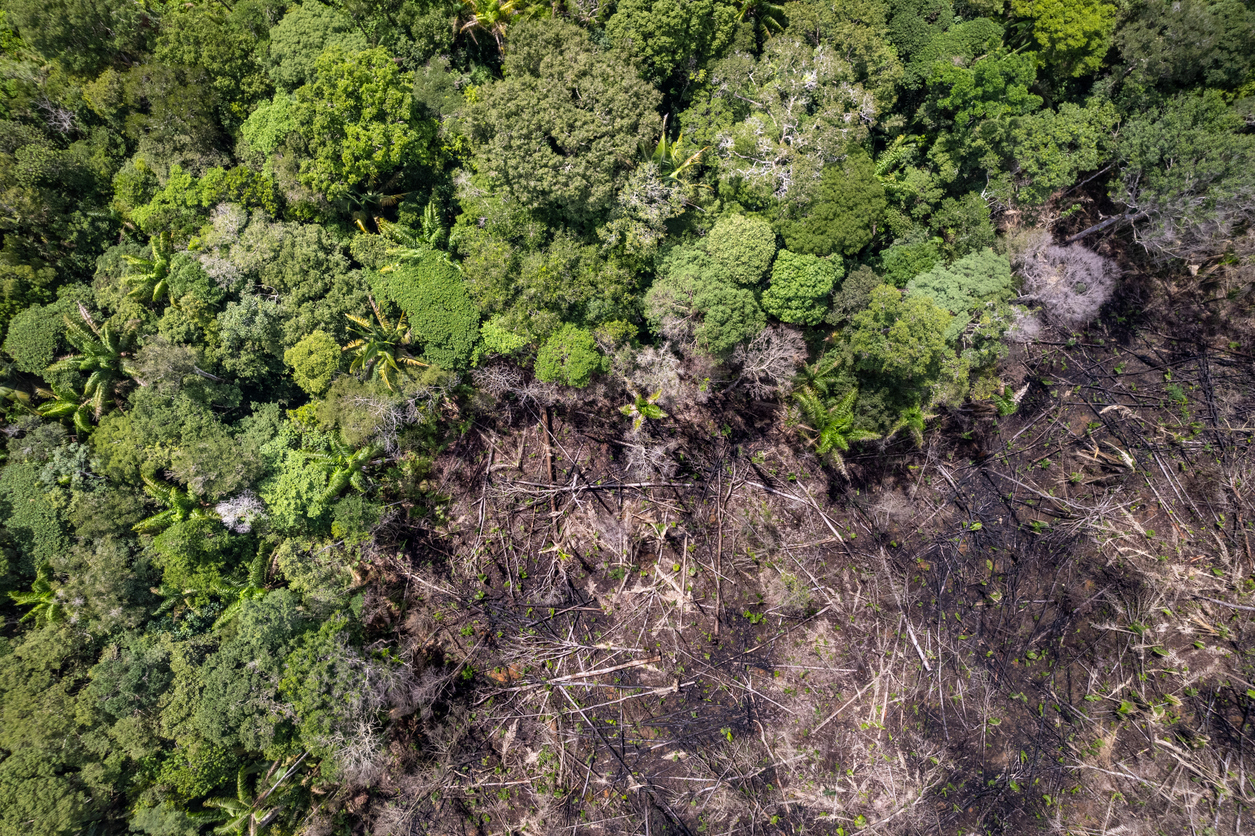
Deforestation reduces the planet’s capacity to absorb carbon dioxide as trees play a crucial role in controlling atmospheric CO2 levels. When forests vanish, carbon stored in trees is released back into the atmosphere, contributing to the greenhouse effect.
The repercussions extend beyond carbon. With fewer trees, biodiversity declines and local climates suffer from increased heat and disrupted rainfall patterns. In tropical areas, deforestation exacerbates existing vulnerabilities, affecting both environmental health and human well-being by undermining ecosystem services.
4. Coral bleaching damaging marine biodiversity and coastal protection.

Coral bleaching occurs when stressed corals expel the algae living in their tissues. This leaves corals vulnerable and can lead to large-scale die-offs. The vibrant reefs crucially protect coastlines by attenuating wave energy and reducing storm surge impacts.
The loss of coral systems affects marine biodiversity significantly, disrupting the intricate web of life reliant on these reefs. Fisheries suffer, affecting food security and livelihoods for communities dependent on marine resources. Coral restoration becomes an uphill task as water temperatures continue to rise.
5. Loss of Arctic sea ice affecting global weather patterns significantly.
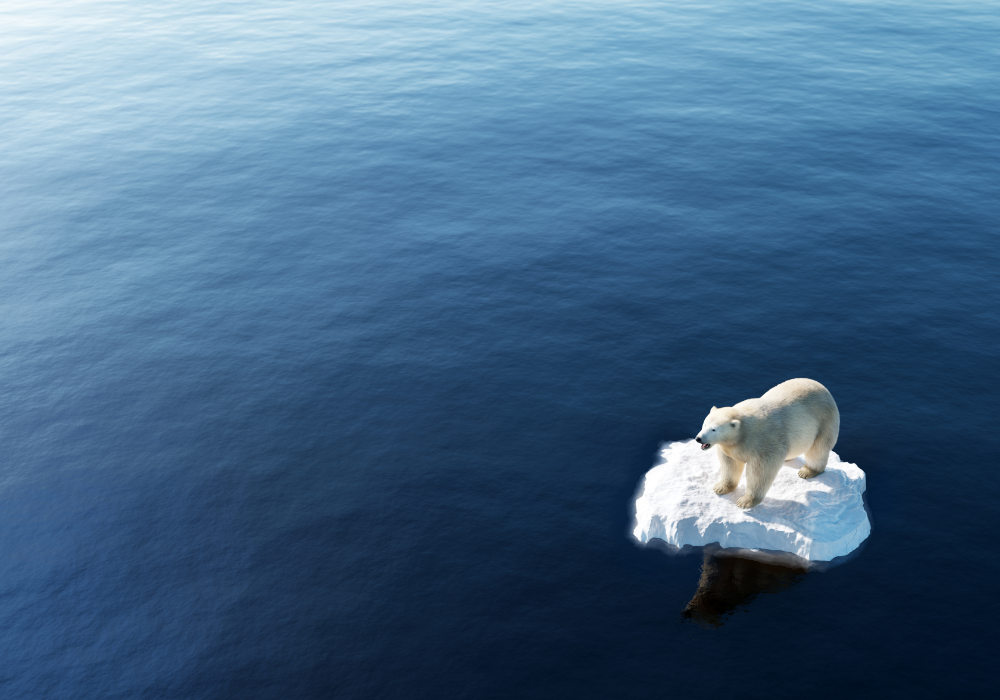
Arctic sea ice plays a key role in regulating the Earth’s climate. When sea ice diminishes, it exposes darker ocean surfaces that absorb more sunlight, accelerating warming. This feedback loop can lead to quicker ice loss, further destabilizing global climate systems.
Such changes have far-reaching effects, influencing weather patterns worldwide. Warmer Arctic conditions alter jet stream behavior, potentially causing unusual weather in mid-latitude regions. Crop yields, infrastructure planning, and energy demands might require adjustments as these shifts become more profound.
6. Disrupted ocean currents altering climate systems and temperature balance.
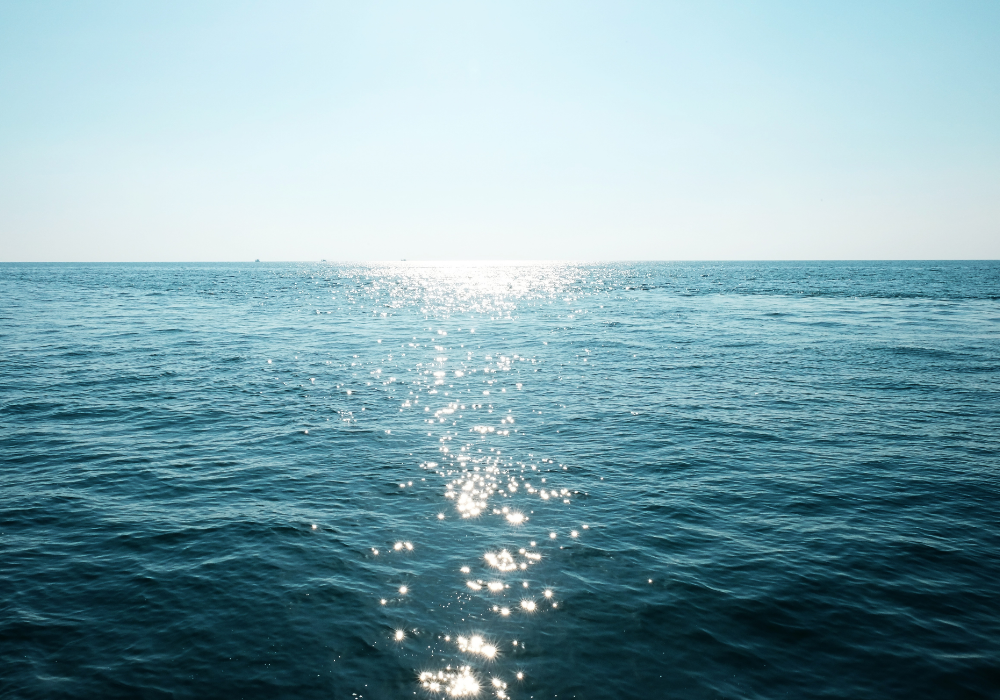
Ocean currents are a crucial component of the planet’s climate system. They distribute heat and nutrients across the globe, significantly impacting temperature and weather patterns. Disruptions, such as altered Gulf Stream flow, can drastically shift climate conditions.
Such changes may lead to unpredictable weather anomalies, including extreme cold spells or heatwaves in various regions. Beyond immediate weather impacts, these shifts influence marine ecosystems and global fisheries, altering species distribution and abundance. Understanding these systems is vital for anticipating future climate changes.
7. Increased wildfires releasing carbon and destroying vital habitats.
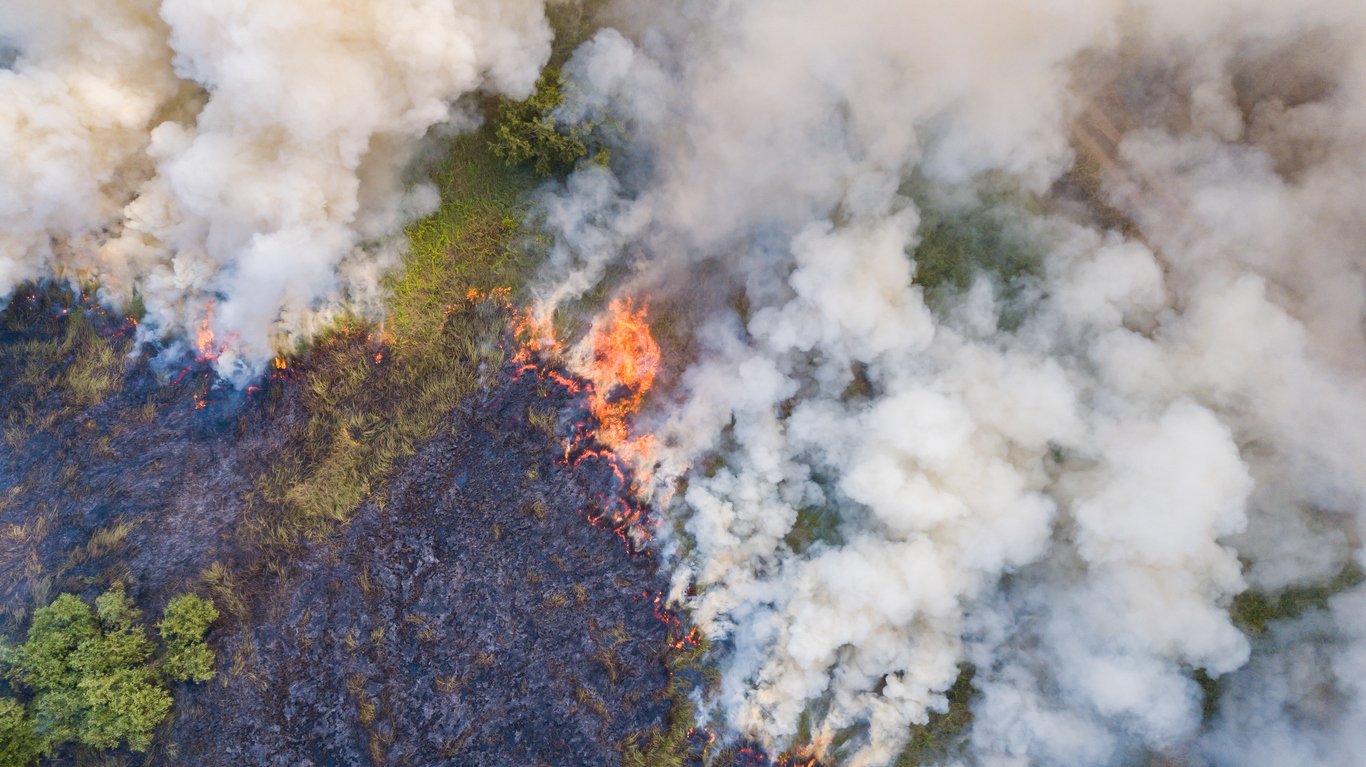
Increased wildfires are both a consequence and cause of climate change. As conditions become hotter and drier, fire frequency and intensity rise. Fires release stored carbon into the atmosphere, exacerbating greenhouse effects and further warming.
The ripple effects are profound. Vital habitats and biodiversity face destruction, while human health suffers from smoke and pollutants. Communities near fire-prone areas find themselves increasingly vulnerable. Addressing these fires involves understanding their complex interaction with broader climate patterns.
8. Desertification expanding due to drought and degrading fertile land.
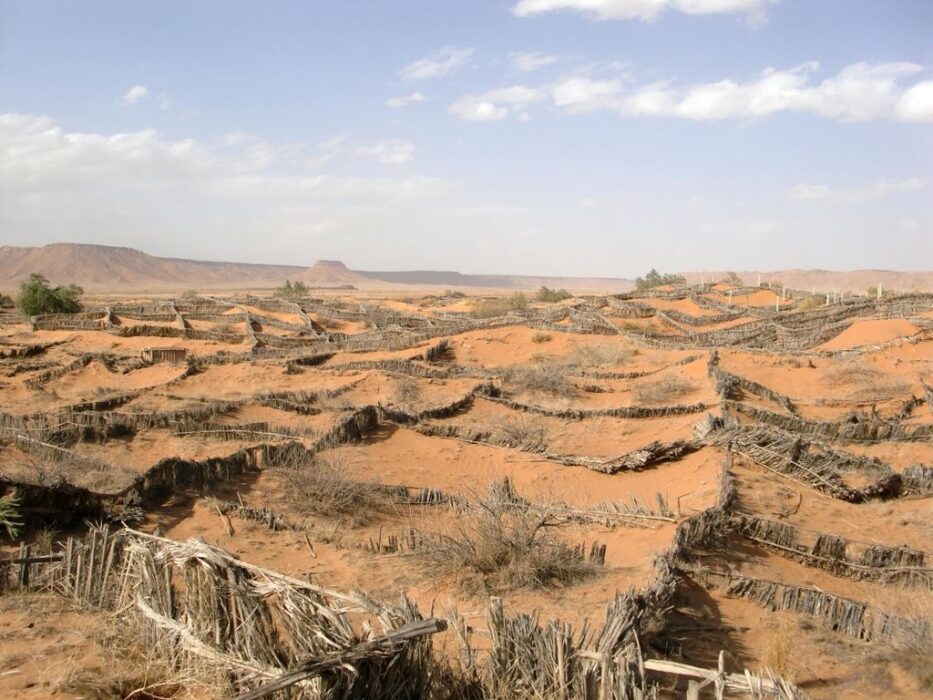
Desertification expands when persistent droughts degrade fertile land. Over time, vegetation cover diminishes, and soil loses its productivity. Acts as a catalyst for climate change by reducing land’s ability to store carbon, thereby affecting agriculture and food security.
Local communities relying on agriculture face stark economic and nutritional challenges. As lands become less arable, migration pressures may increase, straining existing resources in neighboring areas. Building resilience requires systemic approaches that address both immediate and long-term impacts.
9. Shrinking glaciers reducing freshwater availability for millions worldwide.
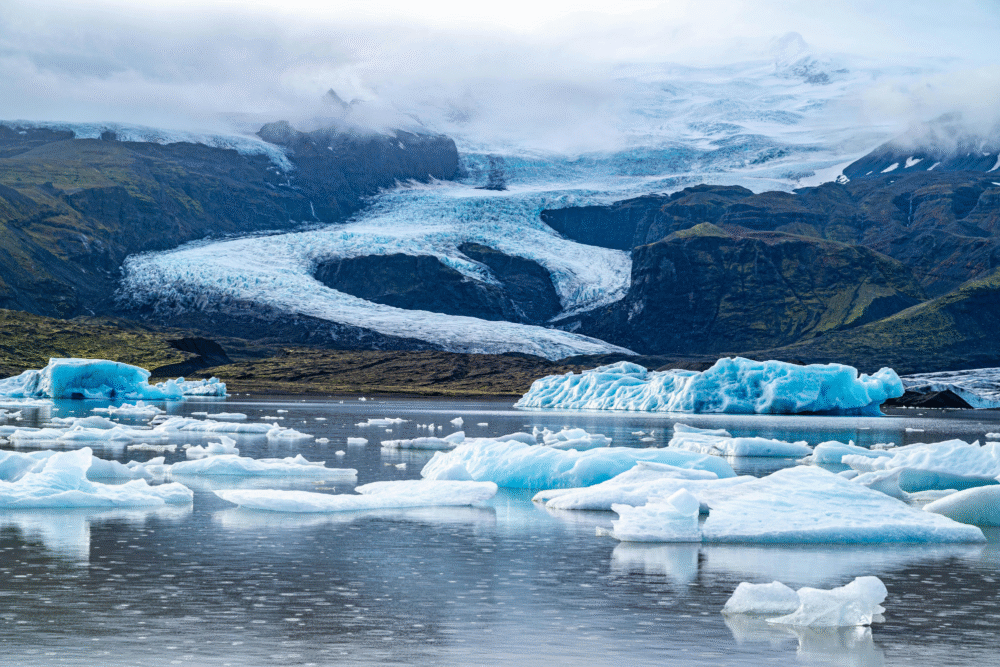
Glaciers, crucial freshwater sources, are diminishing as global temperatures climb. Meltwater from glaciers feeds rivers and lakes, supporting millions globally with drinking water and agriculture. As glaciers shrink, water availability diminishes, posing significant threats to livelihoods.
Regions dependent on glacial meltwater face heightened water scarcity and potential conflicts over allocation. Environmental changes often shift water flows unpredictably, disrupting local ecosystems and human activities. Adapting to these shifts demands innovative water management strategies and cross-regional cooperation.
10. Ocean acidification harming marine life and impacting global fisheries.

Ocean acidification occurs when excess atmospheric CO2 dissolves in seawater, affecting marine life. Acidified waters impede the formation of calcium carbonate, essential for organisms like corals and shellfish. Population declines could severely impact global fisheries.
Aside from biological implications, economic repercussions for fishing industries are considerable. Coastal communities relying on fishing may experience drastic changes in livelihoods. This scenario emphasizes the interconnectedness of climate systems and human economies, highlighting the need for comprehensive understanding and potential adaptation strategies.