
Ancient engineering marvels continue to challenge modern materials science and construction techniques.

Many ancient technologies demonstrate levels of sophistication that remain difficult for today’s engineers to replicate. From the mysterious gears of the Antikythera Mechanism to the durable Roman concrete and intricately patterned Damascus steel, these inventions reveal deep knowledge of materials and craftsmanship. Modern science, archaeology, and engineering continually explore these technologies, seeking to understand their construction and properties. These ancient methods offer valuable lessons about sustainability, precision, and innovation that resonate in contemporary engineering challenges.
1. The Antikythera Mechanism remains a mysterious ancient Greek analog computer.
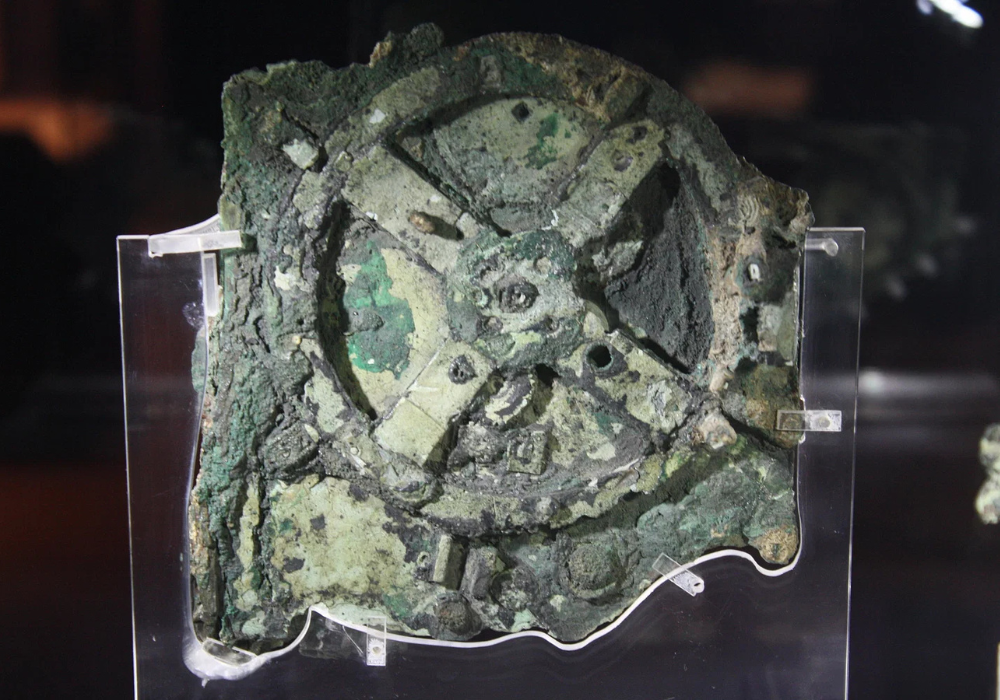
Greek artisans crafted the Antikythera Mechanism, an intricate device mimicking the cosmos through gears, dials, and pointers. Encased in a corroded bronze shell, this analog computer predicted astronomical positions and eclipses. Engineers today unravel its mechanics but still debate its intended precise use.
Despite possessing advanced computer models, replicating the ancient Greeks’ sophistication in creating mechanical cosmic calendars presents lasting challenges. The mechanism’s complexity underscores ancient Greek ingenuity in metallurgy and precision engineering, fields that still captivate researchers seeking to fully reconstruct its delicate functions.
2. Roman concrete’s durability challenges modern engineers aiming for longevity.
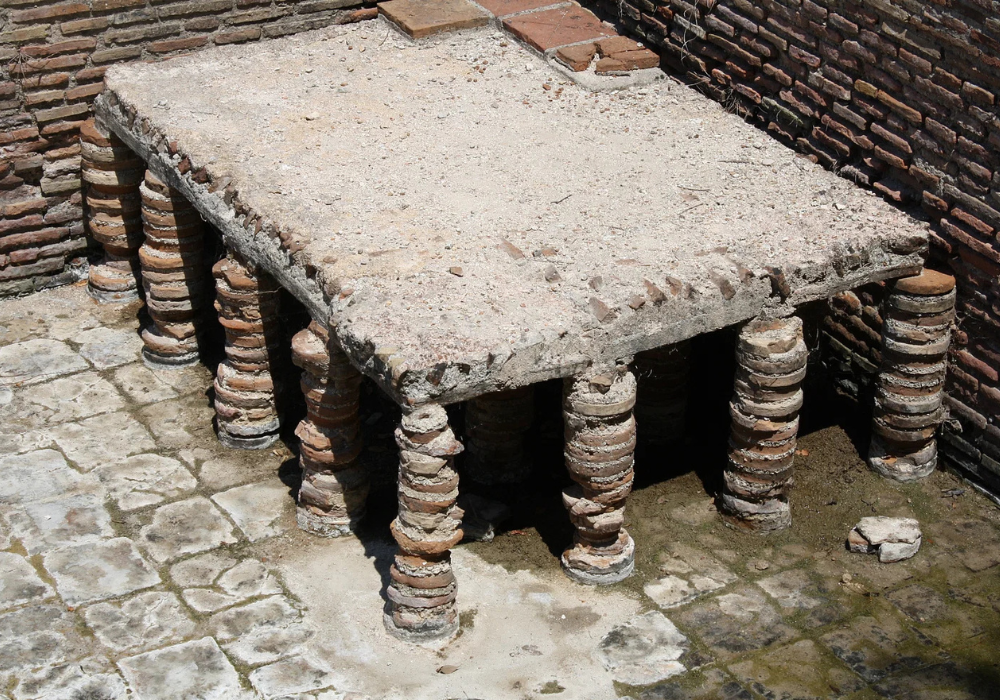
Harnessed by Romans, ancient concrete endures millennia, baffling modern architects. Volcanic ash, lime, and seawater formed a unique bond, enabling structures like the Pantheon dome to persist. This tenacity over time remains unmatched by many contemporary materials.
Modern engineers continually investigate this ancient blend, striving to replicate its durability. The mystery lies in the precise mix ratios and environmental context, offering insights into sustainable construction. Long-term resilience of such materials offers a template for improving today’s infrastructure longevity.
3. Damascus steel’s unique strength and patterns elude precise modern replication.
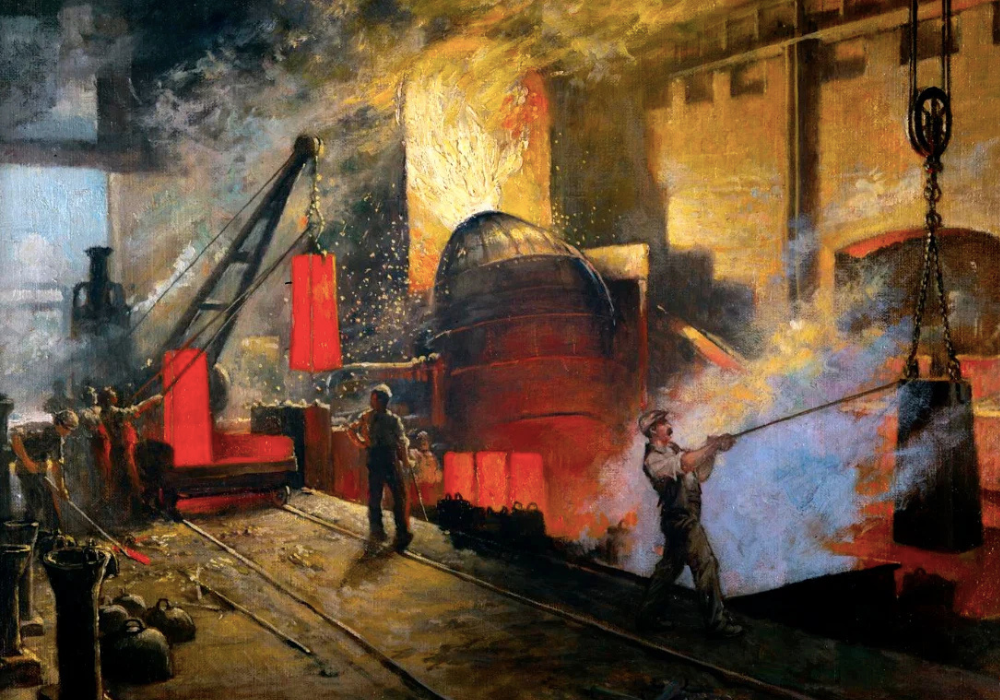
Renowned for its wavy patterns and legendary sharpness, Damascus steel combined iron and carbon in a metallurgical marvel. These blades, originating from the Near East, boasted flexibility and durable edges. Exact techniques for crafting this steel have vanished over centuries.
Modern metallurgists endeavor to recreate these distinct features, yet the precise chemical processes and cooling methods remain elusive. This challenge illustrates the sophisticated ancient understanding of metallurgy and invites current engineers to explore traditional practices alongside modern science.
4. The Baghdad Battery raises questions about ancient electrical knowledge.
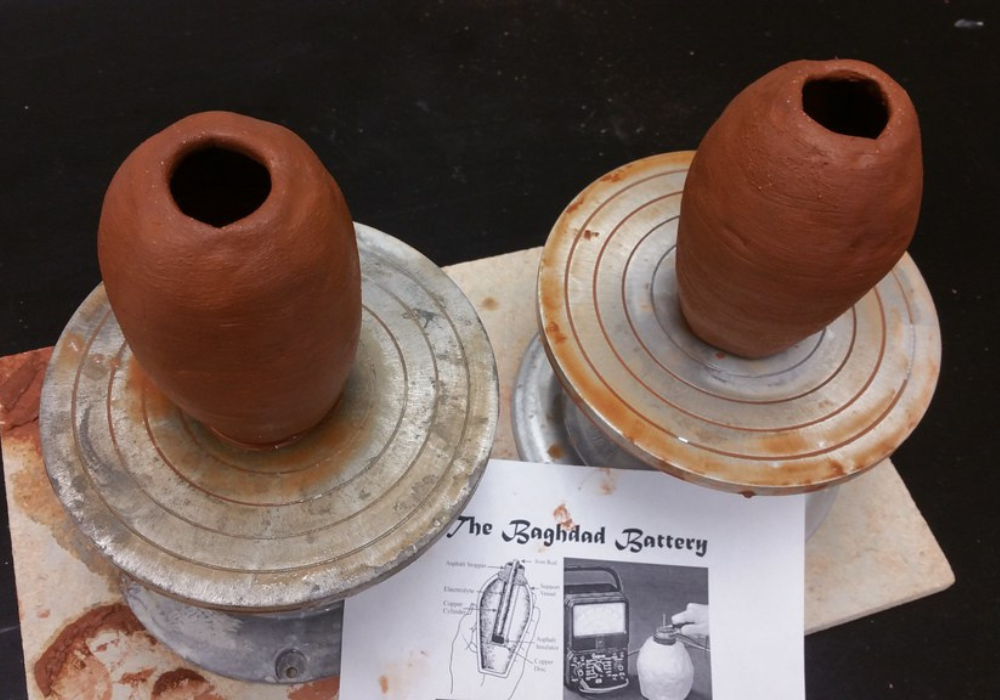
The Baghdad Battery intrigues historians with the possibility of ancient electrical knowledge. Discovered near Baghdad, the artifact is a clay jar containing a copper cylinder, suggesting potential use as a galvanic cell. Its purpose, however, remains speculative amid varied interpretations.
Modern scholars debate whether this might represent an early form of electricity storage or something more mundane. The battery prompts reconsideration of the historical scope of ancient technological sophistication, highlighting potential gaps in our understanding of electrical history.
5. Ancient aqueduct systems showcase engineering feats in water management.
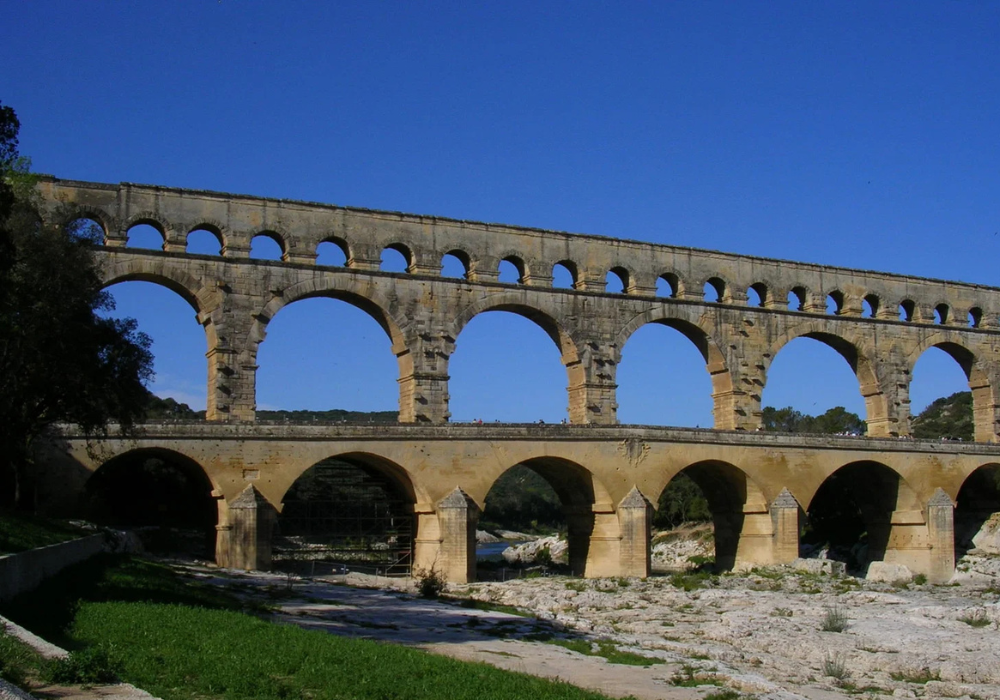
Roman aqueducts transported water across vast distances, demonstrating remarkable ancient engineering prowess. With precisely graded slopes, these structures supplied cities with fresh water, illustrating mastery in hydraulics and construction. Their enduring functionality showcases sustainable water management practices still relevant today.
Despite modern context advancements, ancient aqueducts offer lessons in efficiency and resource utilization. Studying these ancient systems encourages reflection on water conservation methods that parallel contemporary environmental challenges. They embody human ingenuity in tackling resource distribution challenges.
6. Incan terraces demonstrate advanced agricultural engineering on steep slopes.
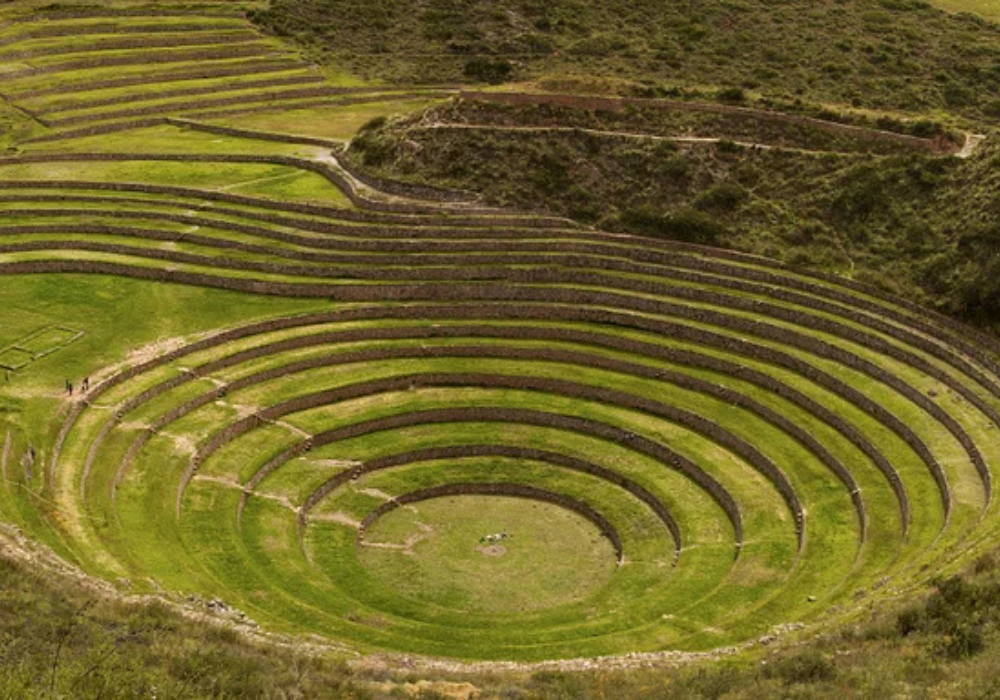
Peru’s Incan terraces display advanced agricultural design harnessing steep Andean slopes. These stepped fields maximized arable land and managed water flow, showcasing intricate hydro-engineering. Adjusting to local conditions, these terraces represent a synergy of agriculture and geography.
Today, agronomists examine these techniques to understand sustainable farming practices. The terraces illustrate the value of adapting farming methods to ecological contexts, offering insights for modern agriculture’s pursuit of efficiency while addressing environmental sustainability.
7. The Archimedes screw reflects ingenious water-lifting technology still admired today.

The Archimedes screw, an ancient device for raising water, exhibited ingenious simplicity. Its helical structure rotated within a cylinder, lifting water with minimal energy. This adaptable design served irrigation, mining, and drainage needs, illustrating timeless insights into engineering efficiency.
Despite newer technologies, the screw’s principles inspire efficient fluid dynamics applications today. Its continual relevance in modern engineering reflects the enduring utility of ancient understanding, emphasizing foundational mechanics applicable across diverse industries.
8. Egyptian pyramid construction techniques continue to puzzle modern builders.
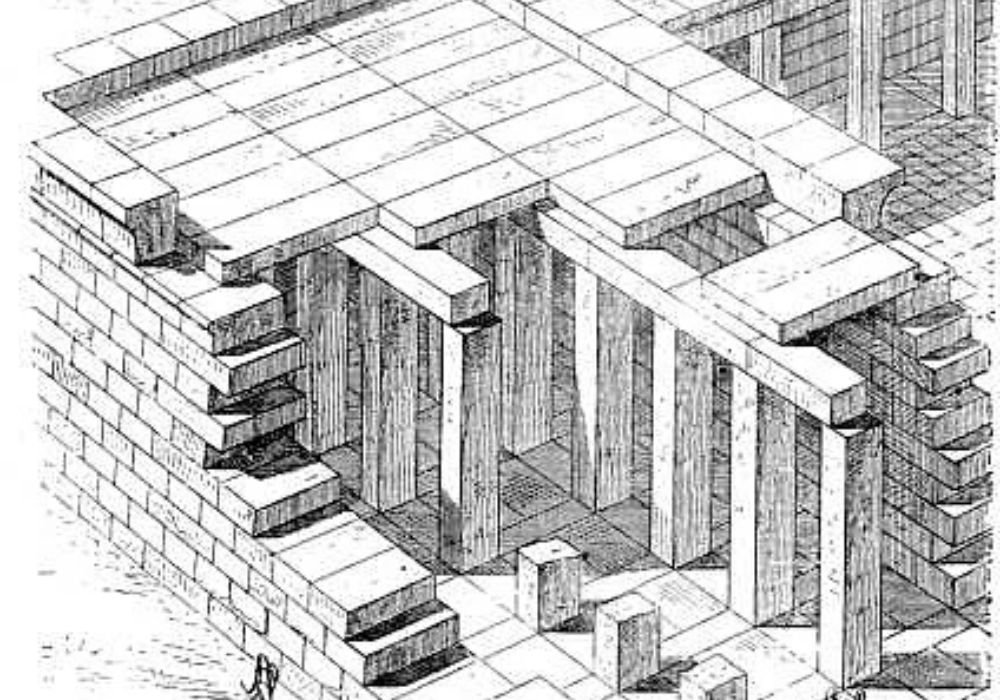
Enormous in scale and precise in construction, Egyptian pyramids present engineering enigmas. These massive stone structures continue to intrigue with their alignment and enduring stability. Building them involved not only manpower but also tools and methods lost to time.
Explorations into how such monumental architecture was achieved reveal ancient Egyptians’ profound knowledge and resourcefulness. Current builders admire these pyramids, accepting that some mysteries will persist while acknowledging the possibility of applying ancient lessons to contemporary challenges.
9. The Nabataean rock-cut architecture blends complex design with natural stability.

Nabataean architects carved intricate cityscapes into sandstone cliffs, blending beauty with functionality. Their rock-cut architecture in places like Petra reflects an understanding of natural stability and aesthetics. These structures remain well-preserved, attracting admiration from modern architects.
This ancient craftsmanship involved both aesthetic sense and weathering resilience. Studying these ancient sites, researchers gain insight into building methods and materials that harmonize with nature, suggesting sustainable architectural practices applicable today.
10. Greek fire illustrates an early form of incendiary weapon technology.

Enveloped in mystery, Greek fire was a potent incendiary agent reputed to burn on water. Used in naval warfare by the Byzantines, its exact composition has been lost. Ancient records suggest it was a crucial defensive tool, yet precise ingredients remain unclear.
Attempts to recreate its effects have produced varying results, challenging chemists and historians. The legend of Greek fire underscores the suspense inherent in historical warfare technologies, inviting continued investigation into both its strategic use and compositional secrets.
11. The Antlia pump concept displays ancient fluid mechanics understanding.

Revolutionizing fluid mechanics, the Antlia pump utilized a suction and compression system to move liquids. Its design demonstrated understanding of atmospheric pressure principles in the ancient world. This pioneering technology highlights early advancements in practical mechanics and resource management.
Engineers appreciate the Antlia’s ingenuity, exploring its principles for modern applications. The pump represents an intersection of historic mechanical concepts and enduring utility, illustrating how ancient innovations can influence contemporary engineering thought and practices.