
These influential figures rejected religion and embraced reason, science, or humanism instead.
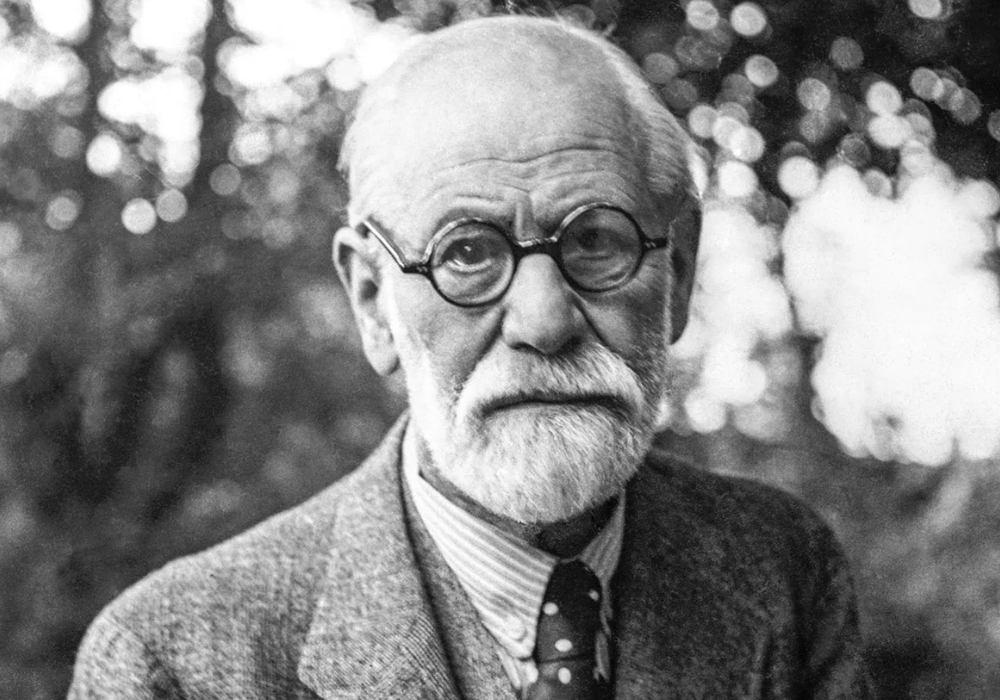
Throughout history, many of the world’s most influential thinkers, artists, and leaders challenged not only political or cultural norms but also religious traditions. While faith shaped much of human civilization, some figures openly rejected it, choosing instead to embrace reason, science, philosophy, or personal ideals of freedom and creativity. Their willingness to question divine authority often came at great personal cost but also paved the way for new ideas about morality, meaning, and human potential. By examining their beliefs, we gain insight into how atheism influenced culture, progress, and the way we understand truth.
1. Charles Darwin embraced scientific inquiry and questioned traditional religious beliefs.
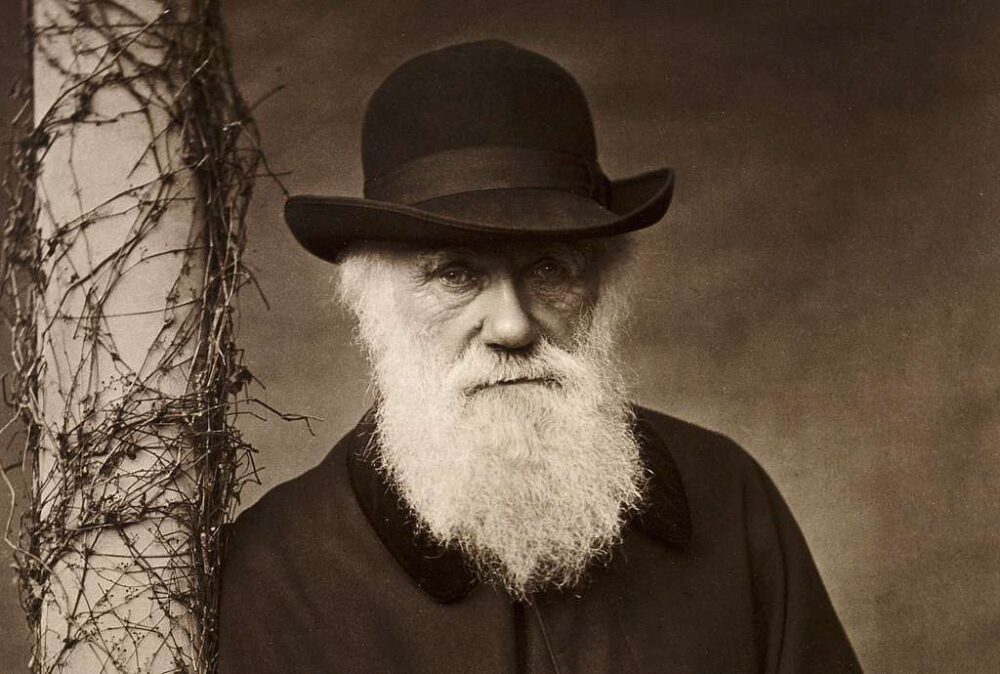
Charles Darwin’s groundbreaking work led him to challenge conventional religious doctrine. His study of natural selection and evolution provided a scientific framework that often conflicted with traditional creationist views. Darwin’s observations of finches in the Galápagos Islands are a vivid example of this shift in thinking.
Rather than rejecting the concept of a creator outright, Darwin focused on evidence-based explanations. His commitment to scientific inquiry over religious belief did not negate his respect for others’ faith. Instead, it demonstrated the diversity within atheism, where questioning and exploration coexist with respect for differing beliefs.
2. Bertrand Russell championed rationalism and skepticism throughout his philosophical works.
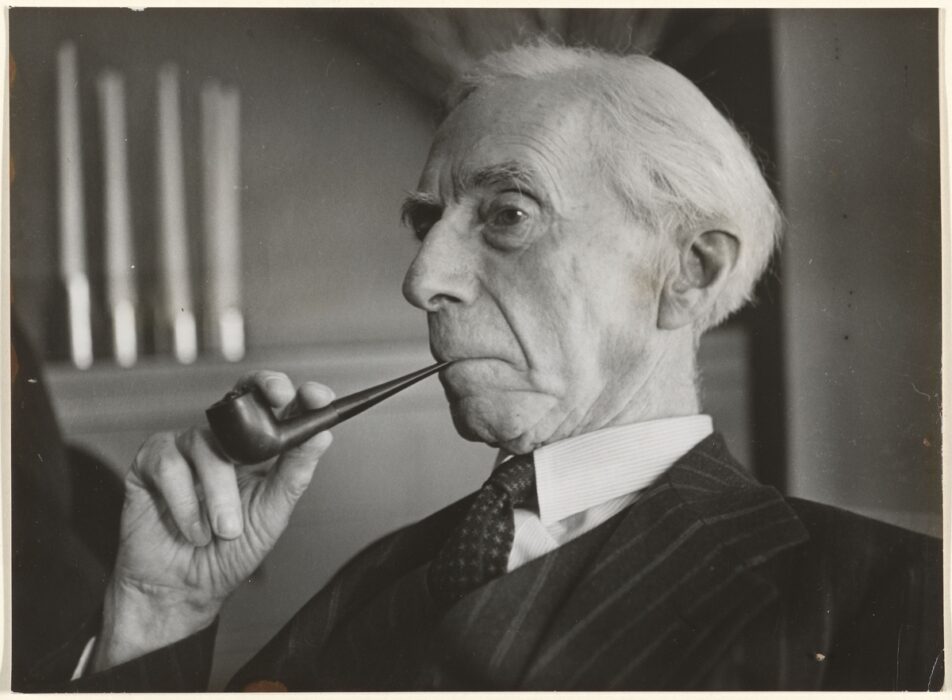
Bertrand Russell’s career was marked by a rigorous commitment to rationalism and skepticism. He critiqued the logical inconsistencies he saw in religious doctrines and promoted a human-centered approach to morality. Russell’s essays presented a clear-eyed focus on reason as the path to understanding.
While his skepticism led him away from organized religion, it simultaneously opened spaces for ethical discourse rooted in logic. Russell’s emphasis on free inquiry reflects an aspect of atheism grounded in questioning rather than blanket denial. He illustrated the intellectual diversity among atheists, reaching beyond simple unbelief.
3. Thomas Paine promoted reason and deism during the Enlightenment age.

Thomas Paine was a pivotal figure of the Enlightenment, advocating for reason over dogma. His book, ‘The Age of Reason’, underscores his commitment to deism—a belief in a creator based on reason rather than revelation or faith. Paine’s ideas challenged coercive religious authority.
Influencing both his contemporaries and future generations, Paine’s work expanded the scope of rational thought. Unlike atheism that outright denies a deity, deism acknowledges divine creation but dismisses ongoing intervention. His contributions highlight the spectrum of belief systems intersecting with secularism while uplifting intellectual freedom.
4. Marie Curie focused on empirical evidence and scientific discoveries without religion.
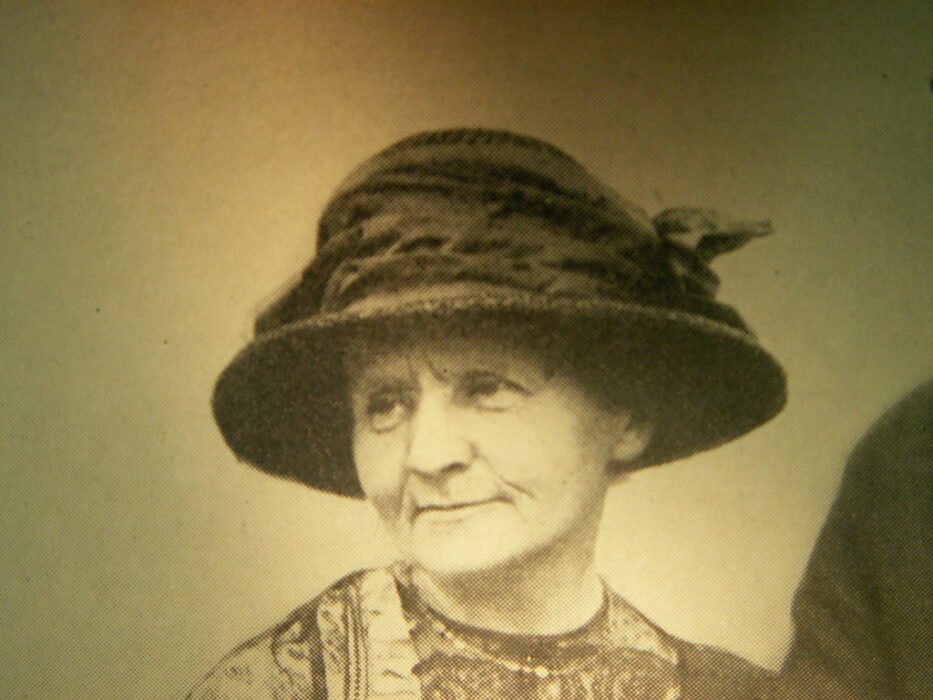
Marie Curie focused on the tangible world, relying on empirical evidence to drive scientific discovery. Her research on radioactivity, which won her several Nobel Prizes, underscores a commitment to observable truth over religious interpretation. Science, for Curie, held keys to unraveling the universe’s mysteries.
Curie’s approach marked a departure from invoking divine explanation for scientific phenomena. By emphasizing empirical methods, she stood as a representative of the atheist ideal that values critical inquiry and fosters advancements rooted in human capability. Her work exemplifies atheism’s alignment with scientific exploration.
5. Sigmund Freud viewed religion as a psychological construct rather than divine truth.
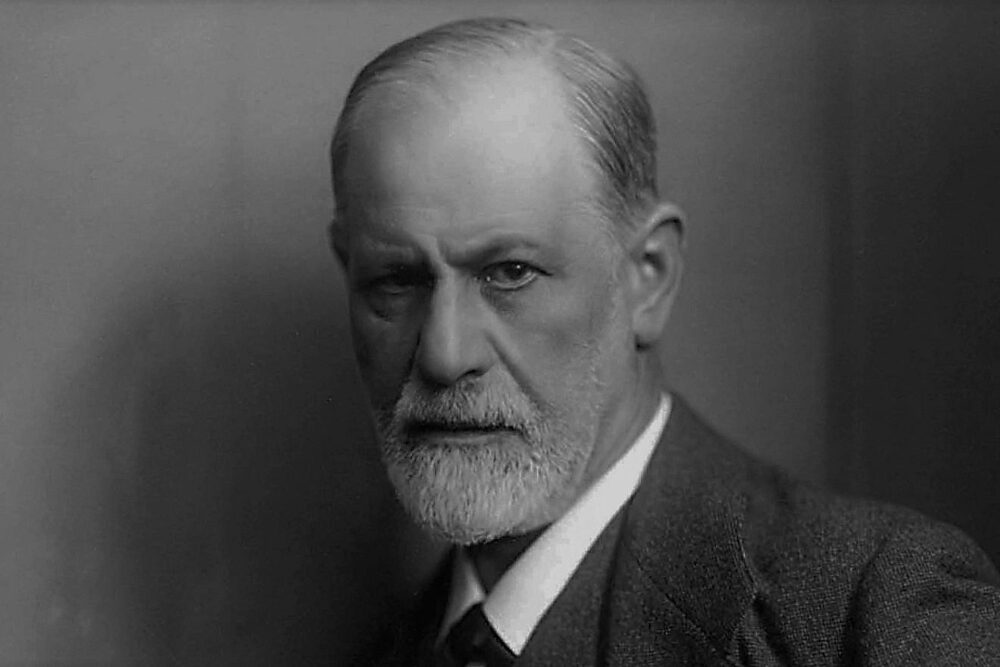
Sigmund Freud saw religion as an illusion, a psychological defense mechanism created by humanity. He argued that religious beliefs arise from a deep-seated need for security and comfort amidst life’s uncertainties. Freud’s psychoanalytic theories positioned religion as a construct rather than a reality.
By examining the psychological underpinnings of faith, Freud contributed to understanding atheism’s complexities. His views tap into the discourse that looks at belief through a rational lens while urging exploration beyond superficial rejection. Freud’s analysis depicts atheism as an evolving intellectual endeavor rather than mere disbelief.
6. Isadora Duncan rejected religion and embraced freedom, art, and human expression.

Isadora Duncan, often called the “mother of modern dance,” was a groundbreaking American dancer who revolutionized performance with her natural, expressive style. Known for defying social and artistic conventions, she also rejected organized religion, calling it restrictive and incompatible with her pursuit of truth and beauty.
Instead of faith in divine authority, Duncan placed her belief in human creativity, love, and the power of art to elevate the spirit. Her philosophy aligned with her artistry—celebrating individual freedom and rejecting dogma. For Duncan, meaning was found not in religion but in self-expression and the human experience.
7. Jean-Paul Sartre developed existentialism emphasizing personal freedom without God.
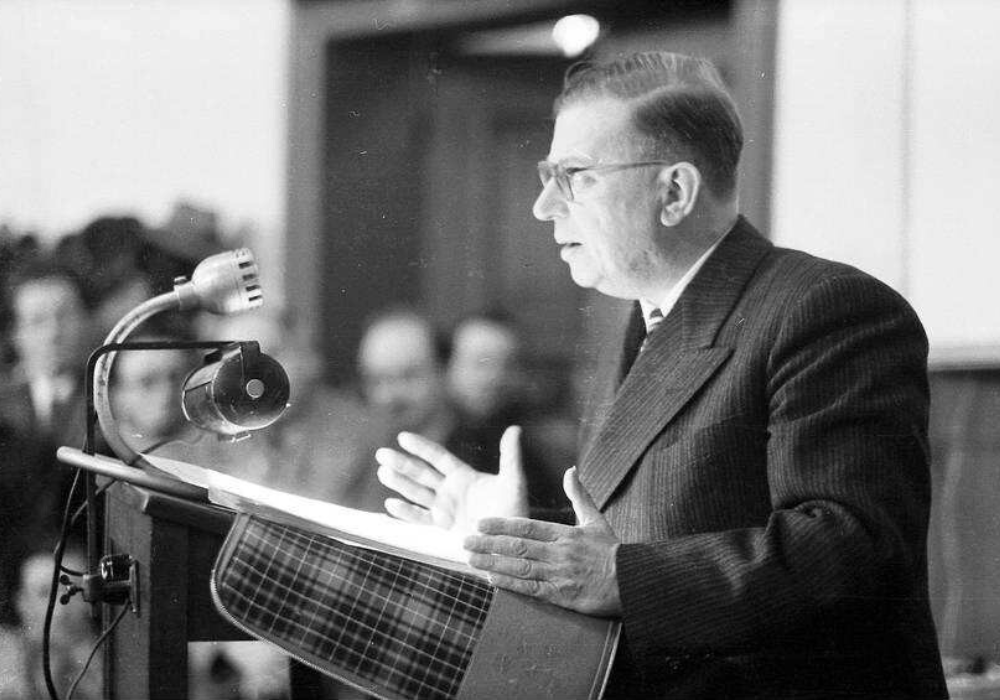
Jean-Paul Sartre’s existentialism emerged with an intense focus on personal freedom and authenticity, devoid of divine oversight. He posited that humans must create their paths without preordained essence, captured vividly in his assertion that existence precedes essence. This philosophy reshaped notions of agency and responsibility.
Without a divine script, Sartre’s existentialism emphasizes the weight of personal choices. Such a worldview showcases an atheism deeply intertwined with humanism and individual empowerment. By denying divine authority, Sartre elevated the role of individual decision-making, underscoring the richness of atheist thought.
8. Friedrich Nietzsche famously declared the death of God in his philosophy.
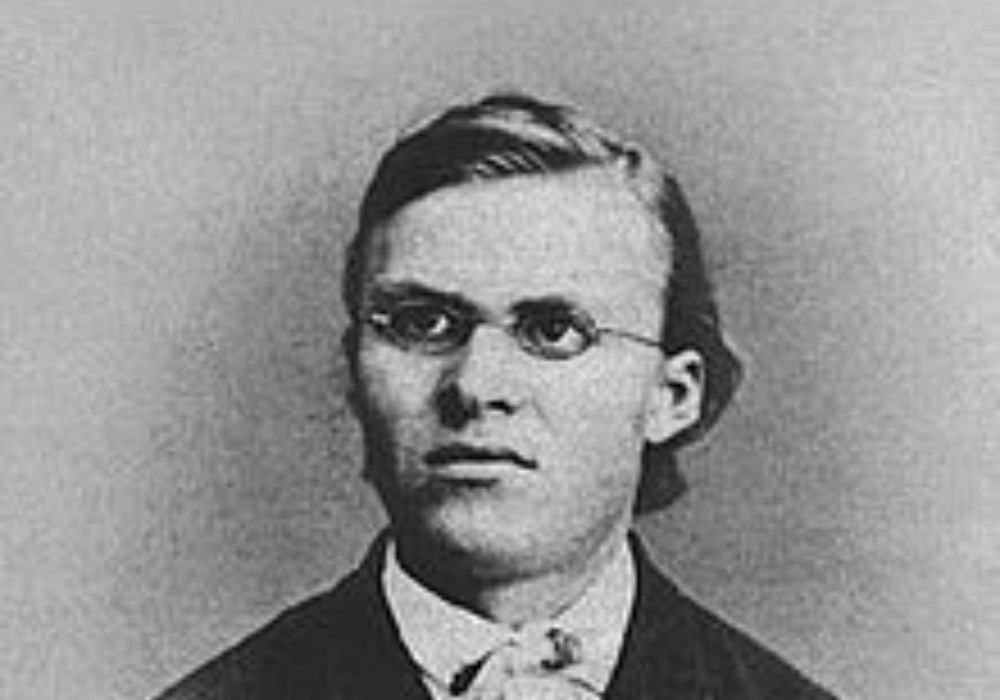
Friedrich Nietzsche is often remembered for stating that ‘God is dead,’ conveying a fundamental shift in understanding morality without divine intervention. He critiqued traditional moral values, advocating instead for personal re-evaluation and self-derived purpose. Nietzsche’s philosophy challenges traditional notions of religious authority and morality.
Steering away from nihilism, he introduced concepts like the ‘Übermensch,’ symbolizing the potential for self-overcoming. Nietzsche’s views encapsulate an aspect of atheism focused on redefining human potential beyond divine constructs. His philosophical depth offers a perspective that embraces complexity over simple rejection.
9. Nikola Tesla pursued innovation guided by science rather than spiritual doctrines.
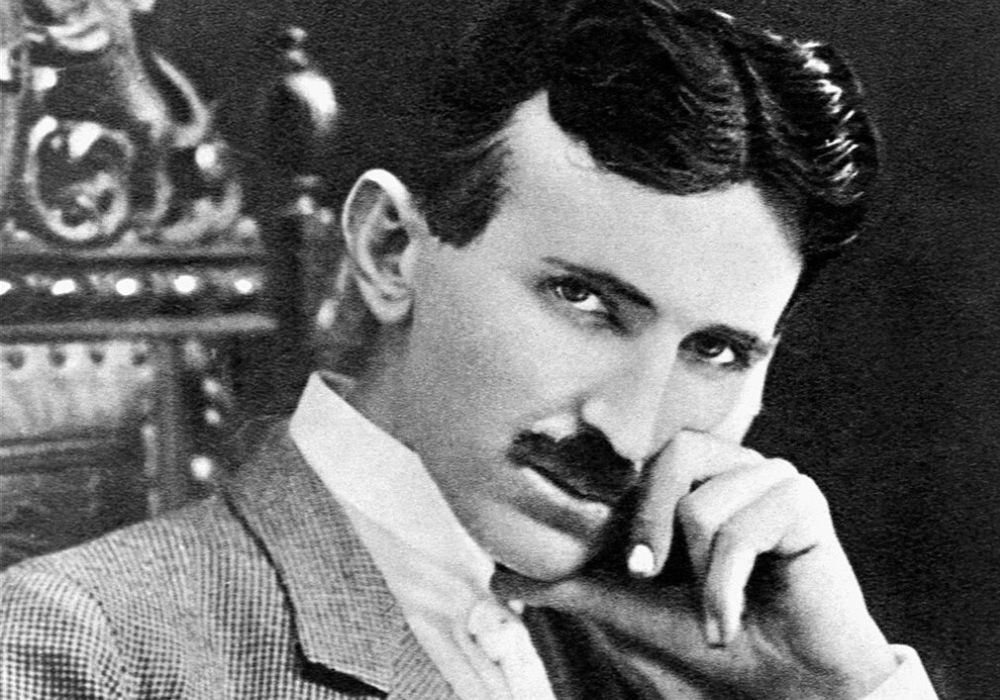
Nikola Tesla was a visionary inventor, driven by relentless curiosity and a deep belief in scientific principles over spiritual doctrines. His work, including the development of alternating current technology, was guided by rigorous experimentation rather than divine inspiration. Tesla’s legacy continues to influence modern science profoundly.
Approaching his innovations with a faith in human ingenuity, Tesla’s scientific pursuits showcase the positive impact of secular thinking. Illustrating atheism’s alignment with progress, his pioneering spirit extended beyond conventional boundaries, celebrating the potential self-realized through empirical discovery and creativity.