
The question of why life exists continues to challenge scientists and philosophers alike.
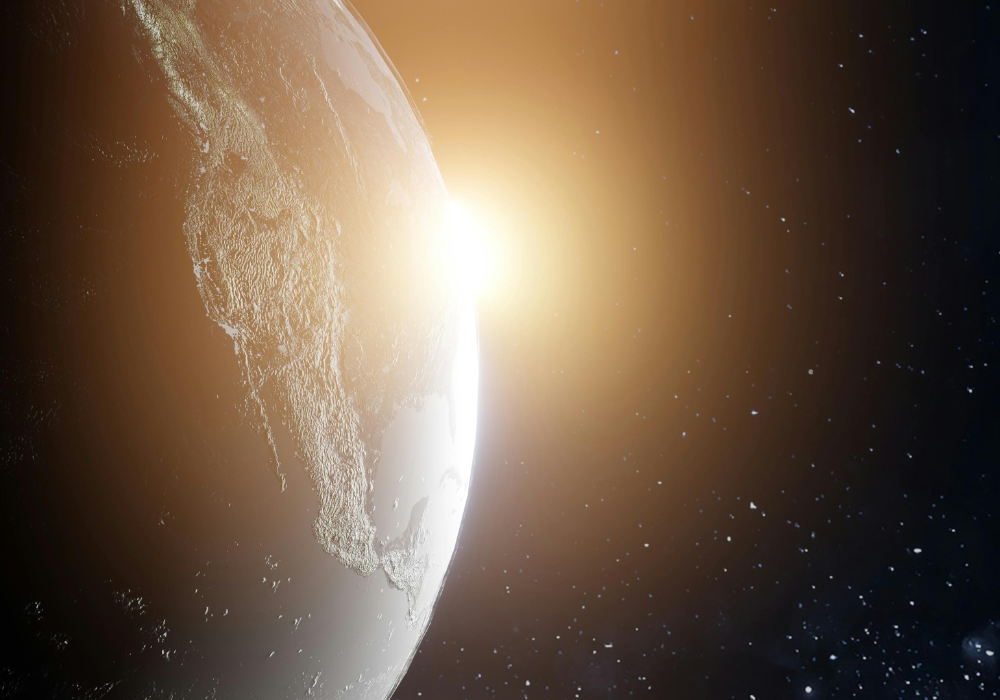
Why life exists remains one of science’s most profound and unsettled questions. Earth is the only known planet where life has emerged, but researchers believe the basic ingredients, including carbon, water, and energy, are widespread across the universe.
Scientists studying abiogenesis, the process by which life arises from non-living matter, point to conditions on early Earth that may have allowed chemistry to become biology. Others explore whether life could be an inevitable outcome of physics and evolution.
While no single theory answers the question, ongoing research continues to reveal how extraordinary and fragile life truly is.
1. Earth Is the Only Known World With Life
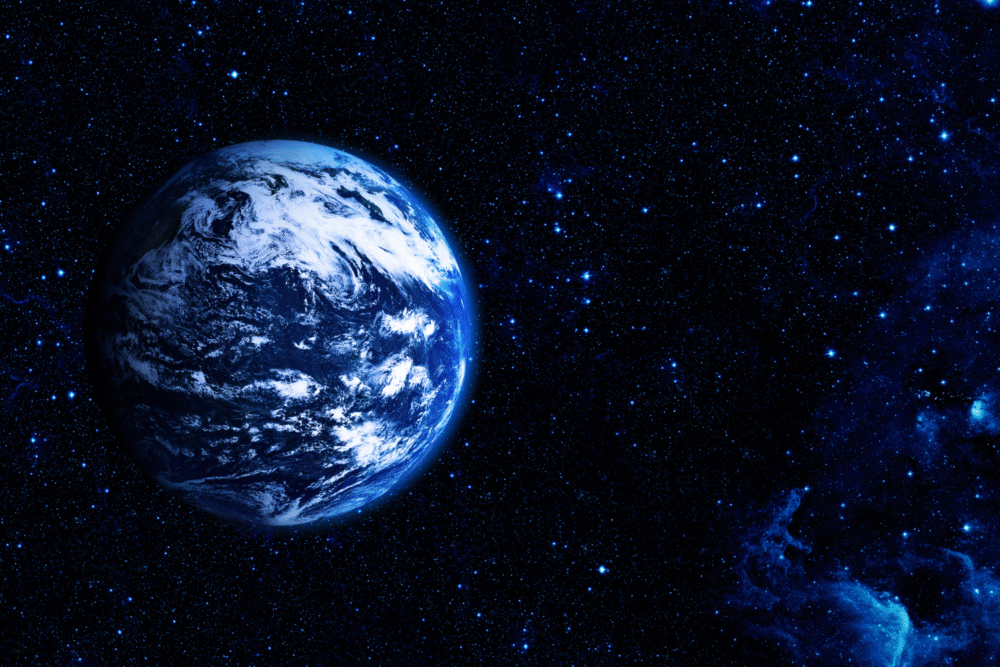
So far, Earth is the only planet where life is confirmed to exist. Despite decades of searching, no signs of living organisms have been detected elsewhere in the solar system or beyond. This makes our planet unique in the scientific record.
The fact that life arose here but not yet found elsewhere raises a central mystery. Did Earth simply have the right conditions at the right time, or is life much more common than we realize, waiting to be discovered on other worlds?
2. Life Likely Began Through Abiogenesis
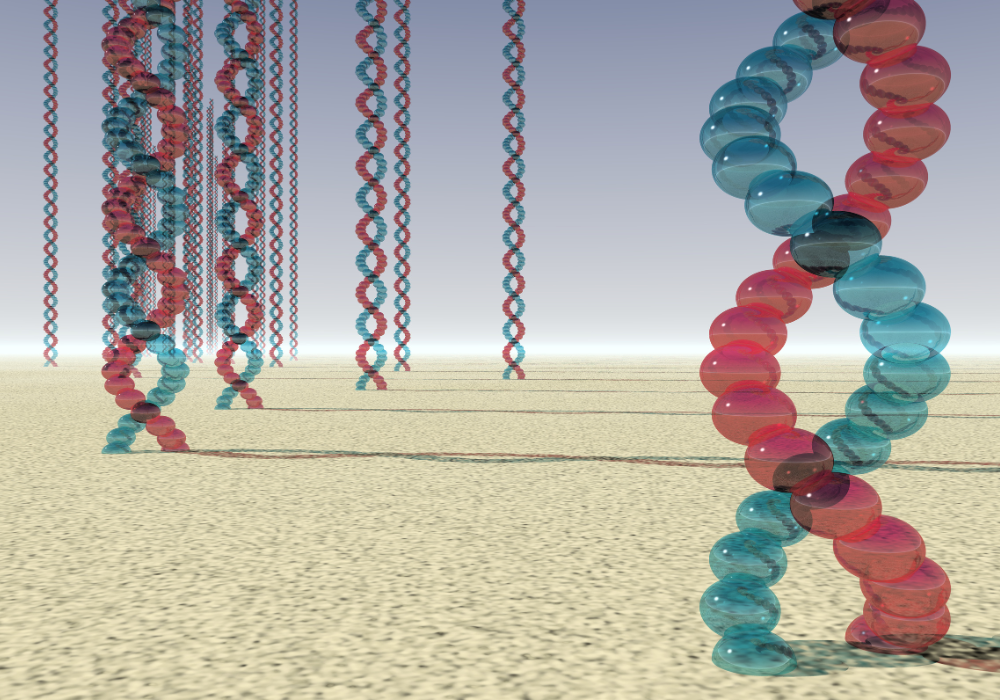
Abiogenesis is the scientific hypothesis that life originated from non-living matter through natural processes. On early Earth, chemical reactions involving water, simple molecules, and energy may have gradually built complex organic compounds.
Experiments such as the Miller-Urey test in 1953 showed that amino acids—the building blocks of proteins—could form under simulated early Earth conditions. While no experiment has fully recreated life from scratch, evidence suggests that abiogenesis is the most plausible explanation for how biology emerged from chemistry.
3. Early Earth Had the Right Conditions
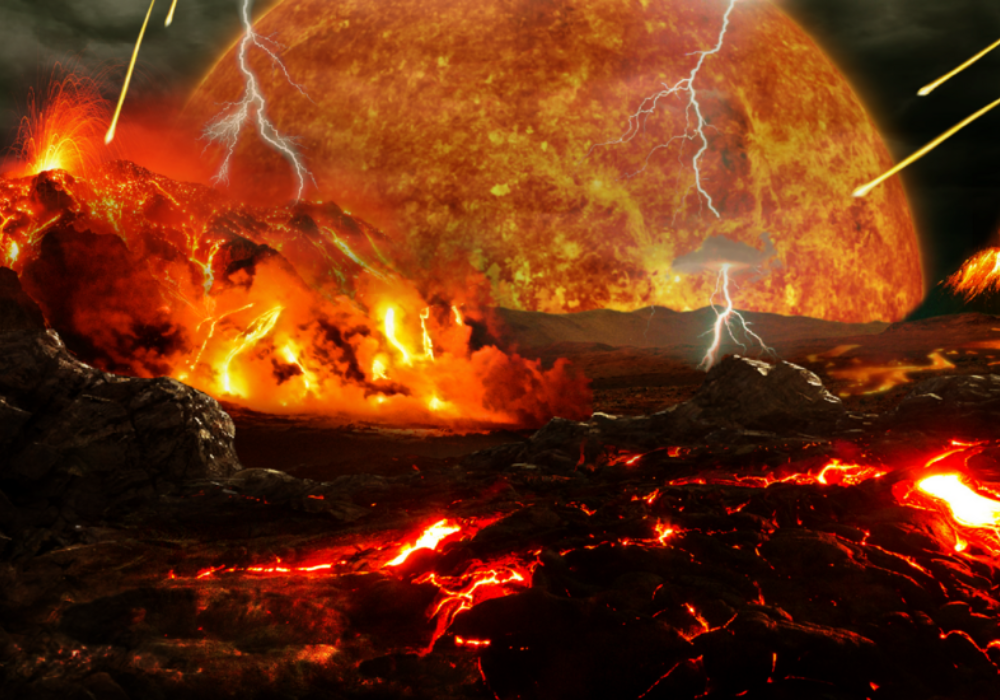
Billions of years ago, Earth had a mix of factors that made life possible. Liquid water covered large portions of the surface, volcanic activity released gases, and lightning storms supplied energy for chemical reactions.
These conditions allowed molecules like carbon dioxide, methane, and ammonia to interact and form more complex compounds. Over time, these building blocks may have assembled into the first self-replicating systems. Earth’s stability and long stretches of geological time gave these processes the opportunity to succeed.
4. RNA May Have Been the First Genetic Material
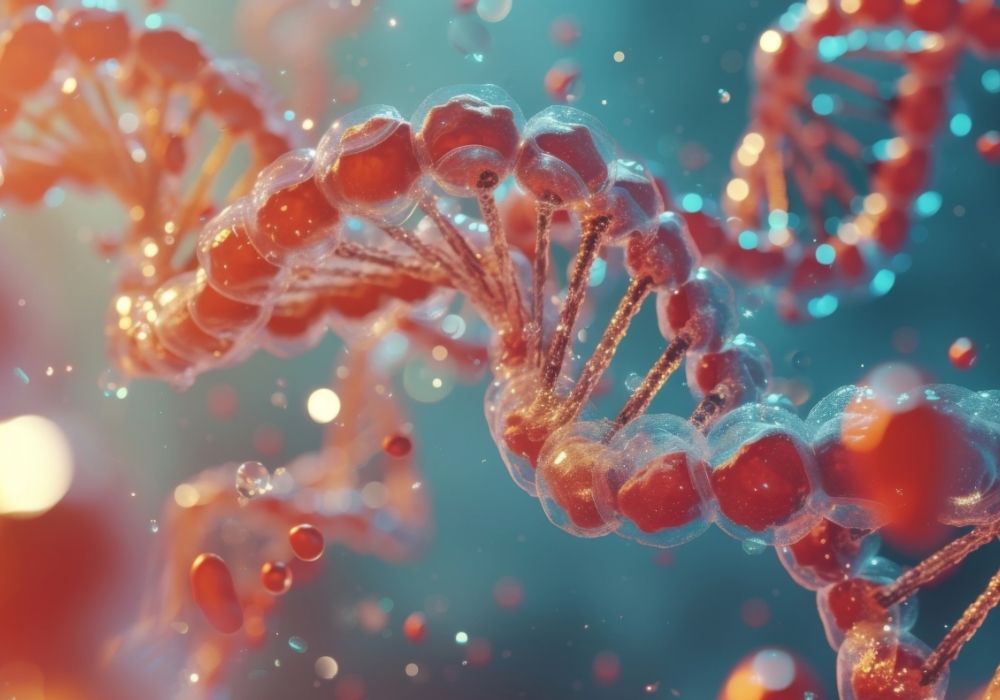
One leading idea in origin-of-life research is the “RNA world” hypothesis. RNA, a molecule similar to DNA, can both store genetic information and catalyze chemical reactions. This makes it a strong candidate for the earliest form of life.
Laboratory studies show that RNA can self-replicate under certain conditions. If early RNA molecules formed naturally, they may have provided the foundation for evolution. Over time, DNA and proteins likely took over their specialized roles, but RNA may have been life’s first step toward complexity.
5. Hydrothermal Vents Offer Clues
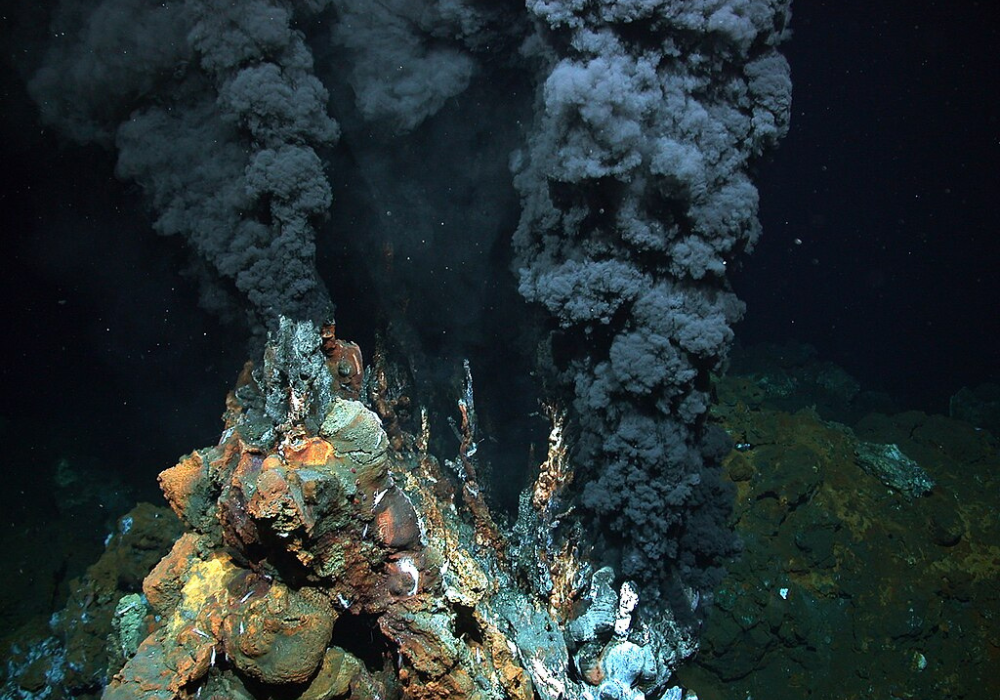
Some scientists believe life may have originated near deep-sea hydrothermal vents. These environments provide heat, mineral-rich fluids, and chemical gradients that could power early metabolic reactions.
Microbes living near these vents today thrive in extreme conditions, suggesting similar organisms could have been among Earth’s first life forms. The protective environment of the ocean floor may have shielded delicate molecules from harmful radiation, making vents a possible cradle of life.
6. Life May Be a Cosmic Phenomenon
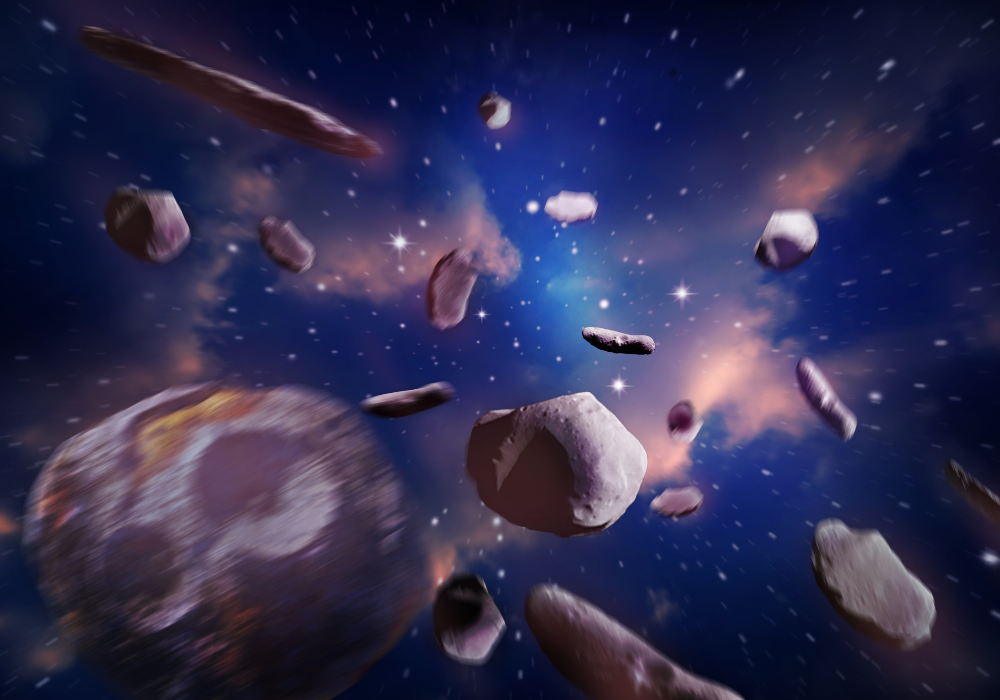
Another possibility is panspermia—the idea that life’s building blocks, or even simple organisms, came from space. Meteorites and comets contain organic molecules, including amino acids, and could have delivered them to early Earth.
While panspermia doesn’t explain life’s ultimate origin, it suggests the universe may be filled with the ingredients for biology. If life began elsewhere and was transported here, it raises the possibility that it could also exist on other planets with similar conditions.
7. Evolution Explains Life’s Diversity

Once life began, Darwinian evolution by natural selection explains how it diversified into millions of species. Random mutations create variation, and beneficial traits are passed on through generations.
This process, operating over billions of years, produced the extraordinary range of organisms on Earth today. From single-celled microbes to complex animals, evolution accounts for life’s adaptability and resilience. While evolution explains how life changes, it does not answer why life exists in the first place.
8. Physics May Make Life Inevitable

Some scientists argue that life is not an accident but an inevitable outcome of physics and chemistry. The laws of thermodynamics drive systems toward complexity, and under the right conditions, self-organizing molecules may naturally emerge.
This perspective suggests that life could arise wherever energy and raw materials are available. If true, biology may be a common feature of the universe rather than a rare event. However, proving inevitability is difficult, since Earth remains the only confirmed example.
9. The Fine-Tuning Question Persists
Life on Earth depends on physical constants such as the strength of gravity and the charge of electrons. If these values were even slightly different, stars, planets, and chemistry as we know them might not exist.
This “fine-tuning” puzzle fuels philosophical and scientific debates. Some propose a multiverse, where countless universes exist with different constants, and we live in one that permits life. Others suggest we simply don’t yet understand why these values fall within a life-friendly range.
10. Life Could Exist Elsewhere in the Solar System
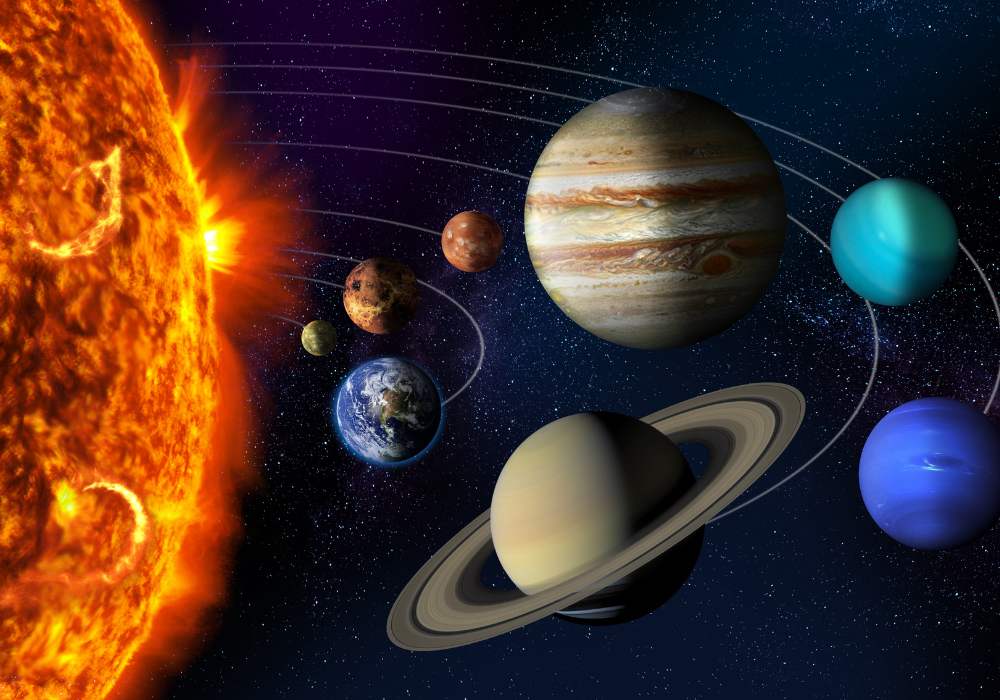
While Earth is unique so far, scientists continue searching for life in the solar system. Mars, Europa, and Enceladus all show evidence of liquid water in the past or present. These environments could host microbial life, even if conditions are harsh.
Future missions aim to sample ice, analyze plumes, and drill beneath surfaces to look for biosignatures. Finding even simple microbes elsewhere would prove life is not confined to Earth, dramatically shifting our understanding of why life exists.
11. Exoplanets Expand the Possibilities
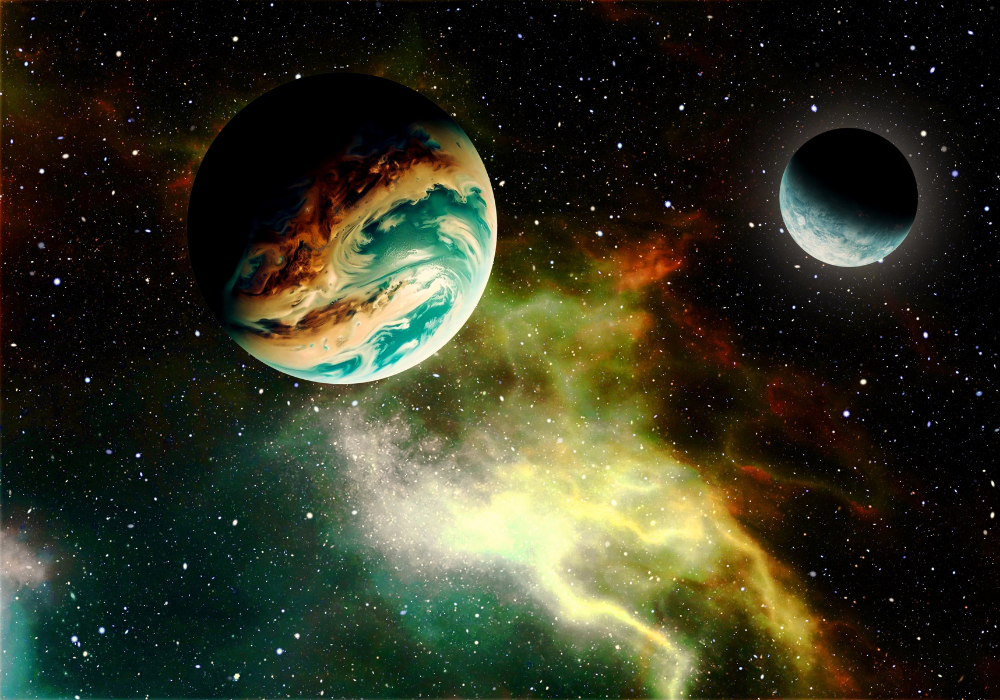
Astronomers have discovered thousands of exoplanets orbiting other stars, and many lie within their stars’ habitable zones. Some of these worlds are rocky and Earth-sized, making them candidates for hosting liquid water.
The sheer number of exoplanets suggests the universe may be full of opportunities for life. While we haven’t detected biosignatures yet, future telescopes could analyze exoplanet atmospheres for signs of biology. If we find life elsewhere, it may help answer whether Earth is unique or one of many living worlds.
12. The Mystery Remains Unsolved

Despite decades of research, the ultimate question of why life exists remains unanswered. Science has uncovered many possible pathways, from chemical evolution on Earth to the possibility of life spreading through space.
Each discovery brings us closer to understanding, but for now, life’s existence is still one of the universe’s greatest mysteries. Whether inevitable, rare, or cosmic in origin, the search continues to reveal how fragile and extraordinary living systems truly are.