
Ancient spiritual traditions shaped civilizations and left legacies we still see today.
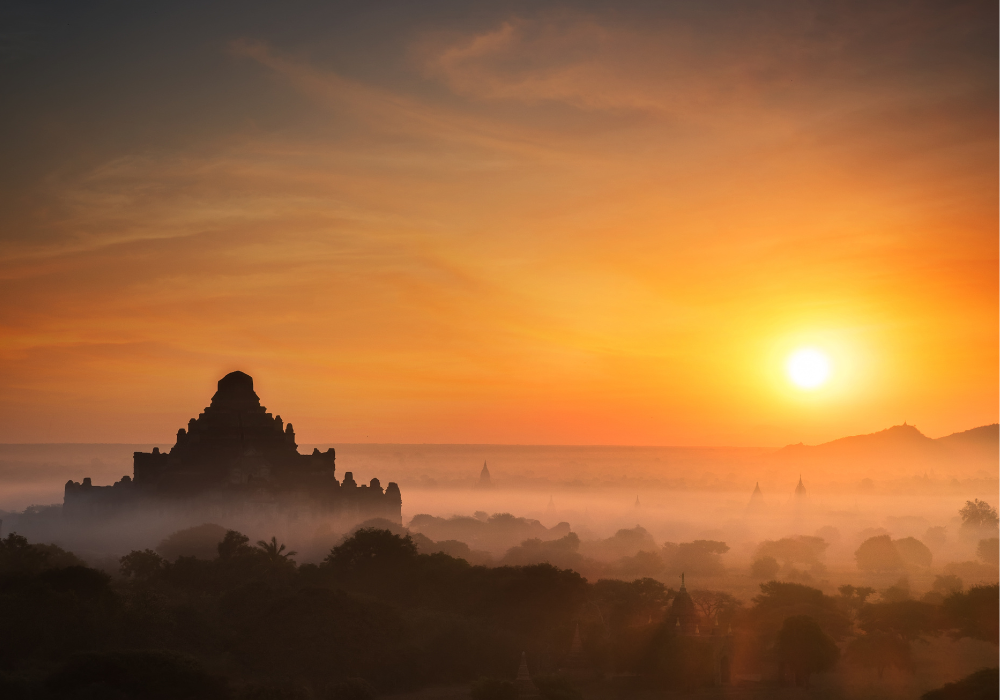
Ancient religions laid the foundation for many modern cultural and spiritual practices, shaping societies across the globe. Each system offered unique perspectives on gods, the cosmos, and human existence, often intertwining mythology with daily life. By understanding these belief systems, we gain insight into the values, rituals, and worldviews that influenced civilizations and continue to resonate in contemporary traditions. This exploration honors their lasting cultural legacies.
1. The core beliefs of ancient Egyptian religion and its gods.
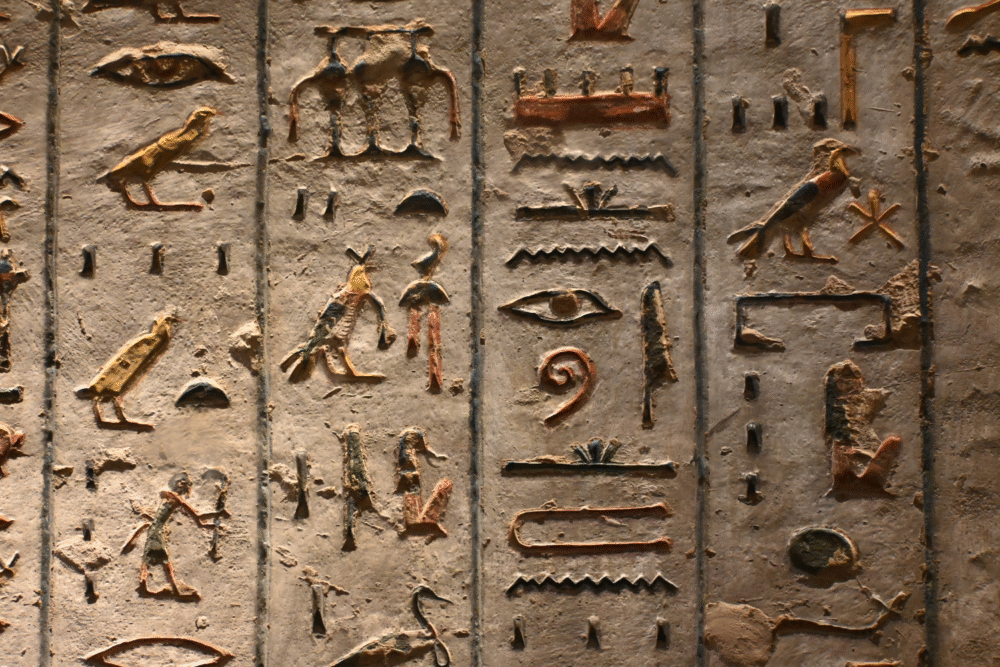
Ancient Egyptian religion centered around a pantheon of gods like Ra, the sun god, and Osiris, the lord of the underworld. These deities influenced all aspects of life, from the flooding of the Nile to the cycle of death and rebirth.
In their rich mythology, gods were often depicted as both animal and human, underscoring a belief in the interconnectedness of all living things. Temples, with their towering columns and colorful reliefs, served as the heart of communal worship and cultural expression.
2. Zoroastrianism and its influence on later faiths.

Zoroastrianism, one of the world’s earliest monotheistic religions, espoused the duality of good and evil, embodied by the god Ahura Mazda and the destructive spirit Angra Mainyu. This belief system profoundly influenced later Abrahamic faiths’ views on morality and afterlife.
Central to its teachings was the concept of human agency; individuals were expected to choose righteous paths to promote universal order and truth. Despite its ancient origins, Zoroastrian practices continue to inform cultural customs, particularly in Persian communities.
3. Ancient Greek religion celebrated a pantheon of powerful deities.
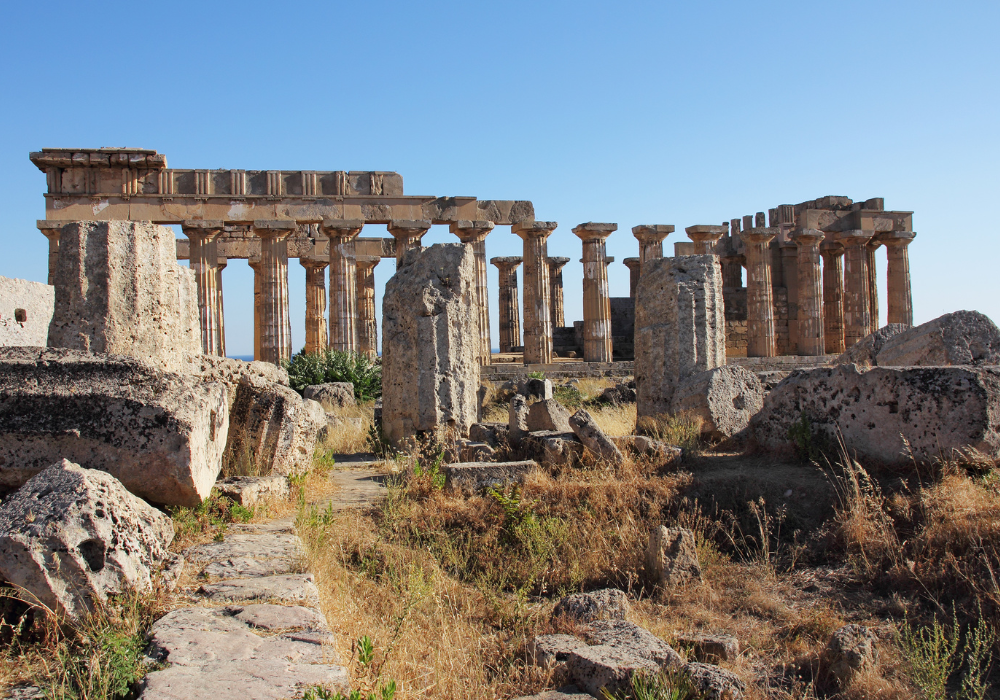
Ancient Greek religion celebrated a pantheon of gods residing on Mount Olympus, each overseeing aspects like war, love, and the harvest. Zeus, the sky god, held the throne, while Athena inspired wisdom and strategic warfare, influencing art and literature for centuries.
The religion’s rituals ranged from grand festivals to simple household offerings, integrating spiritual practice into daily life. Through myths, Greeks taught moral lessons, explained natural phenomena, and explored human experiences, deeply embedding these stories into Western cultural heritage.
4. The rituals and cosmology central to ancient Mesopotamian faiths.
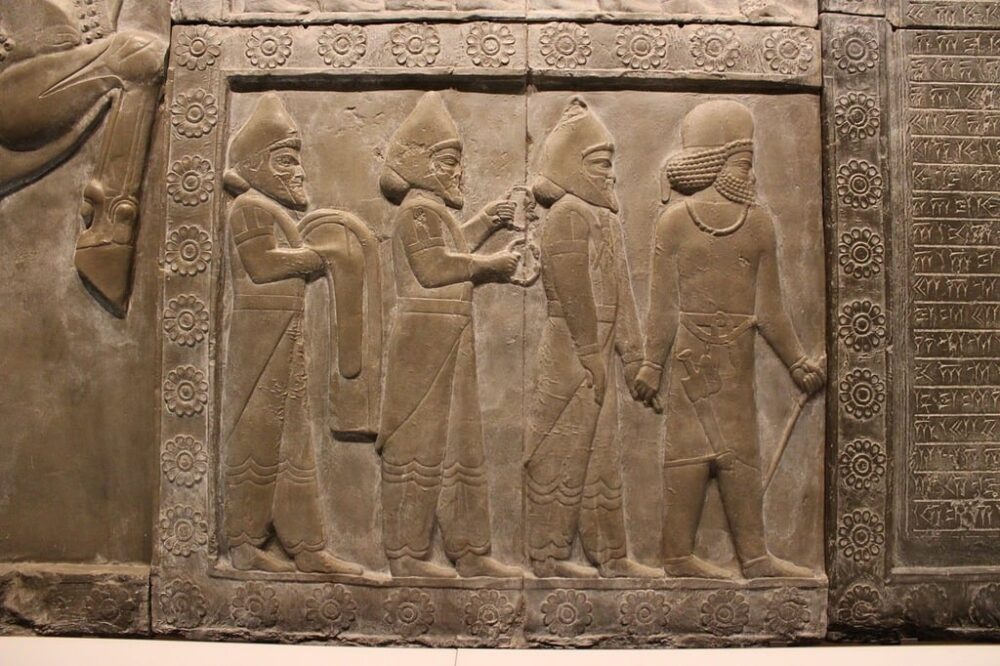
Ancient Mesopotamian faiths revolved around a cosmology of inverted heavens and earth, ruled by gods like Anu, the sky, and Enlil, the wind. Complex rituals ensured favor with these deities, empowering priests to mediate between humans and the divine.
Textured clay tablets reveal details of divine myths, including the epic journey of Gilgamesh, reflecting on mortality and heroism. These narratives and rituals structured societal norms, illustrating the spiritual and political cohesion of early Mesopotamian peoples.
5. Karma and dharma in early Hindu traditions.
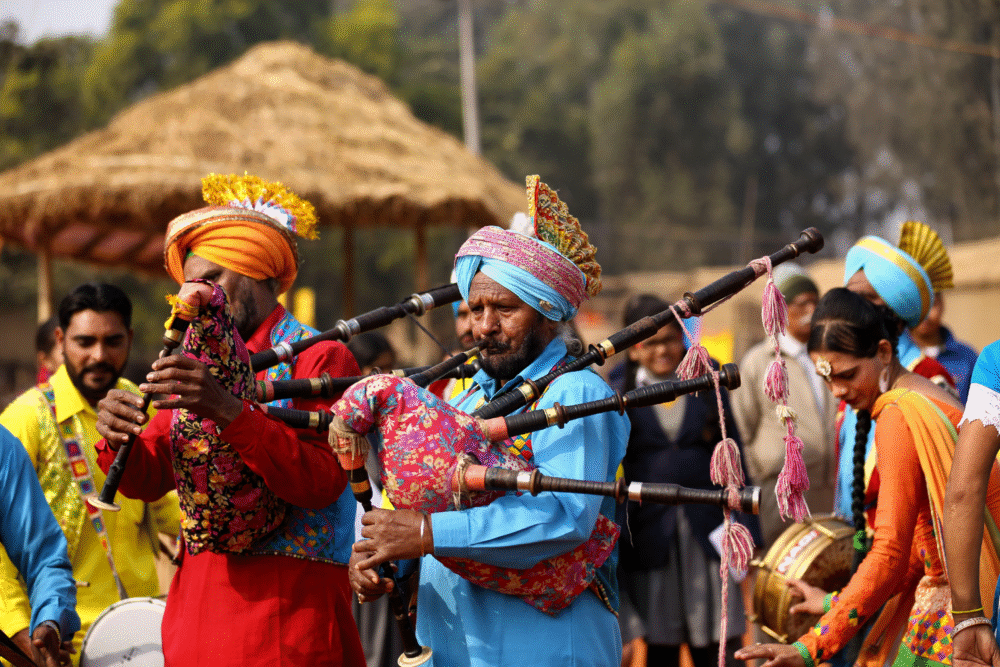
Early Hinduism laid out concepts like karma, the law of cause and effect, and dharma, the ethical duty governing societal roles. These tenets guided individual behavior with the ultimate aim of achieving moksha, liberation from the cycle of rebirth.
Vedic texts, rich in metaphor and hymn, articulated these philosophies, embedding spiritual practice into everyday life. Through dharma, people embraced social order, while karma provided a moral compass, fostering personal growth and cosmic justice.
6. The spiritual teachings and practices of ancient Norse religion.

Ancient Norse religion, steeped in mythology, revered gods such as Odin, seeker of wisdom, and Thor, protector of humanity. Valhalla, the esteemed hall, promised valorous warriors eternal feasting, elevating bravery as a pivotal virtue in Viking society.
Rituals were grounded in oral traditions and sagas, preserving community histories and beliefs in poetic form. Practices ranged from sacrifices to elaborate feasts, intertwining with the harsh Nordic environment, imparting resilience and communal solidarity.
7. The origins and worldview of indigenous Australian Aboriginal beliefs.

The spiritual worldview of Indigenous Australian Aboriginal beliefs was rooted in the Dreamtime, a sacred era when ancestral beings shaped the land. Stories from this period convey the interconnectedness of people, nature, and the cosmos, integral to cultural identity.
Totemic landscapes narrate ancestral journeys, where songlines guide navigation across the Australian continent. These rich oral traditions preserve heritage, empowering knowledge transmission through generations and reinforcing communal ties and respect for the natural world.
8. Myths and symbolism behind ancient Mayan religious practices.
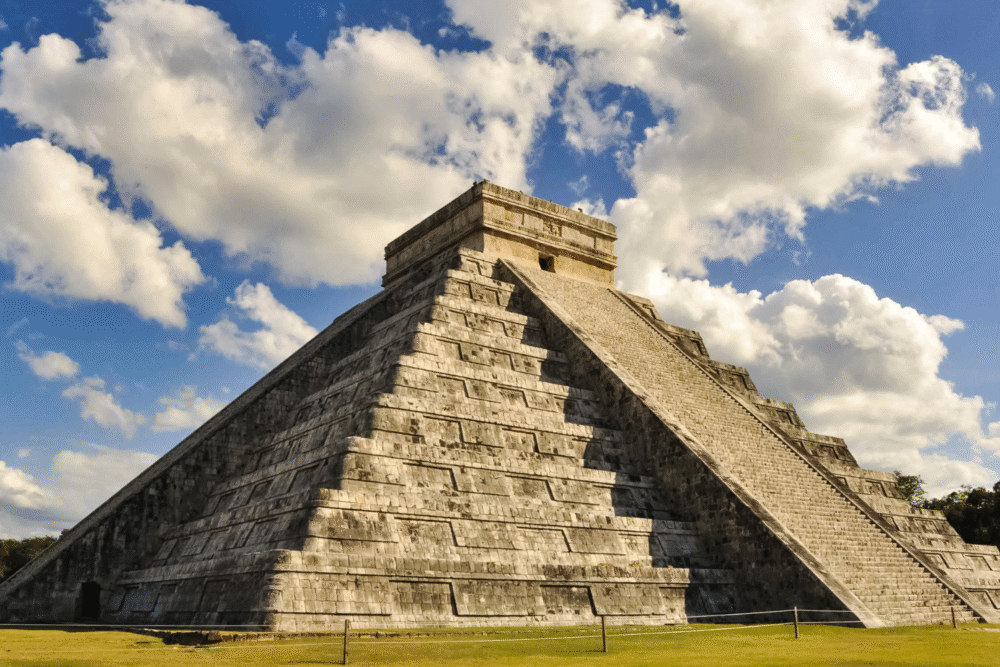
Ancient Mayan religious practices included complex myths that underscored their cosmology, with gods like Kukulkan, the feathered serpent, depicting cycles of creation and destruction. Ceremonies, often held in towering pyramids, showcased the universe’s complex interplay.
Iconography in stone carvings and frescoes symbolized power, fertility, and sacrifice, reinforcing social hierarchies and divine favor. The Mayans’ attention to celestial movements, through their intricate calendars, highlights a profound understanding of time, essential to their agricultural and spiritual lives.
9. Ethical codes and gods revered in early Roman religion.

Early Roman religion was shaped by a pantheon that included gods like Jupiter, the king of gods, who embodied authority and justice. Specific rituals honored these deities, deeply intertwined with civic duty and public morality, reinforcing community structures.
Roman virtues such as pietas, loyalty to family and the state, derived from their worshipful practices. Temples and public ceremonies acted as vibrant centers of religious life, linking the spiritual realm with social order and imperial magnificence.
10. Nature worship and ancestral reverence in Shintoism’s roots.

Shintoism’s roots lie in nature worship and ancestral reverence, with kami—spiritual essences—residing in natural elements such as mountains, rivers, and trees. This belief system fostered harmony with nature and respect for lineage and heritage.
Rituals like purification reflected the desire for spiritual cleanliness, essential to maintaining a harmonious world. Shrines, often nestled in lush landscapes, serve as serene sanctuaries, enshrining the spiritual connections between people, their ancestors, and the natural world.
11. Sacred texts and worship in early Jainism traditions.

Early Jainism traditions revered sacred texts that articulated a path of non-violence and truth, encapsulated in the principle of ahimsa. This profound commitment to non-harm extended to all living beings, fostering compassion and ethical sensitivity.
Religiously motivated austerity and meditation directed practitioners towards spiritual liberation, transcending material existence. The rich philosophical discourses on reality and the soul informed ethical lifestyles, emphasizing mindfulness and self-discipline, deeply influencing spiritual development.
12. How ancient Celtic religion connected communities to nature’s cycles.

Ancient Celtic religion intertwined communities with nature’s cycles, with festivals aligned to solstices and equinoxes. Druids, the spiritual leaders, mediated between the natural and supernatural realms, guiding communities through rituals that celebrated life’s rhythms.
Stone circles, shrouded in misty landscapes, served as ceremonial sites, reflecting the mystical facet of Celtic spirituality. Reverence for ancestral spirits and nature unified clans under shared traditions, fostering social cohesion and the continuance of cultural narratives.