
Rising insurance, housing, and energy costs are linked to worsening climate impacts.
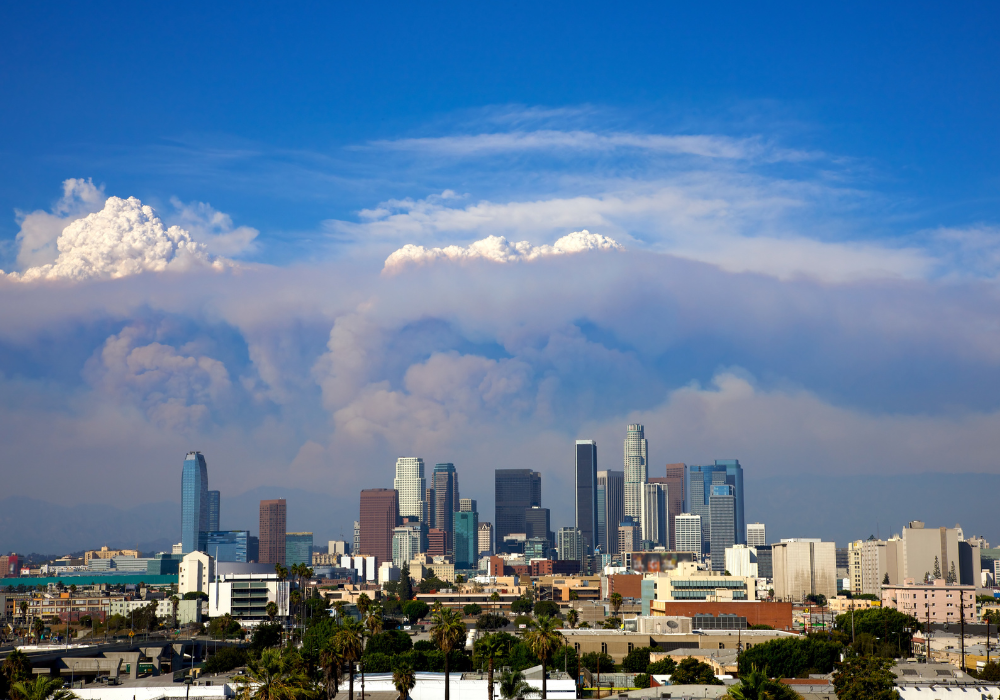
A new report from the UC Berkeley Center for Law, Energy & Environment, commissioned by the nonprofit Next 10, warns that the hidden costs of the climate emergency are worsening California’s affordability crisis. The study, The Costs of Climate Change: Financial and Economic Impacts on California, highlights how rising insurance premiums, higher energy bills, health expenses, and lost wages are adding up for residents. Researchers say these impacts will disproportionately hit low- and middle-income families, making one of the nation’s most expensive states even harder to afford.
1. Climate Change Is Driving Up California’s Living Costs

The report warns that climate impacts are adding “hidden costs” that make everyday life more expensive. These include higher energy bills, insurance premiums, medical expenses, and wages lost when extreme weather disrupts work. Together, they deepen an affordability crisis already affecting millions of residents.
Researchers emphasize that these climate-related costs often go unnoticed until they pile up. While California has long been among the nation’s most expensive states, climate change is compounding the problem. Without intervention, these financial burdens will continue to grow as extreme events intensify.
2. Rising Insurance Premiums Are Hitting Homeowners

Home insurance costs in California have surged as wildfires, floods, and extreme weather become more common. Insurers have raised premiums or pulled out of high-risk markets entirely, leaving many homeowners scrambling for coverage.
The report highlights insurance as one of the clearest examples of climate’s financial toll. Families in fire-prone or flood-prone areas often face the steepest price increases, sometimes paying thousands more per year. For many, these costs make it harder to afford living in communities they have called home for generations.
3. Utility Bills Are Climbing With Heat Waves

Extreme heat is forcing Californians to rely more on air conditioning, pushing up electricity demand and monthly bills. At the same time, wildfires and storms damage infrastructure, raising utility companies’ costs, which are passed on to consumers.
The report shows that low-income households are most vulnerable, often spending a larger share of income on energy. As heat waves become longer and more frequent, families may have to choose between cooling their homes and covering other essentials like food or rent.
4. Healthcare Costs Are Rising From Climate Impacts

Air pollution from wildfires, extreme heat, and other climate-related events is driving up medical costs. The report cites increases in hospital visits for respiratory illnesses, heatstroke, and cardiovascular problems linked to worsening environmental conditions.
These health expenses fall hardest on vulnerable populations such as children, seniors, and people with preexisting conditions. Beyond direct costs, families may also lose income when someone is too sick to work. The study stresses that public health systems are already strained, and climate change is adding significant new pressures.
5. Lost Wages Add to the Hidden Burden

When wildfires, floods, or extreme heat force businesses to shut down, workers lose hours and wages. The report estimates that climate-related disruptions already cost Californians billions in lost income annually.
For hourly workers and those in agriculture, construction, and tourism, the impacts are especially severe. Unlike salaried employees, many have no paid leave or benefits to cushion the blow. Lost wages not only hurt individual families but also ripple through local economies, reducing consumer spending and slowing growth.
6. Housing Costs Are Rising in Safer Areas

As climate risks increase, demand is shifting toward neighborhoods less exposed to wildfires, floods, or sea-level rise. The report notes that this demand is driving up housing prices in “climate safer” areas, making them even less affordable.
At the same time, people in high-risk areas often face falling property values, creating financial losses for homeowners. This growing divide threatens to worsen inequality in California’s already strained housing market, where many residents already struggle with high rents and limited availability.
7. Wildfires Create Long-Term Financial Fallout
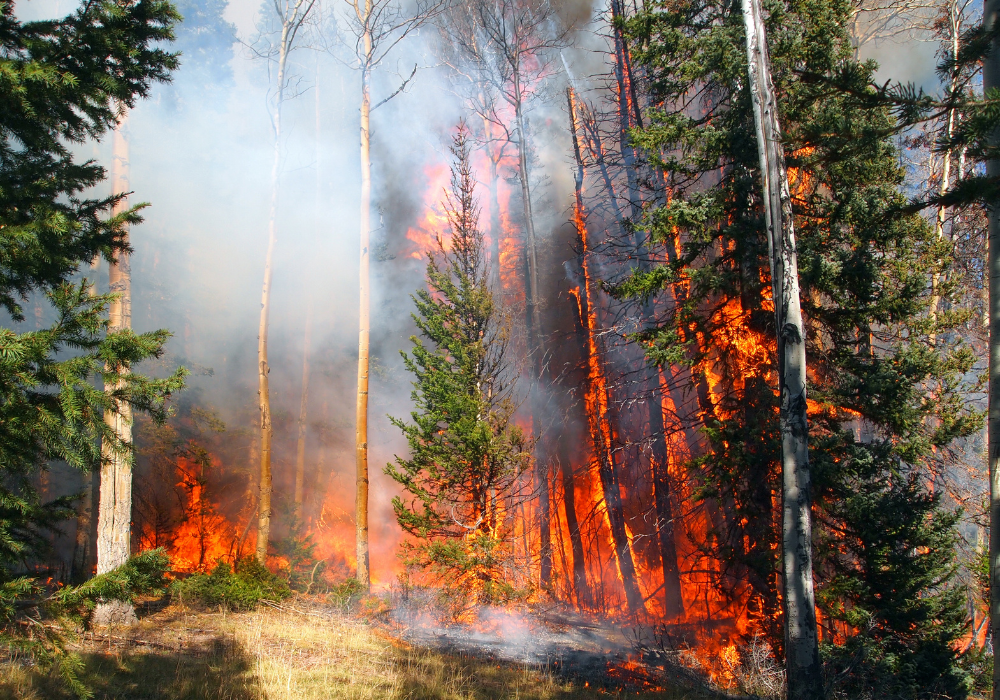
Beyond immediate destruction, wildfires impose years of financial hardship. Families lose homes, businesses shut down, and communities face soaring rebuilding costs. Even those far from fire zones are affected through higher taxes, insurance premiums, and utility bills.
The report underscores that recovery is slow and uneven. Wealthier households often rebuild more quickly, while low-income families face delays or are forced to relocate. This cycle magnifies economic inequality and shows how climate disasters leave lasting scars long after flames are extinguished.
8. Extreme Heat Threatens Worker Productivity

California’s agricultural and outdoor workers are among the most exposed to extreme heat. Rising temperatures reduce productivity, increase health risks, and shorten working hours. The report estimates billions in lost productivity each year tied to extreme heat alone.
Employers face higher costs from reduced efficiency and increased health claims. Workers, meanwhile, face lower earnings and greater risks of heat-related illness. This issue will grow worse as climate models project that California will see more frequent and prolonged heat waves in coming decades.
9. Climate Costs Will Hit Younger Generations Hardest

The report emphasizes that children born today in California will face hundreds of thousands of dollars in lifetime climate-related costs. These stem from higher energy bills, medical expenses, lost wages, and the cumulative effects of a warming world.
This generational burden raises concerns about fairness and long-term sustainability. Without significant policy action, younger Californians will inherit both a more unstable climate and the mounting bills associated with it. Researchers argue that delaying action only compounds these hidden financial liabilities.
10. Inequity Is at the Core of the Crisis

Not all Californians are affected equally. The report shows that low- and middle-income families face the steepest climate-related costs because they spend more of their income on basics like housing, energy, and healthcare.
Wealthier households can often absorb higher bills or relocate to safer areas. In contrast, disadvantaged communities are more likely to remain in high-risk zones and suffer the greatest financial fallout. The climate emergency is amplifying existing inequalities, deepening California’s affordability crisis in the process.
11. Urgent Policy Action Is Needed

The report concludes with a call for policymakers to address the affordability impacts of climate change head-on. Recommendations include expanding financial support for vulnerable households, reforming insurance markets, and investing more aggressively in clean energy and resilient infrastructure.
Without such measures, the costs of inaction will continue to climb. Researchers stress that California has an opportunity to lead in integrating climate resilience with affordability. Doing so could serve as a model for other states and nations facing similar challenges.