
Researchers debunk the Tylenol-autism link and highlight what studies actually show.
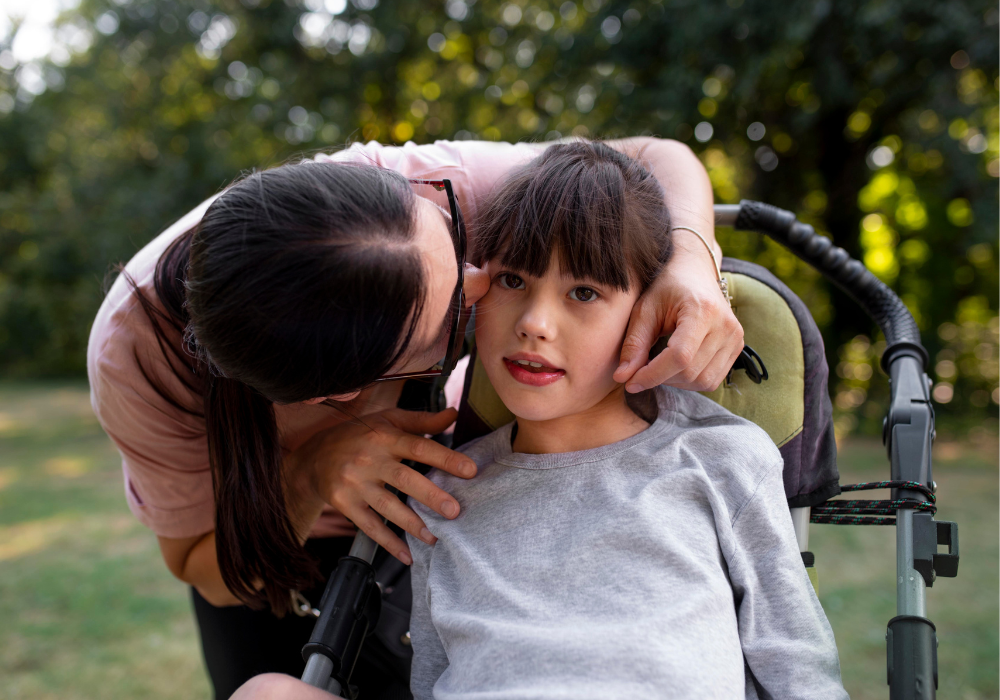
Autism spectrum disorder arises from multiple contributing factors rather than a single cause. Genetics provide a foundation, but environmental exposures, prenatal influences, and early brain development also shape outcomes. Science continues to explore how these elements interact, emphasizing that understanding autism requires recognizing its multifaceted origins. Reliable sources like the CDC, WHO, and Harvard T.H. Chan School of Public Health stress the importance of evidence-based information to avoid common misconceptions.
1. Genetic factors play a significant role in the development of autism.

Genes significantly influence the development of autism, with twin studies highlighting their crucial role. Research indicates that inherited genetic variations and mutations contribute to the risk. The genetic component offers insight into autism’s complexity, but it doesn’t paint the complete picture.
While genes lay the foundation, other factors must interact, adding layers to understanding autism. Families with a history of the disorder often see genetic trends, yet even identical twins show different autism traits. This indicates that genes alone aren’t sole determinants.
2. Environmental influences can interact with genetics to affect autism risk.
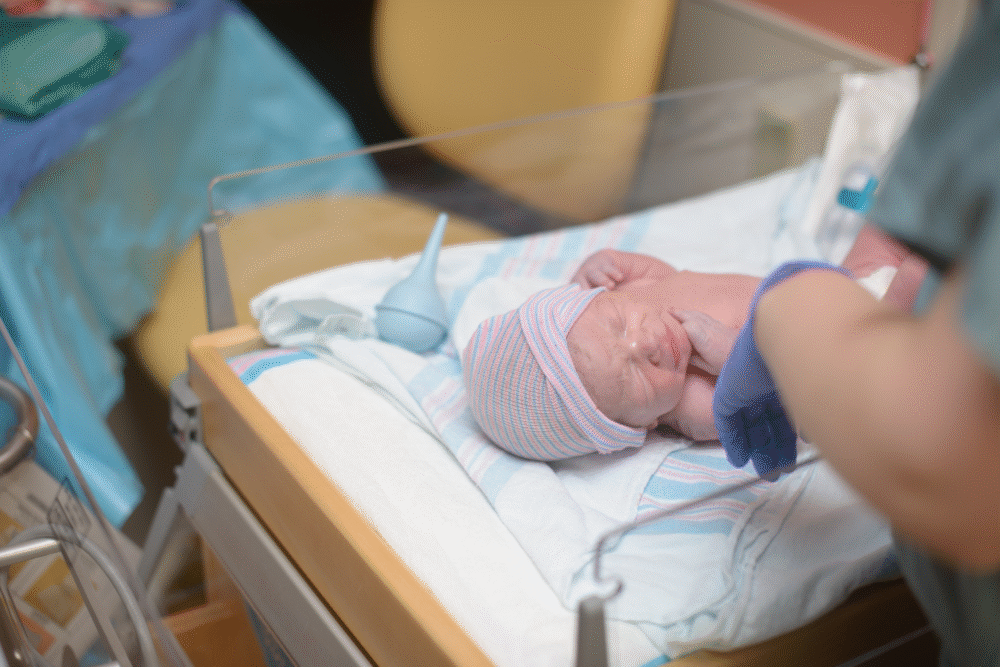
Environmental factors are thought to interact with genetic predispositions to potentially heighten autism risk. Studies suggest the importance of gene-environment interaction, where external influences might trigger a genetic response. This intricate connection underscores the complexity behind autism’s development.
For instance, prenatal exposure to environmental stressors can influence genes related to neurodevelopment. This interplay challenges the simplistic view of singular causes and highlights the importance of understanding autism’s multifaceted origins.
3. Prenatal exposure to certain chemicals may contribute to autism causes.
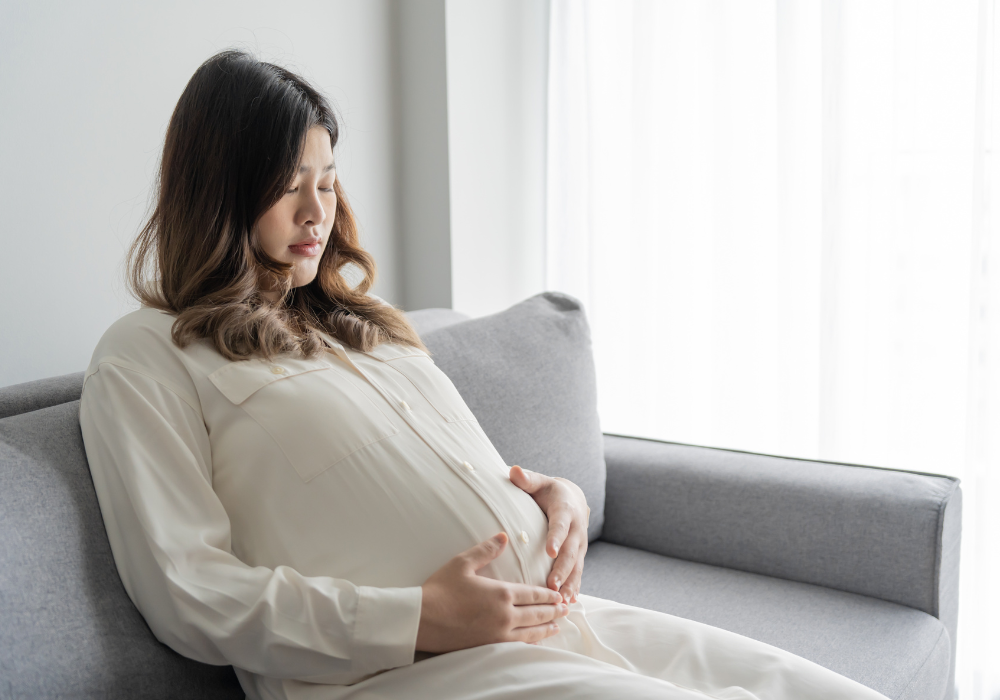
Certain chemicals, encountered during pregnancy, may act as potential contributors to autism’s causes. For example, exposure to pesticides has prompted concerns about developmental effects. Understanding these influences helps probe the complex web of prenatal factors affecting autism risk.
With ongoing research, scientists aim to clarify how these substances alter fetal development. Although chemicals are only part of the equation, they provide a clue to autism’s intricate puzzle, suggesting a cautious approach to prenatal environments.
4. Advanced parental age has been linked to increased autism likelihood.

Older parental age is associated with a heightened likelihood of autism in children. As age increases, so does the chance of genetic mutations that might impact offspring. Thus, parental age becomes an important piece in understanding autism’s multifactorial nature.
Confounding factors, like socio-economic variables, complicate these findings. Despite age being a small risk factor, its presence invites deeper scrutiny into how life stages influence development. The conversation around age adds depth to the broader autism narrative.
5. Differences in early brain development are key to autism causes.

Early brain development often diverges in children with autism, showcasing unique neural pathways. Studies using imaging technology demonstrate structural differences, such as altered synapse formation. These abnormalities suggest why early intervention can be critical for children on the autism spectrum.
Detecting atypical patterns in childhood brain growth might refine future diagnostic techniques. Neural irregularities not only elucidate potential early causes of autism but also guide therapeutic innovations, emphasizing the profound importance of early neurological insights.
6. Prenatal infections could influence the chances of developing autism.
Prenatal infections have piqued interest for their potential impact on autism development. Viral infections during pregnancy might influence fetal brain development, contributing to an increased risk. This area of study sheds light on how infections may subtly alter neurological outcomes.
However, the relationship between infections and autism is not straightforward. Factors such as timing and severity of the infection play roles in the developmental trajectory. These findings blur the boundary between prenatal experiences and postnatal realities in autism research.
7. Some research explores the role of immune system factors in autism.

Research into autism delves into potential immune system factors influencing the disorder’s pathogenesis. Some scientists explore whether immune response irregularities contribute to atypical neurodevelopment. The immune system becomes a lens to examine aspects of autism beyond traditional boundaries.
Intriguingly, evidence suggests links between maternal immune activation and autism spectrum outcomes. While these connections require further exploration, they offer a novel, albeit complex, viewpoint on how intrinsic bodily systems interact with developmental processes.
8. Complications during pregnancy or birth might impact autism risk levels.
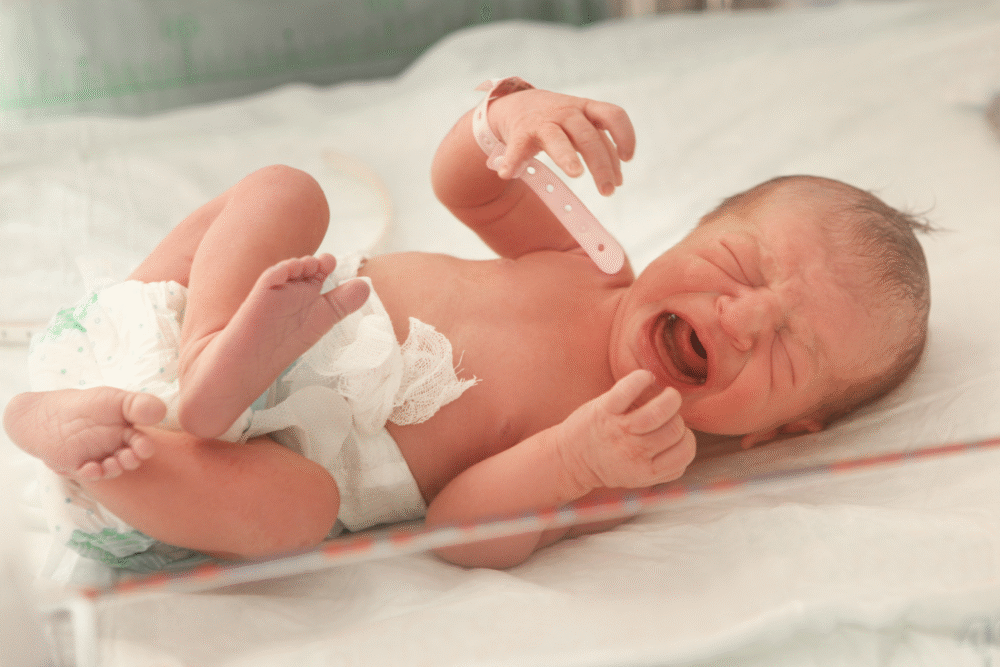
Pregnancy and birth complications might alter autism risk levels, drawing attention to reproductive health dynamics. Factors such as oxygen deprivation during birth have been linked with neurodevelopmental disorders. Researchers study these variables to discern possible contributions to autism’s multifaceted origins.
Complications, though not definitive causes, highlight vulnerabilities present during critical developmental windows. Their study emphasizes the broader, interconnected factors affecting autism, where each piece interacts within a greater developmental mosaic.
9. Exposure to air pollution has been studied as a potential factor.

Studies have investigated air pollution as a factor potentially influencing autism risk. Exposure to particulates during pregnancy raises concerns about its impact on fetal brain development. These investigations highlight how prenatal environments might subtly shape neurological outcomes in offspring.
While links between pollution and autism require more robust validation, current findings suggest air quality’s relevance in understanding environmental contributions. This area of exploration expands on environmental narratives, emphasizing the importance of comprehensive inquiry into autism’s diverse factors.
10. Nutritional factors during pregnancy may subtly affect autism causes.

Subtle shifts in prenatal nutrition might influence autism outcomes, adding complexity to developmental discussion. Nutrient deficiencies or excesses, such as vitamin D omission, could potentially affect fetal brain growth. This area sparks curiosity as dietary factors modestly shape cerebrodevelopmental paths.
Nevertheless, nutrition remains a component amid many interacting influences on autism. While it may contribute, it’s neither isolated nor definitive. These nuances illustrate the broader spectrum of prenatal factors in the complex backdrop of autism causes.
11. Autism likely results from a combination of multiple interacting causes.

The likely outcome is that autism results from various interacting factors, creating an intricate developmental tapestry. Genetics, environment, and neural development converge, each influencing the others. In grasping autism, it’s essential to consider this multifactorial interaction rather than single explanations.
Understanding this complex web aids in moving past outdated models. An appreciation of interconnected causes allows for nuanced perspectives on research and intervention strategies, fostering a more informed discussion about autism.