
Scientists are exploring how Ice Age grazing could stabilize Arctic soils and slow carbon release.
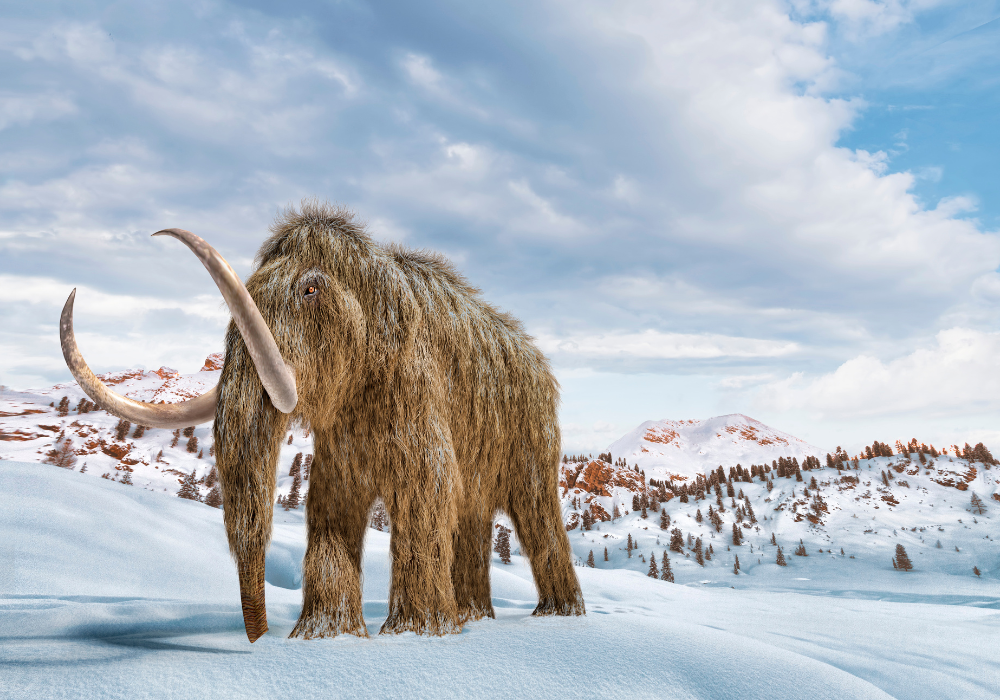
Scientists believe reviving woolly mammoths could do more than bring back an Ice Age icon—it might help fight climate change. The idea is that herds of mammoth-like animals roaming the Arctic would knock down trees, churn up soil, and compact snow, slowing the thaw of permafrost.
That frozen ground holds vast amounts of carbon, and if it melts, it could release greenhouse gases into the atmosphere. While still highly experimental, researchers argue the effort could restore fragile ecosystems and buy the planet valuable time.
1. The Woolly Mammoth Revival Project Is Underway
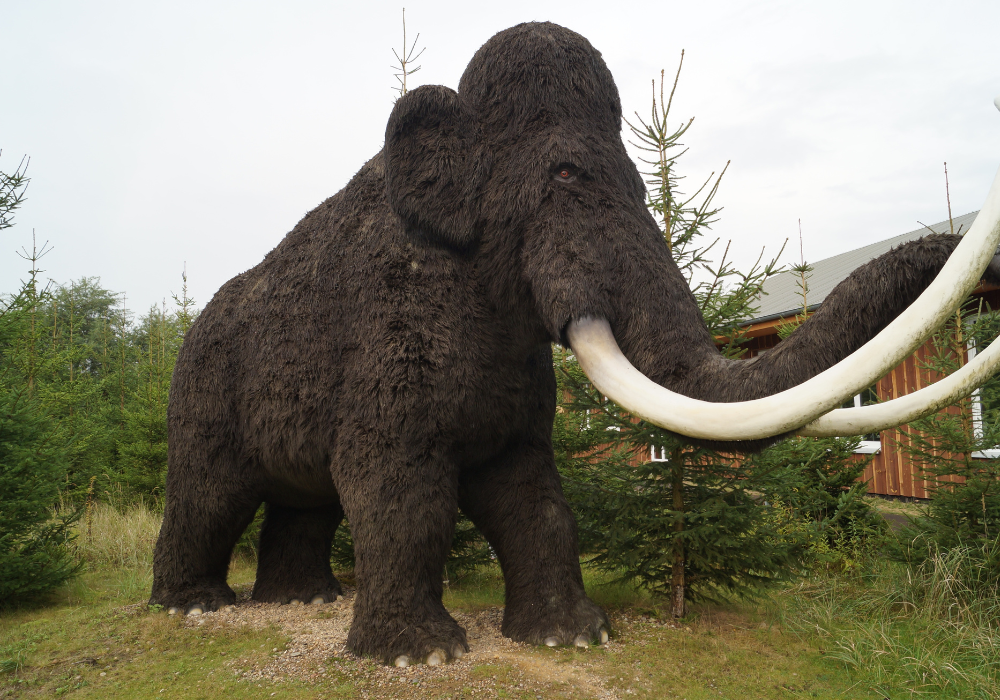
Scientists and biotech firms are working on the ambitious goal of reviving woolly mammoths or close genetic relatives. Using preserved DNA and modern elephant cells, researchers hope to engineer living animals that resemble the extinct giants.
The project is led by Colossal Biosciences, which argues mammoth reintroduction could transform fragile Arctic ecosystems. While the plan sounds like science fiction, the effort is already moving forward with real funding and laboratories dedicated to making it possible.
2. The Arctic Is Warming Faster Than the Rest of Earth
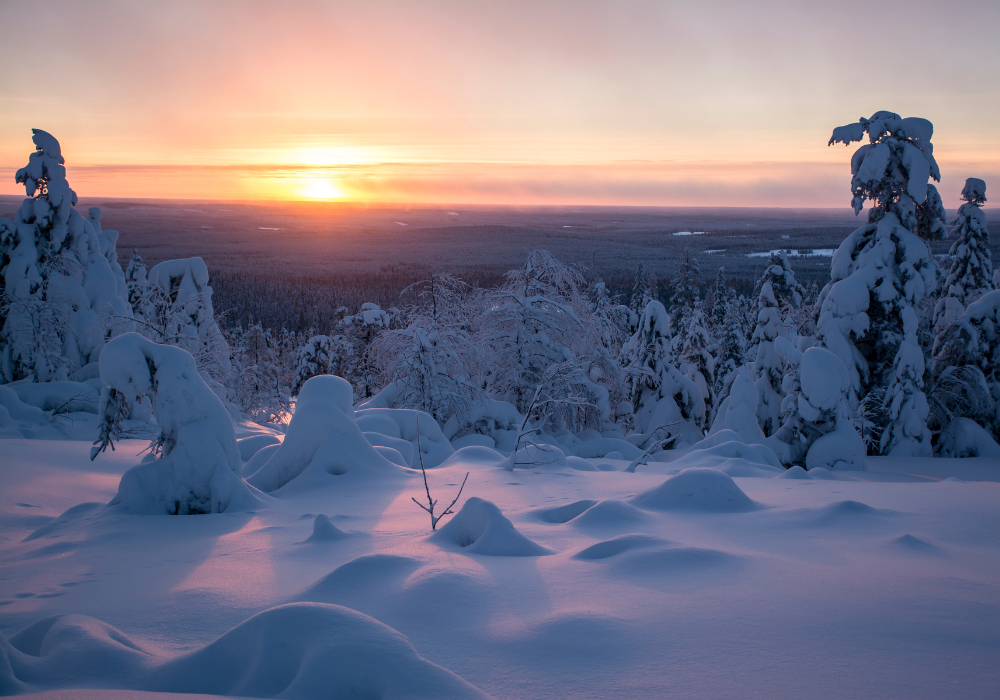
The Arctic is heating up nearly four times faster than the global average. This rapid warming threatens ice, snow, and permafrost—the frozen soil that locks away massive amounts of carbon dioxide and methane.
If the permafrost thaws, those gases could escape into the atmosphere, accelerating climate change. Scientists believe interventions are urgently needed, and some argue that mammoth rewilding could be one part of a broader solution to protect this fragile environment.
3. Mammoths Could Help Protect Permafrost
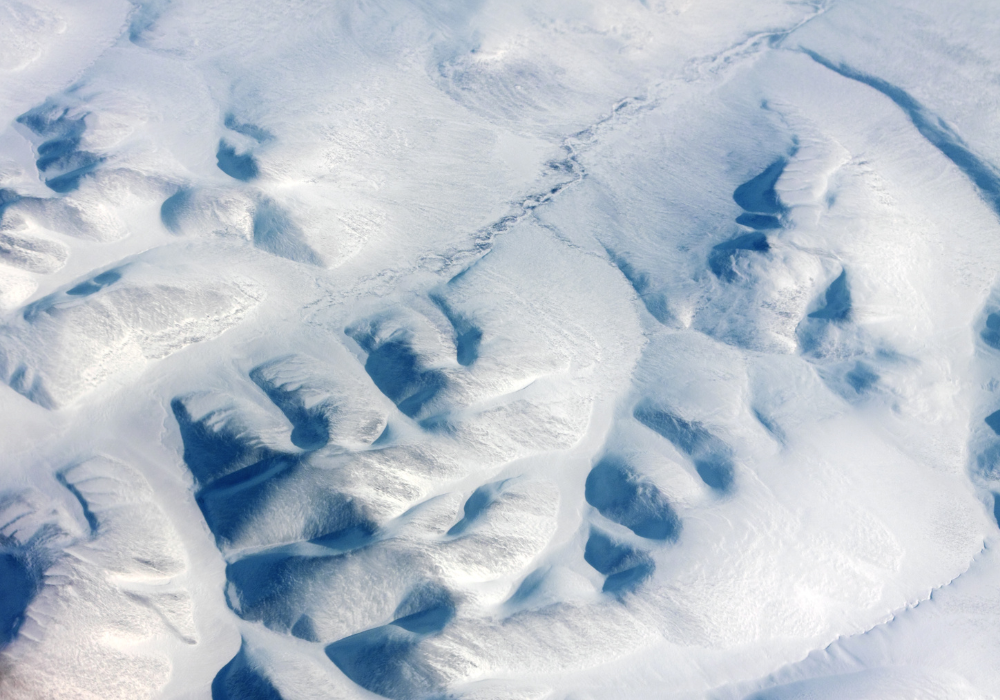
Woolly mammoths were once ecosystem engineers, reshaping their habitats as they roamed. By knocking down trees and compacting snow, they exposed more ground to cold air and helped keep soil frozen.
Scientists think reintroducing them—or close substitutes—could replicate this effect today. By slowing permafrost thaw, mammoths might help prevent the release of greenhouse gases. Although still theoretical, models suggest even modest changes in the Arctic landscape could make a meaningful difference for the climate.
4. They Could Restore Lost Grasslands
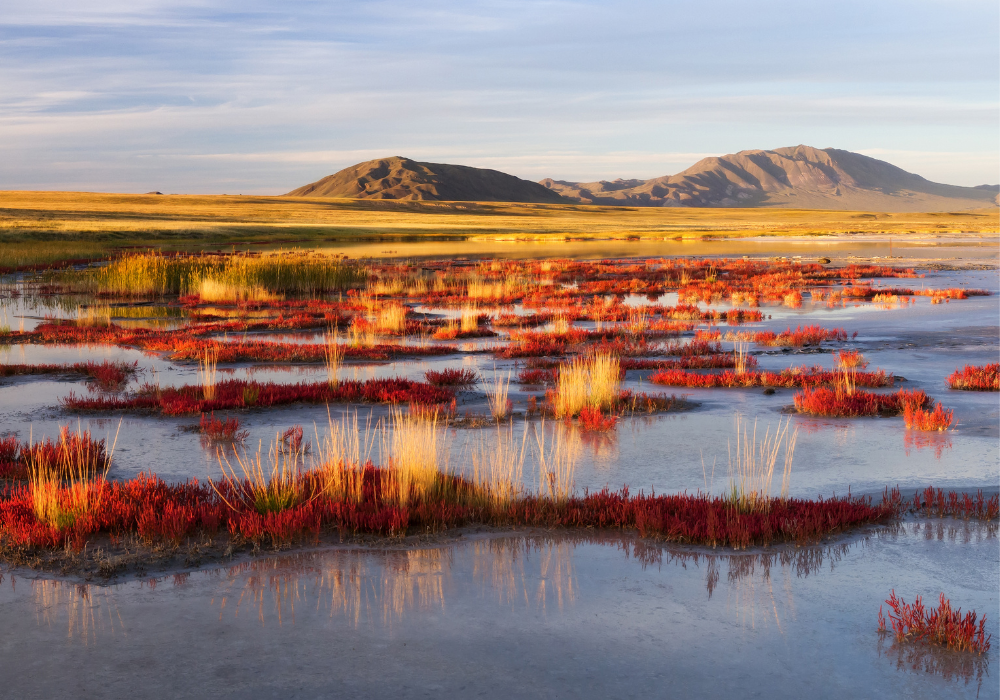
The Ice Age Arctic was dominated by vast grasslands, sometimes called the “mammoth steppe.” These open areas supported many grazing animals, including mammoths. Over time, trees and shrubs replaced much of that habitat.
Researchers argue that mammoths could help bring those grasslands back. By toppling trees and trampling shrubs, mammoths would create space for grasses to regrow. Grasslands reflect more sunlight than dark forests, which could also cool the ground and reduce further warming in Arctic regions.
5. Reviving Mammoths Relies on Cutting-Edge Gene Editing

Scientists don’t plan to clone mammoths directly. Instead, they aim to edit Asian elephant DNA, inserting mammoth genes to create hybrids with cold-weather adaptations. Traits like thick hair, fat layers, and curved tusks are key targets.
If successful, the first calves could be born within the next decade. These engineered animals wouldn’t be identical to mammoths, but they would be genetically close enough to behave similarly in Arctic ecosystems. It’s an unprecedented scientific challenge with enormous ethical and technical hurdles.
6. The Project Could Help Save Modern Elephants
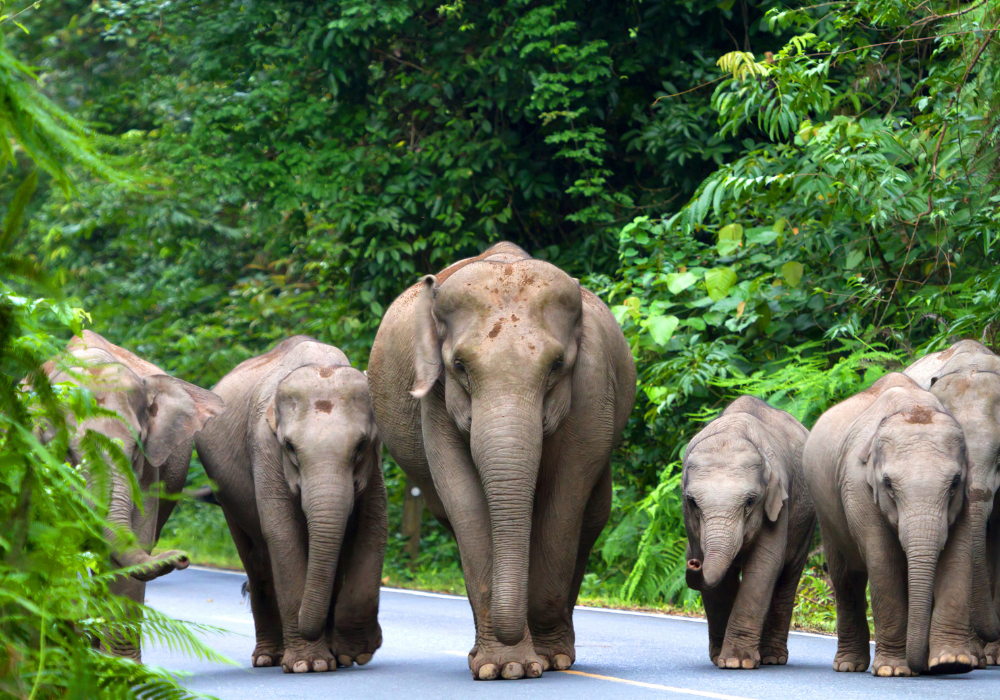
Asian elephants are endangered due to habitat loss and poaching. By engineering elephant–mammoth hybrids, scientists may also create hardier elephants capable of surviving in colder regions.
This could reduce pressure on existing elephant populations by expanding their potential range. Supporters argue that combining conservation goals with climate solutions makes the project more compelling. Critics caution that resources might be better spent on protecting existing species rather than reviving extinct ones.
7. Skeptics Question the Climate Benefits

Not all scientists agree that mammoths would make a significant difference. Critics argue the impact on permafrost could be small compared to global emissions from fossil fuels.
Some also warn that reintroducing large animals into fragile ecosystems could have unintended consequences. While mammoths once roamed the Arctic naturally, today’s ecosystems have adapted to their absence. Experts say thorough testing will be needed before any large-scale reintroduction could happen.
8. Other Species Could Be Part of the Plan
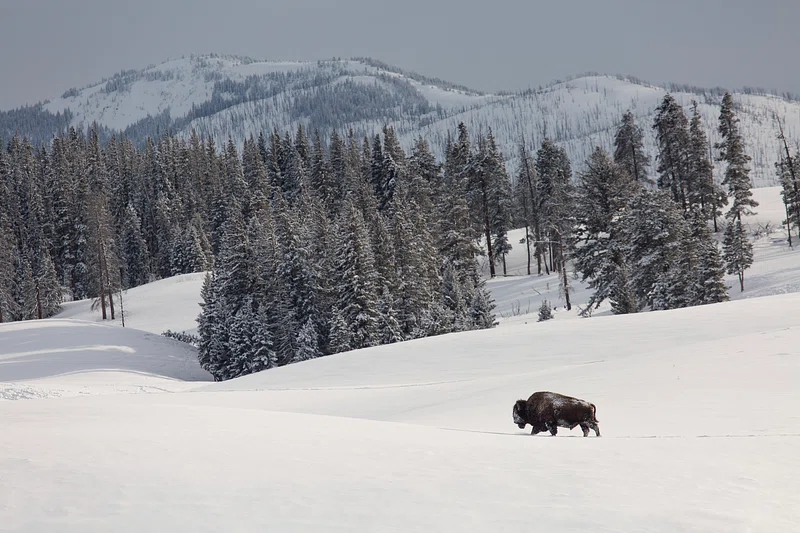
Even if mammoths aren’t revived quickly, researchers say other cold-adapted animals might help. Bison, horses, and reindeer have already been introduced into experimental areas of Siberia to test the concept of “Pleistocene rewilding.”
These animals trample snow and graze in ways that mimic mammoth behavior. Early results show some promise for slowing permafrost thaw. Mammoths would add to this effect, but scientists say progress can begin even without them.
9. The Work Has Sparked Major Ethical Debates

Reviving extinct animals raises difficult ethical questions. Some critics argue scientists shouldn’t bring back species that vanished thousands of years ago. Others worry about the welfare of engineered elephants used in the project.
Supporters counter that humans contributed to mammoth extinction and now face a climate crisis that demands bold action. They believe the potential ecological benefits justify the risks, provided the animals are cared for responsibly. The debate reflects broader questions about how far humans should go in reshaping nature.
10. Billionaires and Investors Are Funding the Effort

The mammoth project has attracted significant private investment. Tech entrepreneurs and venture capital firms have poured millions into Colossal Biosciences and related research.
This funding supports both the technical work of gene editing and the broader vision of climate-focused rewilding. While skeptics question whether commercial interests are driving the project more than science, the influx of money ensures that research is advancing faster than traditional academic timelines might allow.
11. The Goal Is About the Future, Not the Past
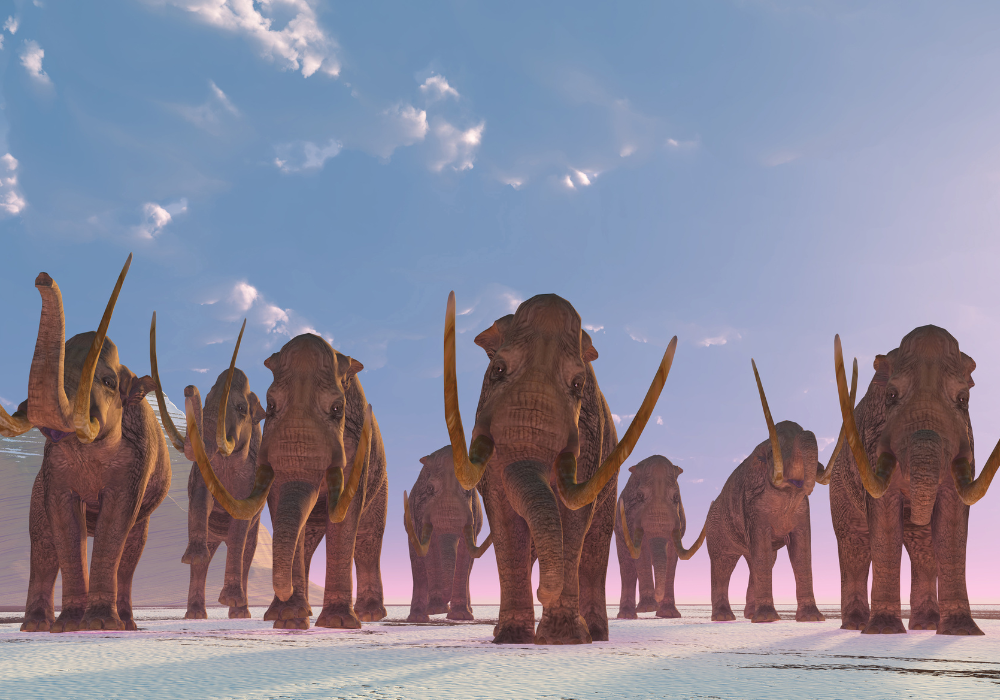
Although the idea of seeing mammoths again excites the imagination, scientists emphasize the project isn’t just about nostalgia. The deeper goal is to protect ecosystems that are rapidly collapsing under the pressure of climate change.
By restoring parts of the Arctic and slowing permafrost thaw, researchers hope to buy time in the global fight against warming. Whether mammoths can truly deliver on that promise remains to be seen, but the project underscores how urgently scientists are searching for bold, unconventional solutions.