
Climate change is set to define Gen Z’s jobs, health, and way of life.

Climate change presents distinct challenges that uniquely shape the lives and futures of Generation Z. Unlike previous generations, they experience more frequent extreme weather events and growing environmental instability. These factors influence their career paths, mental health, and everyday decisions around housing and consumption. Expert agencies including NOAA and the IPCC emphasize how these impacts compound, highlighting the critical importance of sustainable policies and resilient adaptation strategies for this generation.
1. Increased exposure to extreme weather events shapes daily life decisions.

Exposure to extreme weather events, like hurricanes and heatwaves, affects daily life decisions for Generation Z. These weather patterns disrupt safe routines, causing a reconsideration of where to live or work. Each storm, with its roaring winds, presents a new obstacle to navigate.
Such experiences shape perceptions of risk and safety, leading Gen Z to value resilience in planning their lives. Unlike previous generations, they face these challenges more frequently from a young age, prompting decisions that prioritize stability amidst unpredictability and influencing housing and career choices.
2. Growing concerns about the environment influence career and education choices.

Concerns about environmental degradation strongly influence Gen Z’s career aspirations and educational goals. Many prioritize fields like environmental science, sustainability, or clean energy. Stories of polluted rivers and disappearing forests eternalize their resolve to study the earth’s fragility.
This focus often results in a generational shift towards careers that promise positive environmental impact. Unlike older age groups, Gen Z frequently chooses roles that align social responsibility with professional ambition. Consequently, educational institutions slowly adapt programs to meet these emerging interests.
3. Rising sea levels threaten the safety of future coastal communities and homes.

Rising sea levels pose risks to future coastal communities and their homes. Images of disappearing islands and persistent flooding shape Generation Z’s vision of future living spaces. Immediate concerns focus on increasing vulnerability to natural disasters.
Gen Z perceives this threat as not just environmental but deeply personal. As potential property owners, looming sea-level rise influences their decisions about where to call home. Their investment strategies often consider geographic stability, emphasizing inland locations over traditional coastal allure.
4. Greater awareness of climate change fosters stronger advocacy and activism.
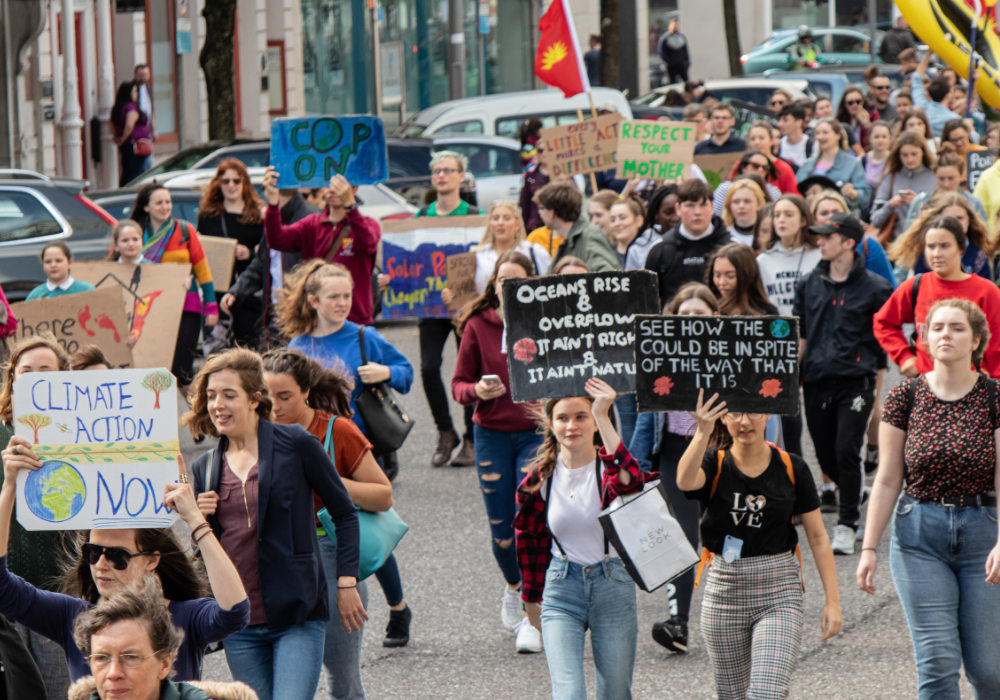
Awareness of climate change among Gen Z fosters a commitment to advocacy and activism. Engaging with global movements and organizing local initiatives, this generation actively participates in demanding policy changes. The influence of social media, with its viral campaigns, enhances their impact.
Fervently believing in science and justice, they pressure governments more than their predecessors did. Advocacy grows from grassroots efforts, intertwining with an urgency unique to their upbringing, driven by the undeniable signs of a changing world.
5. Shifts in food availability impact dietary habits and sustainability priorities.

Climate change impacts food availability, altering Gen Z’s dietary habits and sustainability focus. Shifting weather patterns affect crop yields, leading to fluctuations in food markets. On a trip to the local farmers’ market, they may notice fewer seasonal vegetables.
These changes push Gen Z towards conscious consumption, emphasizing plant-based diets and local sourcing as pivotal choices. Unlike earlier age groups, they integrate dietary adjustments as part of a broader strategy to combat climate effects, reducing their overall carbon footprint.
6. Economic instability linked to climate change affects financial security prospects.

Economic instability tied to climate change brings uncertain financial futures for Generation Z. Hard hits to affected industries and job markets create apprehension. A factory shuttering due to flood damage can lead to job losses rippling through communities.
This instability contrasts with previous generations’ steadier economic experience. Financial planning now includes environmental considerations, with Gen Z often weighing long-term investments in carbon-neutral companies. They navigate an economy adjusting to threats unforeseen by older adults.
7. Changing ecosystems alter recreational activities and connection to nature.

Changing ecosystems transform recreational activities for Gen Z, altering their bond with nature. As habitats shift, outdoor enthusiasts may notice fewer birds during familiar hikes. Such losses reshape the experience and appreciation for cherished landscapes.
With activities linked to climate conditions, Gen Z actively seeks conservation programs to preserve their environments. This generation’s connection to nature socializes with an urgency to protect it, emphasizing sustainability in leisure pursuits and wildlife preservation.
8. Mental health challenges emerge from ongoing climate-related anxiety and uncertainty.

Gen Z faces mental health challenges stemming from climate anxiety and uncertainty. News reports of wildfires and melting icecaps fuel a pervasive stress regarding the future. An agitated mind frequently surfaces, troubled by these relentless developments.
Consequences of this ongoing awareness include heightened levels of eco-distress among young people, contrasting sharply with past generation’s attitudes. Access to mental health resources becomes increasingly valued, providing coping strategies tailored to their environmental fears.
9. Access to clean energy sources shapes lifestyle and consumption patterns.
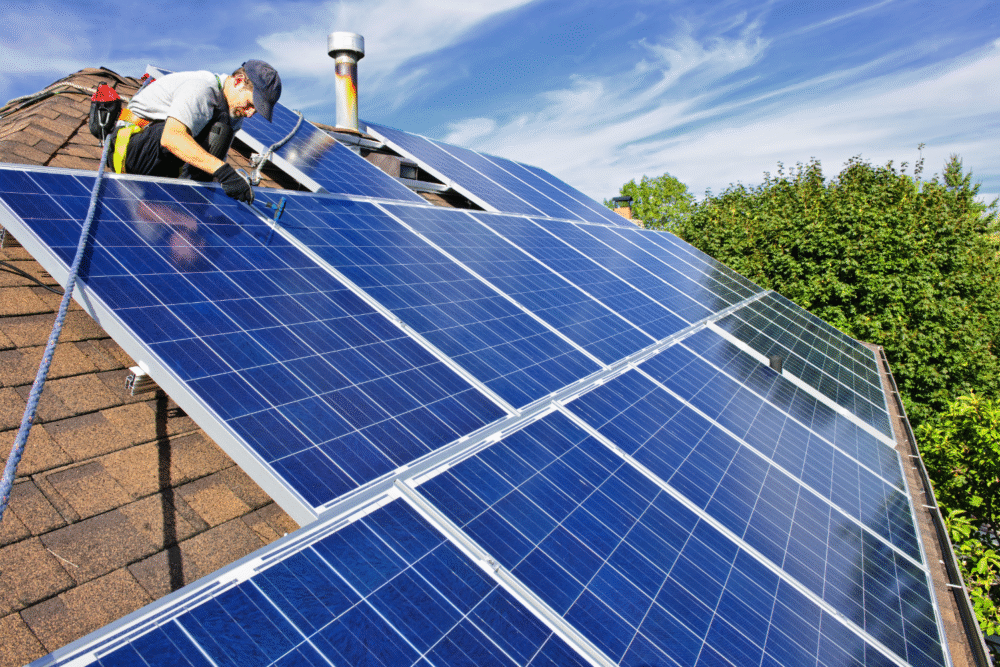
Clean energy access influences lifestyle and consumption choices among Gen Z. Adopting solar panels at home or opting for electric vehicles signifies commitment to sustainability. The hum of a quiet electric car on the road simplifies a future vision of renewable reliance.
In seeking energy independence, they often prioritize purchases that align with eco-friendliness. Compared to older age groups, there’s a distinctive enthusiasm for actively reducing environmental harm, shaping both personal habits and broader societal norms.
10. Urban planning evolves to accommodate climate resilience and sustainable living.
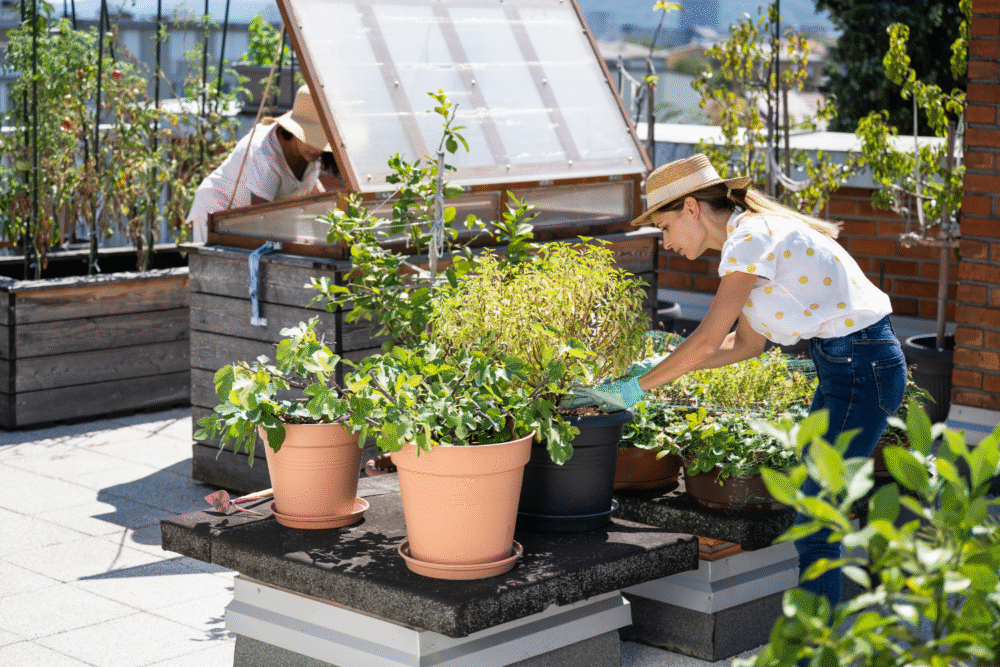
Urban planning adapts to enhance climate resilience and promote sustainable living. City designs feature green roofs and flood-resistant infrastructure. A building’s lush rooftop garden exemplifies this new paradigm for surviving extreme conditions.
Gen Z’s expectations push cities towards sustainability. Resilient design isn’t merely a trend—it’s an essential response to their lived realities. This alters urban living dynamics, fostering a generation that prioritises climate-proof strategies over conventional development.
11. Innovative technology adoption accelerates to address environmental challenges directly.
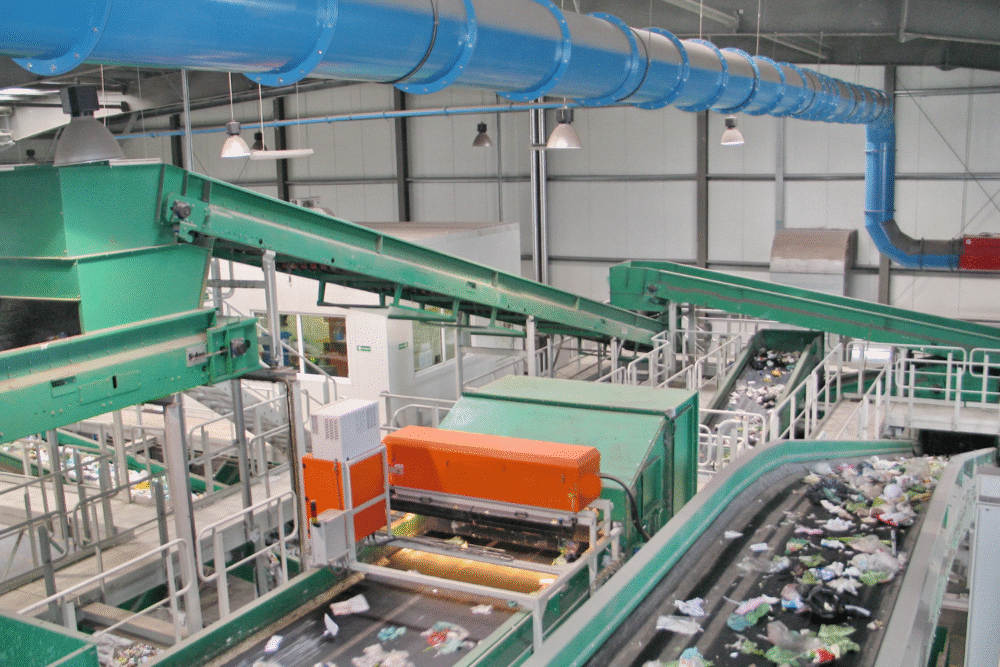
Innovative technology adoption increases to address Gen Z’s environmental challenges. Advances in carbon capture, waste recycling, and precision agriculture bring new possibilities. With start-ups at the forefront, inventive gadgets find space in everyday routines.
Unlike prior generations, Gen Z grows with these technologies, witnessing their direct impact on environmental health. Corporate and personal implementations, ranging from smart thermostats to eco-friendly packaging, underline a broader commitment to reducing ecological footprints.