
Archaeological breakthroughs reveal new perspectives on ancient human civilizations and cultures worldwide.

Archaeological discoveries have continually reshaped how we understand human history, shedding light on ancient civilizations, their practices, and evolution. From fossilized ancestors to intricately crafted artifacts, these finds offer invaluable insights into prehistoric life and cultural heritage. By studying such breakthroughs, scholars can challenge long-held assumptions and deepen our appreciation for the complex development of human societies across millennia.
1. The discovery of Lucy provided insight into early human ancestors.
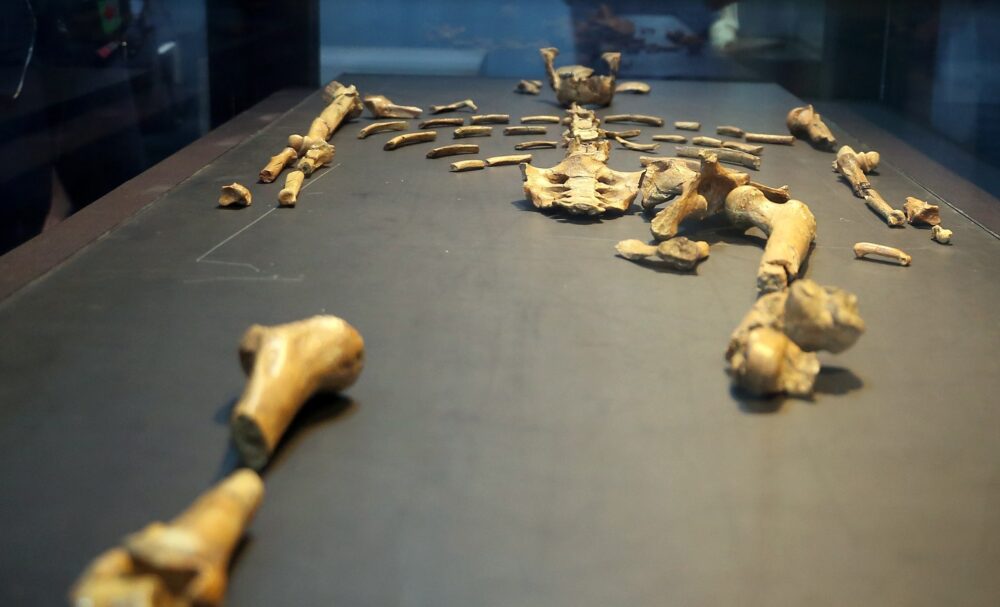
Lucy, a 3.2-million-year-old hominid fossil, was found in Ethiopia in 1974. She belonged to the species Australopithecus afarensis, bridging a crucial gap in our understanding of human evolution. Her remains showed bipedalism, reshaping views on how early humans walked.
Insights from Lucy’s structure revealed that ancient ancestors were adept at both walking upright and living in trees, challenging previous assumptions. This discovery encouraged further exploration into human ancestry, emphasizing the intricacies of evolution. As researchers unearthed more fossils, the landscape of human history grew richer and more complex.
2. The Dead Sea Scrolls revealed ancient religious texts and practices.
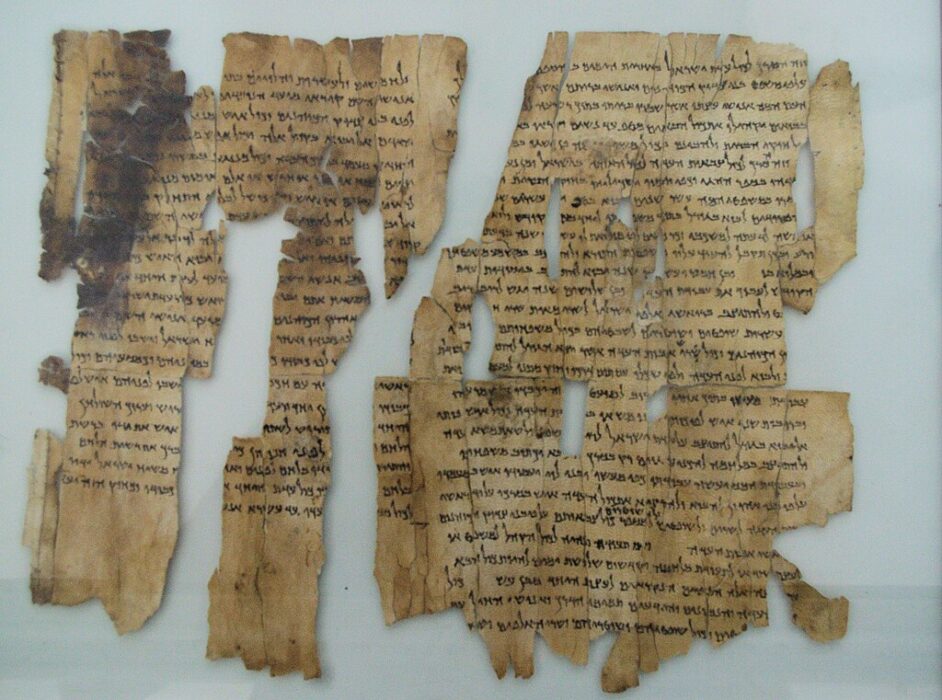
The Dead Sea Scrolls, discovered between 1946 and 1956 in the Judean Desert, include manuscripts dating back to the 3rd century BCE. These ancient texts provided unprecedented insights into Jewish practices and beliefs during a pivotal historical period.
By examining these scrolls, historians gained a clearer picture of religious diversity and doctrinal evolution within ancient Judaism. The scrolls’ preservation and contents have fueled scholarly debates, enhancing our understanding of religious and cultural transformations in the ancient Near East. Their impact continues to resonate in religious studies and history.
3. The Terracotta Army unveiled the grandeur of China’s first emperor.
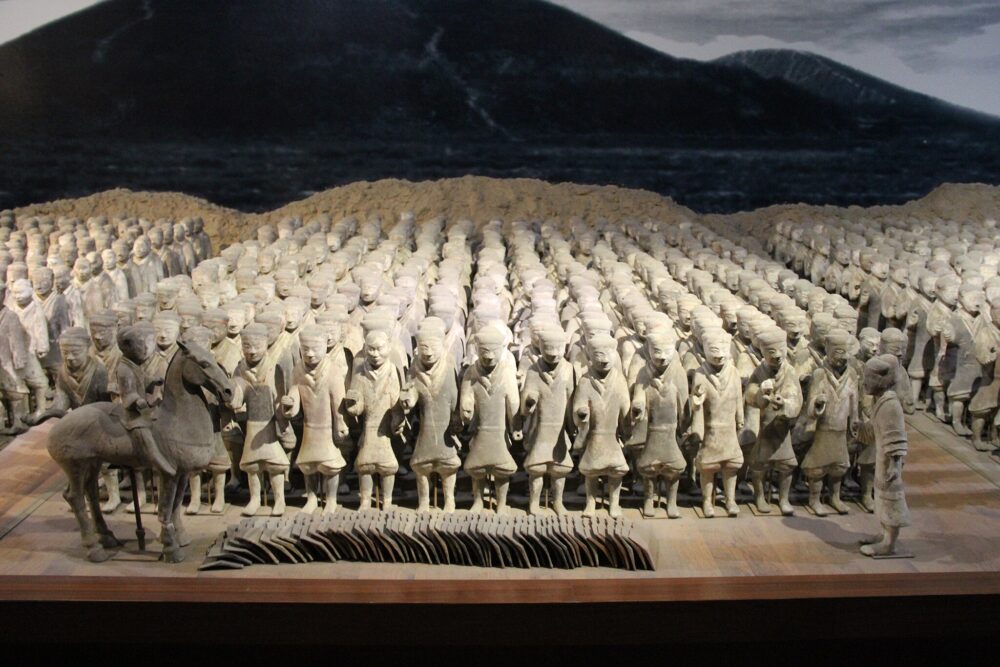
In 1974, Qin Shi Huang’s Terracotta Army was unearthed near Xi’an, China, revealing over 8,000 soldiers and horses crafted in clay. These life-sized figures reflect the might and ambition of China’s first emperor, who sought to maintain his legacy in the afterlife.
This massive archaeological find highlighted the technological and artistic prowess of the Qin Dynasty. The scale and detail of the sculptures illustrated the emperor’s vast resources and centralized power, marking a significant period in Chinese history. The army’s discovery revitalized appreciation for ancient Chinese craftsmanship and imperial ambition.
4. The Rosetta Stone unlocked the mysteries of Egyptian hieroglyphs.

The Rosetta Stone, found in 1799, played a crucial role in deciphering Egyptian hieroglyphs. This granodiorite stone featured inscriptions in Greek, Demotic, and hieroglyphic script, offering the linguistic key needed to unlock ancient Egypt’s written language.
Its discovery catalyzed advancements in Egyptology, turning undecipherable symbols into rich historical narratives. Scholars translated religious texts, royal decrees, and cultural tales, unveiling Egypt’s storied civilization. The stone marked a turning point, bridging past and present cultures through language and ensuring that hieroglyphs could be understood once more.
5. Göbekli Tepe challenged ideas about the origins of organized religion.
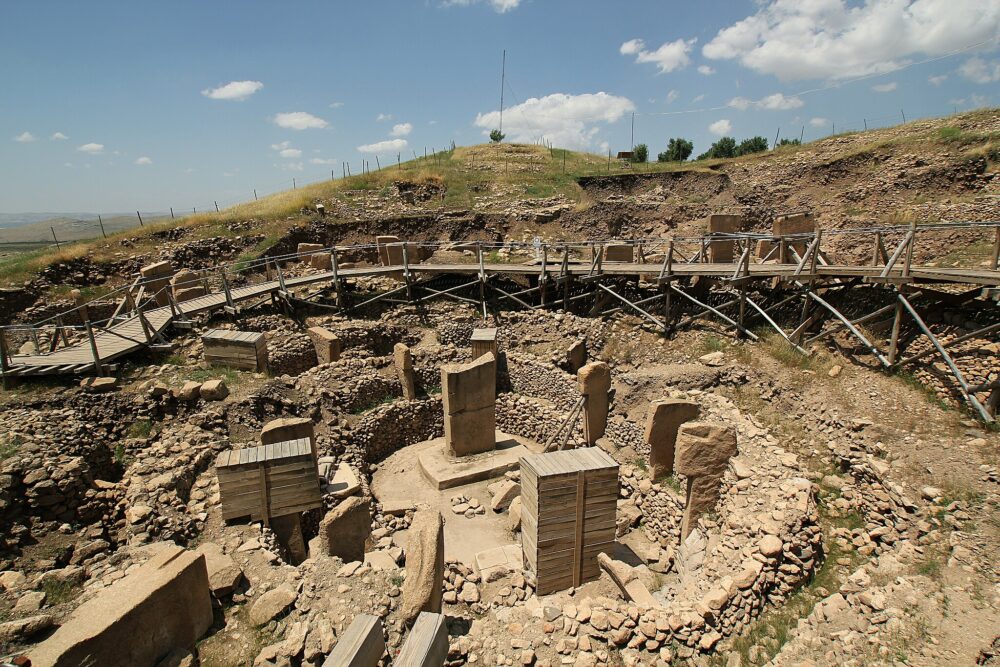
Göbekli Tepe, a prehistoric site in Turkey, contains monumental structures dating back around 12,000 years. Its intricately carved pillars suggest a complex society existed long before settled agriculture was believed to have begun, shaking the foundation of conventional historical timelines.
This ancient sanctuary prompted scholars to revisit ideas about when and why organized religion emerged. The carvings implied ritualistic activity and communal gathering, suggesting spirituality as a driving force before farming. Investigators now consider new dynamics between early social structures and sacred spaces, reshaping narratives of human history.
6. The Lascaux cave paintings showcased early human artistic expression.

The Lascaux cave paintings in southwestern France, discovered in 1940, date back to over 17,000 years ago. These vivid depictions of animals and abstract patterns adorn the cavern’s walls, offering a window into the artistic capabilities of Paleolithic humans.
The discovery highlighted the significance of art in early human communities, suggesting that creativity was present alongside survival. Through these paintings, researchers inferred social and spiritual aspects of prehistoric life, illustrating how early humans interacted with their environment. The artwork remains an enduring testament to humanity’s intrinsic artistic passion.
7. Machu Picchu revealed advanced Incan architecture and society.

Perched high in the Andes, Machu Picchu was rediscovered in 1911, revealing an elaborate Incan city. This remarkable site demonstrated advanced engineering techniques and architectural prowess, nestled seamlessly within its mountainous terrain.
Machu Picchu’s terraces and intricate stonework showcased the ingenuity of the Incan civilization, reflecting sophisticated urban planning and agricultural systems. As the city became a focal point for historical study, it not only connected people to Incan culture but also inspired ongoing exploration of indigenous knowledge systems and their lasting influences.
8. The Vindolanda tablets offered personal glimpses into Roman Britain.
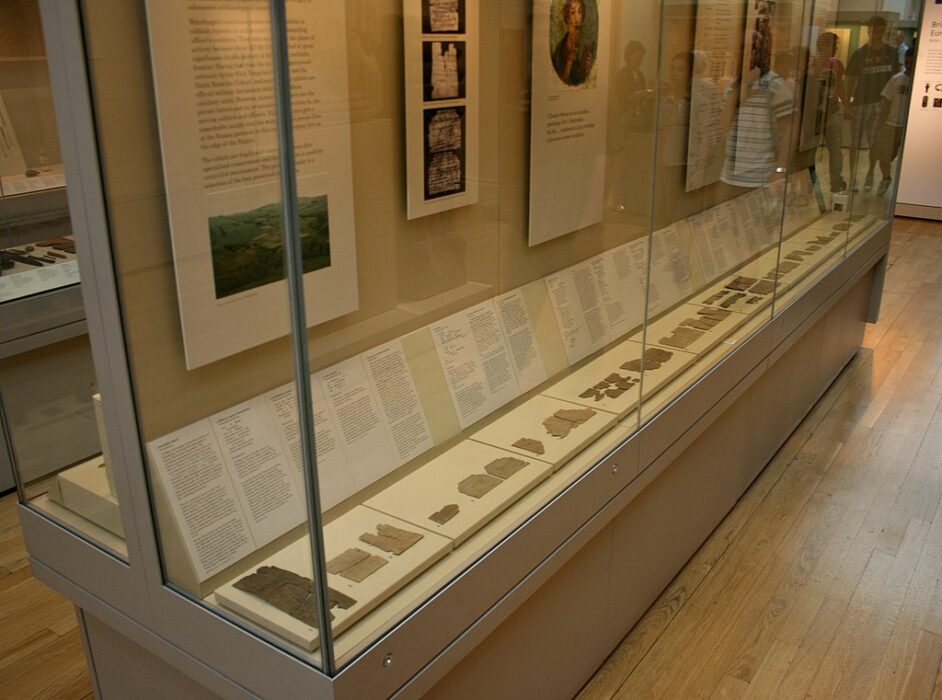
The Vindolanda tablets, small wooden pieces unearthed along Hadrian’s Wall, date from the Roman occupation of Britain. These writings, found largely intact, include personal messages, military reports, and shopping lists, offering intimate glimpses of Roman life.
They bring into view the daily routines and personal relationships of Roman soldiers and their families, enriching our understanding of ancient social dynamics. Unlike grandiose artifacts, these tablets reveal the mundane yet meaningful facets of life, providing a textured understanding of the diverse experiences in Roman Britain.
9. Catalhoyuk exposed details about early urban settlements and cultures.
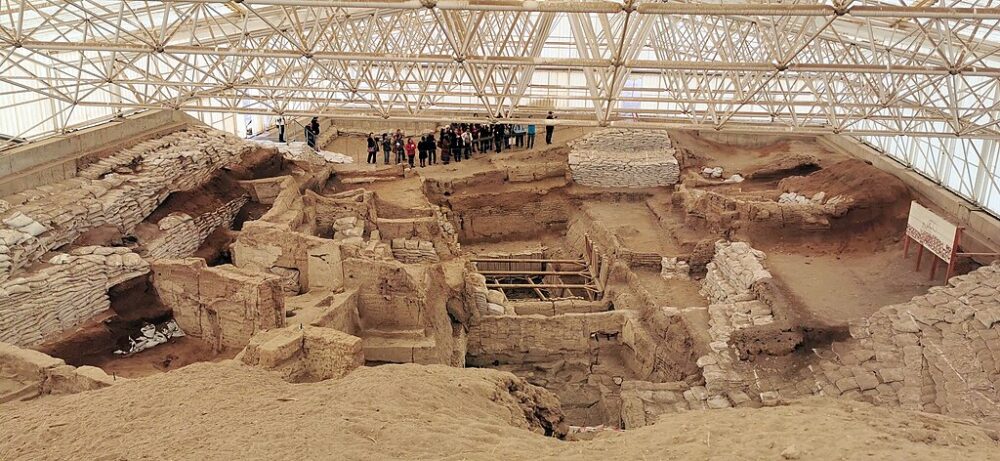
Between 1961 and 1965, excavations at Catalhoyuk in Turkey uncovered one of the world’s oldest urban settlements. This Neolithic site, established around 9,000 years ago, revealed densely packed mud-brick houses and rich mural decorations.
It offered crucial insights into early communal living and architectural innovation, highlighting the sophistication of its residents. By examining Catalhoyuk, researchers gained knowledge about early human society, art, and religion, advancing theories on the origins of urbanization. The site’s complex social structures challenge assumptions about primal human behavior and creativity.
10. The burial of the Sutton Hoo ship uncovered Anglo-Saxon history.
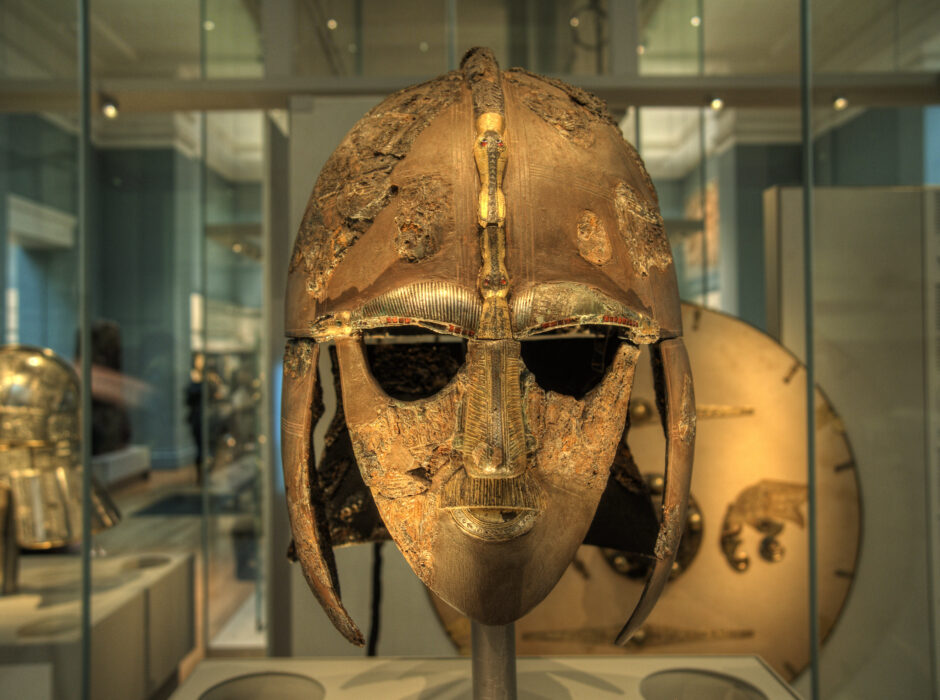
The Sutton Hoo burial site in England, discovered in 1939, contained a ship and treasures dating from the early 7th century. This find unveiled the wealth and craftsmanship of Anglo-Saxon culture, capturing a vibrant picture of this historical period.
Its discovery altered perceptions of Dark Age Europe, showing sophisticated artistry through weaponry, jewelry, and feasting gear. These artifacts illustrated cultural connections and influences across Europe, deepening appreciation for Anglo-Saxon history. The ship burial continues to fascinate, combining legend with archaeological evidence to expand understanding of the era.
11. Ötzi the Iceman provided direct evidence of Chalcolithic life.
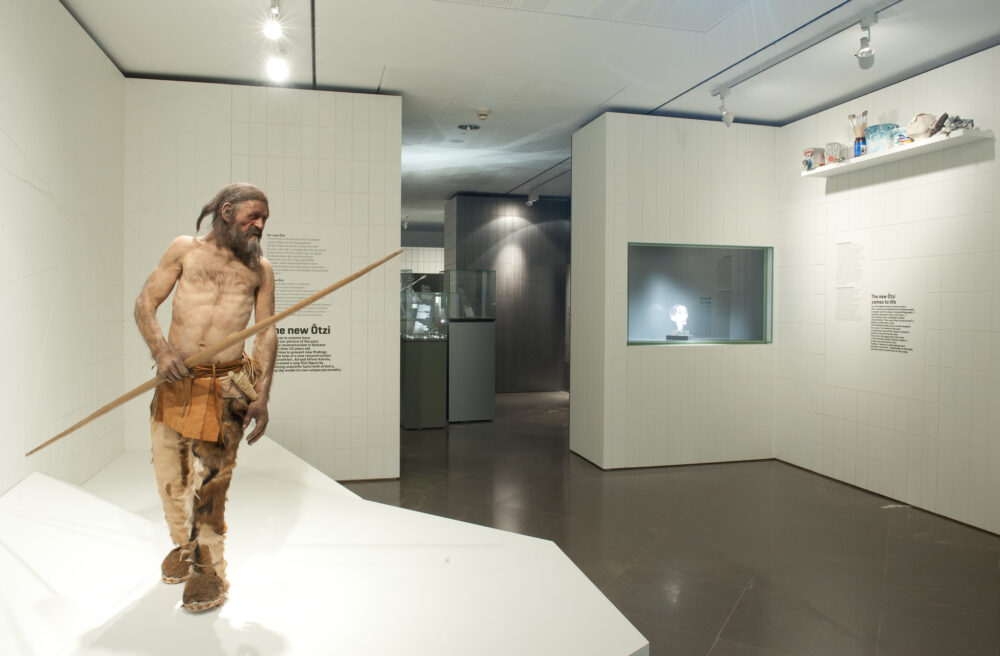
In 1991, Ötzi the Iceman was unearthed in the Alps, offering an unparalleled glimpse into Europe’s Chalcolithic era. His well-preserved body and tools provided direct evidence about clothing, diet, and health conditions from more than 5,000 years ago.
Ötzi’s presence revealed unexpected complexity within early European societies, challenging perceptions of prehistoric lifestyles. His belongings, including a copper axe, suggested advanced technology and trade networks. The circumstances of his death invite ongoing investigations, highlighting how a singular discovery can illuminate many aspects of humanity’s distant past.
12. The excavation of Pompeii preserved daily Roman life in ashes.
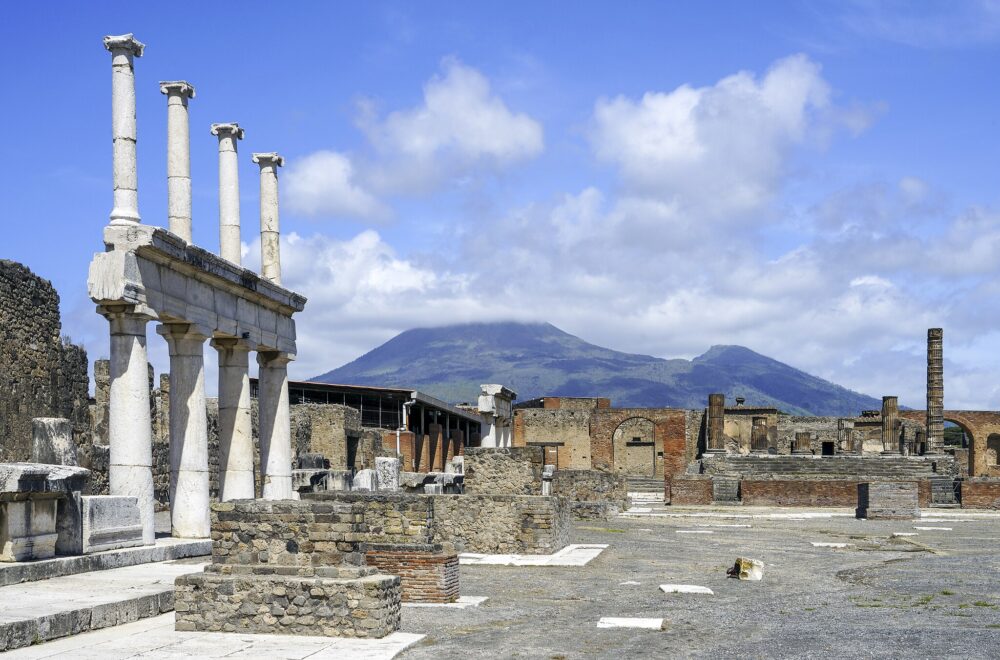
The volcanic eruption that buried Pompeii in 79 CE preserved a Roman city in stunning detail. Ash and pumice encased shops, homes, and frescoes, offering scholars a vivid snapshot of Roman urban life frozen in time.
The city’s preservation allows an in-depth examination of Roman culture, revealing everything from political structures to culinary habits. Personal artifacts unearthed in homes offer intimate stories that transcend centuries, connecting modern observers directly to ancient residents. Pompeii continues to be a key source for studying Roman civilization and its enduring legacies.