
Experts identify states with consistently low natural disaster risks based on geographic and climatic factors.
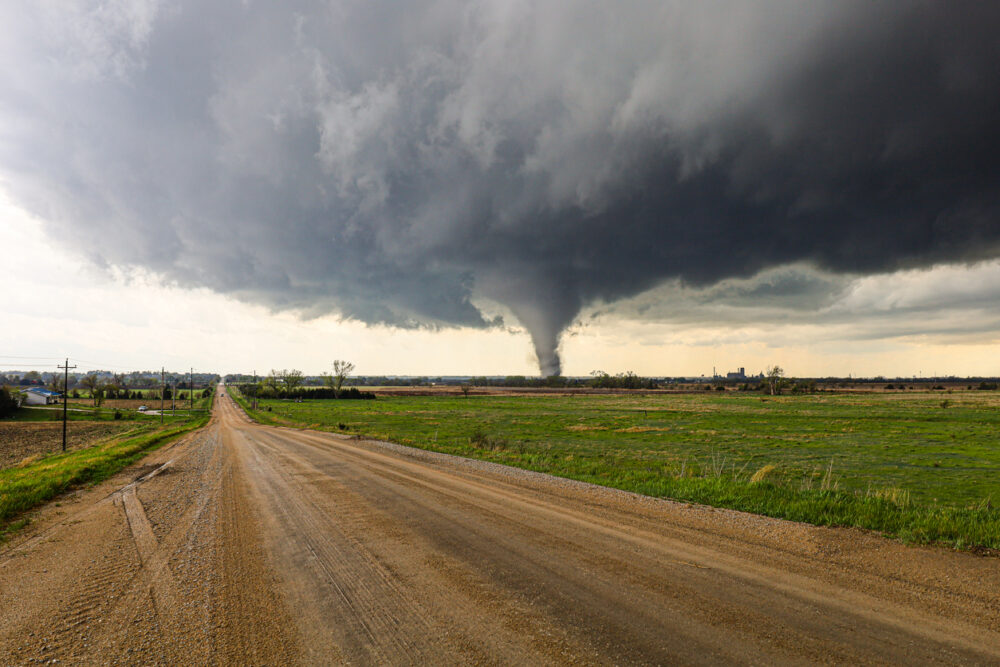
Navigating the complexities of natural disaster risks can be challenging, but expert analyses help highlight states with relatively lower exposure. From the rugged coastlines of Maine to the mountainous terrain of Vermont, these states benefit from geographic and climatic conditions that minimize common threats like hurricanes, earthquakes, and tornadoes. Understanding these factors is crucial for making informed decisions about where to live or travel, supported by data from agencies like FEMA and the National Weather Service.
1. Maine consistently ranks among the safest states from natural disasters.
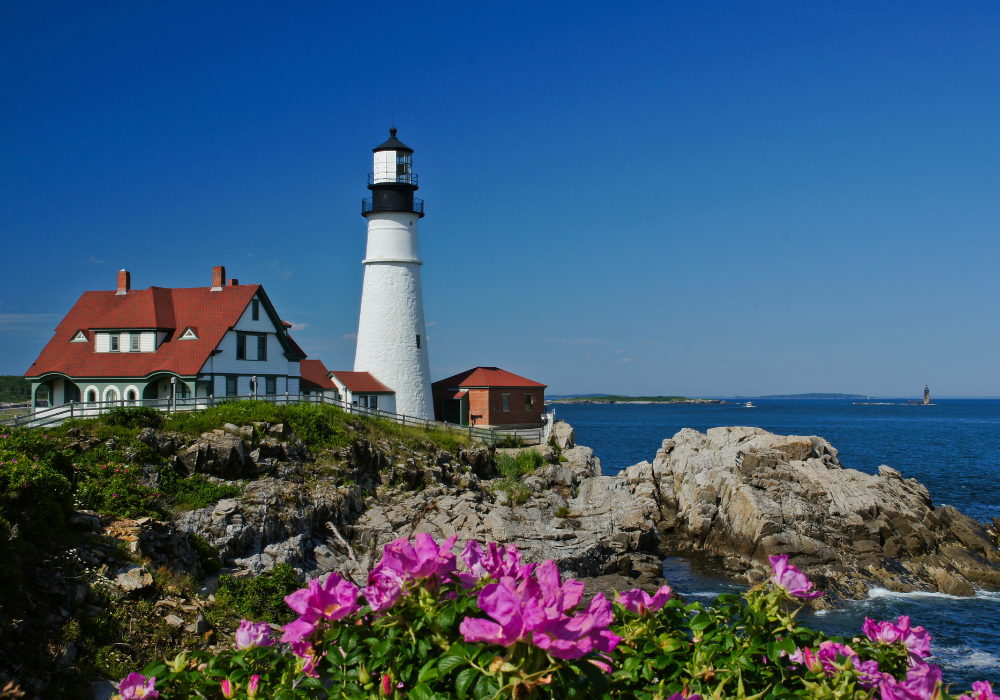
Maine’s geographic location and stable climate contribute to its reputation as a safe state from natural disasters. With its coastline on the northern Atlantic, it faces fewer hurricanes and less severe weather, benefiting from consistent seasonal patterns and robust emergency services.
Despite its safety, localized risks like floods in certain areas highlight the need for localized disaster evaluations. While generally low-risk, specific zones may still require precautions and preparedness plans tailored to Maine’s unique environment, especially near rivers or coastal zones susceptible to surges.
2. Vermont experiences fewer natural disasters compared to most other states.
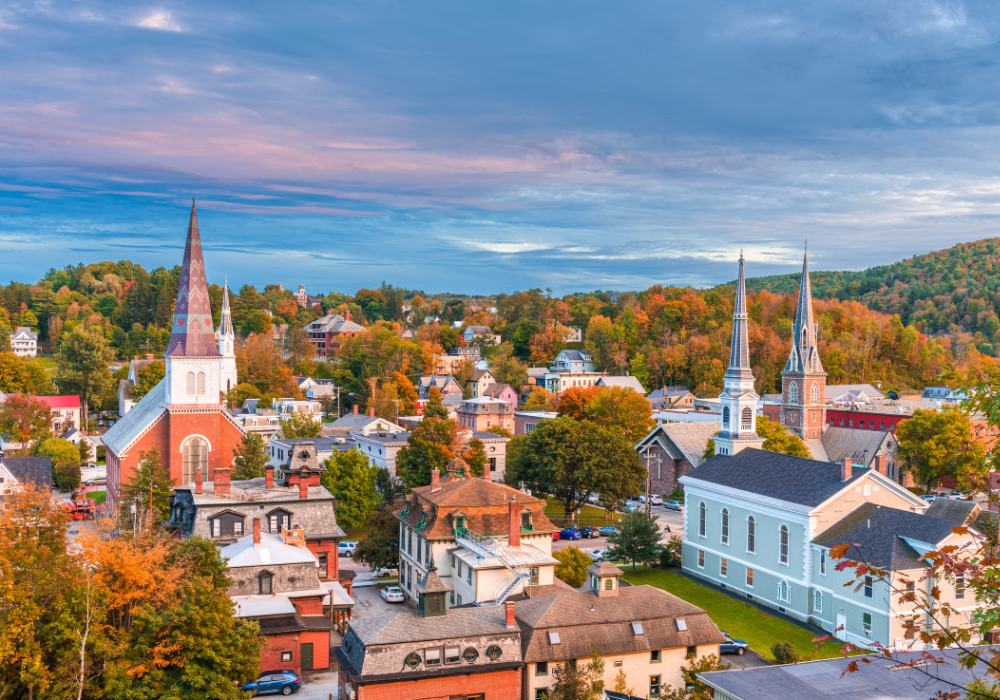
Vermont has a history of fewer natural disasters, partly due to its inland location. The Green Mountains moderate severe weather, reducing the chances of hurricanes and tornadoes making landfall, while providing a buffer against harsh climatic conditions often seen in neighboring states.
Although naturally sheltered, localized flooding and winter storms can pose occasional threats. This variability underscores the importance of understanding specific regional conditions within Vermont, as some areas near water bodies might still experience unique risks despite the state’s overall calm climatic profile.
3. Minnesota’s location offers protection from many common natural disasters.

Minnesota’s central position shields it from coastal threats like hurricanes and tropical storms. Situated away from tectonic plate boundaries, the state faces minimal earthquake risk and benefits from a landscape that deflects severe weather patterns commonly affecting other regions.
However, thunderstorms and occasional tornadoes indicate the importance of preparedness. These specific occurrences highlight localized vulnerabilities, while the state remains broadly protected from the widespread devastation experienced elsewhere, allowing for proactive local plans to mitigate isolated incidents effectively.
4. New Hampshire has a low risk for hurricanes and severe storms.
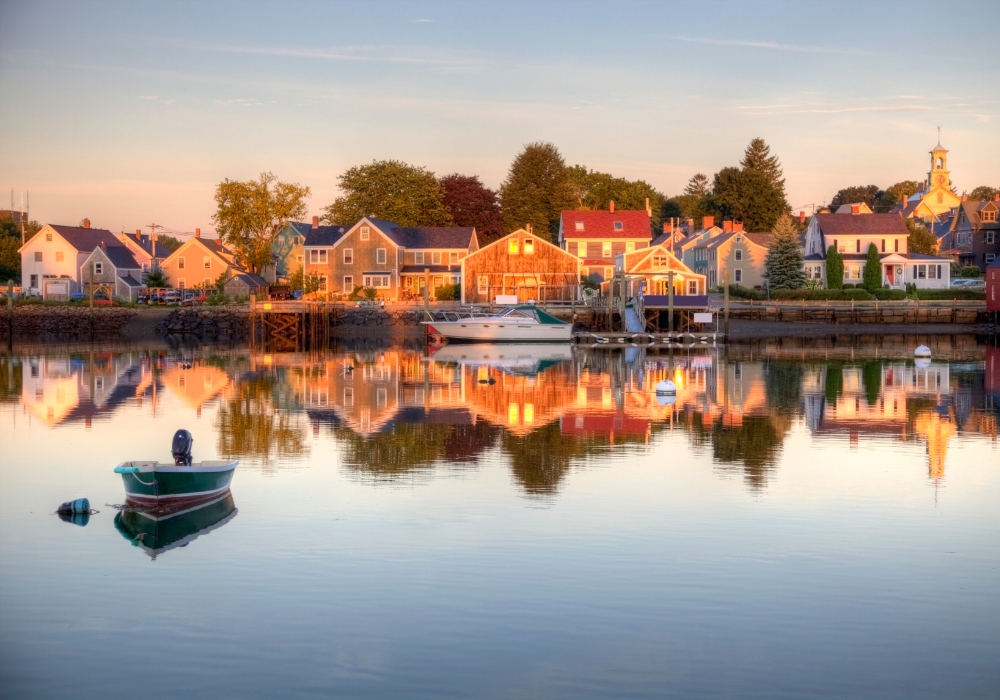
New Hampshire benefits from its geographical distance from tropical storm-prone areas, minimizing hurricane threats. With significant tree coverage and mountainous terrain, severe storm impacts are often lessened, making it a desirable location with respect to natural disaster frequency.
Localized flooding remains a concern, particularly in low-lying areas near rivers. This underscores the nuanced nature of disaster risk, where understanding individual community vulnerabilities helps manage potential hazards despite the state’s generally safe standing.
5. Massachusetts benefits from strong infrastructure against natural disaster threats.
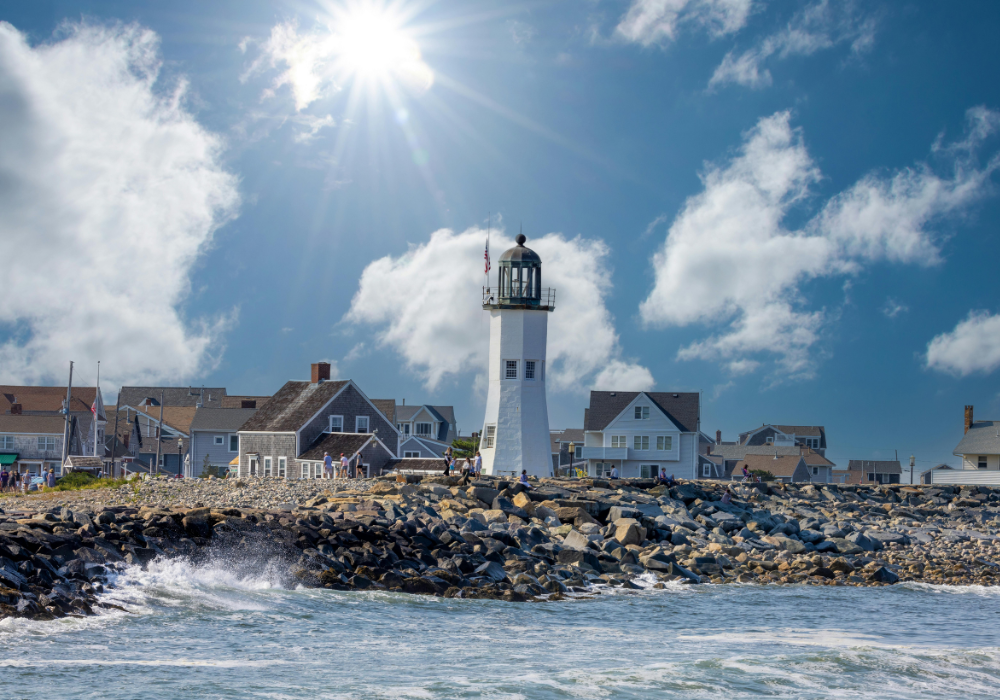
Massachusetts has developed robust infrastructure strategies to combat natural disasters. Coastal areas implement state-of-the-art flood defenses, while inland, strong building codes protect against damages typically caused by New England’s variable weather.
Although its coastal location might suggest higher hurricane susceptibility, the state’s emphasis on forward-thinking preparedness ensures resilient responses. This blend of natural and man-made defenses enhances Massachusetts’s ability to manage and recover from potential severe weather events.
6. Connecticut is often considered safe from major natural catastrophe risks.
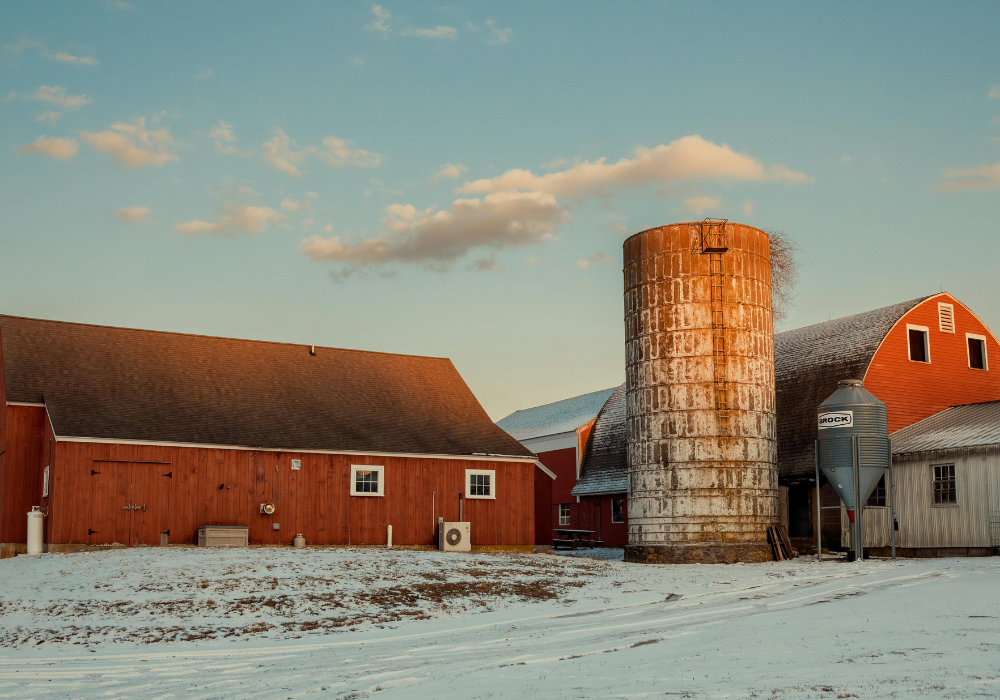
Connecticut’s position and climate offer a protective cushion against major natural disasters. The state experiences few extreme events, with its northern and central regions particularly sheltered from severe hurricanes and tornadoes common in other parts of the country.
However, flooding in certain areas due to river overflows illustrates the need for vigilant planning and awareness. This highlights how general risk assessments might overlook specific localized challenges, emphasizing continuous monitoring and context-aware safety evaluations within Connecticut borders.
7. Rhode Island’s geographic location reduces its exposure to many disasters.
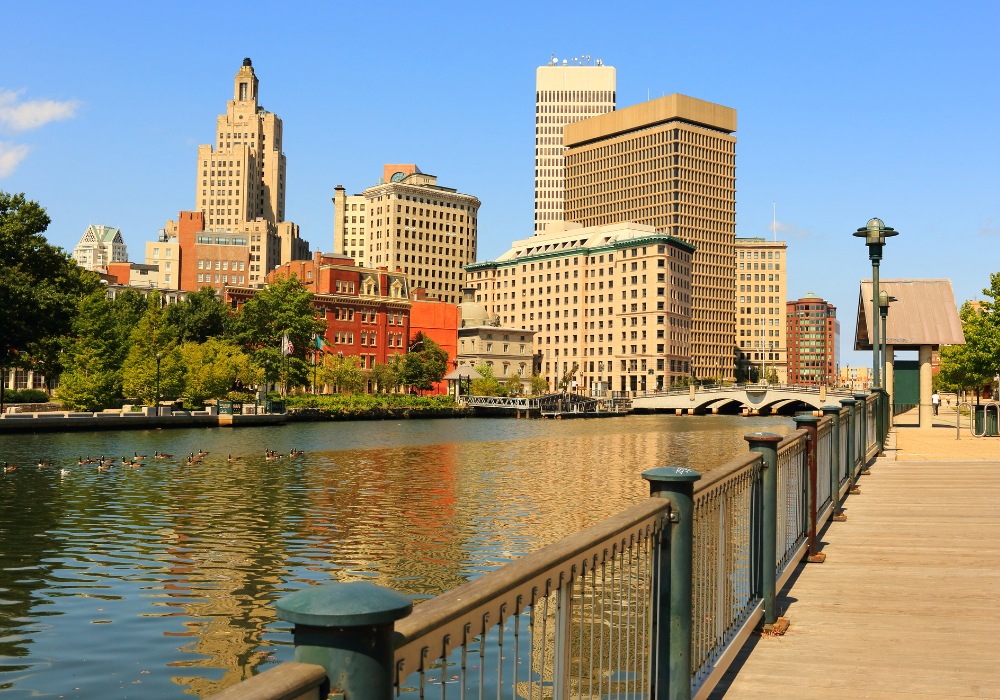
Rhode Island leverages its location to limit exposure to various natural disasters. While it lies along the Atlantic, its small size and infrastructure readiness help contain the effects of severe storms, showcasing a unique resilience.
Localized storm surges and coastal flooding necessitate focused preventive measures in certain areas. Amidst broader safety advantages, contrasting risk within its regions stresses the importance of precise geographic understanding to safeguard local communities while maintaining robust statewide disaster protocols.
8. Oregon has natural disaster safety advantages due to its climate and terrain.
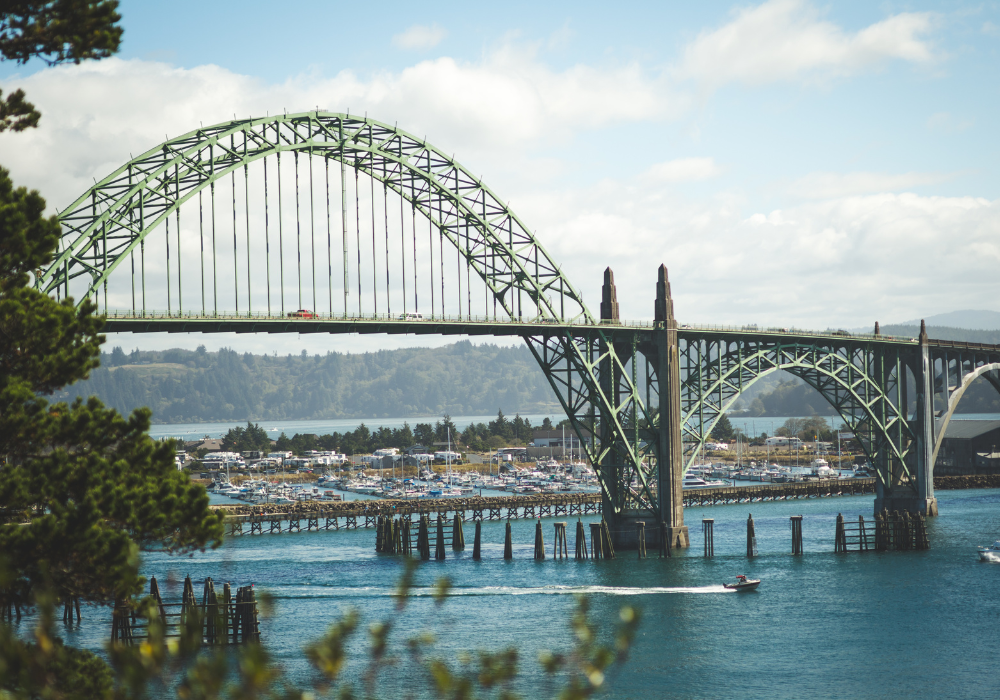
Oregon’s diverse topography and climate provide natural disaster safety advantages. Its northern Pacific location limits hurricane exposure, while varied landscapes like forests and highlands moderate extreme weather and offer protection from common natural calamities.
Volcanic activity remains a potential concern, though rare. Such geological features encourage ongoing risk evaluation and monitoring, which integrates recognition of natural strengths with respect to disaster defense, safeguarding communities within Oregon’s distinctive environmental parameters.
9. Washington state has lower exposure to hurricanes and tornadoes than many states.
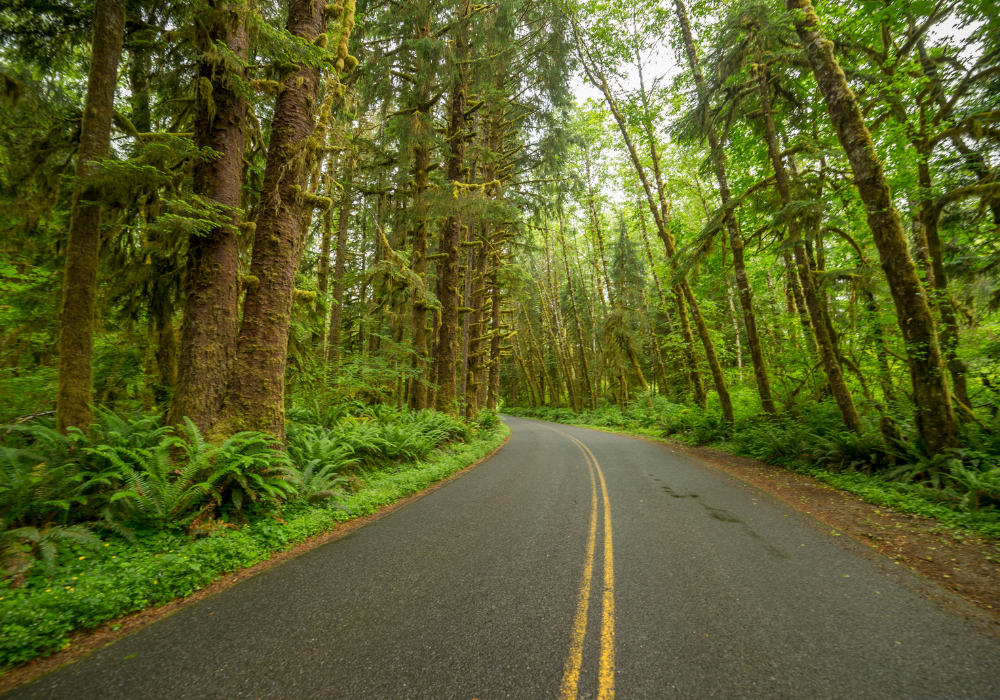
Washington state’s climate keeps hurricane threats at bay, largely due to its westward location beyond typical storm tracks. The Cascade Range further adapts weather conditions, offering protection from certain severe elements and bolstering the state’s natural defense.
Earthquake risk Shifts focus towards infrastructure resilience. This nuanced danger encourages proactive planning and innovations in structural safety, establishing an integrated approach to disaster management while reducing overall vulnerability to seasonal or unexpected events.
10. Idaho experiences fewer natural disasters, making it a relatively safe choice.
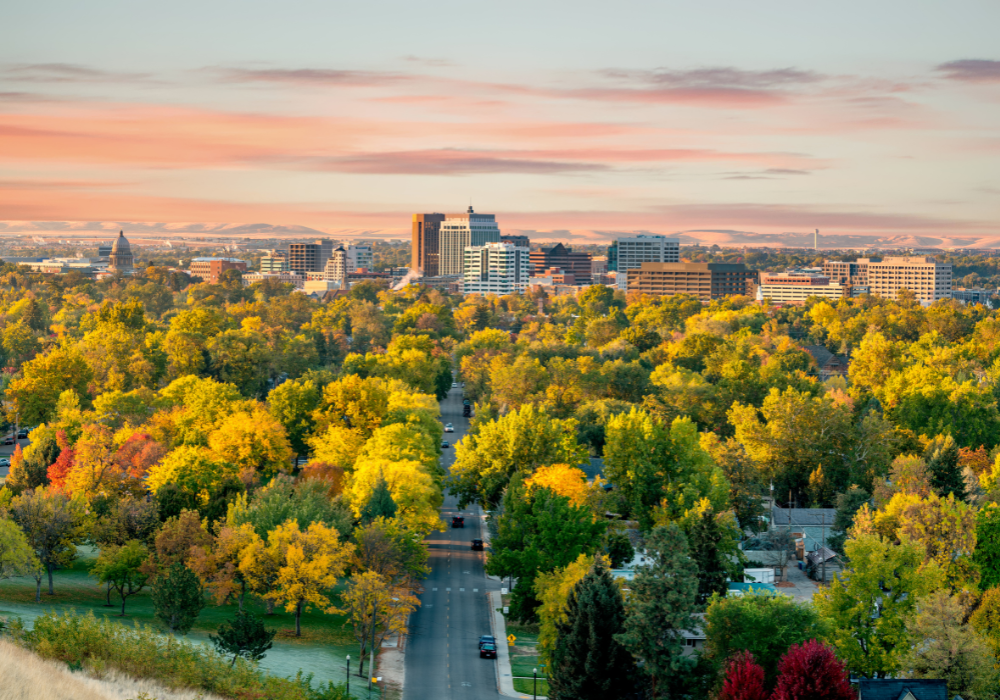
Idaho’s inland positioning and climate conditions contribute to its relative safety from natural disasters. Devoid of coastal storm risks, such as hurricanes, the state is generally exempt from the intensity of midwestern tornado activity.
Occasional wildfire activity necessitates awareness and readiness among residents. While Idaho remains a relatively secure option, encouraging adaptive measures and fostering a culture of preparedness ensures community resilience against those specific challenges that might arise intermittently.