
Scientists highlight real victories proving conservation efforts are making a difference.
Across the globe, a number of conservation successes demonstrate how targeted efforts can restore ecological balance and biodiversity. From reforestation projects to reducing plastic pollution, these milestones reflect the power of coordinated action among communities, scientists, and policymakers. Grounded in research by the EPA, NASA, and the National Park Service, these examples illustrate practical ways ecosystems are healing and resilience is growing, informing ongoing environmental stewardship.
1. The return of wolves to Yellowstone marks a pivotal ecosystem recovery.

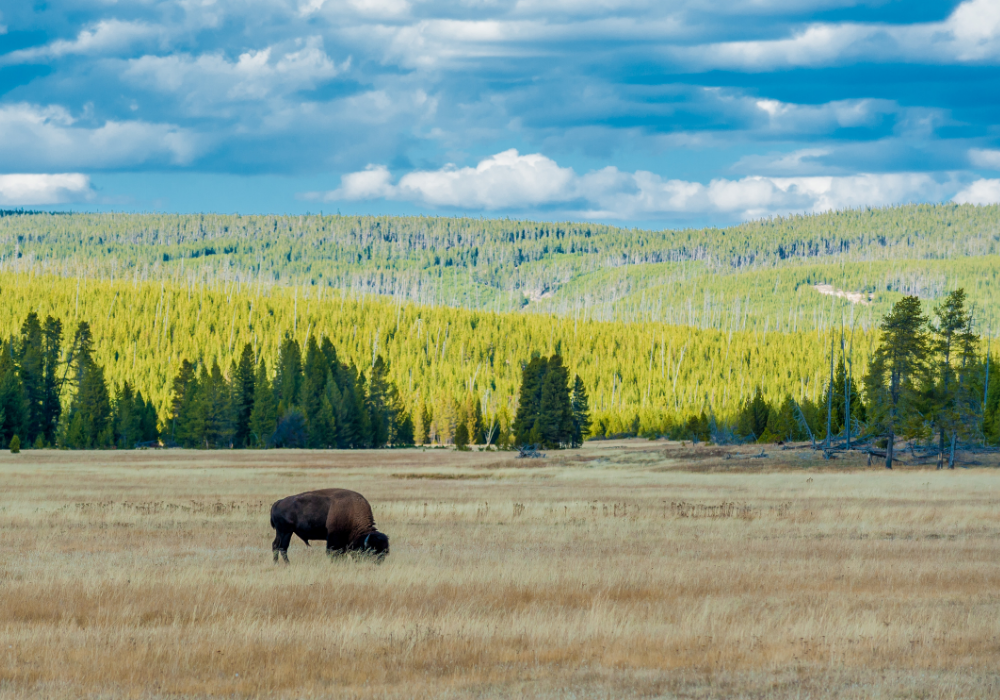
In Yellowstone National Park, the reintroduction of wolves created a remarkable ripple effect across the ecosystem. These apex predators help control elk populations, preventing overgrazing of vital vegetation. Streams once overtaken by erosion now support willow and beaver populations. It’s transformative.
Beyond population balance, wolf reintroduction in Yellowstone showcases a top-down approach to ecological restoration. Biologists have noted improvements across the landscape, with species like songbirds and amphibians making returns. This success highlights how targeted rewilding efforts can rejuvenate interconnected ecosystems and inspire broader conservation strategies.
2. Coral reefs show signs of resilience following successful marine protection efforts.
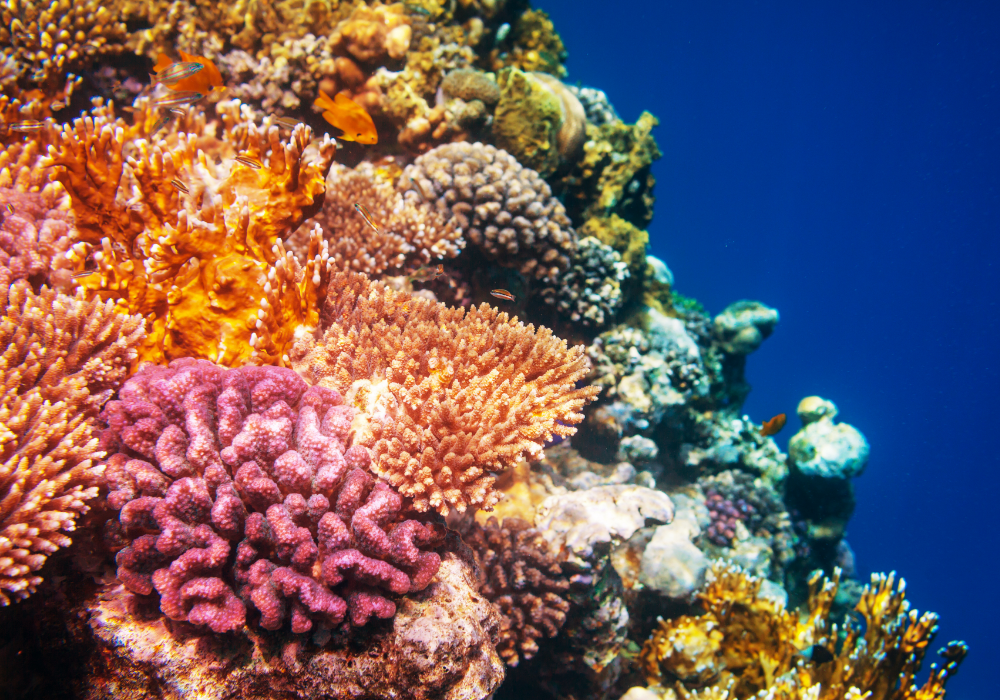
Efforts to protect coral reefs are bearing fruit, with many showing increased resilience. Marine parks and sanctuaries create zones free from fishing pressures. Algal growth that once suffocated corals recedes, allowing vibrant coral polyps to thrive anew. This evolution supports diverse marine life.
Protection measures extend beyond local waters; reducing land-based pollution also strengthens coral resilience. While climate change remains a looming threat, these signs of recovery demonstrate how targeted marine conservation can bolster vulnerable ecosystems, offering hope against global pressures and restoring ecological balance.
3. Reforestation projects globally are restoring vital habitats and biodiversity.

Around the world, reforestation projects are breathing new life into depleted landscapes, offering habitats a second chance. New trees combat soil erosion while inviting birds and insects back. Lush forests rise from barren fields. It’s a testament to nature’s regeneration capacity.
These initiatives extend beyond environmental benefits; they absorb carbon dioxide, mitigating climate change, and foster economic opportunities for local communities. By cultivating a mix of native species, these efforts nurture biodiversity effectively, showcasing how committed restoration can heal ecosystems and sustain human livelihoods seamlessly.
4. Plastic waste reduction campaigns are cutting pollution in oceans dramatically.

Plastic waste reduction campaigns are tangibly decreasing pollution levels in our oceans. Community efforts and policy changes help curb the influx of plastic waste. Clean beaches reflect the success, providing safe environments for marine species. The impact is noticeable.
Large-scale initiatives focus on cutting single-use plastics, leading to a healthier marine environment. Recycling programs and innovative materials further contribute to this positive trend. These developments underscore a global commitment to ocean preservation, showcasing how consistent actions and decisions can reinforce environmental resilience.
5. Protected areas expansion is creating safe havens for endangered species.

Expansions in protected areas offer endangered species crucial sanctuary. Conservationists designate public lands to secure habitats from human encroachment. Within these safe havens, flora and fauna populations can stabilize and grow. It’s a strategic conservation triumph.
This effort underscores the nuance of conservation planning, which considers ecological, economic, and social factors. By fostering diverse ecosystems, these protected zones become thriving bastions of biodiversity, providing research opportunities and safeguarding nature against diverse threats, ensuring reconstructive growth is deeply rooted and far-reaching.
6. Community-led conservation helps preserve local wildlife and traditional knowledge.
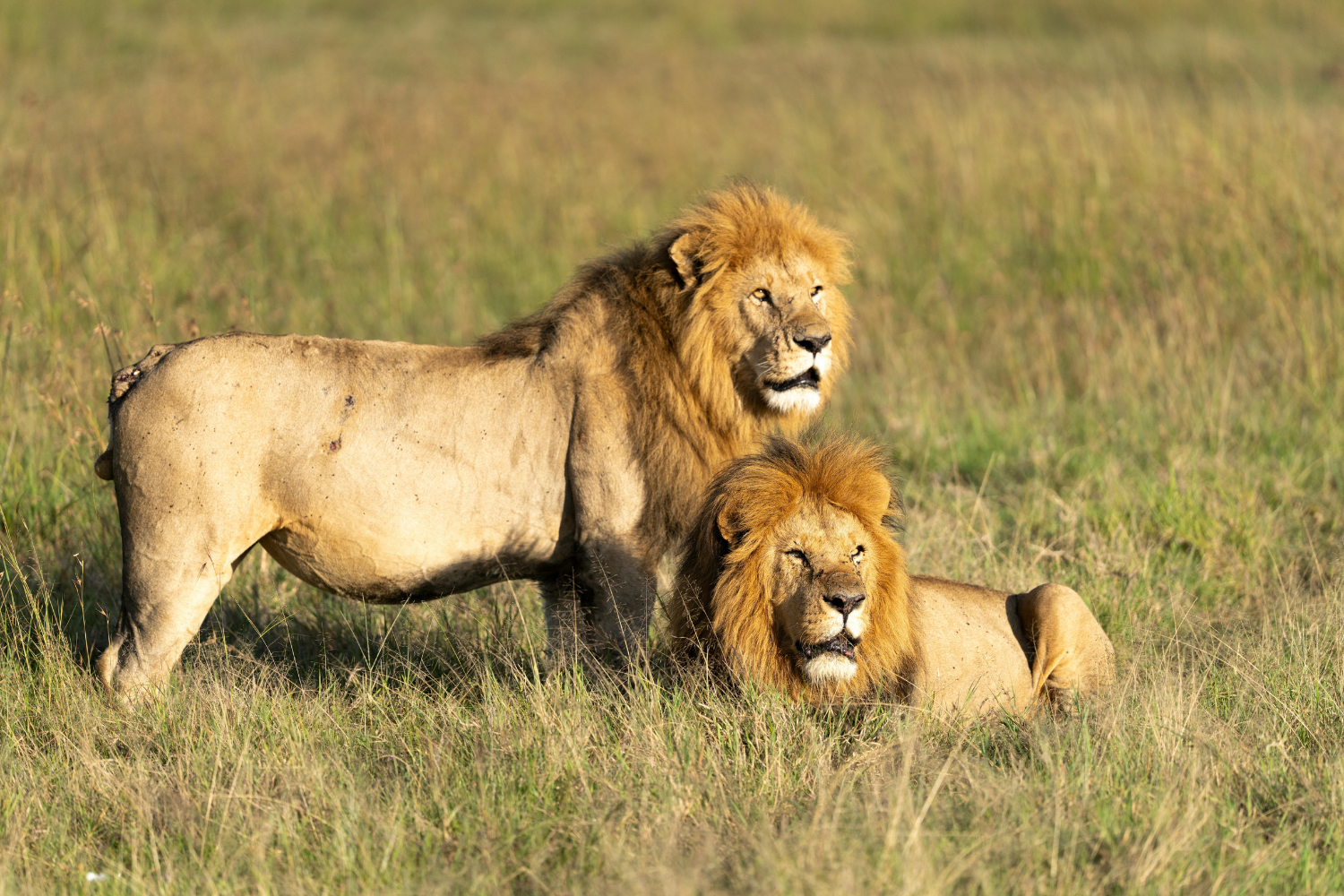
Community-led conservation initiatives safeguard local species and heritage, intertwining traditional knowledge with ecological preservation. On-the-ground efforts protect local environments while providing income sources. Example: community rangers embracing stewardship roles in savannah locations. Such efforts resonate deeply with cultural ties.
Involving local communities harnesses unique insights into species behaviors, providing an educational exchange that reinforces conservation impacts. Empowerment resonates across generations, proving that grassroots efforts can effectively address ecological challenges while maintaining cultural integrity, fostering a deeper sense of guardianship over shared natural resources.
7. Advances in renewable energy decrease reliance on fossil fuels significantly.
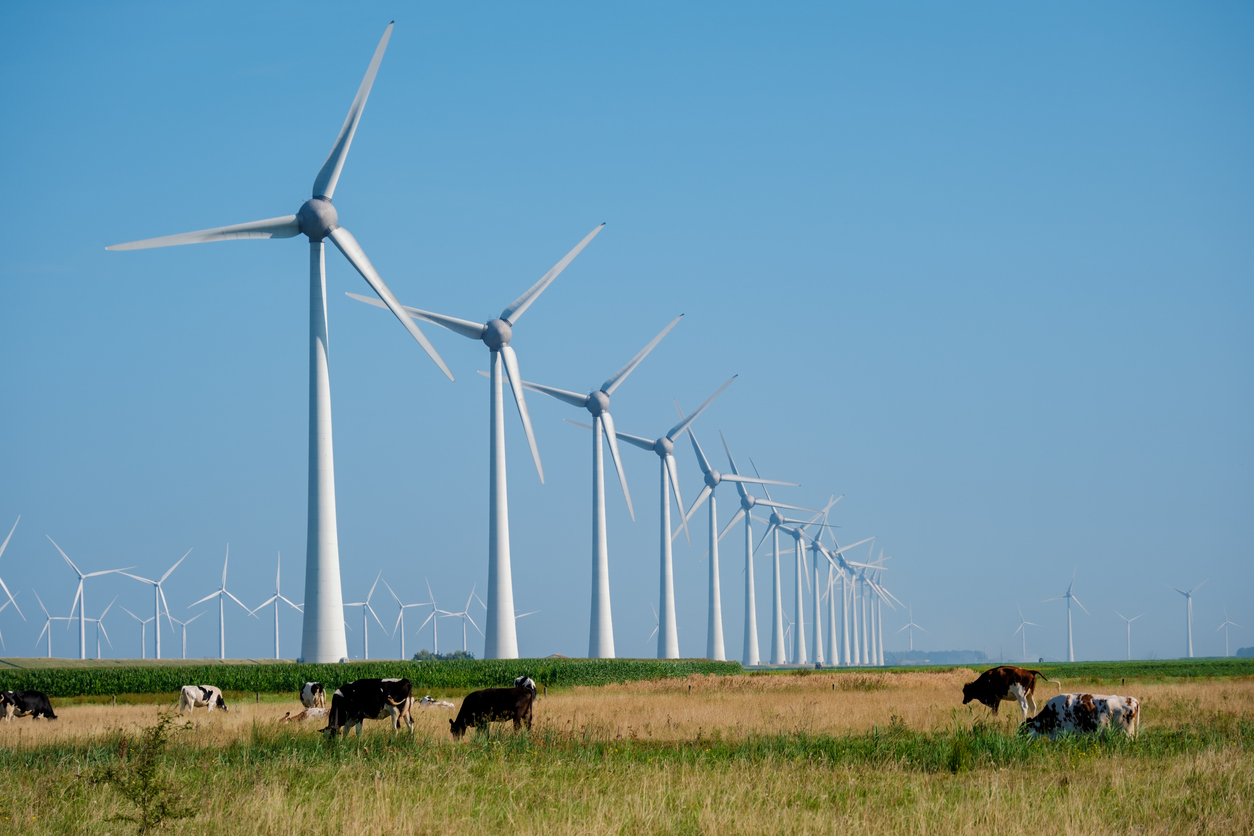
The rise in renewable energy adoption curtails dependence on fossil fuels across landscapes. Wind farms, for instance, create a pulsing rhythm along the horizon, signaling change. This transformation underpins a shift to clean energy sources, significantly lowering atmospheric carbon emissions.
Reducing fossil fuel reliance impacts ecosystems, minimizing air pollution and habitat destruction typically associated with traditional energy extraction methods. This movement toward renewables defines a global stride toward sustainability, illustrating a future where respectful environmental interactions dictate energy policy and conservation aligns with progress.
8. Restored wetlands improve water quality while supporting diverse animal populations.
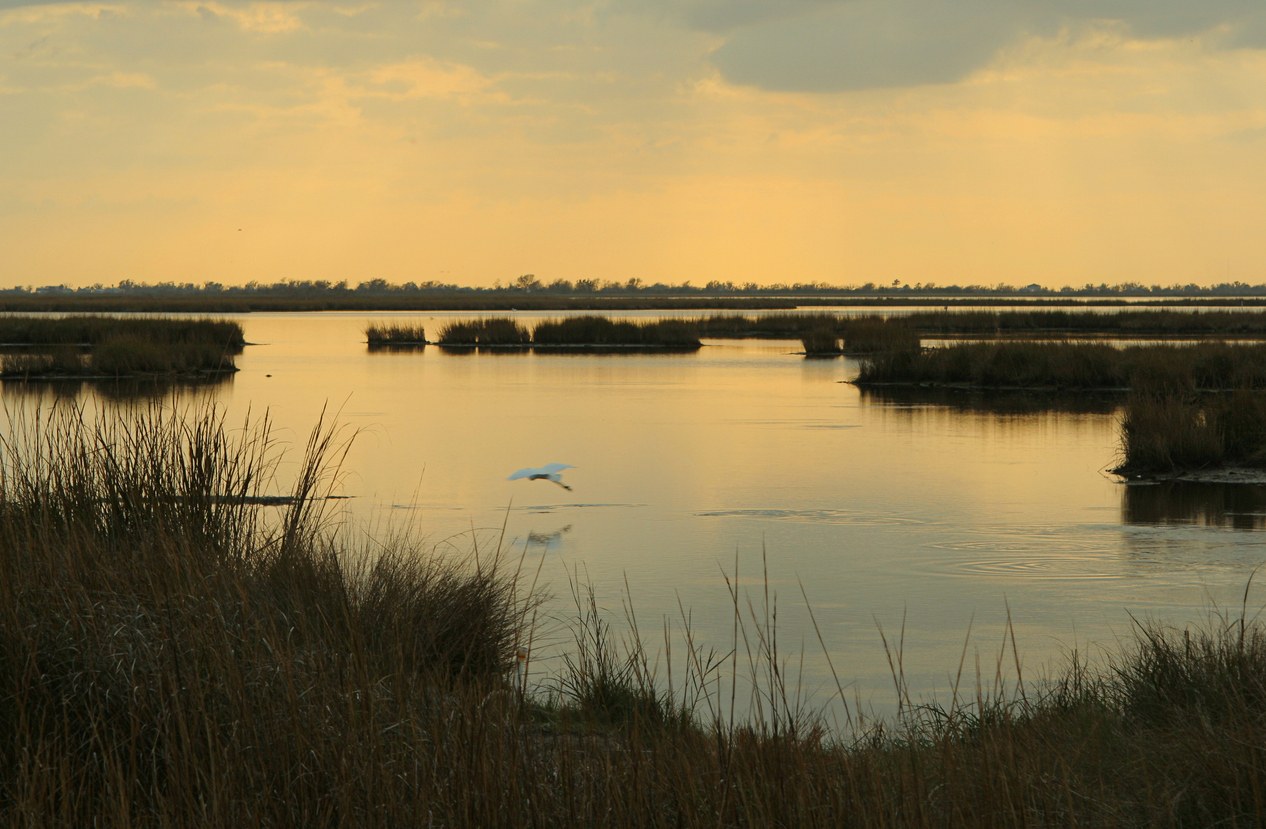
Revived wetland areas enhance water filtration while bolstering animal habitats. New reeds sway in the breeze, denoting a return to health. These ecosystems serve as natural buffers, purifying water supplies and supporting fish and bird species alike. It’s a striking change.
Beyond wildlife support, revitalized wetlands provide flood control, capturing excess rainwater with remarkable efficiency. These multifunctional landscapes demonstrate the potent mix of biodiversity and utility, proving that when ecosystems are allowed to regenerate, they offer invaluable services that extend beyond mere habitat restoration.
9. Sustainable agriculture practices are reducing environmental impact effectively.

Sustainable agricultural practices reduce environmental impact by integrating eco-friendly methods into farming. Techniques like crop rotation and natural pest control decrease chemical dependencies. Fields become hosts to multiple species, with tension between agricultural need and ecological health easing. It’s a shift toward harmony.
These practices reflect a shift in farming philosophy, where soil health dictates productivity. By emphasizing sustainability, farms contribute to healthier, more diverse ecosystems. It’s a lesson in balance and a response to the pressing need for agricultural resilience against environmental challenges, indeed echoing nature’s rhythms.
10. Innovative wildlife corridors reconnect habitats and enable safe animal movement.

Novel wildlife corridors reconnect fragmented habitats, allowing safe passages for animal movements. Carefully calculated swath paths link isolated populations, promoting genetic diversity. A mountain pass-turned-corridor sees echoes of past migrations return. Animals flow freely.
Such corridors balance human infrastructure with nature, transforming barriers into bridges for wildlife. This thoughtful design respects both ecological and anthropogenic needs, crafting landscapes that embrace coexistence and active conservation. Renewed connectivity demonstrates how integrating spatial planning and environmental preservation can yield beneficial outcomes for biodiversity and humanity alike.