
Scientists reveal how animals are evolving and adapting to survive a warming planet and disrupted ecosystems.

Climate change poses significant challenges to wildlife, forcing animals to alter their behavior and physiology to survive. From shifting habitats and migration patterns to evolving physical traits and new symbiotic relationships, these adaptations reveal remarkable resilience. Understanding these survival strategies, as documented by experts at NOAA, USGS, and NASA, provides insight into biodiversity preservation and the intricate balance within ecosystems facing ongoing environmental change.
1. Shifting habitats to cooler or more stable environments for survival.
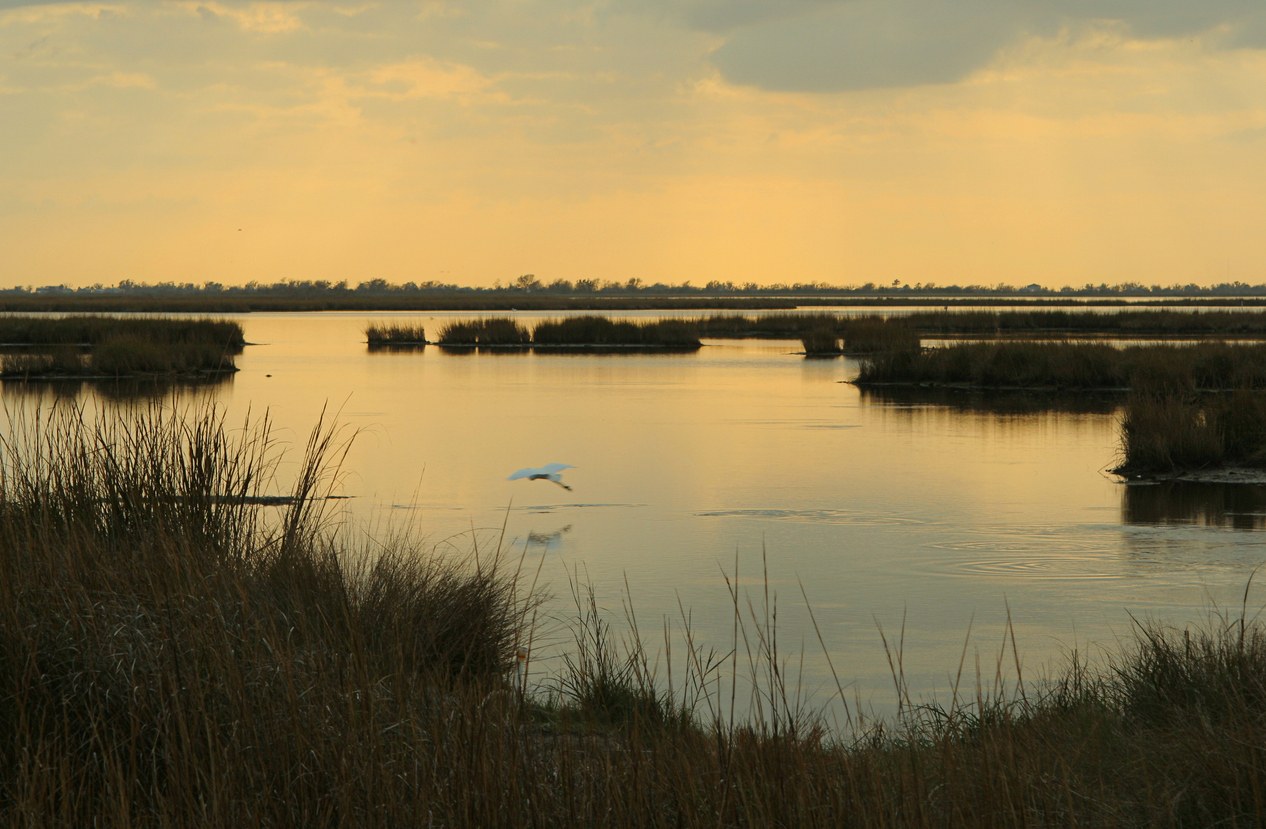
Many animals relocate to habitats that offer stable climates more suitable for survival. This shift often leads creatures to higher altitudes or latitudes where temperatures remain cooler. Polar bears, for instance, might wander further afield in search of dwindling ice regions.
Such relocations, however, present challenges. New habitats can lack familiar resources, forcing animals to adapt quickly or face dwindling populations. Habitat shifts might also lead to competition with other species, potentially altering ecosystem dynamics in profound and lasting ways.
2. Altering migration patterns to match changing seasonal cues effectively.
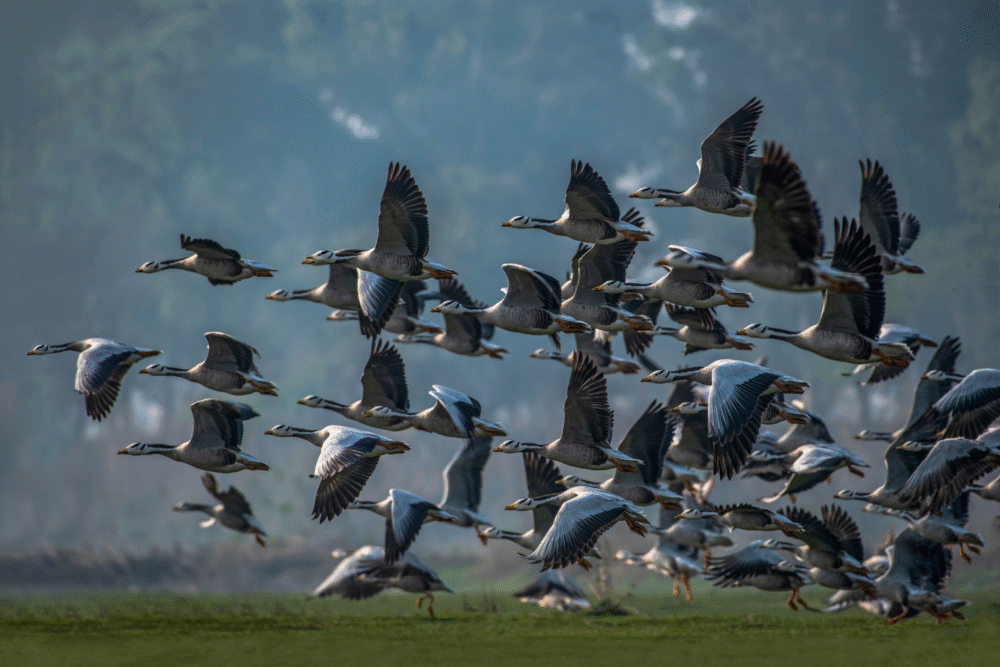
Changes in migration patterns play a crucial role as animals respond to climate signals differently. Warmer temperatures often advance the seasonal cues that trigger migration. Birds, for instance, may arrive at nesting sites weeks earlier than in previous decades.
These altered patterns require animals to adapt quickly to avoid mismatches. If prey or plant life hasn’t adjusted similarly, it can lead to food shortages. Such scenarios highlight the intricate balance within ecosystems and the precision needed for successful migration.
3. Adjusting breeding times to ensure offspring thrive in new conditions.
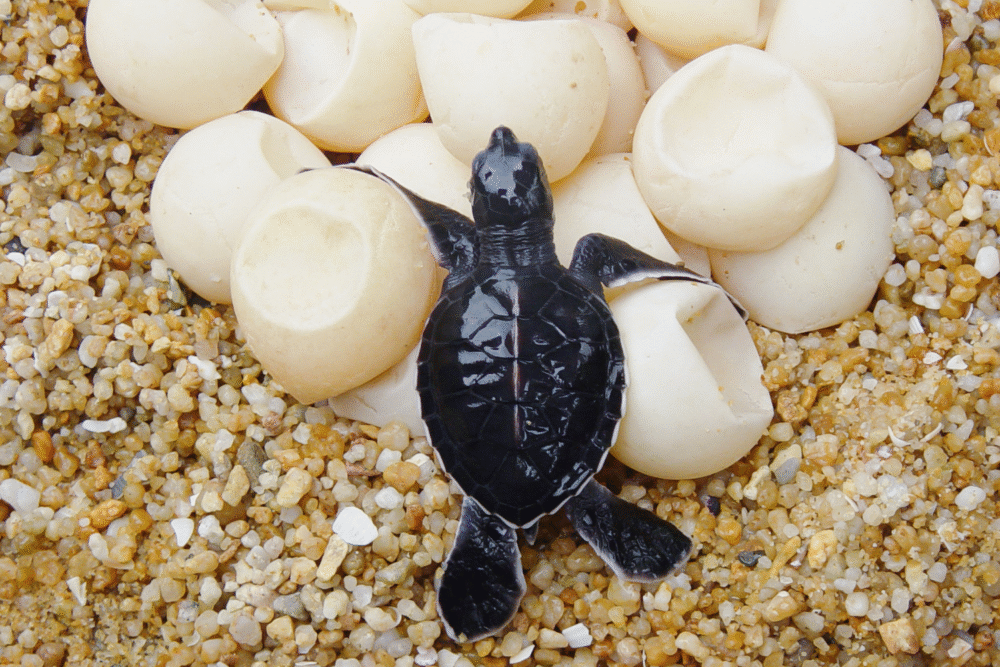
For many species, altering breeding times is essential for ensuring offspring survival in a shifting climate. Amphibians, for instance, have been observed breeding earlier as temperatures rise. This adjustment helps synchronize hatching with available food resources.
Yet, this shift is a delicate balance. If environmental conditions fluctuate unexpectedly, early breeders risk facing conditions their young can’t withstand. Understanding how timing influences survival can offer insight into broader ecosystem resilience under climate pressure.
4. Developing changes in physical features like fur density or coloration.
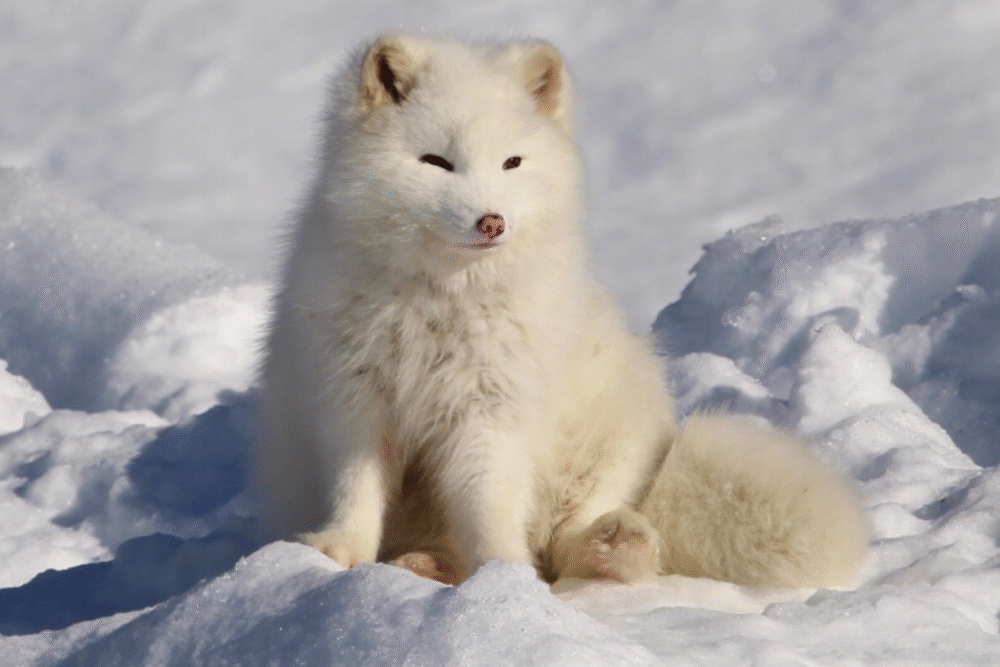
Physical features, like fur density or skin coloration, may evolve as animals adapt to temperature shifts. Thicker coats can provide better insulation in colder climates, while altered coloration may offer camouflage in new environmental backdrops.
For instance, some Arctic species develop denser fur to cope with temperature extremes. These physical changes not only facilitate immediate survival advantages but may also influence longer evolutionary paths. The ability to evolve such traits underscores the adaptive potential within genetics.
5. Increasing tolerance to temperature fluctuations for broader habitat range.
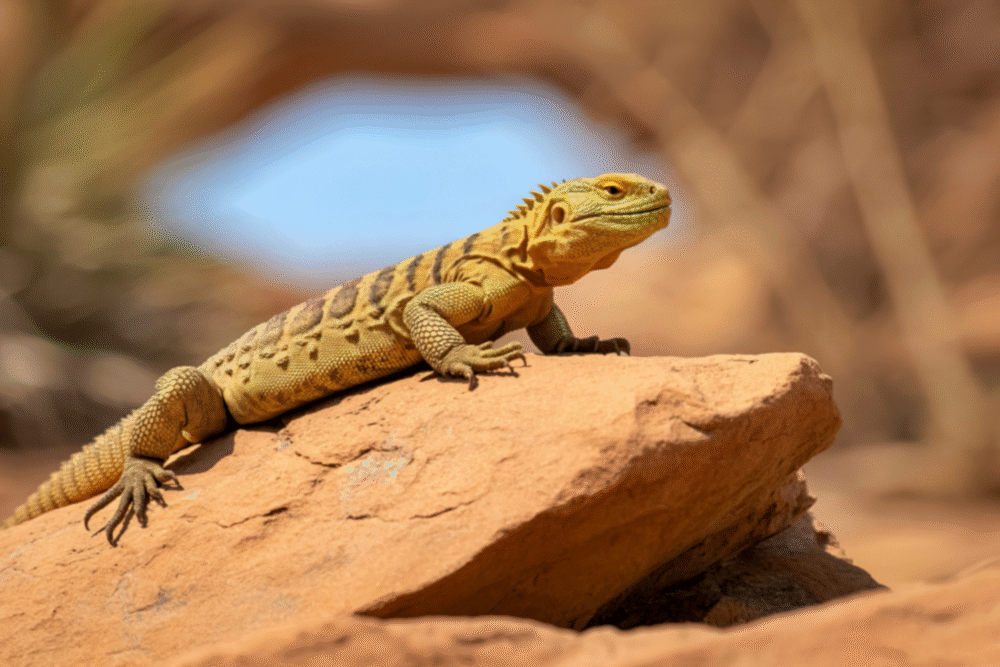
Certain species increase their tolerance to temperature fluctuations, widening their potential habitats. By developing mechanisms to endure broader temperature ranges, animals can exploit environments previously unsuitable. Lizards, for instance, may bask in the sun more frequently to regulate body heat.
Enhanced thermal tolerance has implications beyond individual survival. It can affect community dynamics, allowing species to encroach upon or vacate regions, thus altering predator-prey relationships and ecological roles within habitats.
6. Evolving dietary flexibility to accommodate new or scarce food sources.
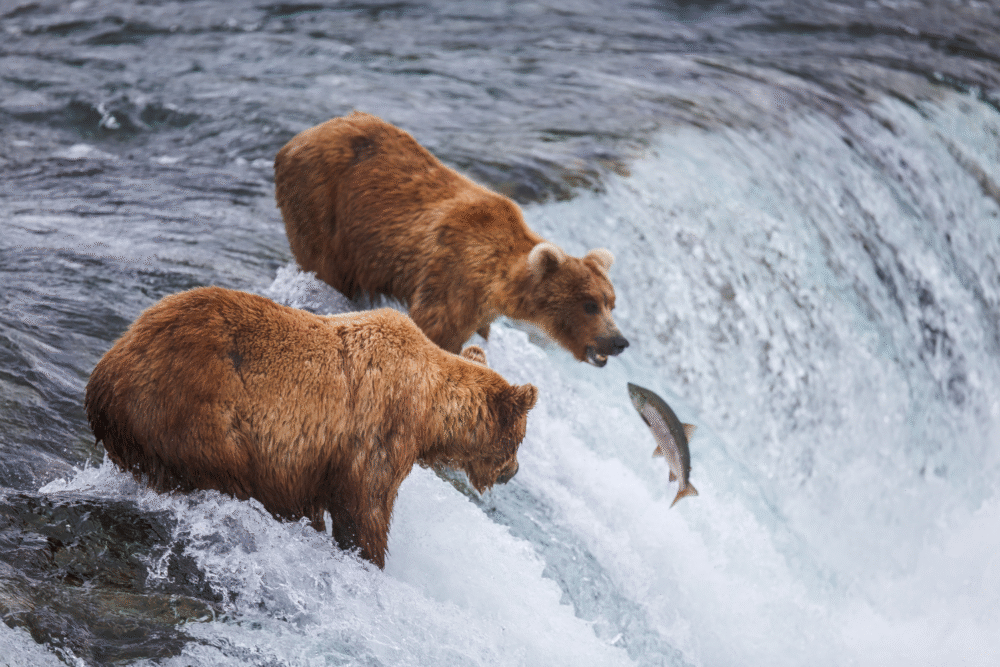
Dietary flexibility is paramount for survival as traditional food sources become scarce due to climate change. A species capable of consuming a wider array of food items can better withstand ecosystem shifts. Bears exemplify this by adjusting their diets seasonally as environmental options shift.
Such adaptability allows animals to leverage unique feeding opportunities, turning potential crises into survival strategies. However, assimilation of novel diets requires physiological adaptations that may not be immediately feasible, highlighting the complexity of true flexibility.
7. Enhancing water conservation abilities in response to drought-prone areas.
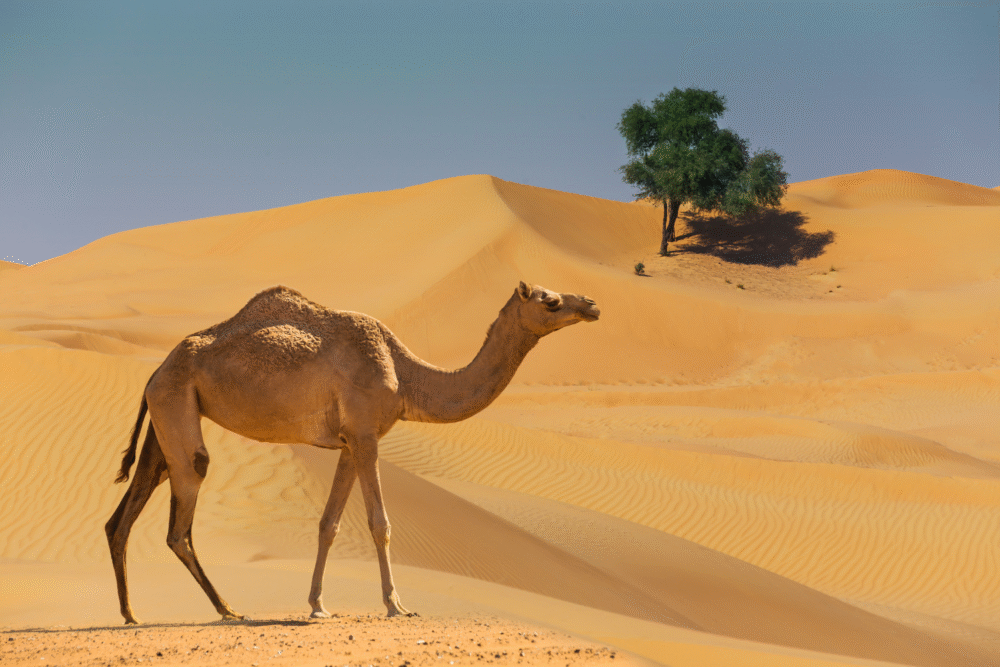
In response to increasing drought conditions, some animals have evolved better water conservation techniques. Desert animals, for example, maximize moisture retention through physiological adaptations like kidney efficiency. These changes help maintain hydration even when water sources become rare.
Despite this, no adaptation is without limits. Extended droughts can overwhelm even the most efficient conservation strategies, posing existential threats to entire species. Studying these adaptations can inform conservation efforts in water-scarce regions.
8. Forming new symbiotic relationships for mutual survival benefits.

New symbiotic relationships can emerge as a survival mechanism in unstable climates. When environmental shifts strain old interactions, species often seek new partnerships. Coral reefs, for instance, may form alliances with more heat-tolerant algae.
These relationships can be mutually beneficial yet unstable. Environmental stressors may sever these bonds, leaving organisms vulnerable once more. Understanding how such symbioses evolve offers insight into resilience and adaptability within ecosystems under stress.
9. Modifying communication methods to overcome environmental noise or disturbances.
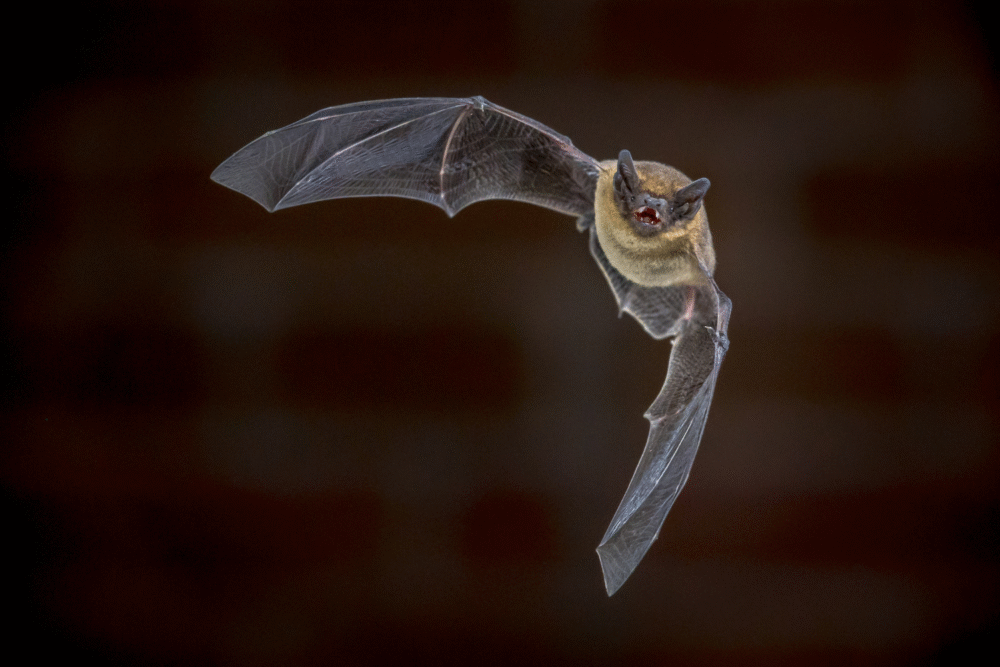
Noise pollution and environmental disturbances can disrupt animal communication, driving modifications. Species dependent on sound for mate attraction or territory defense may alter frequencies or rely more heavily on visual signals.
These adjustments are critical for maintaining social structures and reproductive success in noisy habitats. However, not all species can easily shift communication styles, leaving them more vulnerable to predation or less successful in finding mates, impacting population dynamics long-term.
10. Expanding nocturnal activity to avoid daytime heat stress.
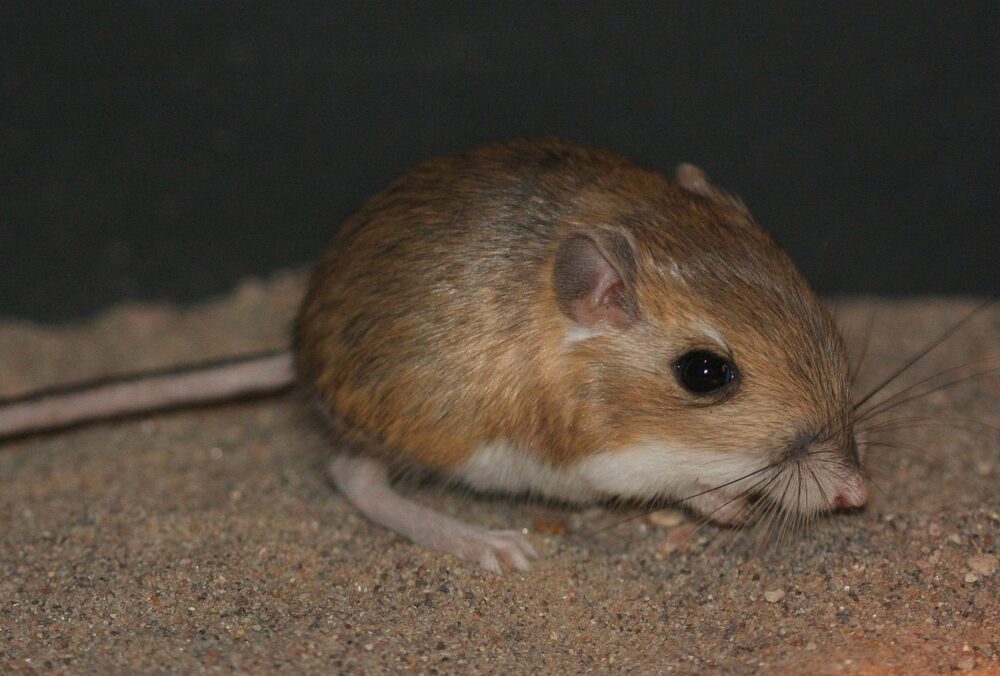
Some species embrace nocturnal activity to avoid daytime heat. This shift allows animals to evade high temperatures that could otherwise be harmful. Desert-dwelling creatures, like certain rodents, forage at night when the sand cools significantly.
Adapting to a nocturnal lifestyle creates adjustments across behavior and physiology. Navigating nocturnal landscapes necessitates enhanced sensory adaptations, such as improved night vision or hearing, illustrating how behavioral changes can drive evolutionary pathways as climates warm.
11. Utilizing microhabitats to shield from extreme weather and predators.
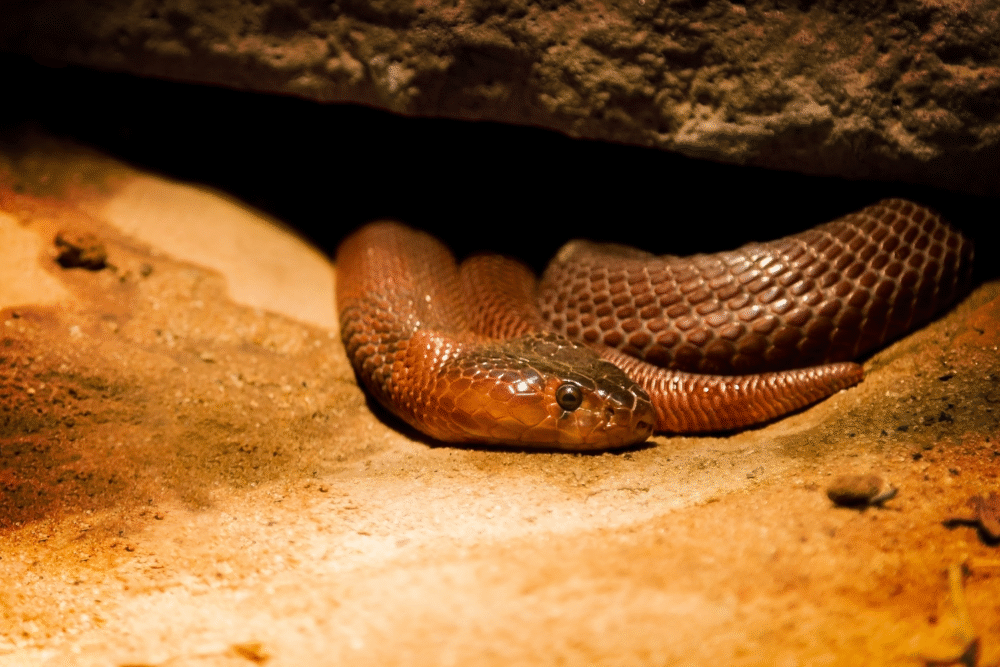
Utilizing microhabitats offers protection from extremes, like harsh weather or predators. Small pockets within a larger habitat—such as shaded undergrowth or rocky crevices—provide refuge. This strategy is observed in many reptiles that seek cooler ground layers when temperatures soar.
Accessing these microhabitats enables species to buffer against environmental pressures. However, as climate change intensifies, the availability of these refuges may diminish, posing additional threats. Their presence is a testament to the delicate balance of sustaining biodiversity.