
Experts say smart technology can keep your home cool and powered when the grid goes down.
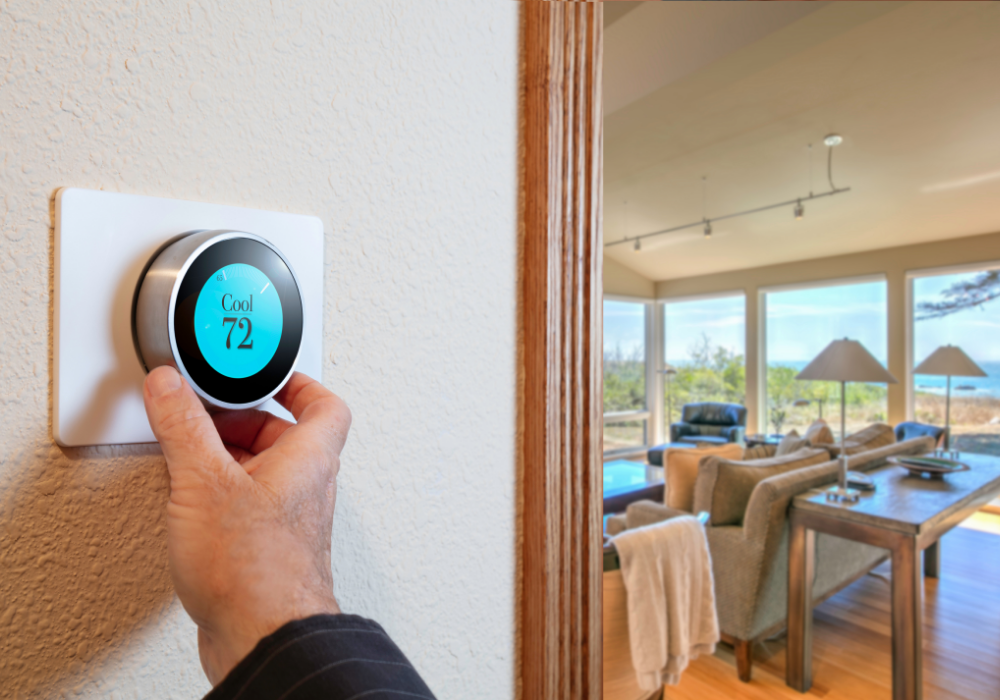
Smart home technology offers practical solutions to reduce risks caused by heat and power outages. By integrating devices like smart thermostats, backup battery systems, and solar panels, homeowners can improve energy efficiency and home resilience. These upgrades not only help regulate indoor temperatures but also provide reliable power when the grid fails, creating safer and more comfortable living environments year-round.
1. Install a programmable thermostat to optimize indoor temperature efficiently.
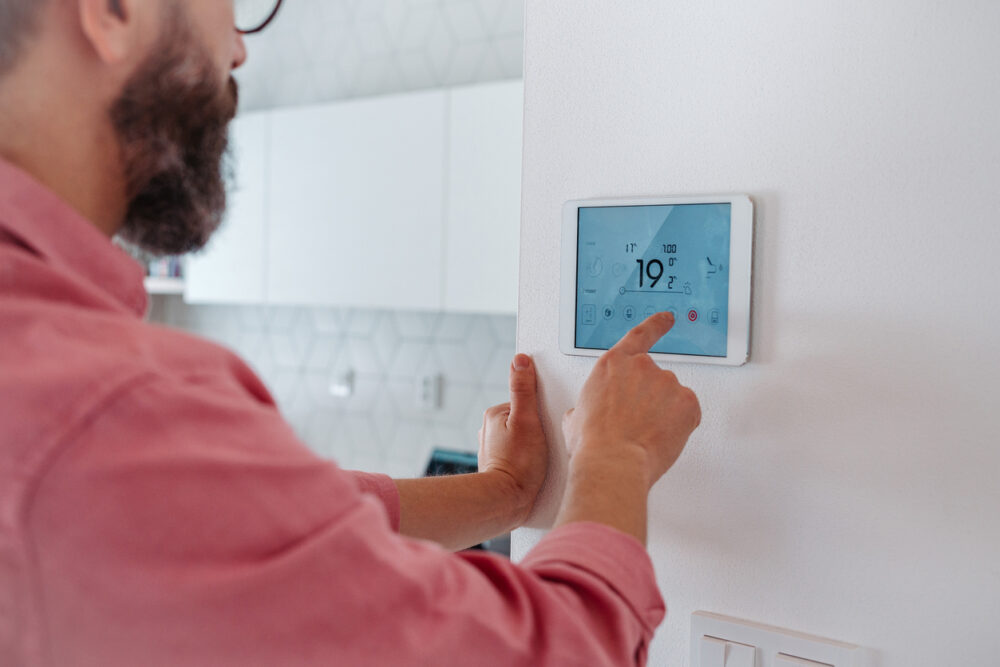
A programmable thermostat fine-tunes indoor climates by adjusting settings based on preset schedules or real-time conditions. This device remembers patterns and preferences, automatically adapting to your lifestyle. Advanced models even predict temperature changes for optimum efficiency while lowering unnecessary consumption.
With such adaptability, heat-related stress becomes easier to manage. For those in regions with variable weather, this adjustment creates comfort without constant manual input. When temperatures rise, a quick automated response can prevent overheating while reducing dependency on other cooling systems, increasing energy efficiency overall.
2. Upgrade to energy-efficient insulation for better heat retention and cooling.

Energy-efficient insulation acts as a barrier, reducing heat transfer through walls and attics. This upgrade requires replacing older, less effective materials with thicker alternatives. By maintaining stable indoor temperatures, insulation cuts down on the need for constant heating or cooling.
Beyond immediate comfort, the right insulation reduces the strain on mechanical systems. Typically, newer materials handle temperature changes better, promoting longer efficiency. Enhanced insulation not only lowers utility bills but also reduces environmental impact, providing sustainable living opportunities while ensuring the home remains a comfortable refuge.
3. Replace traditional windows with double-pane, insulated glass alternatives.
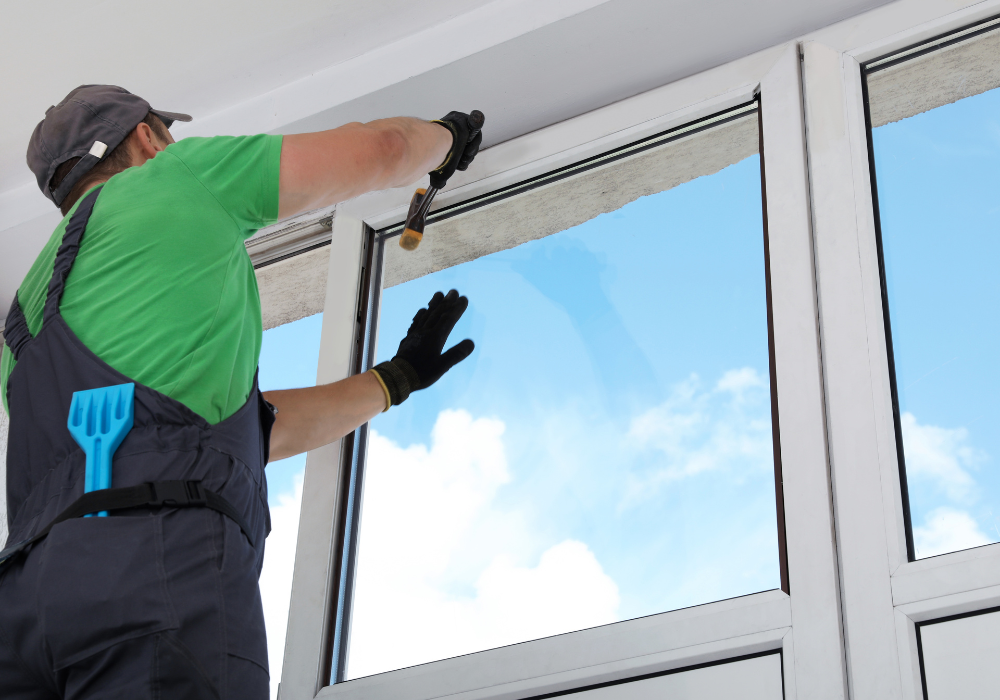
Double-pane windows, filled with gas such as argon, insulate better than traditional single-pane options. These windows work by minimizing heat exchange thanks to tightly sealed layers that keep interior conditions stable. As an upgrade, they significantly improve energy efficiency within a home.
This enhanced protection also reduces noise, giving homeowners a quieter environment. Investing in insulated glass provides long-term savings through energy conservation. Apart from comfort, this upgrade diminishes the effort needed to cool spaces, lessening the load on air conditioning systems during warmer months.
4. Add solar-powered exterior lighting to reduce reliance on the grid.
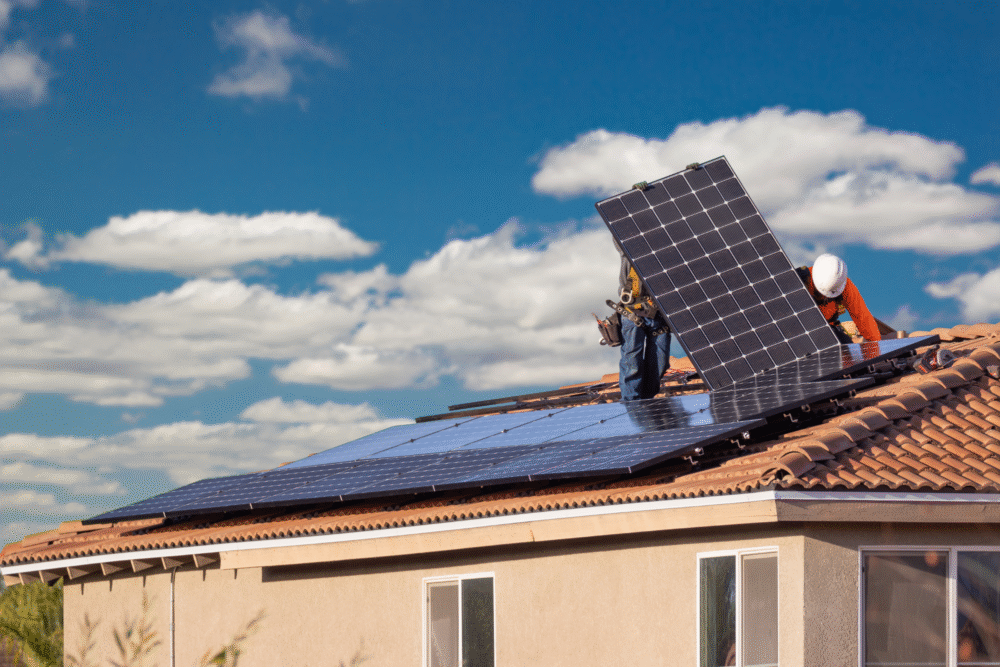
Solar-powered exterior lighting harnesses sunlight, converting it into safe electricity for nighttime illumination. These systems rely on photovoltaic cells to collect and store solar energy during daylight hours. When darkness falls, the stored energy powers lights without drawing from the traditional grid.
This reduces electricity usage, contributing to lower utility bills. In addition to savings, solar lighting acts as an eco-friendly alternative, lessening environmental impact. Without grid dependency, homes maintain exterior visibility during power outages. With simpler installation, this upgrade suits numerous locations, offering versatile functionality.
5. Install surge protectors to safeguard electronics during power outages.
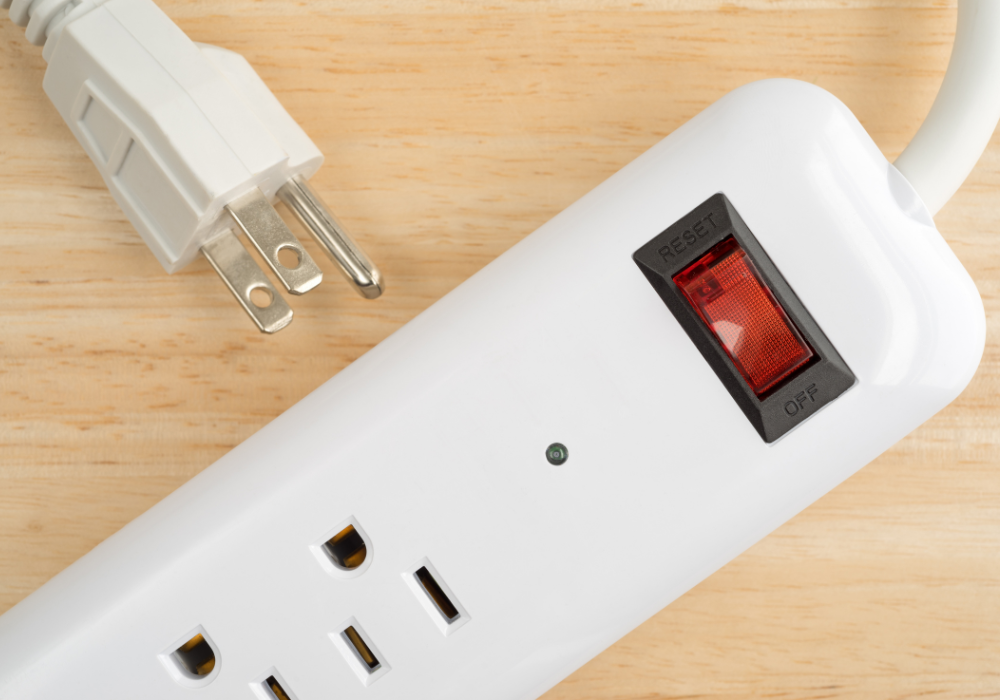
Surge protectors shield electronics from voltage spikes that often accompany storms or electrical failures. Acting as a buffer, they divert excess electricity away from plugged-in devices, preventing damage. These units come in various types, including entire panels protecting whole circuits.
Beyond safety, utilizing surge protection extends the lifespan of valuable electronics. As power disruptions become more frequent, this precaution reduces repair or replacement costs. In areas prone to outages, it ensures ongoing functionality, preserving productivity. Without noticeable disruption, surge protectors provide peace of mind and dependable security.
6. Upgrade to a smart generator for seamless backup power during outages.
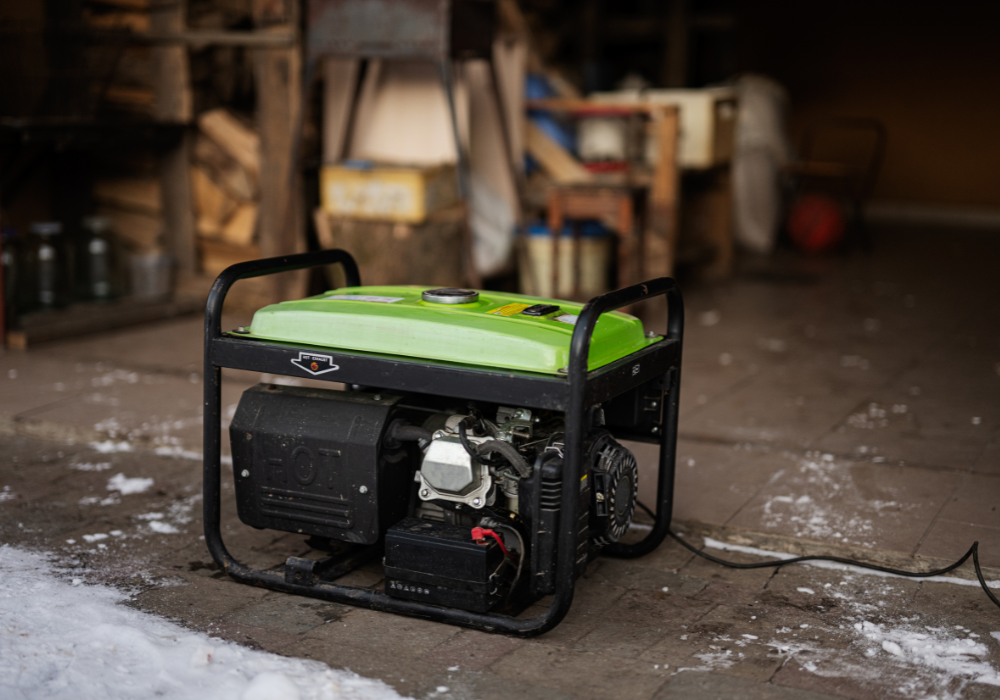
A smart generator connects to a home’s electrical system, activating automatically during power interruptions. With intelligent controls, it prioritizes critical devices, supplying backup only where needed. Connection to a natural gas line provides seamless operation without the hassle of refueling.
Once an outage occurs, such generators maintain comfortable living conditions. Unlike traditional alternatives, these systems adjust their output dynamically. For households often experiencing blackouts, this technology improves resilience, minimizing everyday disruption. Integrated with smart home networks, real-time monitoring ensures everything functions smoothly and sustainably, even in challenging scenarios.
7. Use blackout curtains to block heat and keep interiors cool naturally.

Blackout curtains feature dense fabrics designed to block sunlight, controlling indoor temperature naturally. By preventing heat infiltration through windows, they keep interiors cooler, reducing reliance on air conditioning. These curtains deliver both practical energy advantages and aesthetic appeal.
When drawn, they create a thermal barrier, reflecting heat back outside. In sunny climates, they contribute significantly to energy savings. As functional decor, blackout curtains offer a stylish method of maintaining pleasant environments without constant energy dependence. Opting for such simple measures enhances long-term sustainability.
8. Install ceiling fans to improve air circulation and reduce cooling costs.
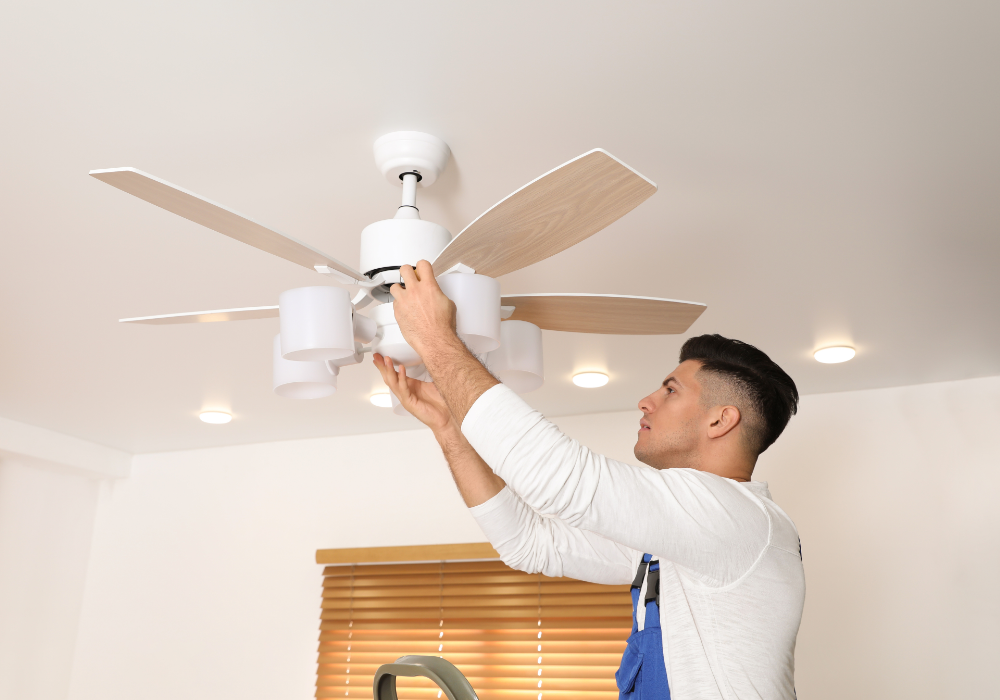
Ceiling fans circulate air, spreading cooler breezes throughout spaces. Rotating blades create airflow by drawing cooler air upwards and warming air downwards. This simple mechanism aids in temperature regulation efficiently, reducing the burden on AC systems during warmer months.
Such adaptability enhances comfort while conserving energy. For homes with open layouts, ceiling fans distribute cooling properties uniformly. The steady motion ensures a refreshing atmosphere without needlessly increasing electric bills. As an effective complement to existing systems, fans present a cost-effective means of sustaining comfortable living conditions.
9. Upgrade to LED bulbs that produce less heat and consume less power.

LED bulbs illuminate less intently, generating minimal heat compared to incandescent options. These bulbs convert electricity more efficiently into light, stretching useful life spans significantly. Switching to LED reduces waste while offering bright, clear illumination for various spaces.
Such consistent efficiency serves practical demands well. Cost savings emerge from both energy use and replacement frequency. Creating a cooler, well-lit environment, these bulbs benefit long-term planning. Standard fittings accommodate easy transitions without major revamps. Emphasizing reduced power, LEDs blend functionality and sustainability seamlessly.
10. Add weather stripping around doors and windows to prevent heat loss.
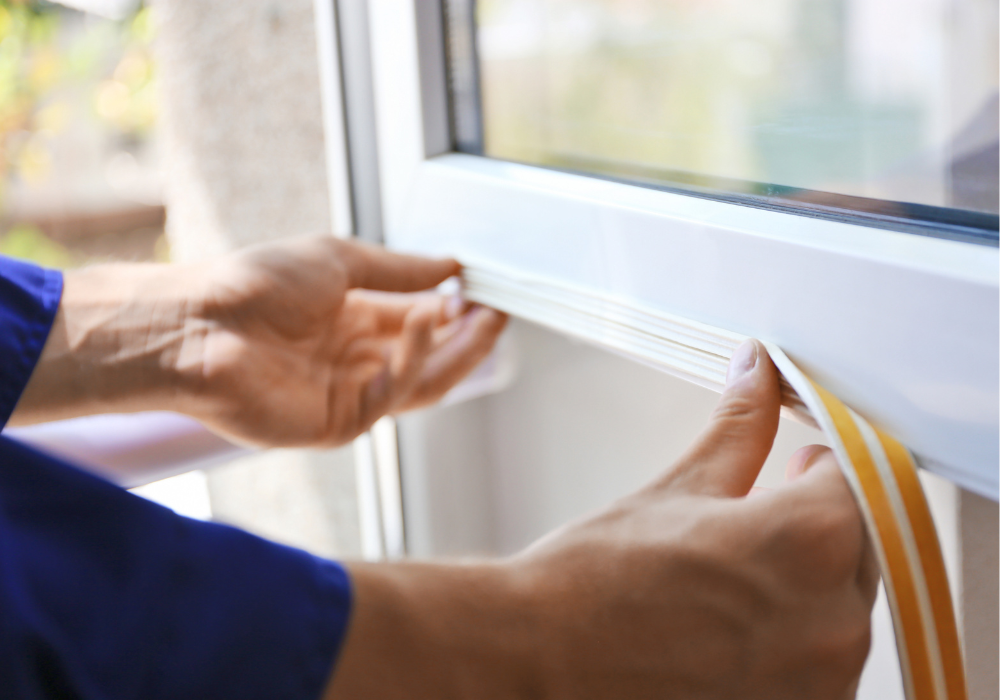
Weather stripping involves applying seals around doors and windows to close air gaps. Made from flexible materials, these strips prevent unwanted heat exchange by blocking drafts. Proper installation contributes substantially to energy savings by curbing the escape of conditioned air.
Maintaining temperature stability reduces reliance on heating and cooling systems. When homes retain heat, this simple measure prevents seasonal discomforts. As widely applicable solutions, they adapt to various door and window types. With effective integration, weather stripping fosters energy-efficient living, safeguarding comfort inside all year round.
11. Install a whole-house fan to quickly cool the home using outside air.
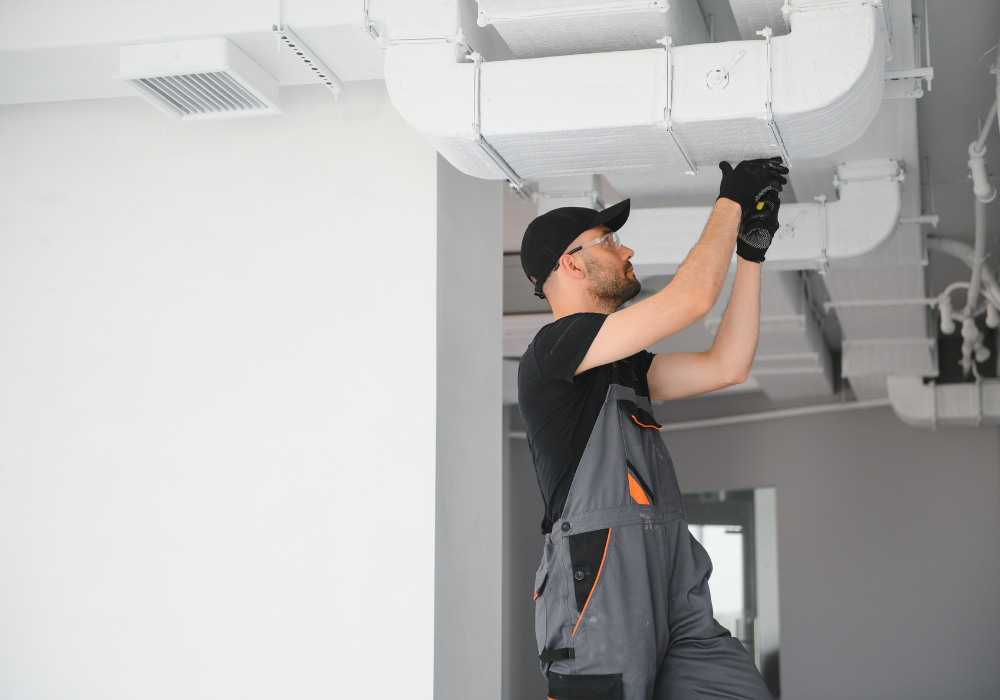
Whole-house exhaust fans expel hot indoor air, replacing it with cooler outside breezes. Installed in attics, they draw warm air upwards and release it, rapidly cooling living spaces. This efficient method reduces dependency on air conditioning and enhances overall ventilation.
For homes facing heat buildup, such fans maintain comfort naturally. Aided by environmental conditions, they utilize prevailing winds to their advantage. By activating during cooler hours, this system maximizes energy savings without compromising comfort. Easily operated, these fans refresh interiors sustainably and seamlessly.
12. Upgrade to energy-efficient appliances that lower overall power consumption.
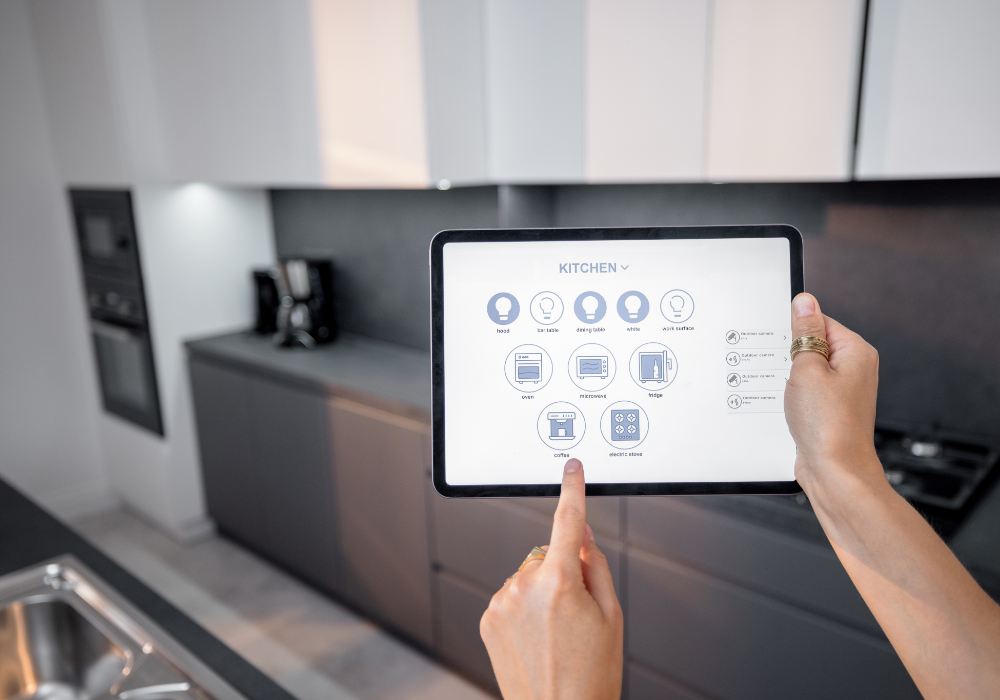
Energy-efficient appliances offer reduced electricity usage through advanced design. Featuring inverter motors, updated insulation, or precision controls, they consume less power for equal outputs. Enhanced models adapt to variances, leading to consistent performance without excessive energy draw.
Quiet operation complements their efficient nature, benefiting households aiming to cut costs. Smart options integrate with systems, monitoring consumption in real-time. For long-term public utility savings, these appliances align well with eco-conscious plans. The result is reliable service and improved resource management across varied applications.