
Conservation efforts and resilience are bringing these once-vanishing species back to life.

Across the globe, numerous wildlife species once teetering on the brink of extinction have made inspiring comebacks. These recoveries often result from dedicated conservation efforts, habitat restoration, and legal protections. Understanding these successes sheds light on the importance of sustained environmental care and the delicate balance that supports biodiversity in ecosystems worldwide.
1. Bald eagles have made an inspiring recovery across North America.
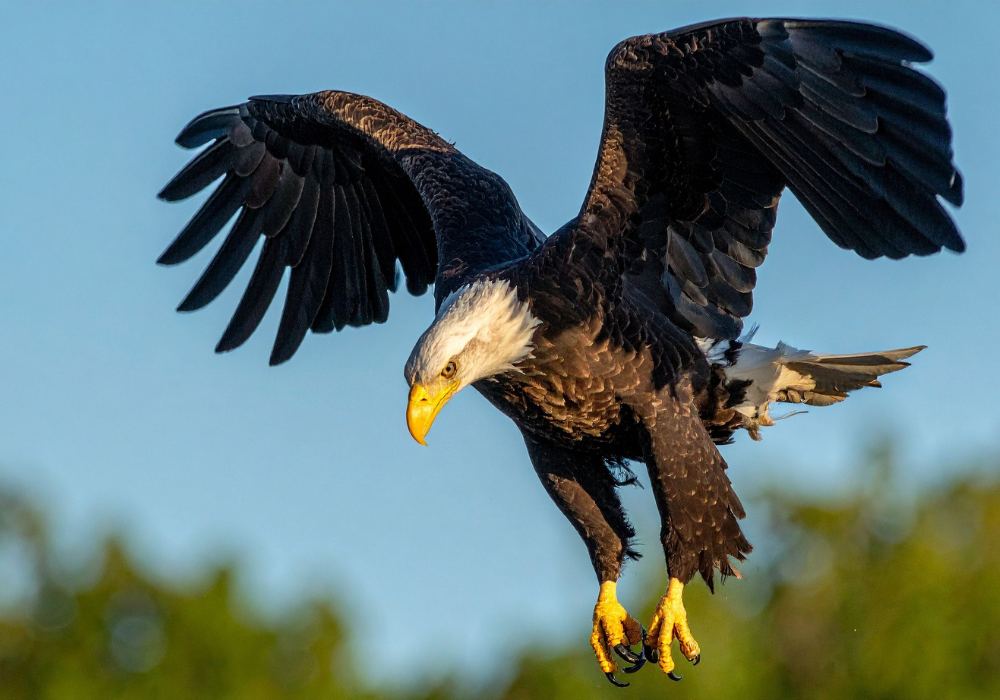
Bald eagles are an emblem of wildlife recovery in North America. This majestic bird, once decimated by pesticides like DDT, has surged in numbers thanks to bans on harmful chemicals. Now, the sight of bald eagles soaring evokes both freedom and environmental resilience.
The resurgence shows effective legislation and habitat protection can create a path for wildlife comebacks. In lush areas along rivers and lakes, bald eagles build massive nests, a vivid testament to their recovery. Such efforts have shifted their status from endangered to a symbol of hope.
2. Gray wolves are gradually reclaiming their habitats and boosting ecosystems.
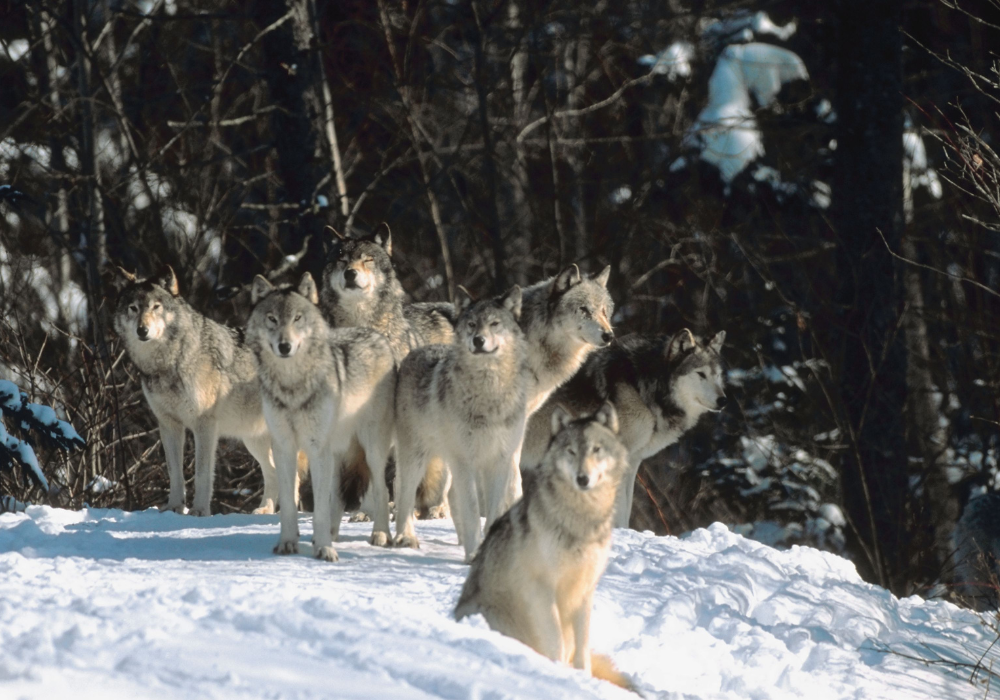
Gray wolves are weaving back into their once-native habitats, showcasing another conservation success. Through reintroduction programs and legal protections, these top predators are finding their way into ecosystems where they balance burgeoning deer populations. It’s a delicate yet hopeful return.
In Yellowstone, their presence stabilizes ecosystems, reviving plant growth and benefiting myriad other species. Although expansion faces hurdles like human-wildlife conflict, their comeback signals positive shifts toward ecological harmony and biodiversified landscapes imbued with the haunting calls of the wild.
3. American alligators have rebounded from the brink of extinction successfully.
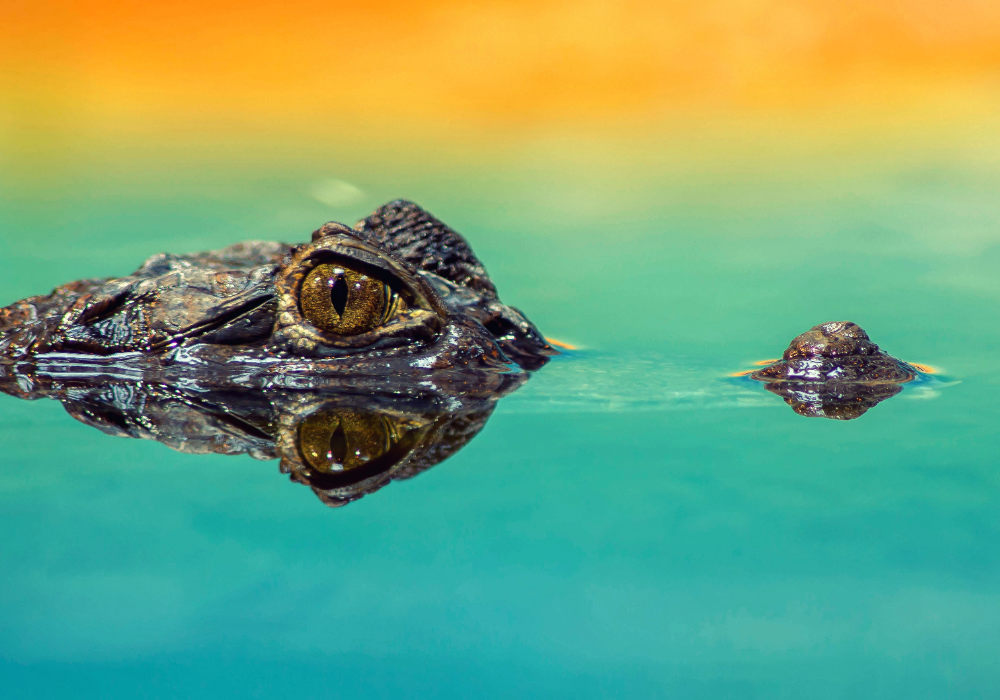
American alligators are a notable example of a species that made a dramatic recovery. Once hunted nearly to extinction for their hides, strict hunting regulations and habitat protections have allowed them to flourish. In the swamps of the Southeast, they thrive, a testament to dedicated conservation.
Recovered gator populations have brought ecological balance to regions where they reign as top predators. By controlling prey species like fish and small mammals, they maintain the health of vital wetlands. This comeback underscores the importance of legal frameworks for wildlife protection.
4. Beavers are restoring freshwater ecosystems with their dam-building activities.
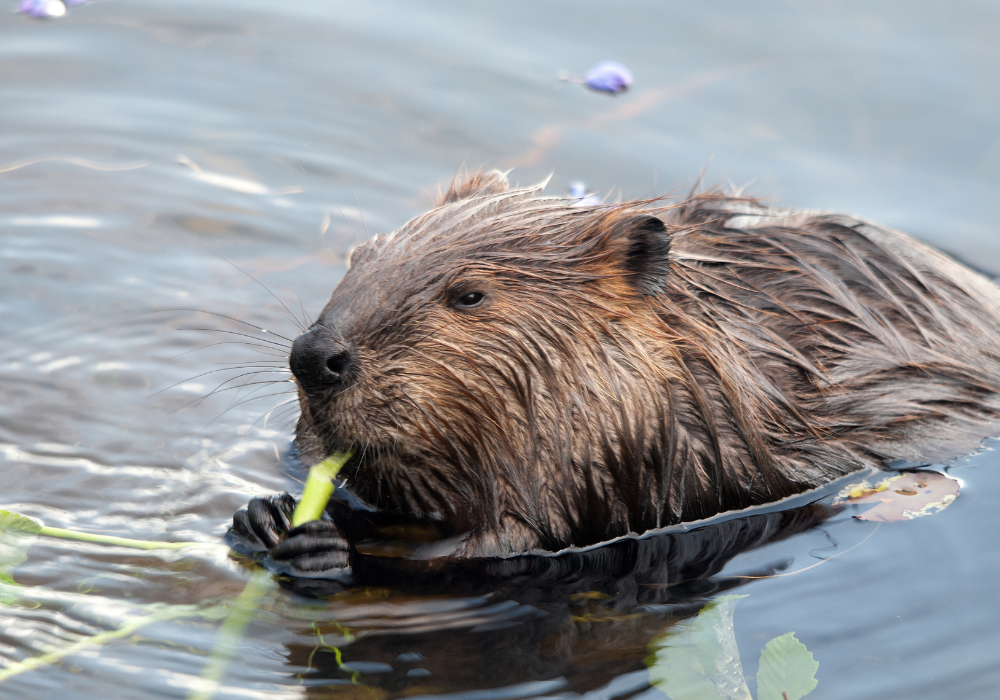
Beavers, industrious builders of intricate dams, are seeing a resurgence in certain parts of North America. Left undisturbed, their dam-building activities engineer freshwater ecosystems, benefiting countless other species. These changes remind us that even small creatures play critical environmental roles.
Through their natural actions, beavers create wetlands that filter water and provide habitat diversity. Their comeback highlights the connection between species and their ecosystems, showcasing how conservation doesn’t just revitalize a species but sparks broader ecological healing across landscapes.
5. Sea otters have bounced back, helping kelp forests thrive once again.
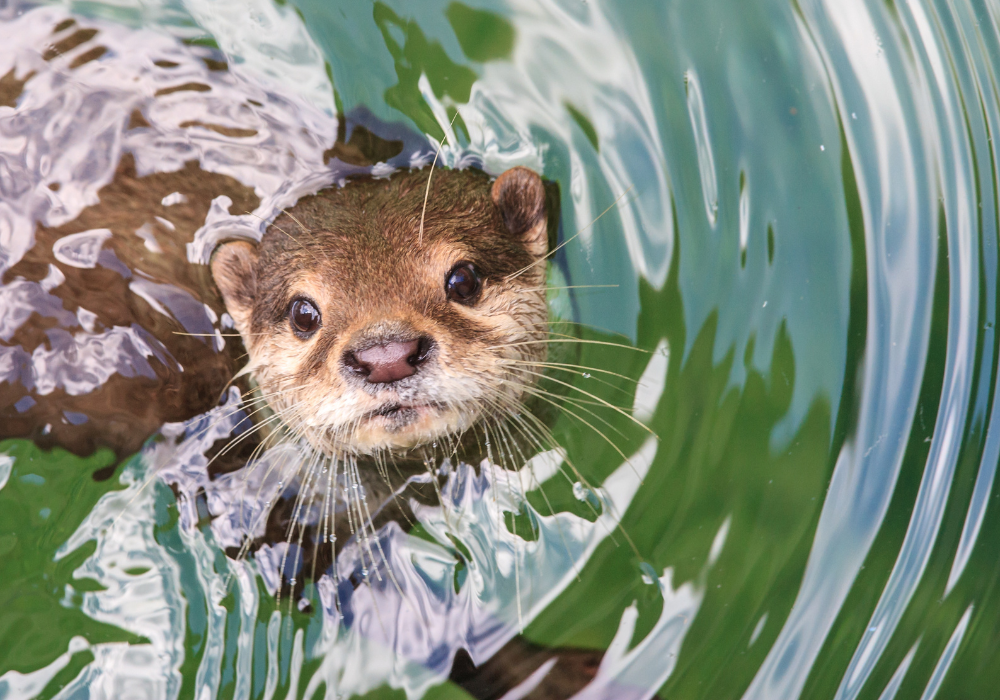
Sea otters have reemerged in coastal waters, playing a pivotal role in nurturing underwater forests. Their increased numbers help control sea urchin populations, allowing kelp forests to grow and provide habitat for marine life. Their furry presence signals new hope.
By promoting the diversity of kelp ecosystems, otters encourage greater fish populations and support local fisheries. Their return demonstrates how interconnected species dynamics can revitalize extensive marine environments. Sea otters thus embody keystone species power, turning tides for many marine creatures.
6. Peregrine falcons have returned in urban areas due to conservation efforts.
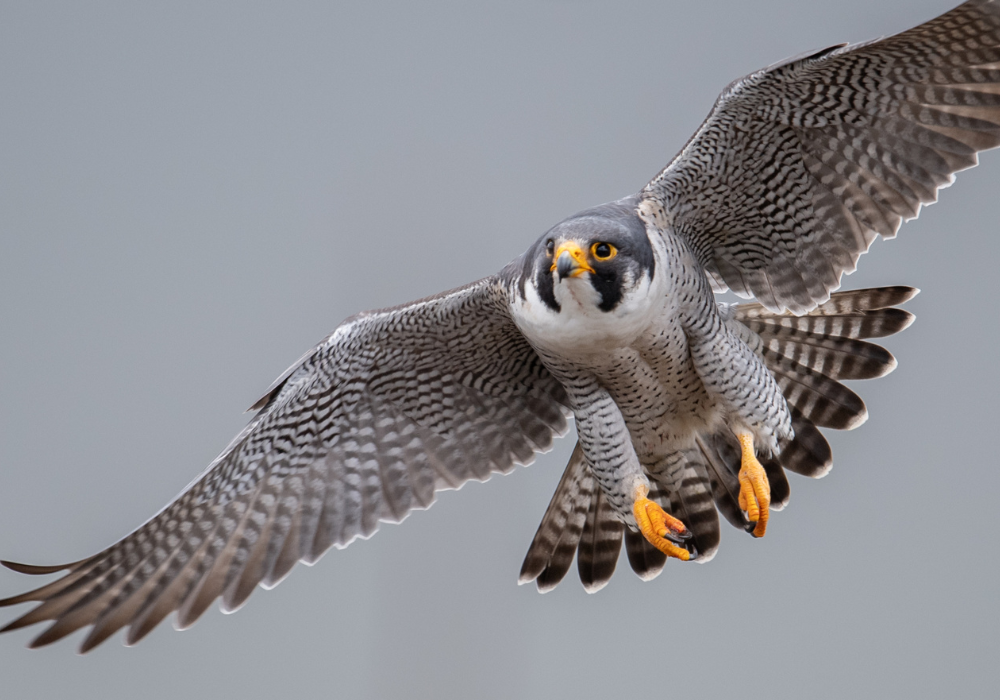
Peregrine falcons have famously adapted to urban environments following impressive recovery efforts. Thanks to protective regulations and nest support, they’re once more streaking through skies. Cities, once an unlikely refuge, now host these apex aerial hunters.
Their comeback underlines the versatility of wildlife when given a chance to adapt. Marking their urban nests atop skyscrapers, falcons help control pigeons and other birds, balancing city ecosystems. Their ability to blend natural instincts with metropolitan life showcases adaptability and conservation effectiveness.
7. California condors are slowly increasing in numbers through careful reintroduction.
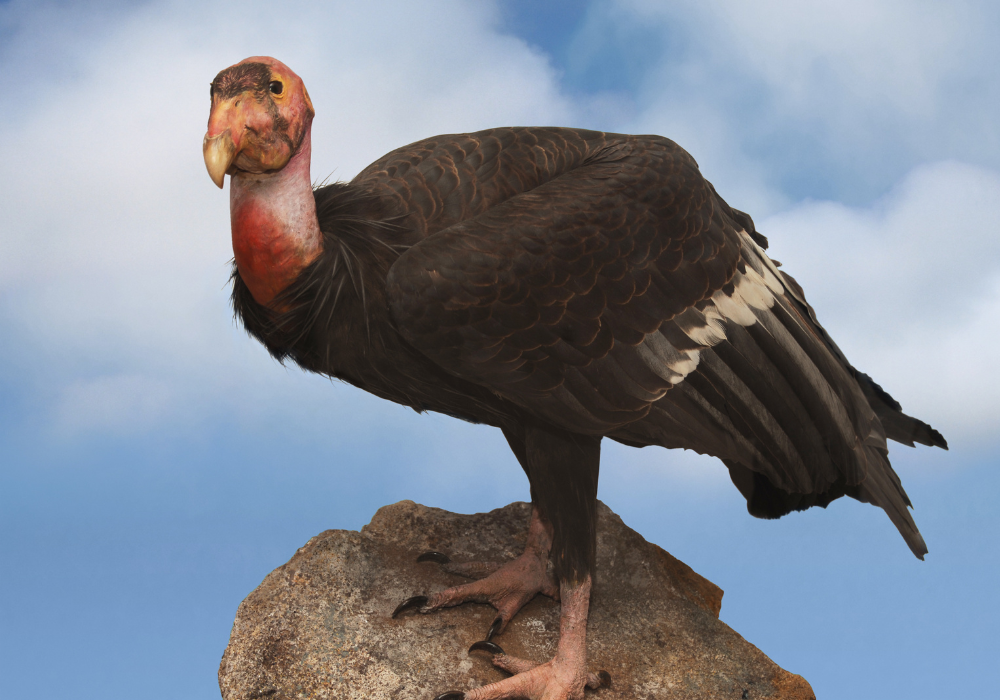
California condors, North America’s largest bird, are inching back from near extinction through meticulous reintroduction programs. Intensive breeding efforts have restored small populations in the wild, often spotted soaring above dramatic California landscapes.
The condors’ gradual rise illustrates the complex, patient work needed for endangered species revival. Threatened by byproducts like lead ammunition, addressing human-induced challenges remains crucial. Their slow yet ongoing comeback teaches the value of vigilance in conservation ventures and the patience required for success.
8. Mountain lions are expanding their range despite urban development pressures.
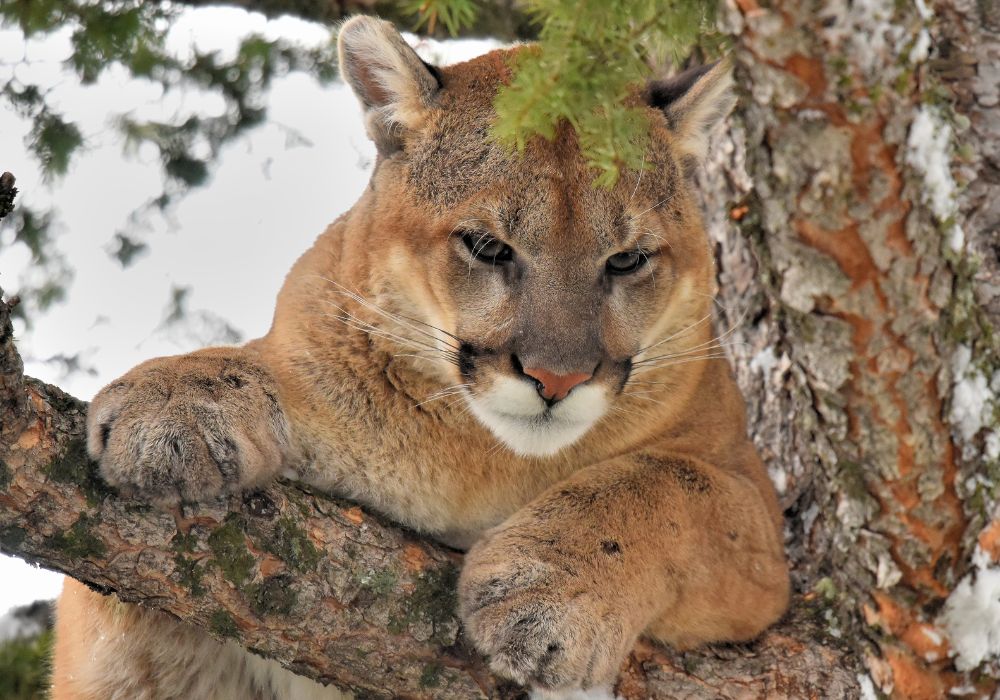
Mountain lions are reclaiming territories across the United States, navigating rapidly developing urban corridors. Their return represents a nuanced balance between wildlife adaptation and city expansion. They stealthily roam, demonstrating resilience against modern pressures.
These big cats traverse expanded ranges, threading through fragmented habitats and maintaining ecological order. The expansion highlights human responsibility in creating wildlife crossings to ensure coexistence. Despite urban challenges, their growing presence speaks to species tenacity and adaptive landscapes where both people and predators can thrive.
9. River otters are making a steady comeback in cleaned-up waterways nationwide.
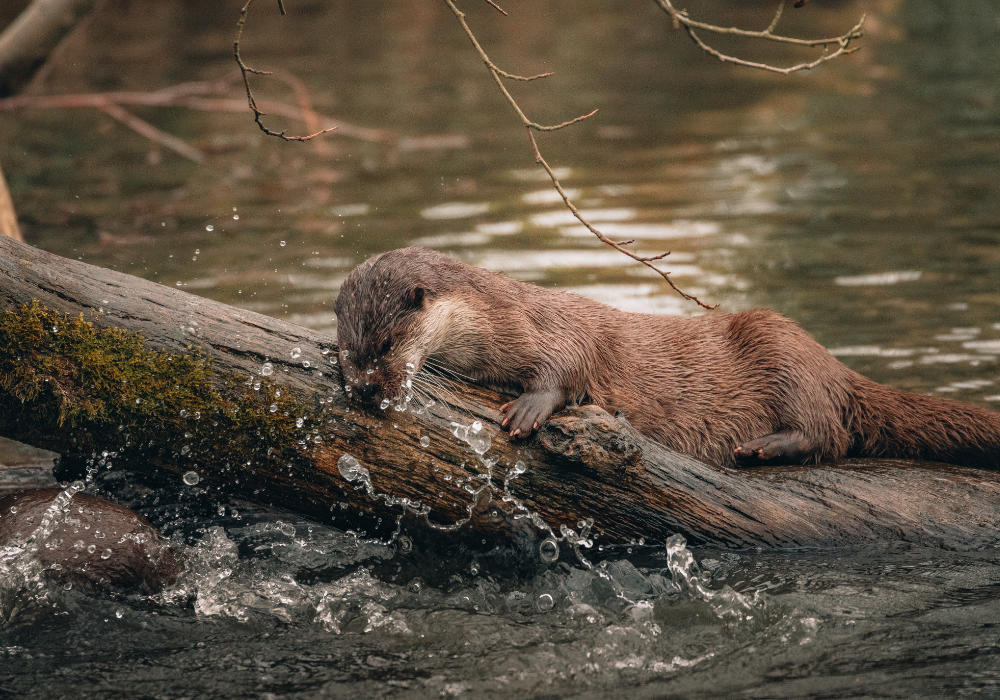
River otters, once barely seen in polluted waterways, are reappearing in cleaner environments. Left to play and hunt in clearer rivers and streams, these aquatic mammals indicate water quality improvements. Their playful antics add life along the rippling edges of streams.
Improved water conditions let otters maintain robust populations, supporting diverse aquatic ecosystems. Their steady comeback is a reflection of successful pollution controls and habitat restoration projects. In seeing otters return, we find aquatic systems getting stronger, one playful swim at a time.
10. Humpback whales have recovered after decades of whaling and habitat threats.
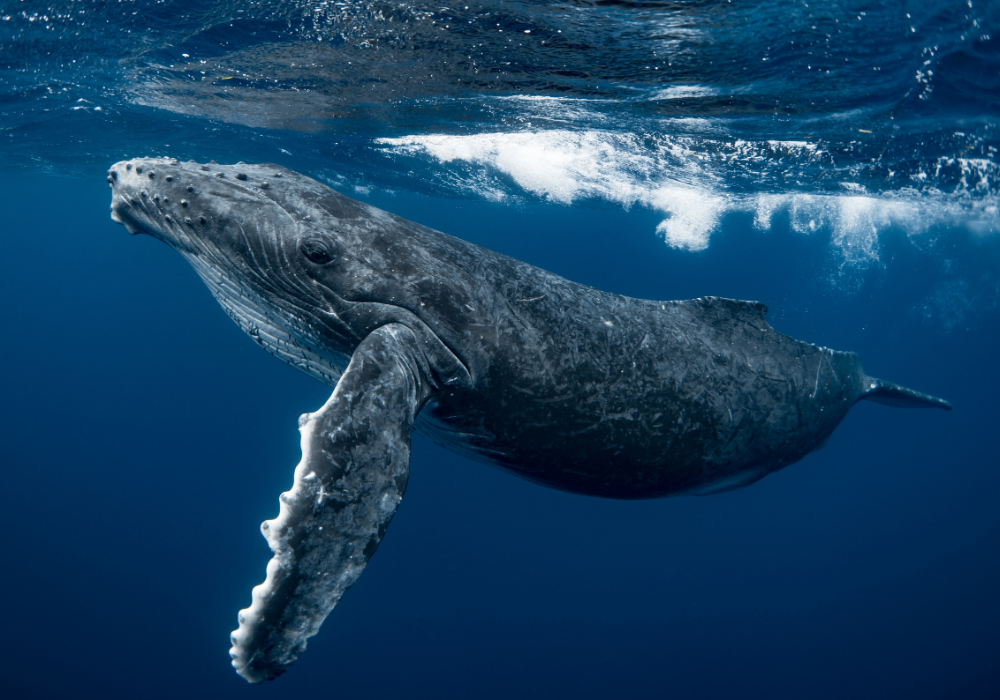
Humpback whales have rebounded remarkably after being spared from commercial whaling. These ocean giants now thrive in various global waters due to international protections and improved awareness. Their haunting songs signal a resurgence, both in numbers and spirits.
The conservation story of humpbacks demonstrates how human efforts can nurture majestic marine life back to health. Through protected waters and careful management, they now support oceanic food chains. Their renewed presence tells of the impact possible when humans value and protect wildlife.
11. Monarch butterfly populations show signs of revival with improved habitat protection.
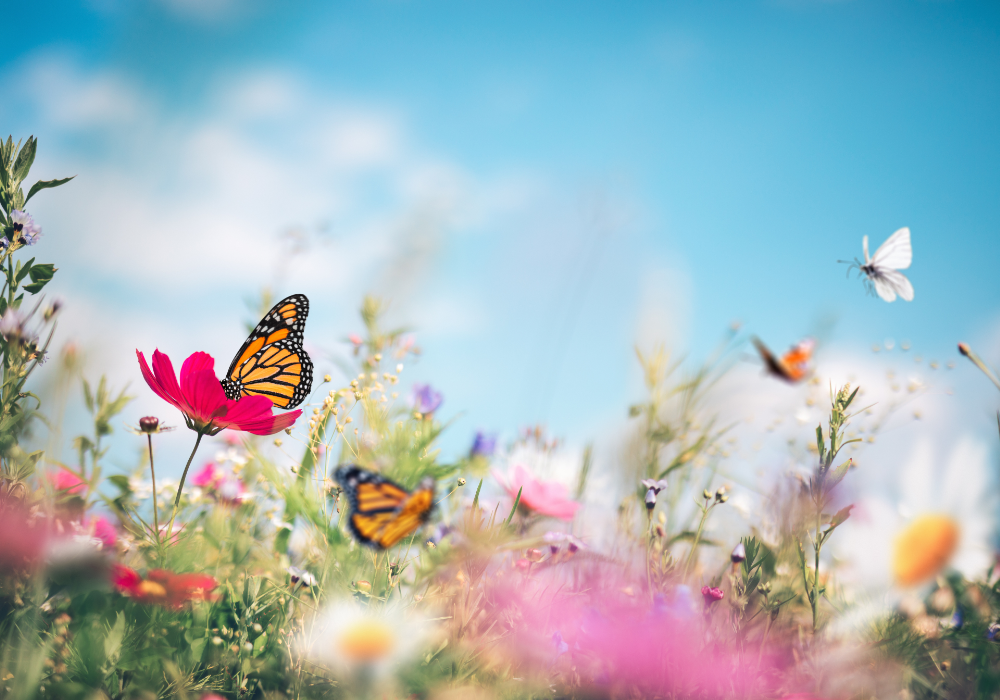
Monarch butterflies are showing hints of revival, signaling renewed hope for these colorful wanderers. Conservationists have worked to protect milkweed habitats critical to their survival. Monarchs gracefully dot landscapes, whispering of a broader ecological resurgence.
While still vulnerable, their population increases hint at successful collaborations between farmers, communities, and environmentalists. Their delicate flights across continents illustrate resilience and inspire further conservation efforts. A thriving monarch population emphasizes the need to sustain habitats, spreading awareness about interconnected life and nature’s renewal.