
Doctors cite growing evidence of risks to fetal brain development and long-term child health.

Medical groups including the American College of Obstetricians and Gynecologists (ACOG) and the American Academy of Pediatrics have issued strong new guidelines warning that pregnant women should avoid using cannabis. They emphasize there’s no known safe level of THC during pregnancy, because it can cross the placenta and may harm fetal brain development. Studies link prenatal cannabis use with risks like low birth weight, preterm delivery, and later behavioral or attention problems. Health experts hope clearer rules will help mothers protect their unborn babies.
1. New Guidelines Urge Pregnant Women to Avoid Cannabis

The American College of Obstetricians and Gynecologists, along with the American Academy of Pediatrics, have issued updated guidance on cannabis use in pregnancy. Their message is clear: there is no safe level of marijuana use while carrying a child.
Doctors say the risks are too great to ignore. THC, the main psychoactive ingredient in cannabis, can cross the placenta and reach the fetus. Once there, it may interfere with normal brain development and lead to serious health and developmental problems later in life.
2. THC Crosses the Placenta to the Baby
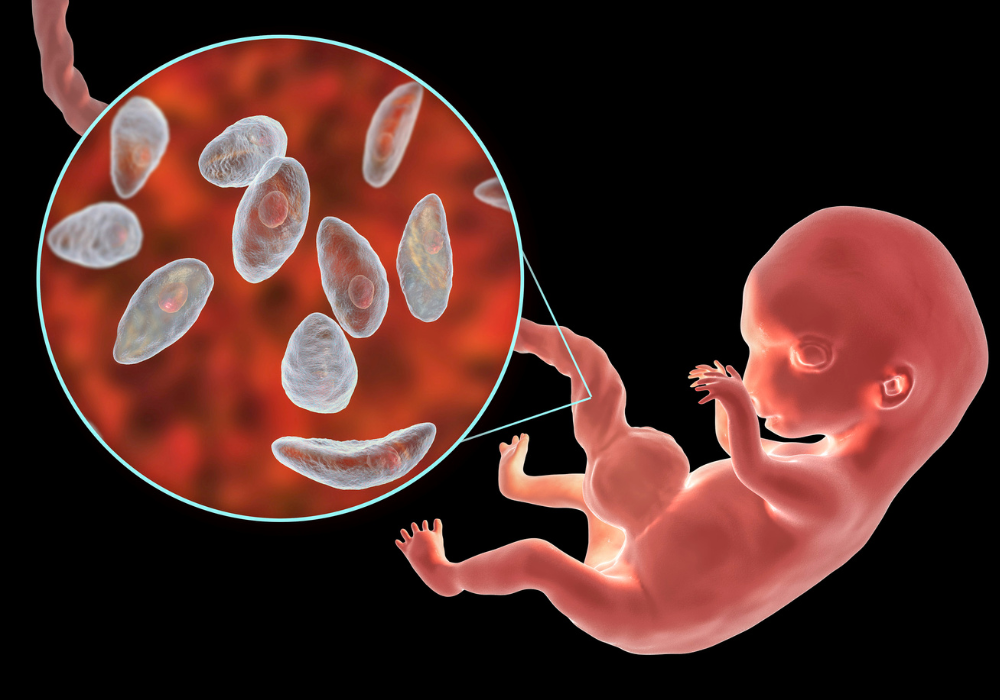
Cannabis is often perceived as harmless, especially as more states legalize recreational and medical use. But doctors stress that pregnancy is different. When a pregnant woman consumes cannabis, THC passes through the placenta and enters the baby’s bloodstream.
Because fetal organs and the nervous system are still forming, even small amounts of THC can have outsized effects. The developing brain is especially vulnerable, and exposure during critical growth stages may disrupt how nerve cells connect, potentially leading to long-term consequences.
3. Evidence of Harm Is Growing Stronger
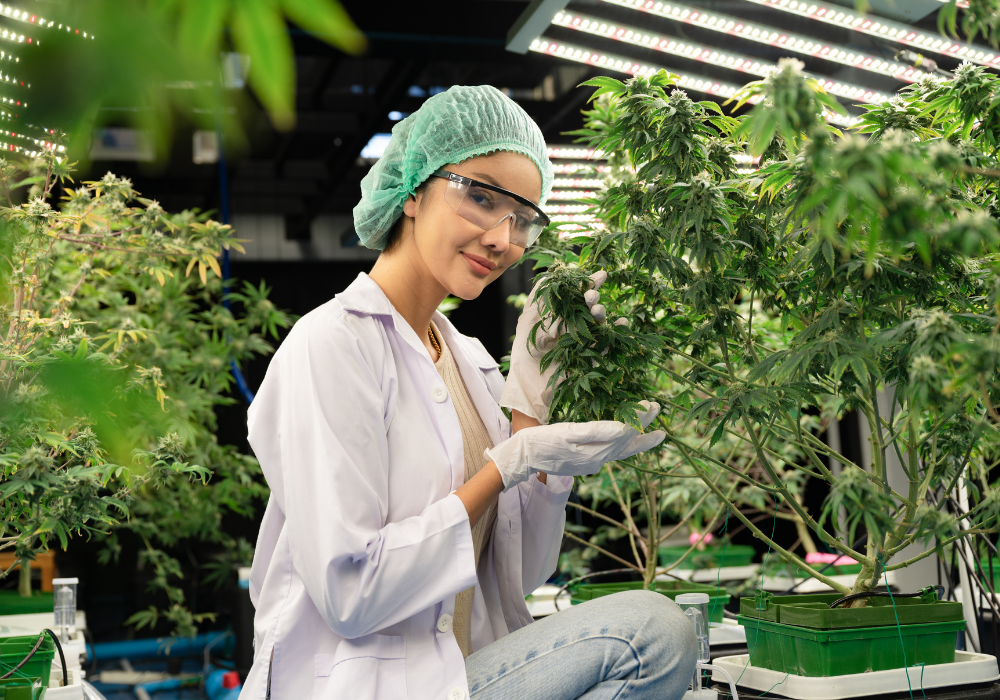
For years, research on cannabis in pregnancy was limited, but new studies are filling the gaps. Multiple large-scale reviews now show clear associations between prenatal cannabis use and negative outcomes. These range from lower birth weights to higher risks of preterm birth.
Other studies suggest possible links to later developmental challenges in children, including attention, memory, and behavioral issues. While not every risk is fully proven, experts say the growing body of evidence justifies caution. Waiting for absolute proof could mean ignoring preventable harm to babies.
4. Risks of Low Birth Weight and Preterm Delivery
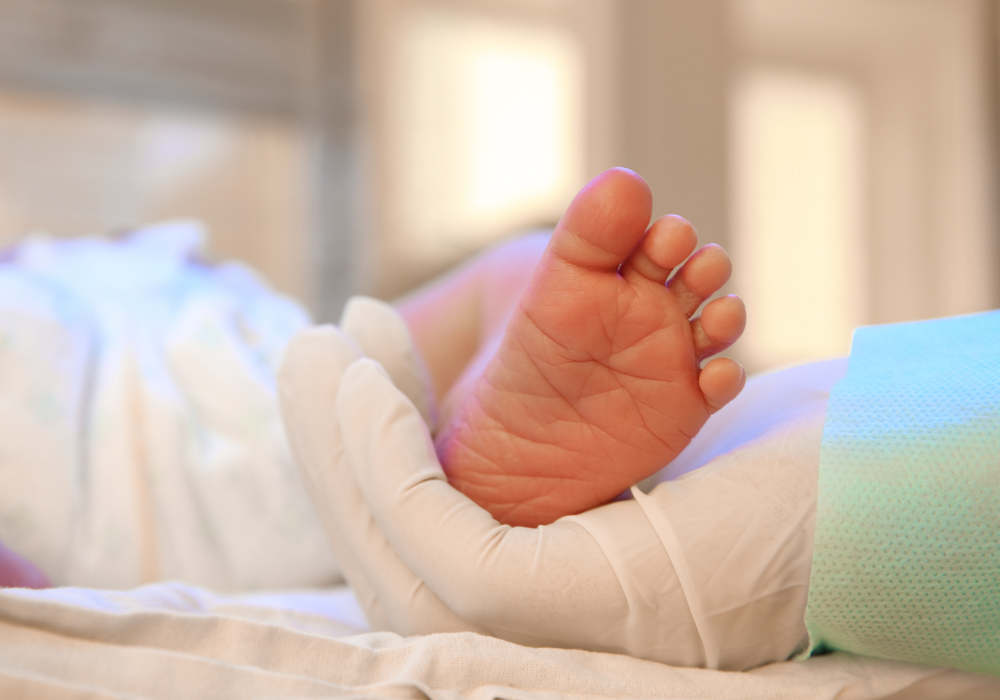
One of the clearest risks linked to cannabis use during pregnancy is low birth weight. Babies born underweight are more likely to face complications in infancy and childhood, including respiratory issues and delayed growth.
Cannabis use has also been connected to preterm birth. Babies delivered before 37 weeks often struggle with underdeveloped lungs and other health problems. These early disadvantages can persist well into childhood. Medical experts say avoiding cannabis during pregnancy is one of the simplest ways to reduce these risks.
5. Possible Long-Term Effects on Brain Development
Researchers are increasingly concerned about the long-term effects of prenatal cannabis exposure on brain function. Studies suggest that children exposed in utero may face higher risks of memory problems, attention disorders, and behavioral challenges.
These issues may not appear right away but can become evident in school years, affecting learning and social development. Scientists stress that while not every exposed child will face these problems, the potential for lifelong consequences makes cannabis use during pregnancy far too risky.
6. Pediatricians Also Advise Against Use

It’s not only obstetricians warning against cannabis in pregnancy. The American Academy of Pediatrics has joined the call, urging mothers to avoid marijuana during pregnancy and while breastfeeding. Their concern is both for the fetus and for newborns exposed through breast milk.
Pediatricians highlight that THC can remain in the body for weeks, meaning exposure may continue long after use. This prolonged contact with a developing baby raises the chances of developmental effects, making avoidance the safest choice for both mothers and children.
7. Cannabis Edibles Are Not Safer

Some expectant mothers may believe edibles are a safer option since they don’t involve smoking. Doctors strongly disagree. Whether inhaled, ingested, or vaped, THC still enters the bloodstream and reaches the fetus.
Edibles may actually pose added risks because dosing is harder to control. THC levels in edible products can be very high, leading to stronger and longer-lasting effects. Experts warn that using cannabis in any form during pregnancy carries risks, and switching to edibles does not make it safer.
8. Why Some Women Still Use Cannabis

Despite warnings, some pregnant women continue using cannabis, often to manage nausea, stress, or chronic pain. In states where marijuana is legal, the perception of safety can make it seem like a harmless remedy.
But doctors caution against this approach. Safer, proven treatments exist for pregnancy symptoms, and women should talk with their healthcare providers before turning to cannabis. Medical experts say education is critical to counter myths and ensure women understand the potential dangers to themselves and their babies.
9. Comparing Cannabis to Other Substances
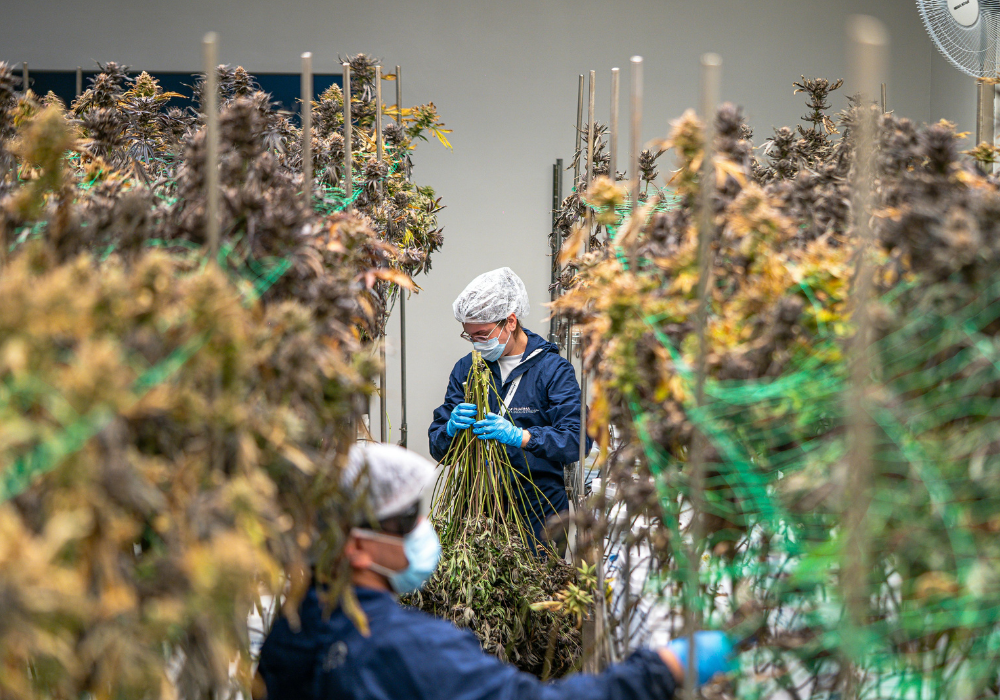
Some people view cannabis as safer than alcohol or tobacco, but guidelines stress that this comparison is misleading. While alcohol and tobacco have long been recognized as harmful in pregnancy, cannabis is not risk-free simply because it has been less studied.
Emerging evidence now places cannabis alongside other substances to avoid. Doctors emphasize that just as mothers are advised to quit smoking or drinking, avoiding cannabis should be part of a healthy pregnancy plan. The risks, though different, are significant enough to warrant strong caution.
10. Doctors Call for More Research

While existing evidence is strong, researchers acknowledge that more studies are needed to fully understand cannabis’ effects on pregnancy. Because marijuana has only recently become more widely legal, long-term and large-scale studies are still being conducted.
This gap in knowledge is not a reason to assume safety. Instead, medical experts argue it’s exactly why caution is essential. Until research can definitively prove cannabis is harmless in pregnancy, the safest advice is to avoid it completely and use proven alternatives instead.
11. The Message to Expectant Mothers Is Clear
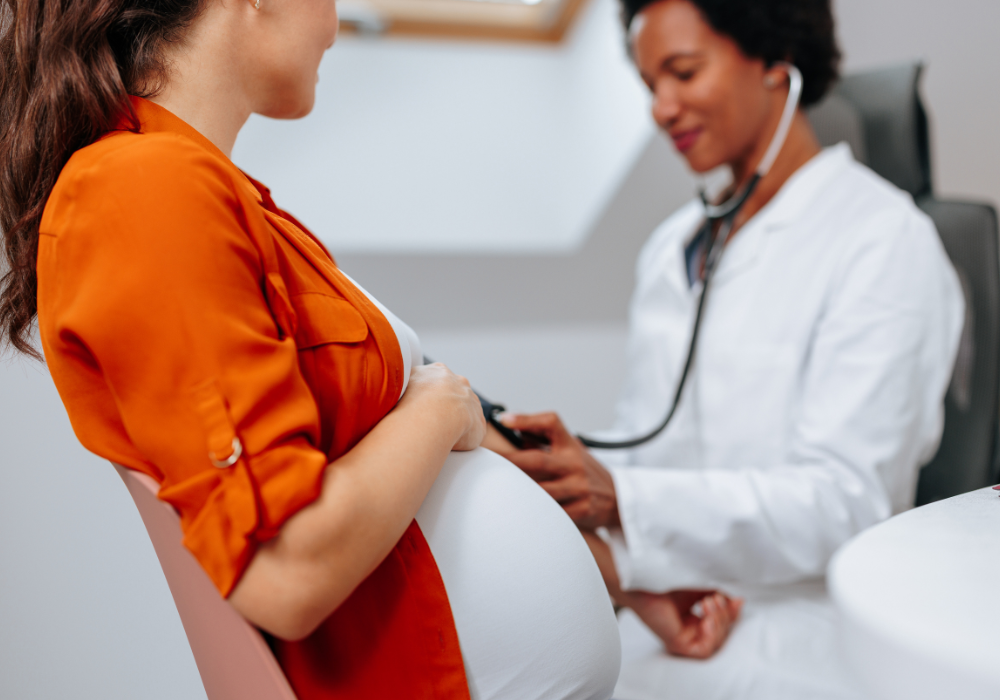
Ultimately, the message from doctors could not be more direct: do not use cannabis during pregnancy. Whether smoked, vaped, or eaten, it carries risks that can affect both short-term and long-term health of the baby.
Guidelines stress that pregnancy is a time to reduce risks wherever possible. For women struggling with symptoms or cannabis use itself, healthcare providers can recommend safer options. Experts hope that clearer warnings will encourage mothers to protect their babies by making informed choices.
12. Protecting Babies Starts With Awareness

The release of these updated medical guidelines is about more than just rules—it’s about awareness. Many women may not realize cannabis is risky during pregnancy, especially as it becomes more mainstream.
By highlighting the dangers, organizations like ACOG and the American Academy of Pediatrics aim to reach expectant mothers with accurate information. The goal is not to punish but to protect. Avoiding cannabis use during pregnancy is one of the simplest steps a mother can take to give her baby a healthier start.