
Warming seas and acidification are putting the region’s coral reefs on the edge of collapse.
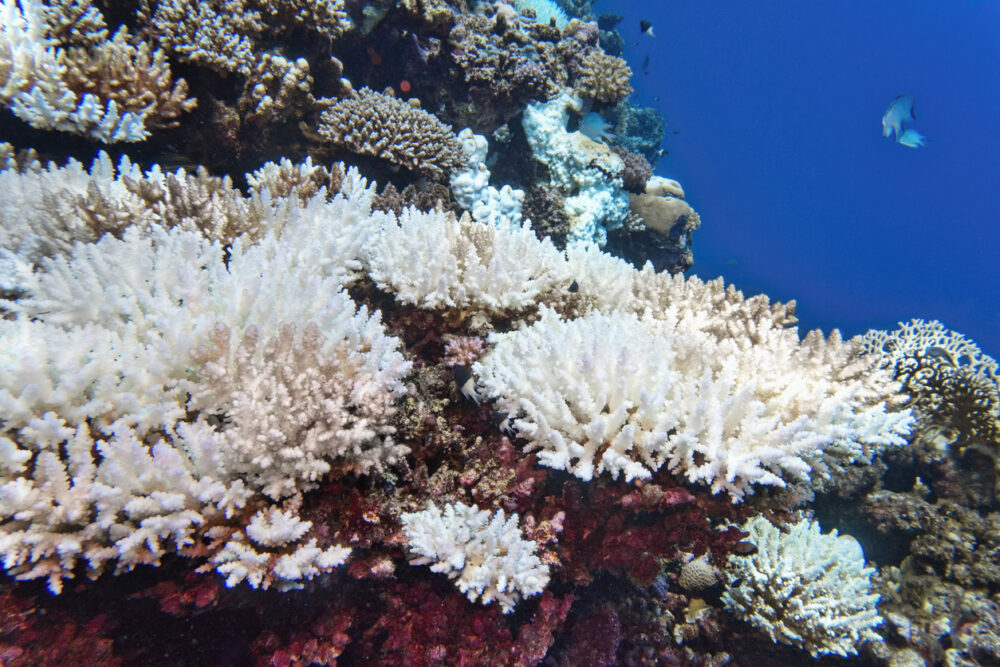
A new study published in Nature paints a grim picture for coral reefs in the western Atlantic. Researchers analyzed more than 400 reef sites and fossil reef records, concluding that most corals from Florida to Bonaire will stop growing by 2040. The study, led by Professor Chris Perry of the University of Exeter, warns that if global warming exceeds 2°C, over 99 percent of reefs could be eroding by 2100, leaving marine ecosystems dangerously vulnerable.
1. A Dire Warning From a Landmark Study
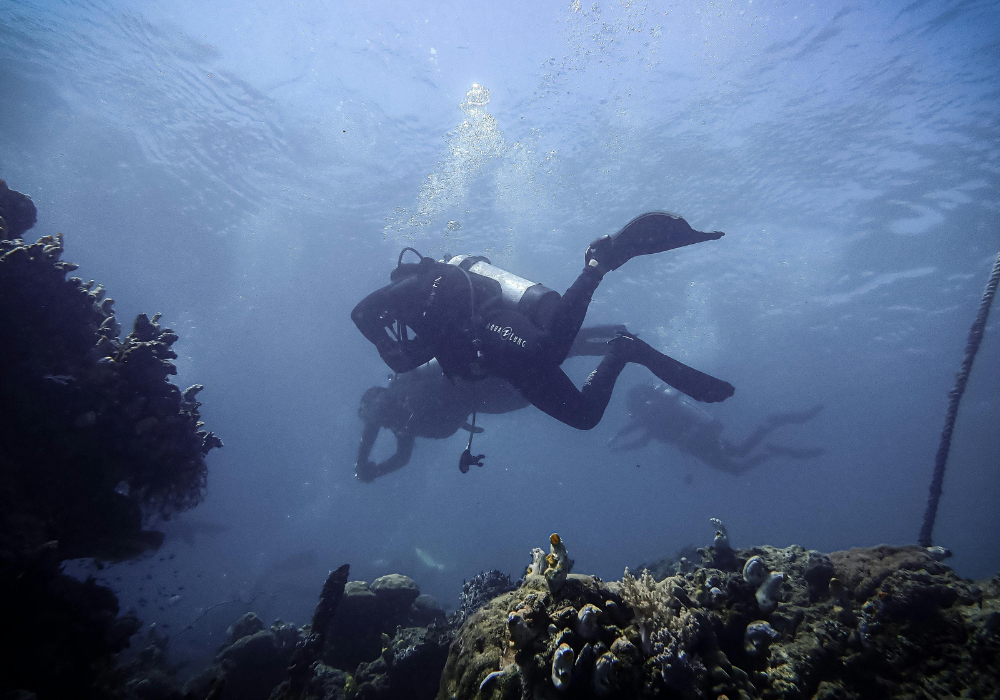
A new study published in Nature reveals a sobering future for corals in the western Atlantic Ocean. Led by Professor Chris Perry of the University of Exeter, researchers examined more than 400 reef sites and fossil reef records to track long-term patterns of growth and decline. Their findings show most reefs are losing their ability to keep pace with environmental change.
By 2040, over 70 percent of Atlantic reefs could stop growing altogether. This means they would no longer build the structures essential for marine life, storm protection, and coastal economies, leaving ecosystems dangerously exposed.
2. Why Coral Growth Matters for Oceans
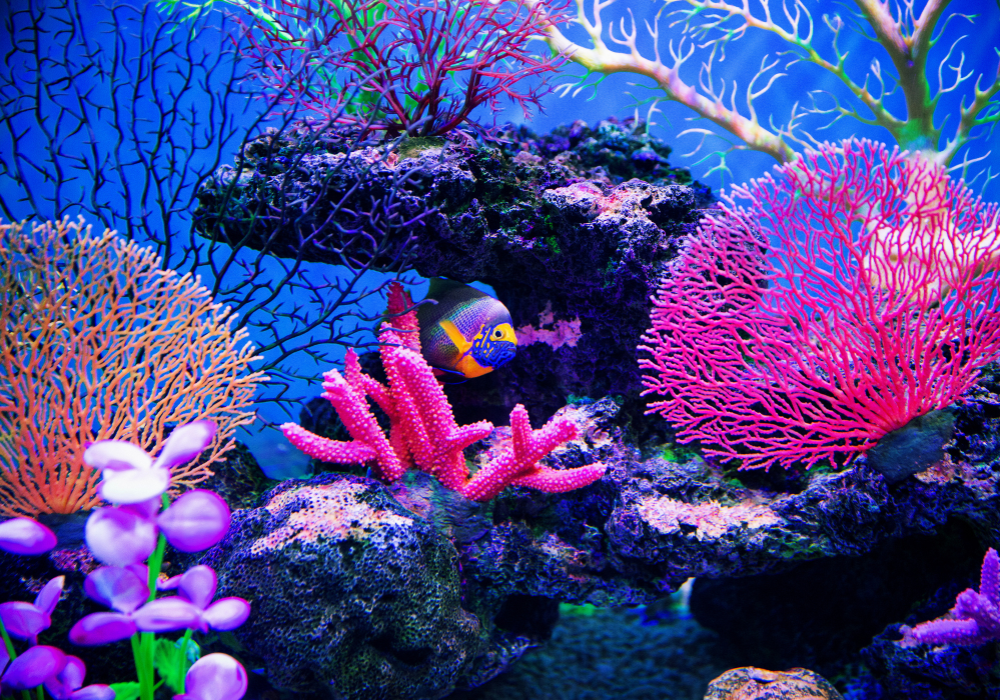
Corals are not just colorful marine animals — they build massive reef structures that act as the foundation for ocean ecosystems. These living barriers provide food and shelter for thousands of species, from fish to crustaceans, and they support the livelihoods of millions of people worldwide.
Without steady coral growth, reefs can’t keep up with erosion, waves, or rising seas. Over time, reefs flatten and degrade, leading to biodiversity collapse. The Nature study underscores that coral growth is not a luxury; it’s the backbone of healthy oceans and resilient coastal communities.
3. Rising Temperatures Are a Major Driver
Warming seas caused by climate change are one of the main reasons corals are struggling to survive. Corals live in a delicate balance with algae that provide them energy. When water temperatures climb too high, this partnership breaks down, and corals expel the algae in a process called bleaching.
Frequent bleaching events weaken reefs, making them unable to grow at normal rates. The study shows that without major reductions in global warming, these bleaching events will become more frequent, more severe, and nearly impossible for corals to recover from in the coming decades.
4. Ocean Acidification Adds to the Stress
Carbon dioxide emissions don’t just heat the atmosphere — they also change the chemistry of oceans. As CO₂ dissolves in seawater, it increases acidity, which reduces the availability of minerals corals need to build their skeletons. This process makes it harder for reefs to grow and repair themselves.
The Nature study highlights acidification as a compounding factor. Even if corals survive bleaching events, weakened skeletons make them more fragile and vulnerable to storms and disease. Over time, the combination of warming and acidification pushes coral ecosystems closer to collapse.
5. Atlantic Reefs Are Especially Vulnerable
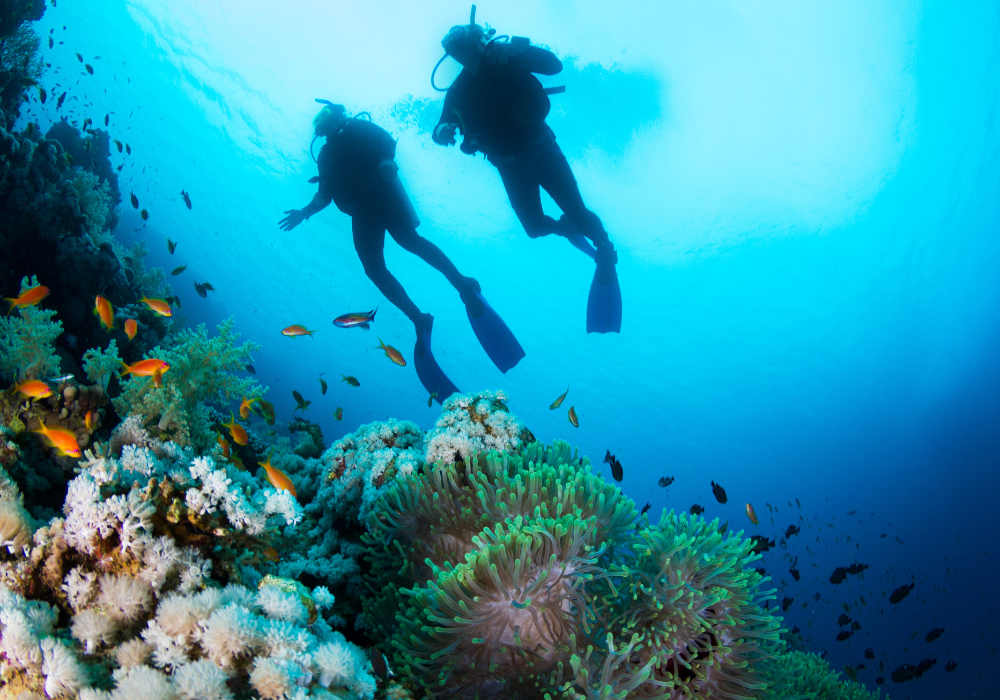
Not all reefs face the same level of risk. The study found that reefs in the western Atlantic, including those in Florida, the Bahamas, and the Caribbean, are particularly vulnerable to growth collapse. Many of these reefs are already stressed by disease outbreaks, overfishing, and pollution.
Unlike some Indo-Pacific reefs that still show resilience, Atlantic reefs appear to have less capacity to adapt. Their location near heavily populated coastlines also exposes them to poor water quality. These pressures leave Atlantic corals among the most at-risk ecosystems anywhere on the planet.
6. Reefs Could Shift From Growth to Erosion
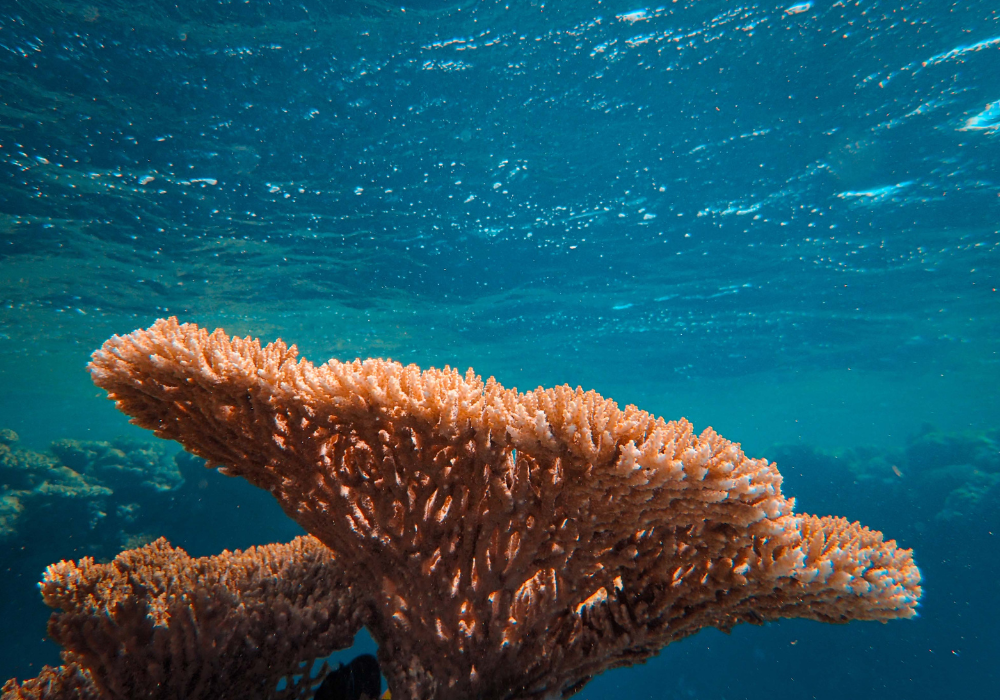
The most alarming projection from the study is that many Atlantic reefs could move from growing to eroding by the end of the century. Once this happens, reefs begin breaking down faster than they can rebuild. This process destroys complex structures that provide habitat and shelter for marine life.
By 2100, if global temperatures rise beyond 2°C, more than 99 percent of Atlantic reefs could be in a state of erosion. This would mean the near-total loss of reef building across the region, with devastating consequences for biodiversity and human communities.
7. The Human Cost Will Be Enormous
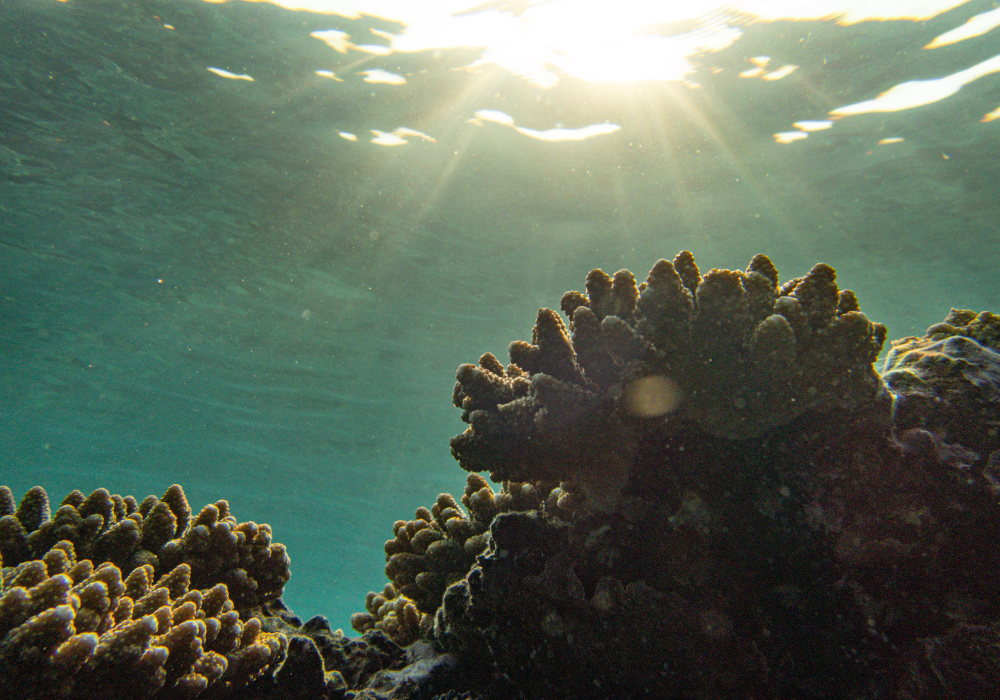
Coral reefs are often described as “rainforests of the sea” because of their incredible biodiversity. But they are also critical for humans. They protect shorelines from erosion, generate billions in tourism, and provide a major source of protein for coastal populations.
If reefs stop growing, these benefits vanish. Coastal communities could see increased flooding and storm damage, while millions of people would lose livelihoods tied to reef ecosystems. The study makes clear that coral collapse is not only an ecological crisis but also a humanitarian and economic one.
8. Local Threats Compound Global Pressures
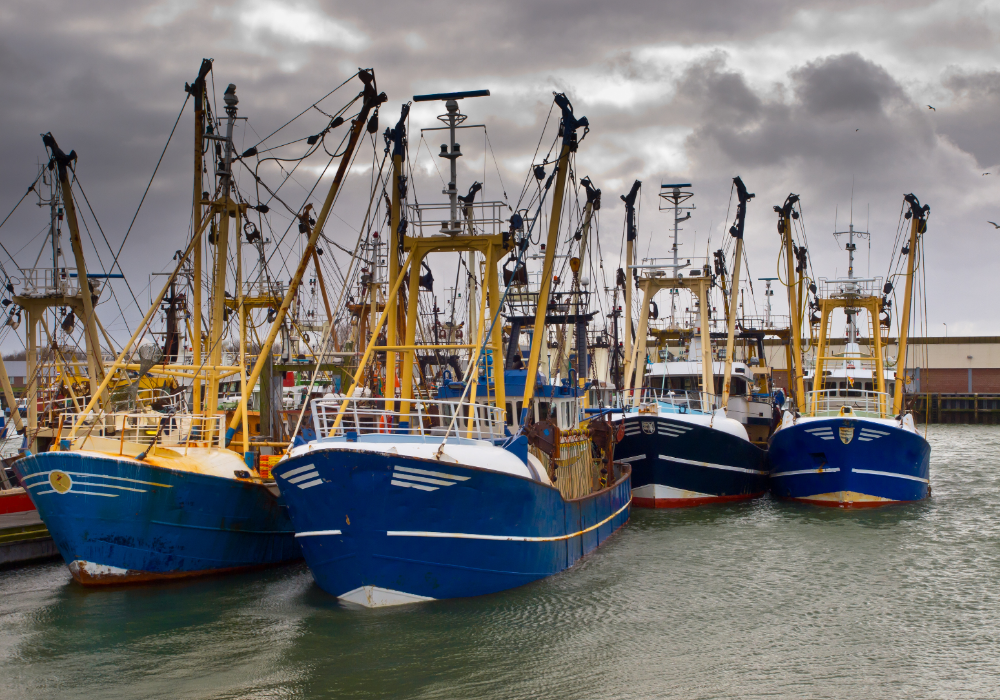
While climate change is the biggest factor, local human activity adds even more strain. Overfishing reduces the populations of fish that keep algae in check, allowing reefs to become smothered. Coastal development leads to sediment and nutrient pollution, which weakens coral health.
The Nature study emphasizes that addressing local stressors is critical alongside global action. Even small improvements in water quality, fishing practices, and coastal management can give corals a better chance of surviving climate-related challenges. Protecting reefs will require action at both the local and global scales.
9. Fossil Records Reveal a Troubling Trend

One of the strengths of the study was its use of fossil reef records to compare present-day reefs with their historical counterparts. These ancient records showed that Atlantic reefs once grew much more robustly, keeping pace with environmental changes over thousands of years.
Today’s reefs are growing far more slowly, if at all. The stark difference highlights how modern stressors — from warming seas to pollution — have fundamentally altered reef systems. Fossil evidence makes it clear that today’s declines are unprecedented in recent geological history, underscoring the urgency of action.
10. The Next 20 Years Are Critical
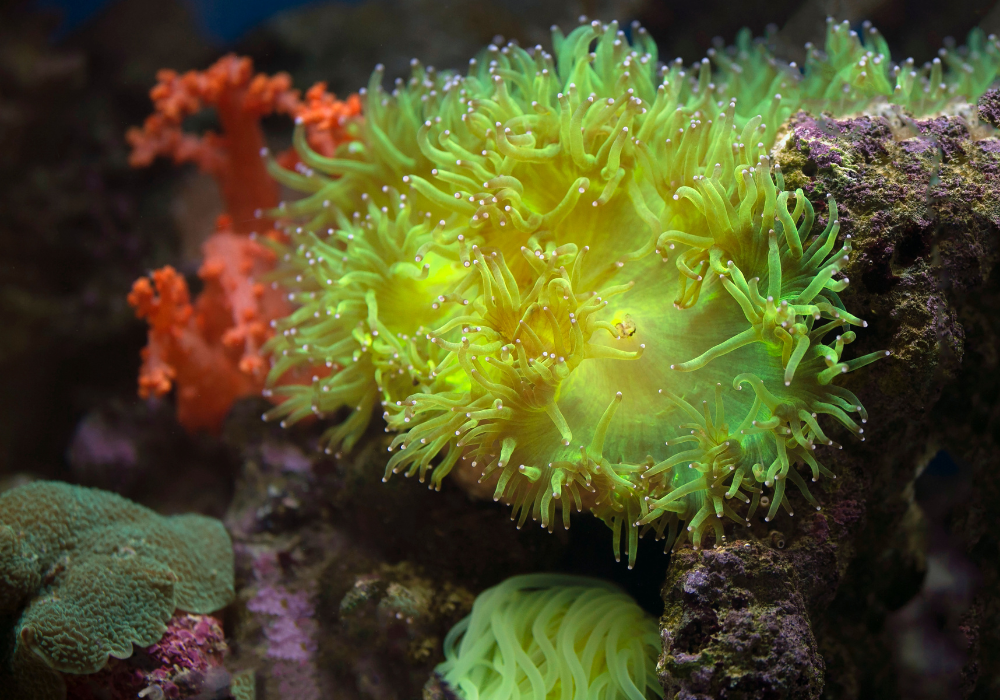
The timeline for coral decline is shorter than many people realize. The study projects that by 2040 — just 15 years from now — most reefs in the western Atlantic will no longer be growing. This stark deadline leaves little room for delay.
Scientists stress that decisions made in the next two decades will determine the future of coral reefs. Aggressive action to reduce emissions and limit warming could preserve some reef growth, while continued inaction could lock in catastrophic declines across the entire Atlantic.
11. Hope Remains if Action Is Taken Now
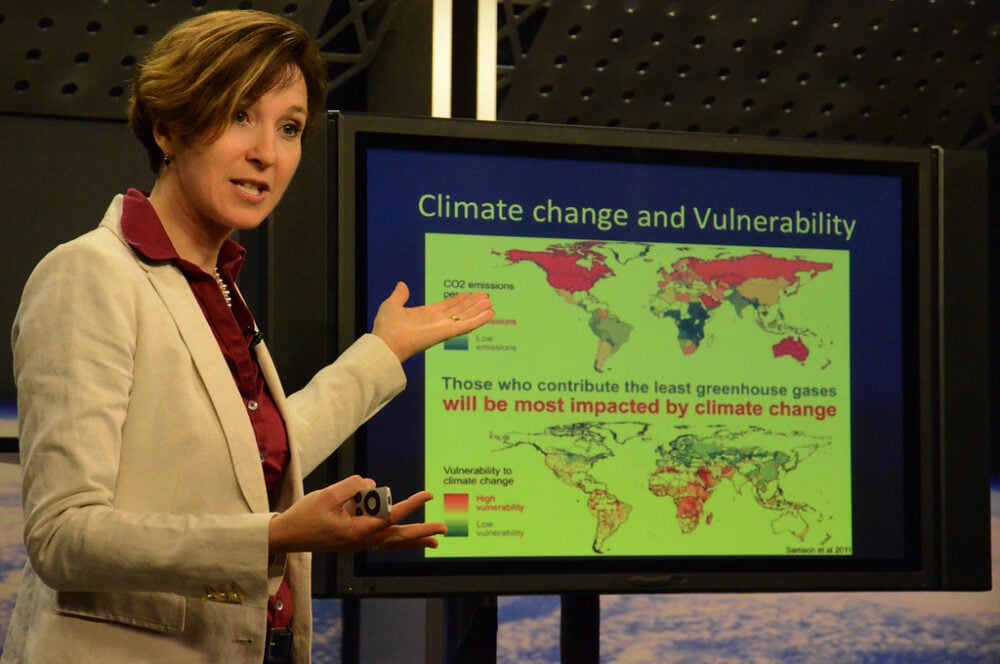
Despite the grim forecasts, scientists emphasize that the future of corals is not predetermined. Reducing greenhouse gas emissions, improving coastal water quality, and expanding marine protected areas can all increase resilience. Some corals even show signs of adapting to warmer waters.
The Nature study concludes that urgent global cooperation is essential. If warming is kept below 1.5°C, many reefs could still grow, albeit more slowly. While time is short, there is still hope that decisive action could prevent the near-total loss of Atlantic corals within this century.