
Nations unite to protect endangered ocean species after years of tough negotiations.
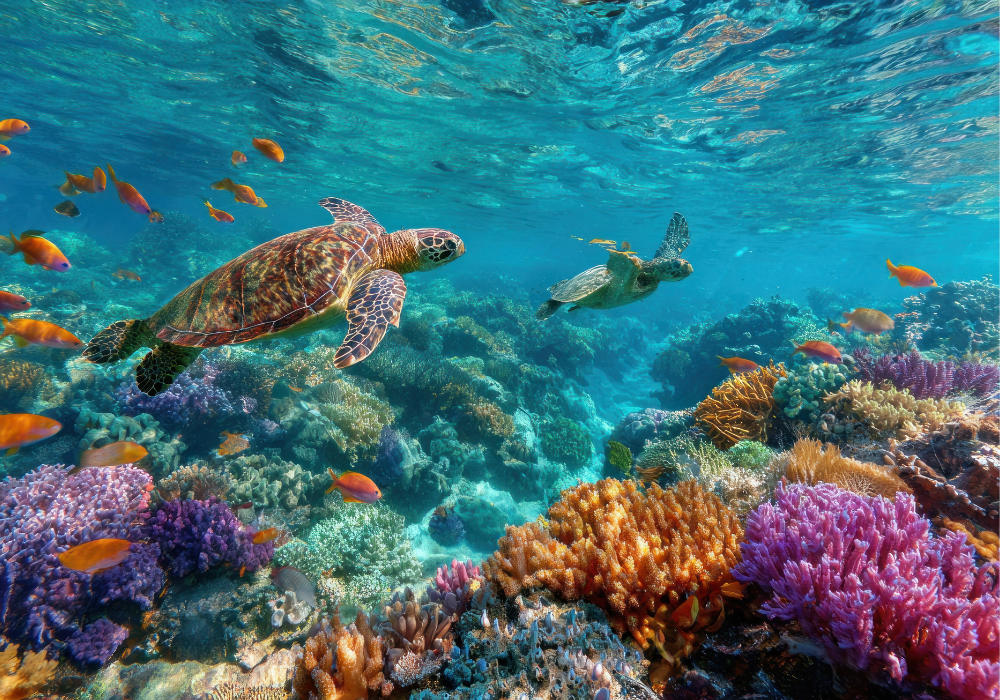
Ocean conservation just made history. The High Seas Treaty, a landmark pact to protect international waters, has now reached its 60th ratification, the threshold needed to become legally binding. Marine scientist Dr. Katie Matthews, Chief Scientist at Oceana, called it “the first time we have the legal foundation to safeguard marine diversity in waters that belong to everyone and no one at the same time.” Covering two-thirds of Earth’s oceans, the treaty addresses growing threats from overfishing, mining, and climate change.
1. A Landmark Deal Finally Becomes Legally Binding

The High Seas Treaty reached its 60th ratification in 2025, crossing the threshold required to make it legally binding under international law. This milestone follows years of difficult negotiations and setbacks, during which countries struggled to balance environmental goals with economic interests.
Experts say the treaty is a turning point for ocean conservation. For the first time, there is a framework to create marine protected areas in international waters. These zones cover nearly two-thirds of the world’s oceans, areas long considered “the Wild West” of global governance.
2. Protecting Two-Thirds of the Planet’s Oceans
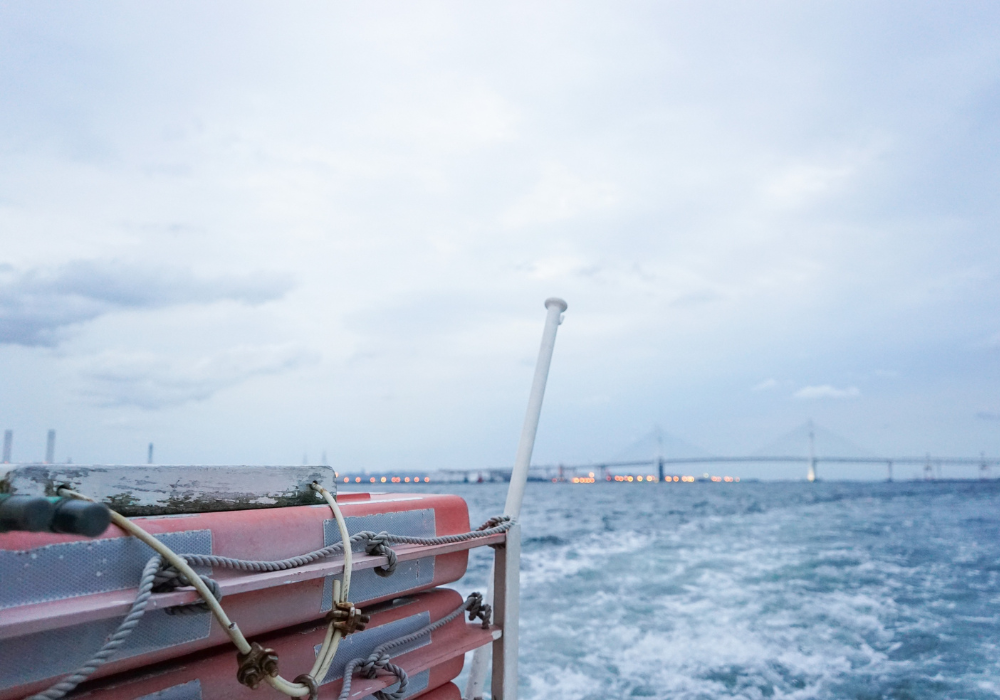
International waters, also known as the high seas, make up almost two-thirds of the Earth’s oceans. These areas lie beyond national borders, meaning no single country is responsible for managing or protecting them. That lack of oversight has left ecosystems exposed to unchecked fishing, pollution, and exploitation.
The new treaty changes this by establishing shared governance. Countries that signed on now have legal obligations to protect biodiversity in these waters. This opens the door to creating large marine reserves, designed to preserve vulnerable species and habitats before they reach a crisis point.
3. Oceans Face Intensifying Climate Threats
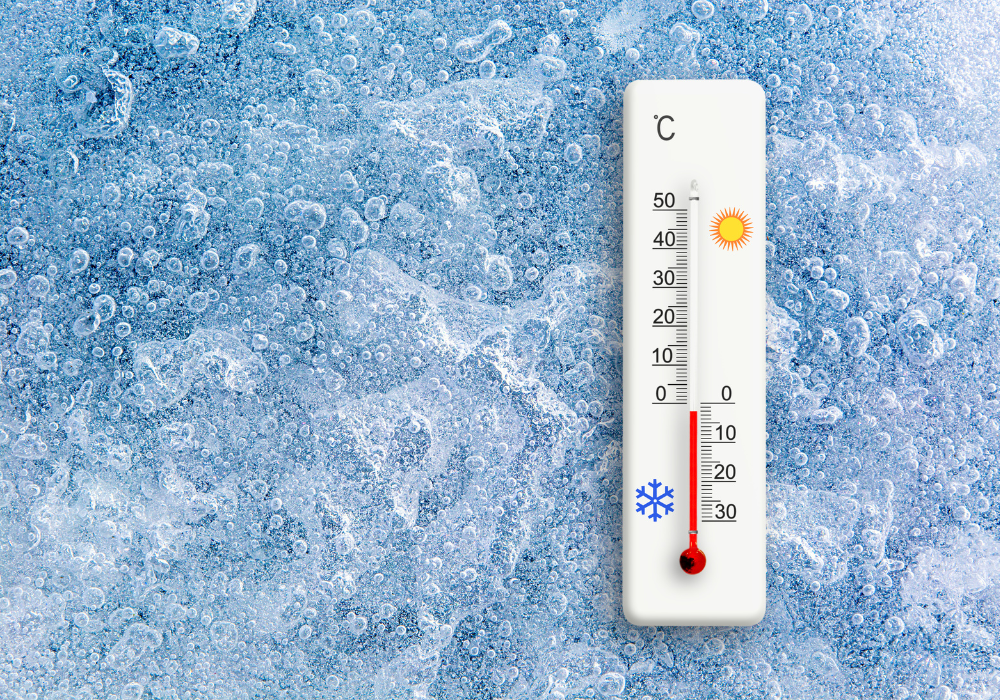
Rising ocean temperatures, acidification, and stronger storms are all putting marine ecosystems under growing pressure. Coral reefs are bleaching, fish are migrating to cooler waters, and vital ecosystems are struggling to adapt. Without international cooperation, these changes could trigger widespread collapses in biodiversity.
The High Seas Treaty tackles this by requiring nations to monitor and mitigate climate impacts in protected zones. Conservationists argue it’s not a cure-all, but it offers a coordinated response. By pooling resources and research, countries can address climate threats that don’t respect national boundaries.
4. Curbing Overfishing on the High Seas
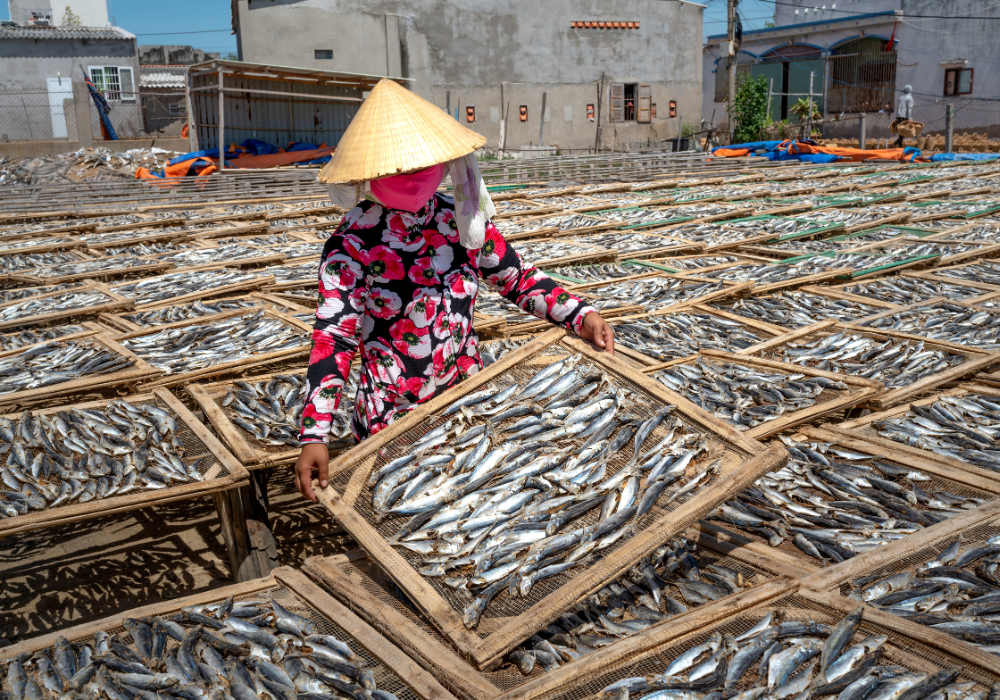
Overfishing has long been one of the greatest dangers to the high seas. Industrial fleets from wealthy nations often harvest massive quantities of tuna, squid, and other species, depleting fish stocks before they can recover. Many fishing practices also destroy fragile habitats like seamounts.
The treaty creates mechanisms for greater transparency in fishing activity. Nations must share data, cooperate on enforcement, and support sustainable practices. While some industry groups pushed back during negotiations, conservationists stress that without limits, overfishing could wipe out species essential to food chains and global food security.
5. Deep-Sea Mining Comes Under Scrutiny
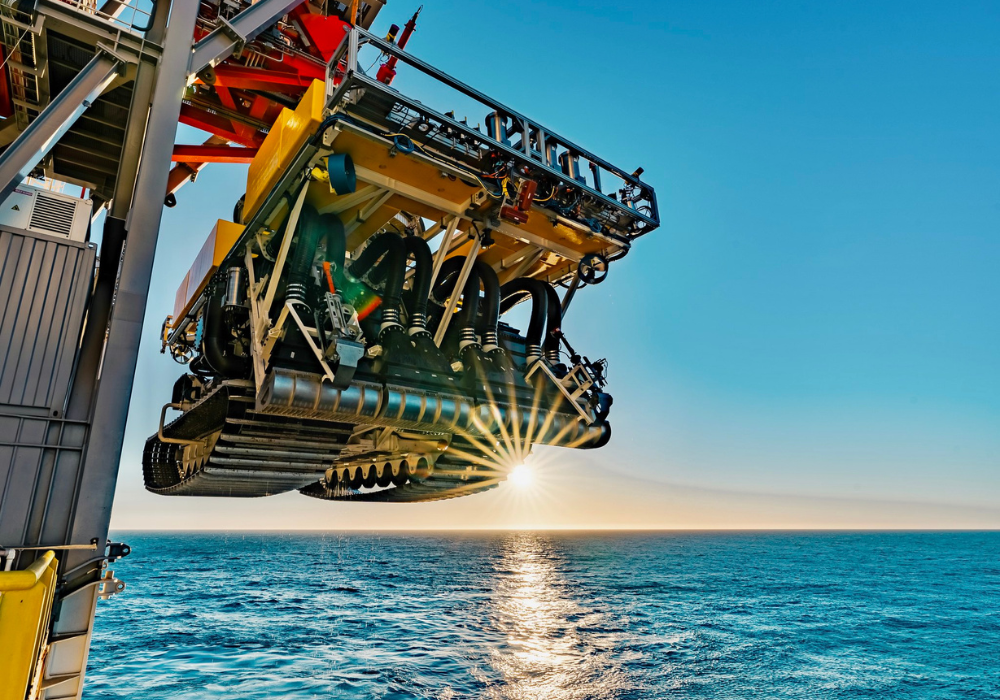
One of the most controversial threats to ocean health is deep-sea mining. Companies are eager to extract minerals like cobalt and nickel from the ocean floor, arguing they are crucial for renewable energy technologies. But scientists warn the ecological risks are enormous.
The High Seas Treaty doesn’t ban deep-sea mining outright but strengthens oversight. Environmental impact assessments are required before activities can proceed. This precautionary approach gives scientists a chance to study ecosystems that remain largely unexplored. Critics argue loopholes remain, but the treaty at least imposes a new level of accountability.
6. A Decade of Negotiations Paid Off
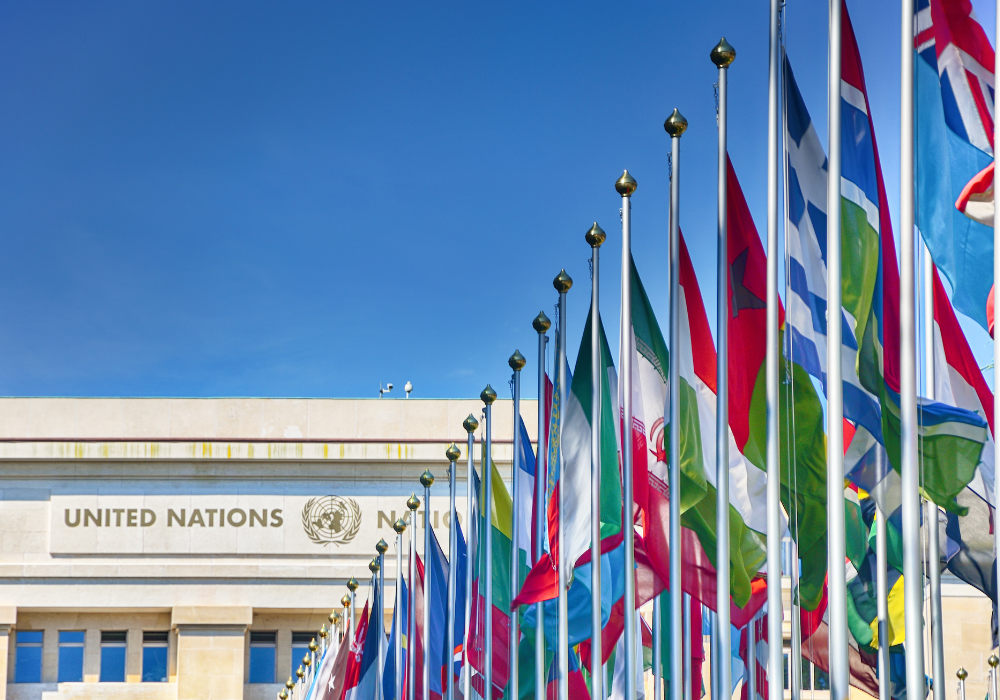
Talks to establish this treaty stretched across nearly two decades, marked by repeated delays and disputes. Countries disagreed over funding, enforcement, and how much economic activity should be restricted. Some nations reliant on fishing and mining resisted tougher rules, fearing economic losses.
Despite the challenges, negotiators eventually reached a deal in 2023 at the United Nations. The breakthrough came after mounting evidence of ecosystem decline. It then took two years to secure enough ratifications. That long process reflects just how hard-won this treaty really is.
7. Marine Protected Areas Will Expand Globally

One of the treaty’s biggest achievements is the authority to create marine protected areas in international waters. These zones work much like national parks, shielding habitats from harmful activities like industrial fishing and drilling.
By establishing legal backing, countries can now coordinate protections across borders. Scientists say this is critical because marine species don’t recognize human boundaries. Protecting migratory routes, spawning grounds, and feeding areas ensures populations can recover and thrive. If implemented effectively, these reserves could safeguard biodiversity on a scale never before possible.
8. Scientists Call It a Historic Breakthrough

Marine biologists and conservationists worldwide hailed the treaty as a milestone. Dr. Katie Matthews of Oceana said it’s “the first time we have the legal foundation to safeguard marine diversity in waters that belong to everyone and no one at the same time.”
Experts stress that the treaty isn’t just symbolic—it can reshape how humanity treats shared oceans. By prioritizing biodiversity, it sets a precedent for global cooperation in protecting other commons like the atmosphere and polar regions. Many see it as proof that international collaboration is still possible.
9. Enforcement Remains a Major Challenge

Signing a treaty is one thing—enforcing it is another. Monitoring activity across two-thirds of Earth’s oceans is a daunting task. Illegal fishing, unreported catches, and violations often happen far from watchful eyes.
The treaty encourages the use of satellite tracking, patrol vessels, and data-sharing to strengthen enforcement. Wealthier nations are expected to provide resources to help poorer countries uphold obligations. Still, experts warn loopholes could persist, and strong political will is necessary to ensure protections actually work in practice.
10. Developing Nations Demand Fair Benefits

During negotiations, developing countries raised concerns about fairness. They argued that wealthy nations have historically reaped the benefits of exploiting international waters, while poorer nations lacked access to those resources.
The treaty includes provisions for sharing benefits from genetic resources discovered in the high seas. These resources, found in unique marine organisms, could hold potential for medicine and technology. By creating a system of equitable benefit-sharing, the treaty aims to prevent future disputes and ensure all countries see value in protecting oceans.
11. A Victory for Global Cooperation

In today’s divided world, securing a legally binding international treaty is no small feat. The agreement represents one of the most significant acts of global cooperation since the Paris Climate Agreement.
Supporters argue that the success of this treaty proves nations can still unite around shared goals. Protecting the oceans requires cooperation because no single country can manage international waters alone. This spirit of unity may even inspire momentum for tackling other global crises, from climate change to biodiversity loss on land.
12. Implementation Will Be the Next Big Test
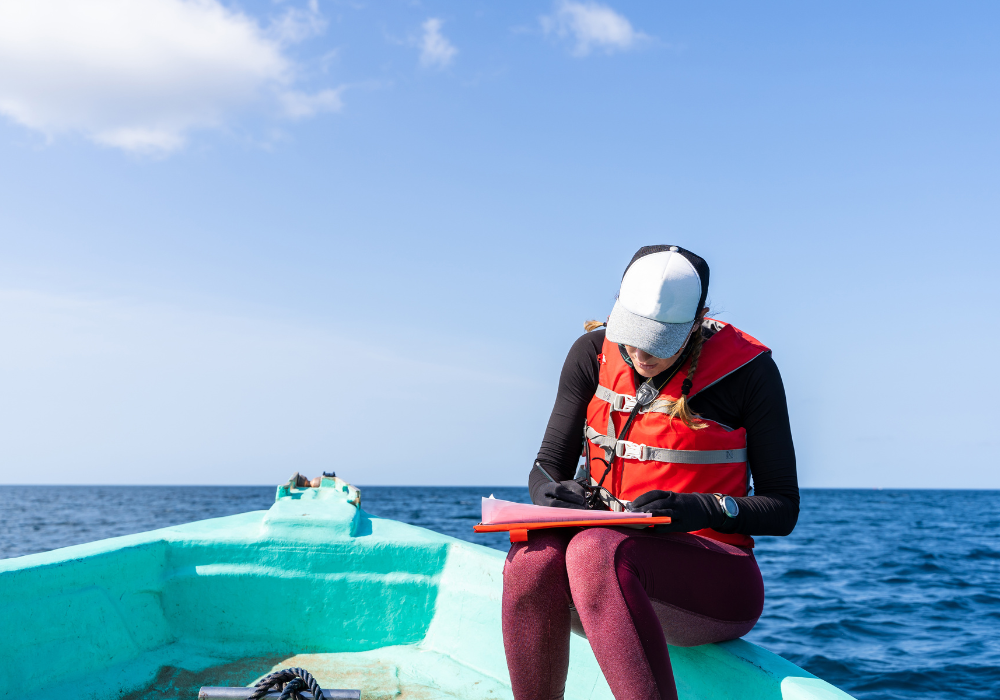
Although the treaty has cleared its final hurdle, the real work begins with implementation. Countries must now design, fund, and enforce marine protected areas while ensuring industries comply with new rules.
Environmental groups warn that without swift action, momentum could stall. They stress that paper promises won’t be enough—concrete action is needed to halt biodiversity decline. The next few years will determine whether this treaty lives up to its potential or fades into another unenforced international agreement.
13. A Step Toward Saving the Blue Planet
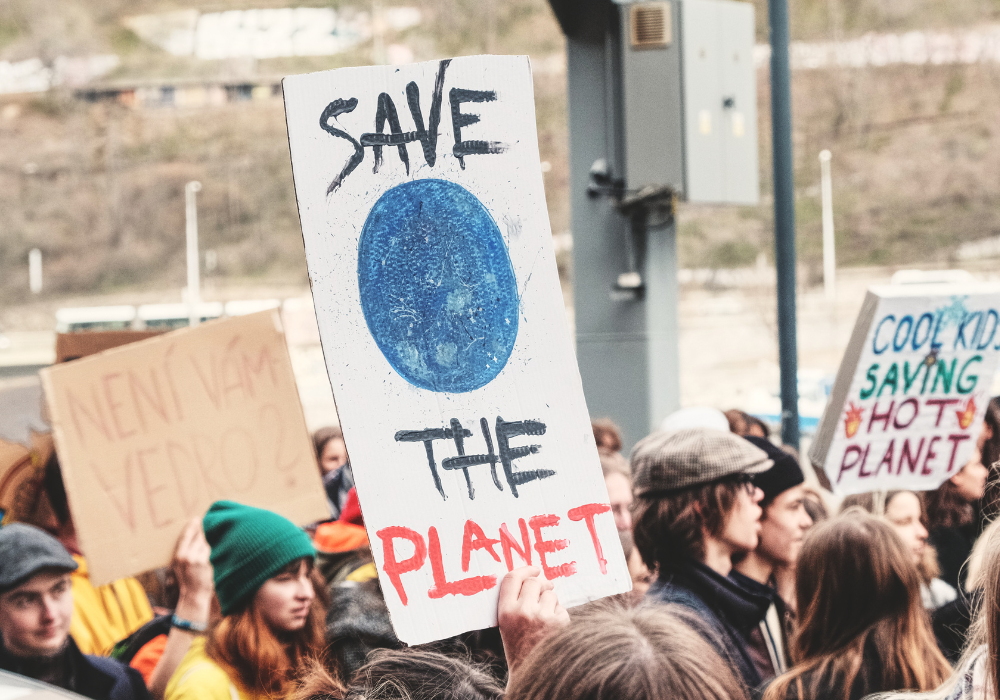
While the High Seas Treaty is not a silver bullet, it represents a crucial step toward safeguarding ocean ecosystems for future generations. Scientists emphasize that healthy oceans are essential to human survival, regulating climate, producing oxygen, and supporting billions of livelihoods worldwide.
By creating a framework for global accountability, the treaty offers hope. It shows that even in a fractured world, nations can come together to protect what’s vital. For many, it’s a rare reason for optimism in the fight to preserve the planet’s most precious resource.