
Astronomers detect baffling signals from the universe that challenge what we know about space.
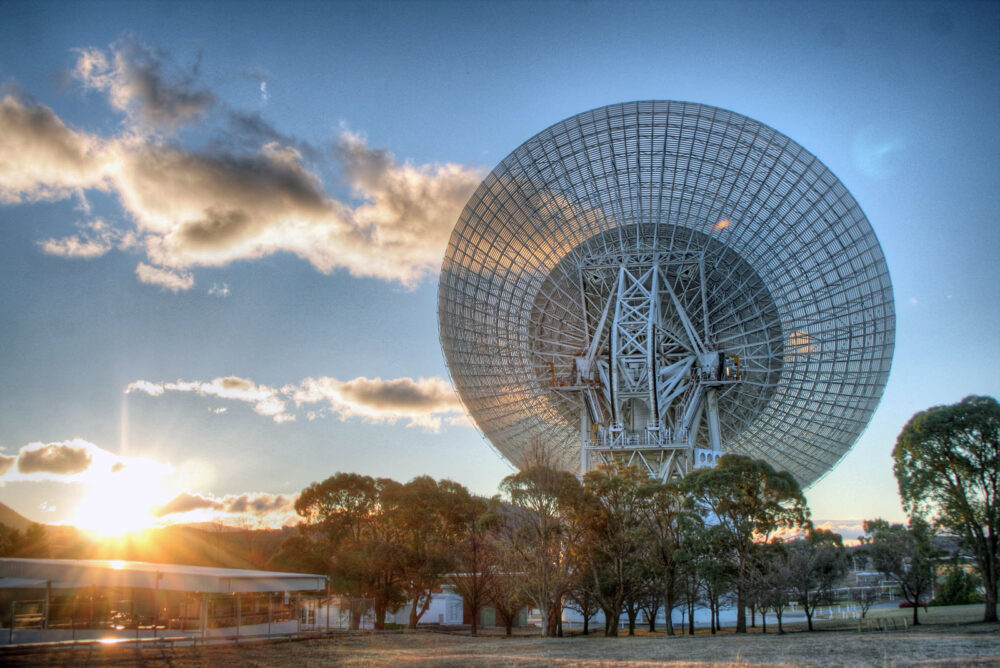
Something strange is happening in the vast reaches of space, and scientists still don’t fully understand it. Over the past few decades, astronomers have detected puzzling signals coming from distant parts of the universe that defy easy explanation. Some last only milliseconds, while others pulse steadily across time. Powerful telescopes on Earth and in orbit have captured these cosmic oddities, leaving researchers both fascinated and frustrated. Each mysterious signal is a reminder of how much we still don’t know.
1. Fast Radio Bursts Flash Across the Sky

Fast radio bursts, or FRBs, are among the most puzzling signals astronomers have ever encountered. These are short, intense blasts of radio waves that last only milliseconds, yet they unleash as much energy as the Sun produces in days. Discovered less than two decades ago, FRBs come from distant galaxies far beyond the Milky Way.
What makes them so strange is their unpredictability. Some appear just once and never repeat, while others pulse at irregular intervals. Scientists believe they could be linked to highly magnetic neutron stars called magnetars, but the truth remains uncertain. FRBs are still one of astronomy’s greatest enigmas.
2. The Wow! Signal Still Has No Clear Source

Back in 1977, a radio telescope in Ohio recorded a powerful 72-second signal that stood out dramatically from the background noise. The astronomer Jerry Ehman circled the reading on the printout and scribbled “Wow!” in the margin, giving the signal its unforgettable name. Its strength and clarity were unlike anything detected before or since.
The source of the Wow! Signal has never been confirmed. Some think it may have been caused by a passing comet or a burst of natural radiation. Others believe it could have been something more exotic. Decades later, scientists are still left without a solid explanation.
3. Pulsars Send Out Perfectly Timed Signals
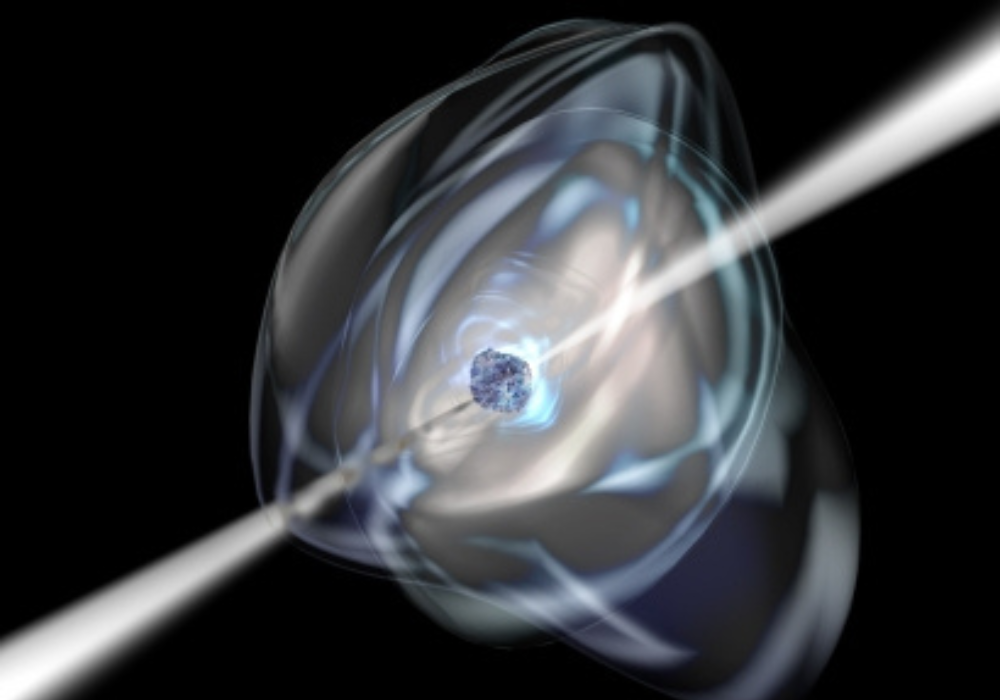
Pulsars are collapsed stars that spin rapidly and shoot beams of energy into space. When those beams sweep across Earth, they look like clockwork signals repeating with astonishing precision. Some pulsars tick more regularly than atomic clocks, making them valuable tools for navigation and timekeeping across the cosmos.
Yet their perfection puzzled early astronomers. When pulsars were first discovered in the 1960s, some even nicknamed them “Little Green Men” because the signals seemed too regular to be natural. Today, we know they are astrophysical objects, but their precision still challenges our understanding of extreme physics.
4. Mysterious Galactic Center Bursts Baffle Astronomers
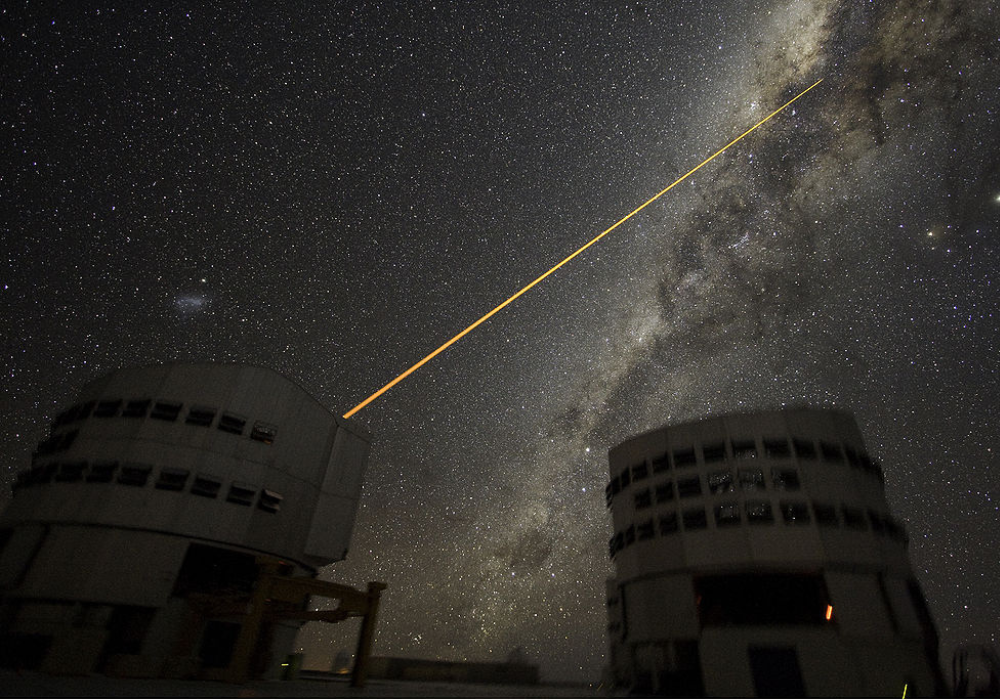
The heart of our galaxy is one of the noisiest places in the universe, filled with stars, gas, and the supermassive black hole known as Sagittarius A*. Among this chaos, astronomers sometimes detect puzzling radio bursts that don’t match known sources. They flare up suddenly, shine brightly, and then fade away without a pattern.
What makes them baffling is that they don’t behave like pulsars, black holes, or any known object. Some last minutes, others weeks, and then vanish. Researchers suspect they could be evidence of a new type of celestial body, but the mystery is far from solved.
5. X-Ray Signals Hint at Strange Matter
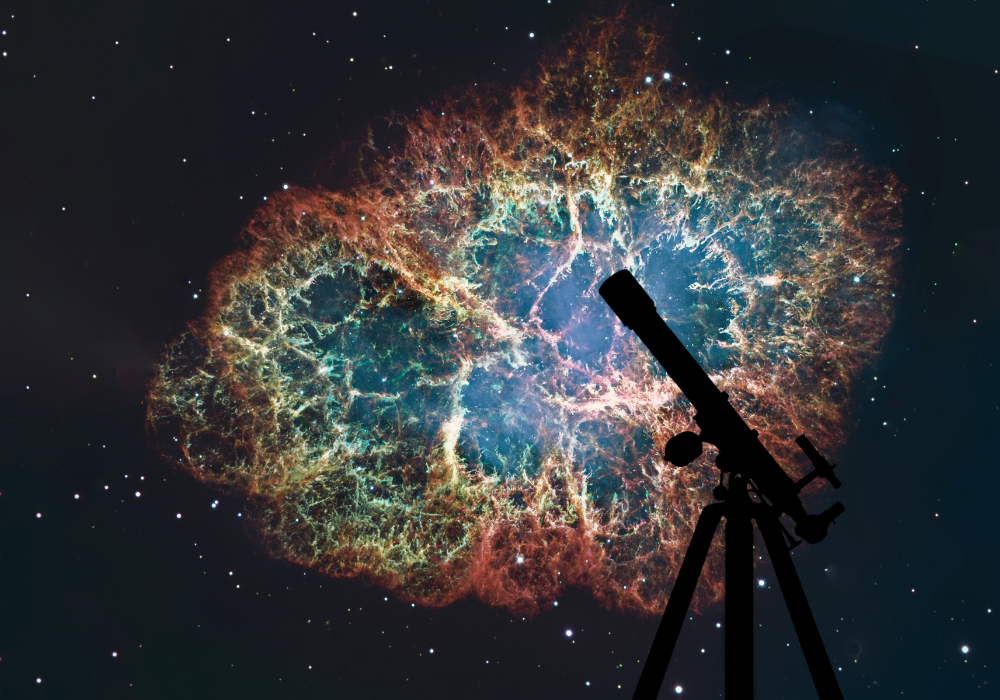
When neutron stars emit X-rays, the signals don’t always line up with standard models of how matter should behave. These stars are unimaginably dense—so dense that a teaspoon of neutron star material would weigh billions of tons on Earth. Yet, the X-ray emissions sometimes suggest something even more exotic may be lurking inside.
One possibility is quark matter, a type of matter that may exist only under extreme pressures and temperatures. If proven true, it would offer a window into states of matter beyond anything we can recreate in laboratories. For now, the signals remain puzzling clues.
6. Tabby’s Star Flickers in a Puzzling Way

In 2015, astronomers noticed something unusual about a distant star nicknamed Tabby’s Star. Unlike most stars, which dim slightly when a planet crosses in front of them, this one dimmed by huge amounts—sometimes by 20 percent or more. Even stranger, the dimming wasn’t consistent or predictable.
Scientists proposed explanations ranging from dust clouds to swarms of comets, but none fit perfectly. The unusual pattern sparked even wilder speculation about massive alien structures, though that idea has no evidence. Years later, the mystery lingers, and Tabby’s Star remains one of the strangest stellar puzzles known.
7. Odd Radio Circles Appear in the Sky
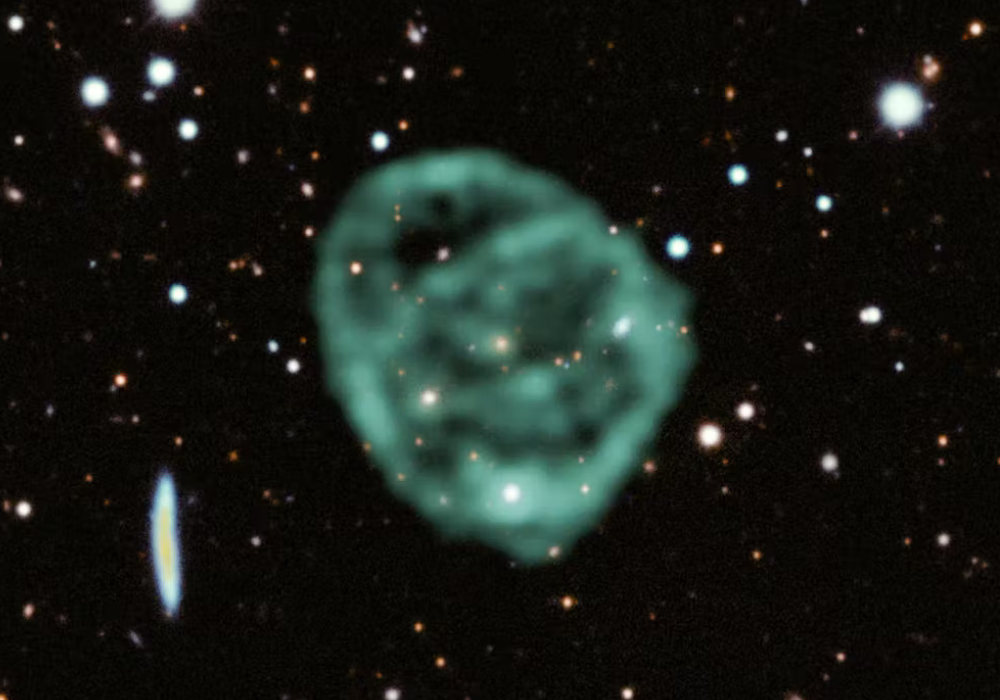
In 2019, astronomers discovered something unexpected: giant, faint circles of radio waves hanging in the sky. These “odd radio circles,” or ORCs, were massive—bigger than entire galaxies—yet completely invisible in normal light. Their sheer size and symmetry stunned scientists.
So far, only a handful have been found, and their origins remain unclear. Some suggest they could be shockwaves from enormous explosions, while others think they might be related to the activity of supermassive black holes. With so few examples to study, ORCs remain one of astronomy’s newest and strangest discoveries.
8. Gamma-Ray Bursts Pack Enormous Energy
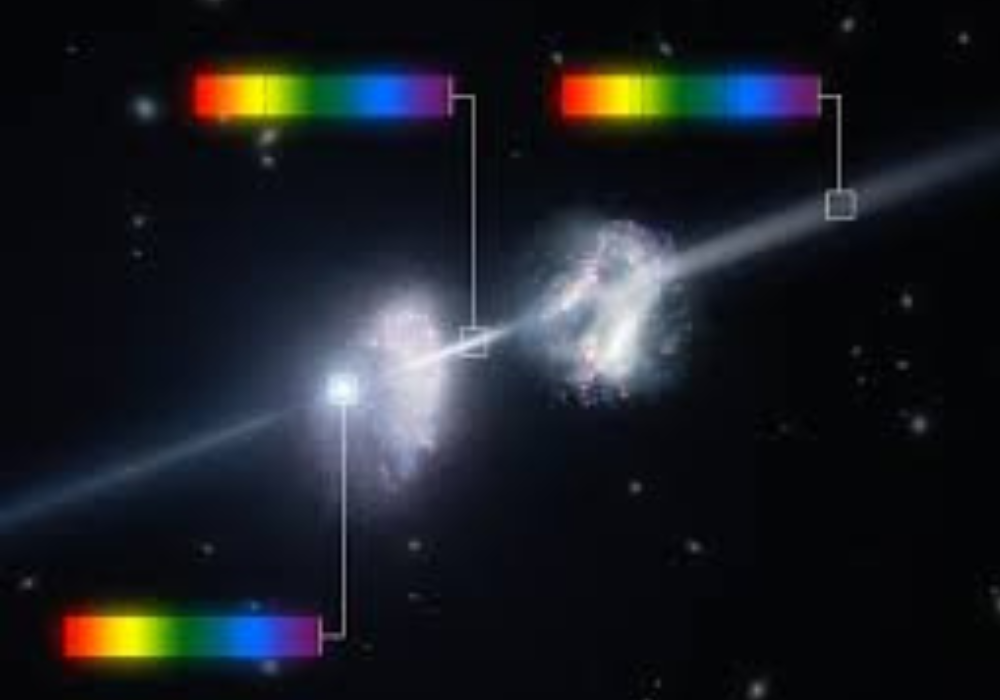
Gamma-ray bursts are brief but incredibly powerful explosions that light up the universe. In just seconds, they release more energy than the Sun will produce in its entire lifetime. These bursts are so bright they can be seen across billions of light-years, making them useful tools for probing the early universe.
Some bursts come from the collapse of massive stars, while others result from neutron star collisions. But not all bursts fit these patterns, leaving scientists searching for other explanations. Their sheer power makes gamma-ray bursts both awe-inspiring and deeply mysterious.
9. Strange Signals From Jupiter’s Moons

When spacecraft flew past Jupiter, they detected unexpected radio emissions from its moons, especially Io. Unlike typical planetary signals, these emissions were unusually strong and complex. They seemed to vary depending on Io’s position in Jupiter’s massive magnetic field.
Researchers think volcanic activity on Io interacts with Jupiter’s magnetic environment to create these bizarre emissions. Even so, the exact details of how these signals form are still being studied. Jupiter’s moons remain some of the most mysterious and dynamic places in the solar system.
10. The Repeating Radio Signal From a Distant Galaxy

Most fast radio bursts are one-time events, but in 2019 astronomers found one that repeated. It came from a galaxy about 500 million light-years away and pulsed on a regular 16-day cycle. No other known FRB behaves this way, making it one of the most unusual cosmic signals ever detected.
Some scientists think it could come from a neutron star orbiting another massive object, which might explain the cycle. Others believe it could represent an entirely new type of astrophysical process. The repeating signal continues to challenge established theories of space phenomena.
11. Cosmic Microwave Anomalies Raise Questions
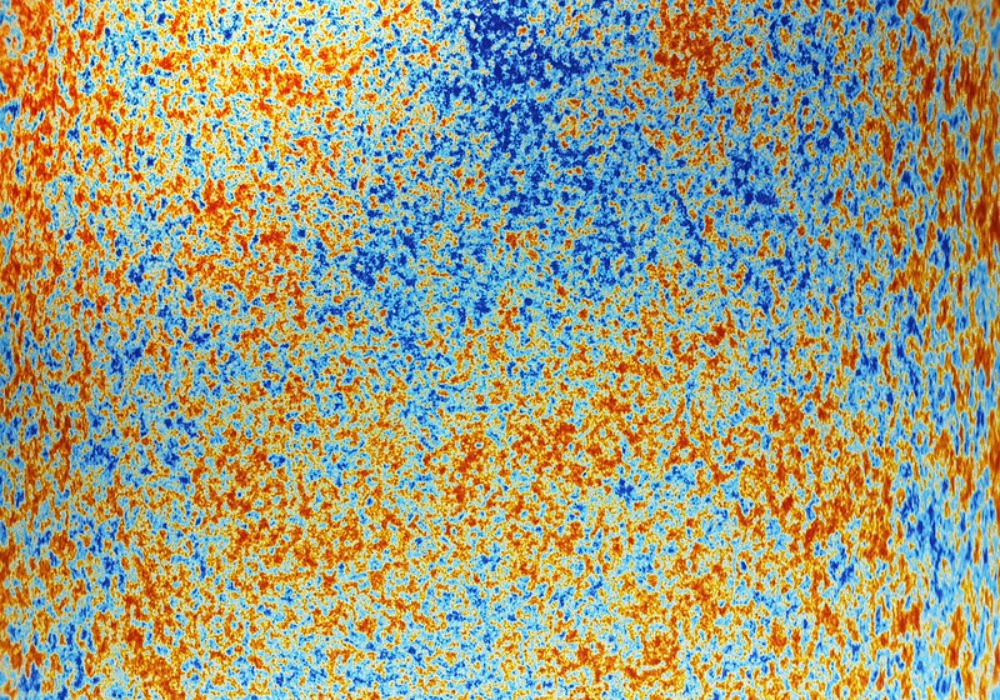
The cosmic microwave background is the faint afterglow left behind from the Big Bang nearly 14 billion years ago. While it’s mostly smooth, scientists have noticed strange hot and cold spots that don’t fit predictions. These anomalies stand out in maps of the early universe.
Some believe they may just be statistical oddities, but others suggest they could hint at new physics or even the presence of other universes. While nothing has been proven, these signals remind us that even the most well-studied cosmic phenomena still hold secrets.
12. The Enigma of Fast X-Ray Transients
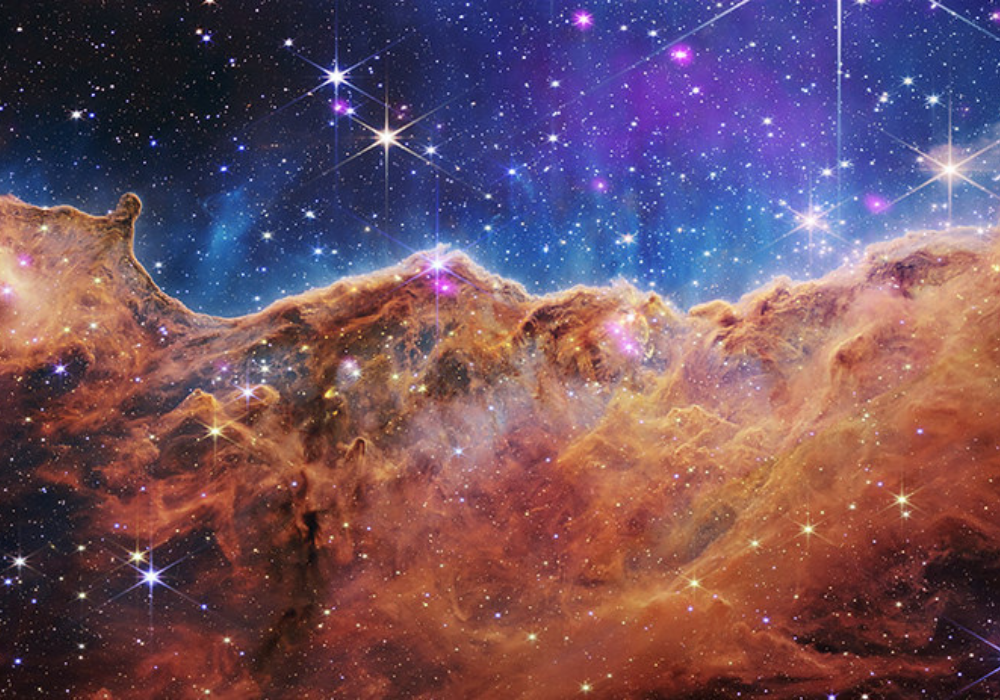
Astronomers sometimes spot sudden flashes of X-rays in space that appear and vanish without warning. These fast X-ray transients last only seconds to minutes, making them very difficult to study. Despite improvements in technology, researchers often detect them by chance.
Possible explanations include black holes devouring matter, unusual stellar explosions, or even previously unknown objects. With so few observations, no single theory fully explains them. Until more of these fleeting signals are caught and analyzed, fast X-ray transients will remain a cosmic mystery.