
Scientists reveal how trees use chemical and physical signals to interact in ecosystems

Trees engage in complex communication networks involving underground fungi, chemical signals, and subtle physical cues. Far from isolated organisms, they share nutrients, warn of dangers, and even recognize kin, all contributing to forest resilience. This fascinating interplay, studied by experts from the National Park Service and Ecological Society of America, challenges traditional views and deepens our understanding of nature’s interconnectedness.
1. Trees use underground fungal networks to exchange nutrients and information.

Underground fungal networks act like nature’s internet, connecting trees for nutrient exchange and communication. Known as mycorrhizal networks, these fungal threads link tree roots, enabling them to share resources and warning signals. It’s a mutualistic relationship rooted in survival and cooperation.
Beyond mere exchange, this network allows for real-time communication among trees. For instance, if a tree is attacked by pests, it can relay distress signals, prompting nearby trees to boost their defenses. This web of interactions reveals the complexity and interdependence underlying forest ecosystems.
2. Trees release chemical signals through the air to warn nearby plants.
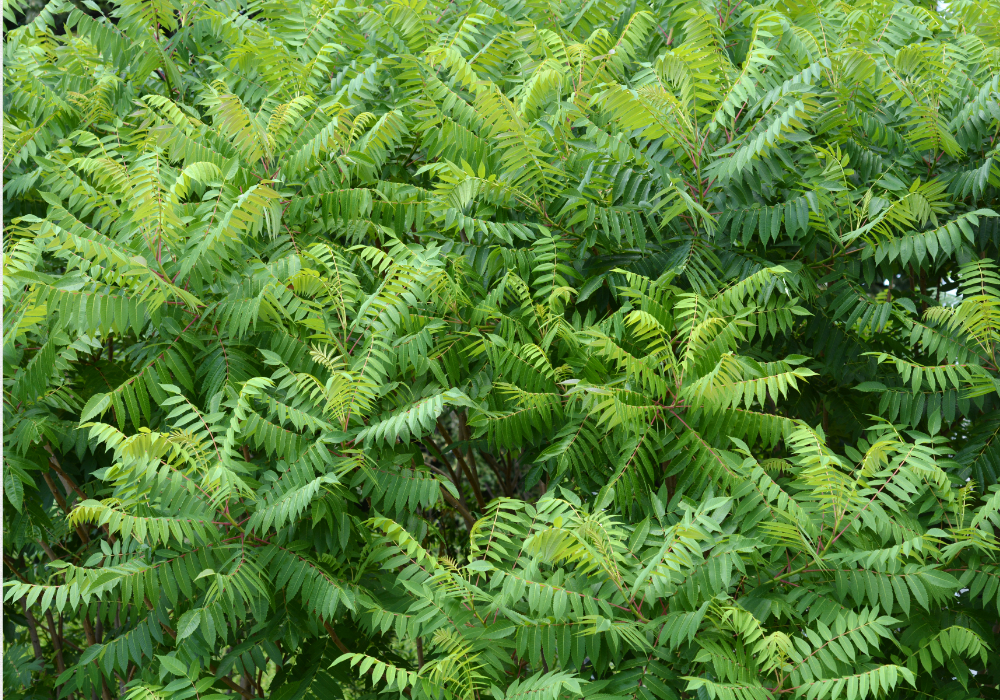
Through the air, trees release chemical signals to alert their neighbors about threats. These signals often contain specific compounds that can trigger a defensive response in nearby vegetation. When one tree senses danger, others can brace for potential harm.
Such airborne communication serves as an early warning system in forests. For example, if insects attack a tree, the surrounding trees may bolster their defenses by altering leaf chemistry, making them less appetizing to pests. This invisible chat keeps plant communities vigilant.
3. Roots can grow towards or away from other plants based on signals.

Roots detect chemical signals, guiding growth towards or away from neighboring plants. Through root exudates, trees send and receive messages about available resources or potential competition. This dynamic helps maintain spatial harmony among plant communities.
For instance, when two trees compete for nutrients, roots may redirect growth elsewhere, reducing overlap and resource depletion. Such calculated movements showcase the adaptive strategies trees employ to thrive collectively. This silent negotiation occurs below ground, shaping forest structure subtly yet effectively.
4. Some trees emit distress chemicals when attacked by insects or animals.
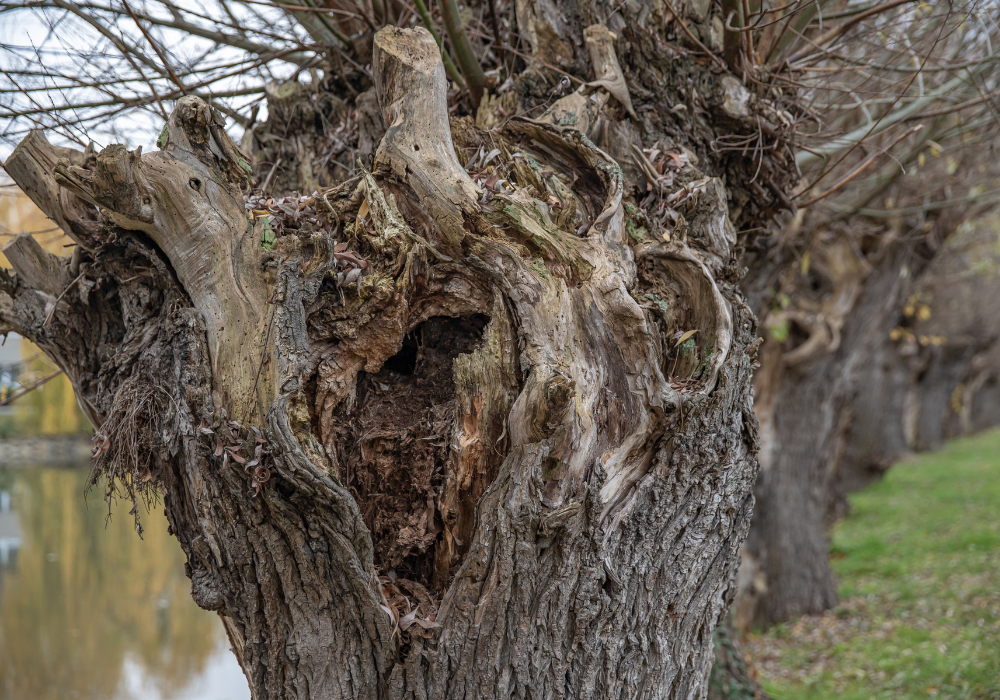
Certain trees emit distress chemicals when creatures like insects or animals attack them. These compounds often trigger defensive responses in the tree and its neighbors, mobilizing resources to counter the threat. It’s akin to a silent cry for help.
Other trees within the vicinity can pick up on these distress signals and increase their protective measures, such as producing toxins or thickening leaf surfaces. The coordination among the trees can lead to enhanced resilience against predators.
5. Trees alter the composition of their leaf chemicals to signal neighbors.
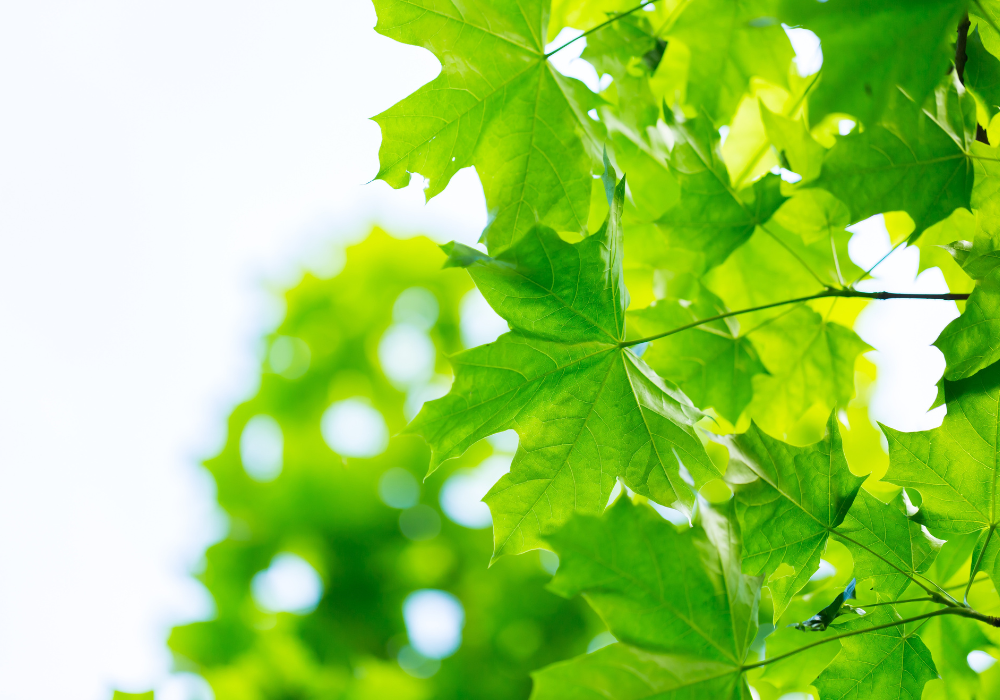
Trees can adjust their leaf chemicals, signaling nearby plants of potential threats. This alteration involves changes in compounds like tannins or oils, which serve as both a deterrent and a means of communication. Such chemical shifts are integral to plant defense.
These adaptations can dissuade herbivores while alerting other trees to heighten their defenses. In this way, a single tree’s response can cascade through a forest, prompting a collective guard against intruders. This subtle communication enhances communal protection.
6. Vibrations in the soil can transmit information between connected root systems.

Subtle vibrations in the soil can carry messages through connected root networks. Trees detect these signals, gathering information about environmental changes or disturbances. Like a gentle tap on the shoulder, vibrations pass quietly yet effectively among roots.
In some cases, the presence of these vibrations may alert a tree to pest activity or shifts in moisture. The interconnectedness of root systems allows trees to respond collectively, preserving the integrity of their shared habitat. This quiet dialogue is part of a lively forest exchange.
7. Trees share sugars and nutrients with stressed or younger plants through roots.

Trees can share sugars and nutrients with struggling neighbors through root systems. They often direct these vital resources to younger or stressed trees, aiding their growth and resilience. It’s an ecological form of nurturing and support.
This selfless exchange enables a balance within ecosystems, as older trees bolster the next generation. Such symbiotic relationships enhance forest sustainability, showcasing the interconnected web of life that allows individual trees to flourish together. Silent generosity fosters forest health.
8. Changes in a tree’s sap flow can indicate environmental stress to others.

A tree’s sap flow changes in response to environmental stress, signaling its condition to others. These variations can result from drought, temperature shifts, or pest attacks. Monitoring sap flow helps trees adapt to fluctuating conditions.
Adjacent trees may detect these shifts and adjust their own physiology to mitigate stress. While not conscious communication, this signals a responsive mechanism enabling neighboring trees to optimize survival strategies. It’s a testament to the adaptability inherent in shared environments.
9. Trees recognize kin and adjust their growth and resource sharing accordingly.
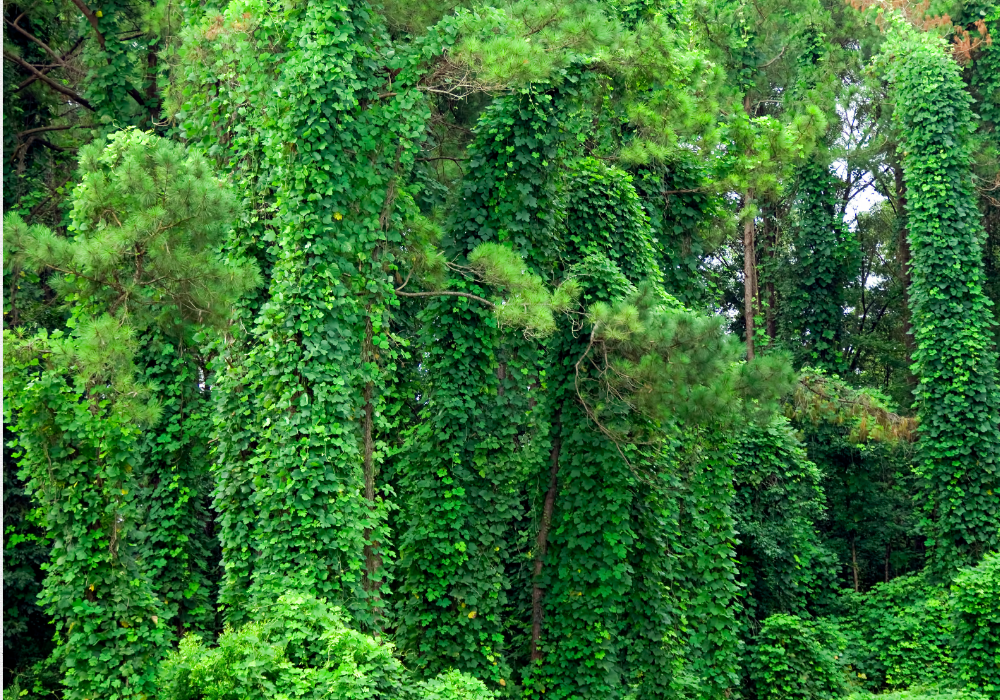
Trees possess the ability to recognize kin, modifying growth and resource sharing behaviors accordingly. Through chemical and physical cues, they determine relatedness, adjusting competition levels and resource allocation. It’s a discerning tactic rooted in genetic loyalty.
Kin recognition can enhance survival by prioritizing family members for nutrient sharing, especially in crowded conditions. This selective generosity strengthens familial groups, contributing to overall ecosystem balance. Tracing these personal connections reveals a nuanced familial dynamic among forest inhabitants.
10. Leaf excitability changes help trees respond to light and sound cues nearby.

Leaf excitability changes as trees respond to cues like light and sound. These modifications facilitate faster reactions, optimizing photosynthesis and protection. The plant’s ability to detect and dynamically adjust highlights its perceptive nature.
For instance, leaves might alter their orientation in response to shifting sunlight, maximizing energy intake. Such adaptability ensures a tree harnesses external stimuli efficiently, showcasing an intricate interplay between responsiveness and environment. This silent agility supports tree vitality.
11. Trees can store memories of past stressors and pass this information chemically.
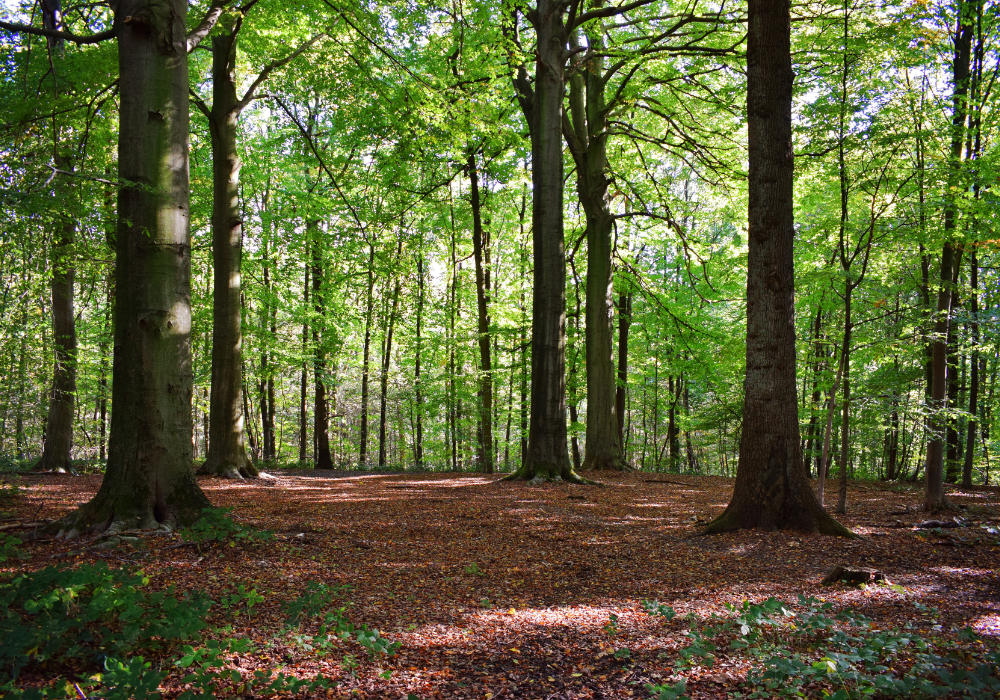
Trees can store memories of past stressors and express this knowledge chemically. Through retained changes in hormone levels or chemical signatures, they prepare better defenses for future occurrences. This memory mechanism equips trees for recurring challenges.
Although not equivalent to animal memory, a tree’s biochemical adjustments offer a strategic advantage. For example, trees exposed to previous droughts may develop enhanced drought resistance. This retained wisdom amplifies resilience, underscoring nature’s silent but effective adaptation.
12. Communication through volatile organic compounds helps trees coordinate defense strategies.
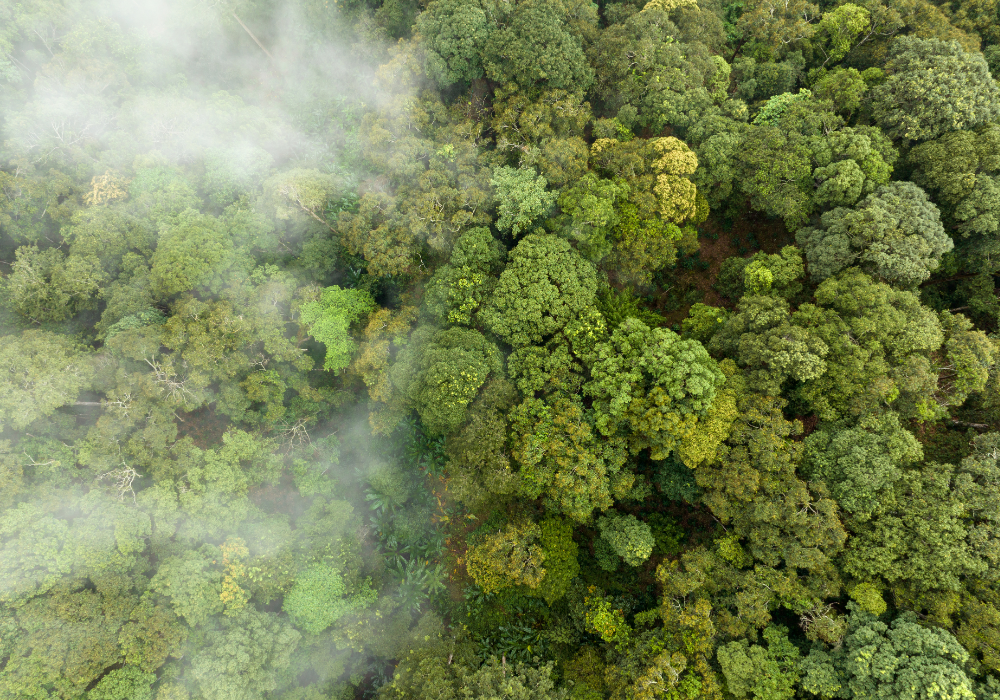
Volatile organic compounds released by trees can synchronize community defense responses. These airborne chemicals coordinate timely actions, ensuring that trees collectively prepare for threats. It’s a strategy of cooperation over isolation.
By releasing these compounds, a tree signals its neighbors to fortify defenses against impending dangers, such as herbivore attacks. This synchronized response magnifies protection, contributing to collective resilience. Such coordinated efforts enhance ecosystem stability by fostering unity among forest members.