
Scientists fear tomorrow’s summers could bring extreme danger and unprecedented change.

Summer has always been a season people look forward to, but scientists say it’s rapidly becoming one of the most dangerous times of the year. Rising global temperatures are fueling record-breaking heatwaves, straining power grids, and threatening public health. Experts warn that what once felt like a carefree stretch of warm weather is shifting into something far more perilous, with consequences that could reshape how we live, work, and even survive.
1. Summers Could Become the Hottest on Record Every Year

Scientists have already documented a steady climb in global temperatures, and the trend isn’t slowing down. Each year, summer records are shattered, creating new extremes that quickly replace the old ones. Experts warn this cycle is likely to continue, with “hottest summer ever” headlines becoming an annual reality.
This isn’t just about discomfort. Prolonged extreme heat puts vulnerable populations at serious risk. Older adults, young children, and those with health conditions often suffer the most. Without stronger infrastructure and community protections, these conditions could turn deadly more often and in more places than ever before.
2. Heatwaves May Last Longer and Spread Wider
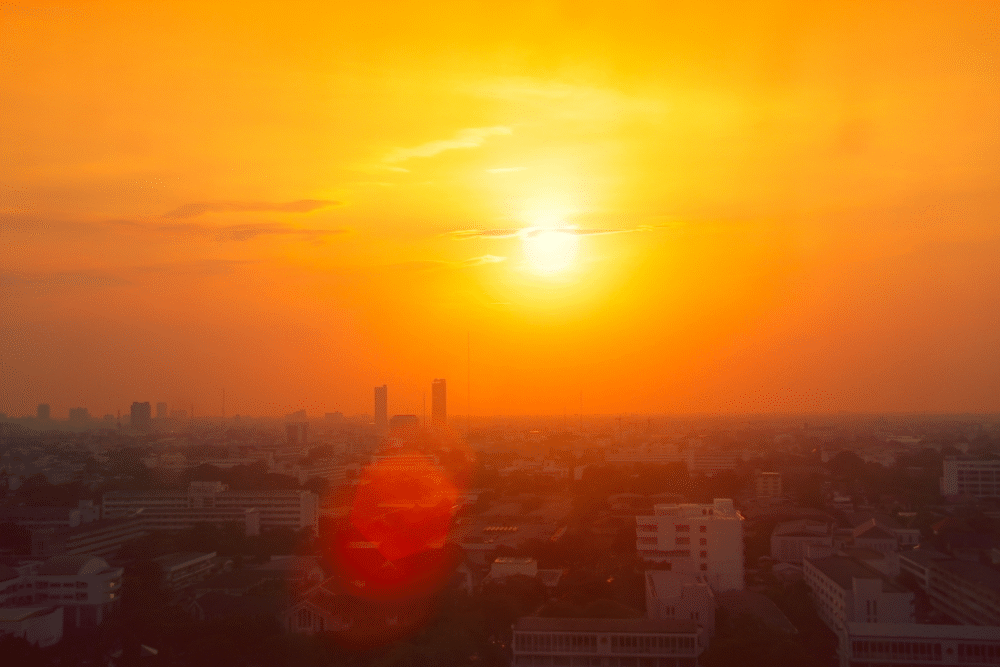
Instead of short bursts of hot weather, heatwaves are projected to stretch on for weeks at a time. Once rare, “heat domes” are now appearing more frequently and covering huge swaths of land. That means longer stretches of dangerous heat, with fewer breaks to cool down.
Communities without reliable air conditioning or cooling shelters are especially at risk. People who work outdoors or rely on daily commuting could be exposed to unhealthy conditions that drag on. Prolonged heat doesn’t just exhaust people—it also stresses ecosystems, wildlife, and city infrastructure like roads and power systems.
3. Power Grids Could Struggle to Keep Up
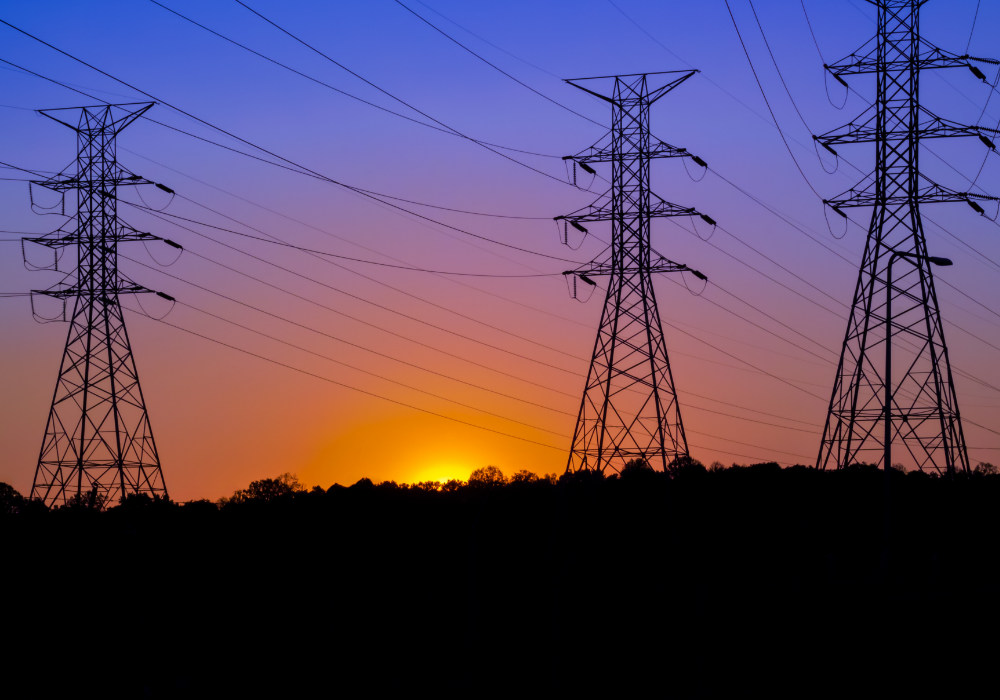
As temperatures rise, so does energy demand. Air conditioners will run constantly, driving electricity usage through the roof. Experts caution that existing power grids weren’t designed for this level of stress, especially during weeks-long heatwaves. That means more frequent brownouts and blackouts.
When power goes down in extreme heat, the stakes are high. Vulnerable residents could be left without cooling, hospitals might rely heavily on backup generators, and communication networks could falter. As summers intensify, managing the grid may become one of the biggest public safety challenges governments face worldwide.
4. Water Shortages Could Become Severe

Rising heat accelerates evaporation from lakes, rivers, and reservoirs, reducing critical water supplies. Drought conditions, already devastating in parts of the world, are projected to intensify and spread further. This trend could leave millions facing stricter rationing and water scarcity during peak summer months.
Agriculture depends heavily on consistent water access. With limited resources, food production may drop, driving prices higher and straining global supply chains. Communities may even clash over access to dwindling resources. What was once seen as an inconvenience could spiral into a central crisis for entire regions.
5. Wildfire Seasons Could Expand Dramatically
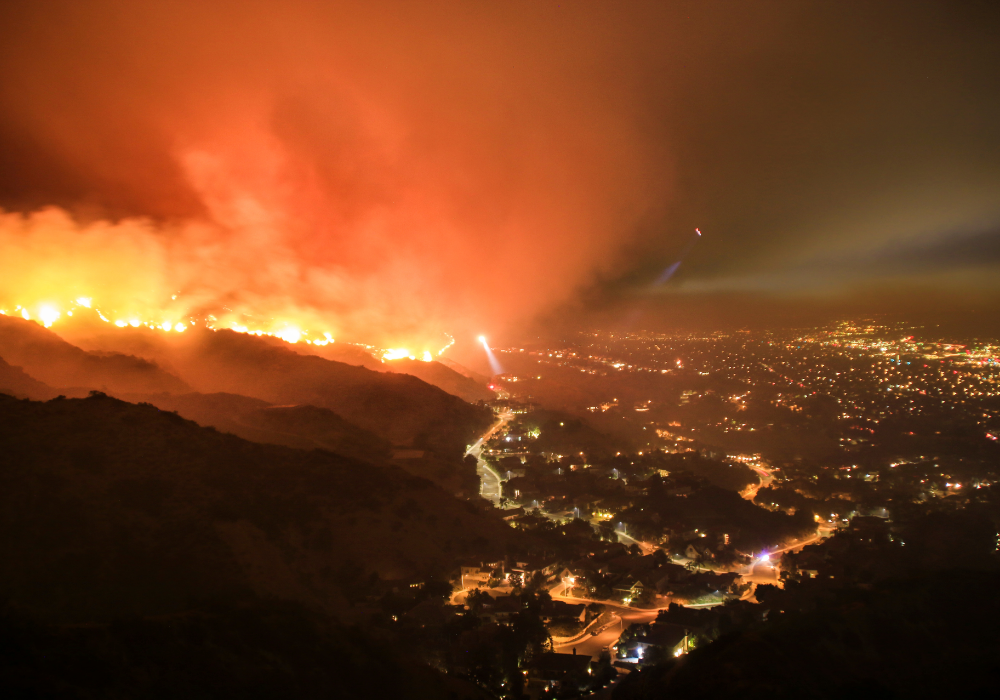
Warmer summers dry out forests, grasslands, and even suburban areas, turning them into tinderboxes. As temperatures rise, wildfire seasons that used to last just a few months are expected to stretch across half the year—or longer. Scientists say these fires are likely to be more intense and harder to control.
The smoke and ash from these blazes travel hundreds of miles, creating health hazards for people far from the flames. Breathing issues, eye irritation, and long-term lung damage could become common summer concerns. For many, summers might mean not only heat but choking skies.
6. Coastal Flooding Could Intensify in Summer Storms
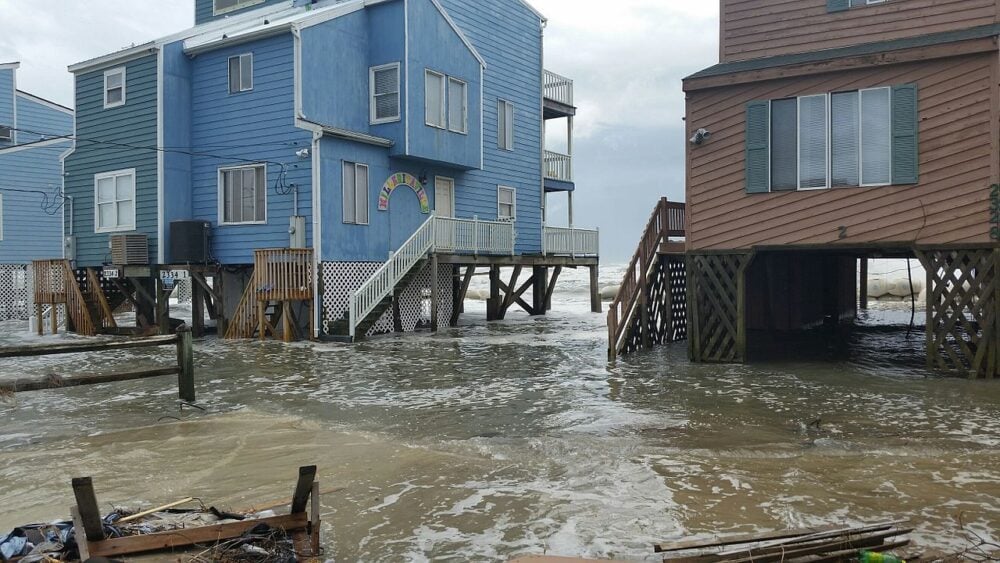
Summers are peak storm season in many regions, and rising seas are making those storms more destructive. Higher water levels mean even moderate surges can flood neighborhoods, roads, and businesses. Combined with hotter oceans fueling stronger storms, coastal areas could face devastating damage more often.
People living near the water may see homes and communities at risk in ways they never were before. Evacuations could become a yearly routine for some families. Insurance costs may skyrocket, and rebuilding may feel impossible in areas repeatedly hit during summer months.
7. Food Prices Could Spike as Crops Fail

Heatwaves and droughts don’t just make summers uncomfortable—they disrupt farming. Crops like wheat, corn, and soy are highly sensitive to prolonged high temperatures. Yields drop dramatically when fields dry out or wilt under extreme sun. This ripple effect pushes grocery bills higher for consumers everywhere.
Farmers are also battling pests that thrive in warmer conditions, compounding the struggle. If these challenges grow worse, global food security could become one of the most pressing issues tied to summer heat. The impact may hit hardest in lower-income households, where food costs already stretch budgets thin.
8. Summer Nights May Offer No Relief

One of the most alarming predictions is the rise of “hot nights.” Scientists say temperatures are staying higher even after the sun goes down. That means the body has less time to recover from the day’s extreme heat, making nights almost as dangerous as afternoons.
Without nighttime cooling, health risks increase significantly. People may suffer heatstroke in their sleep or struggle with dehydration. Air conditioners will run around the clock, driving costs higher. Summers that once meant relaxing evenings outdoors could shift to restless nights spent fighting dangerous heat indoors.
9. Cities Could Turn Into Heat Traps
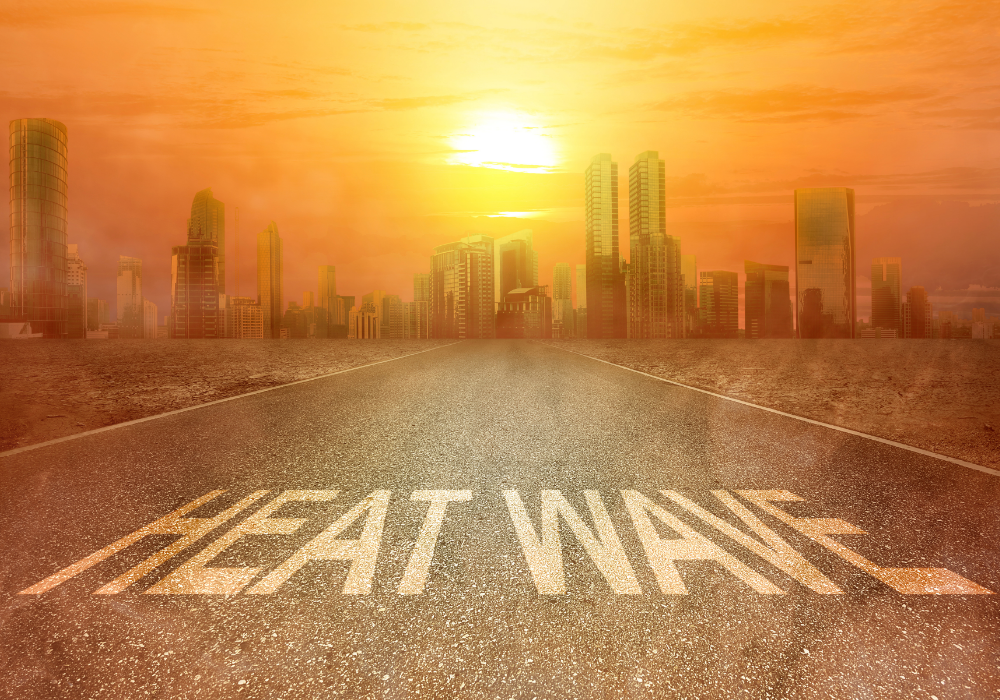
Urban areas are especially vulnerable to rising summer heat because of the “heat island effect.” Concrete, asphalt, and glass absorb sunlight during the day and release it slowly at night, creating pockets of sweltering temperatures that feel far worse than surrounding rural areas.
Experts predict these city heat zones will become increasingly hazardous. People living in dense housing without access to green spaces or shade may be at extreme risk. Emergency rooms could see surges in heat-related illnesses, and city planning will need to radically adapt to handle the crisis.
10. Mosquito-Borne Diseases Could Spread

As summers grow hotter and wetter in some areas, mosquitoes are thriving. These insects aren’t just a nuisance—they carry diseases like West Nile virus, dengue, and even malaria. Warmer temperatures expand their breeding grounds, allowing them to spread into places that were once too cool.
Public health systems could face mounting challenges controlling outbreaks. People may find summer evenings plagued not only by itchy bites but also by rising health warnings. The threat of disease adds another layer of concern to summers that are already becoming more stressful and unpredictable.
11. Extreme Heat Could Drive Mass Migration

When summers become unbearable, people may simply leave. Prolonged heat, failing crops, and unlivable conditions could force millions to move away from regions that can no longer support daily life. Scientists say climate-driven migration could intensify within the next few decades.
This isn’t just a distant possibility—it’s already happening in some places. Families displaced by drought and heat are seeking better conditions elsewhere. If summers keep worsening, entire communities may be uprooted, triggering political, economic, and humanitarian challenges worldwide.
12. Summers Could Push Humans to a Breaking Point

Perhaps the most sobering prediction is the toll on human health. Prolonged exposure to extreme summer heat stresses the heart, lungs, and brain, increasing risks of illness and death. Hospitals may become overwhelmed during peak heat periods, especially in areas with limited resources.
Mental health may also decline as summers grow harsher. Constant anxiety over food, water, safety, and heat itself could lead to widespread stress. For many, summer could stop being a season of joy and instead become a period of survival, testing human resilience in unprecedented ways.