
The discovery adds to the 27 moons already orbiting the distant ice giant.
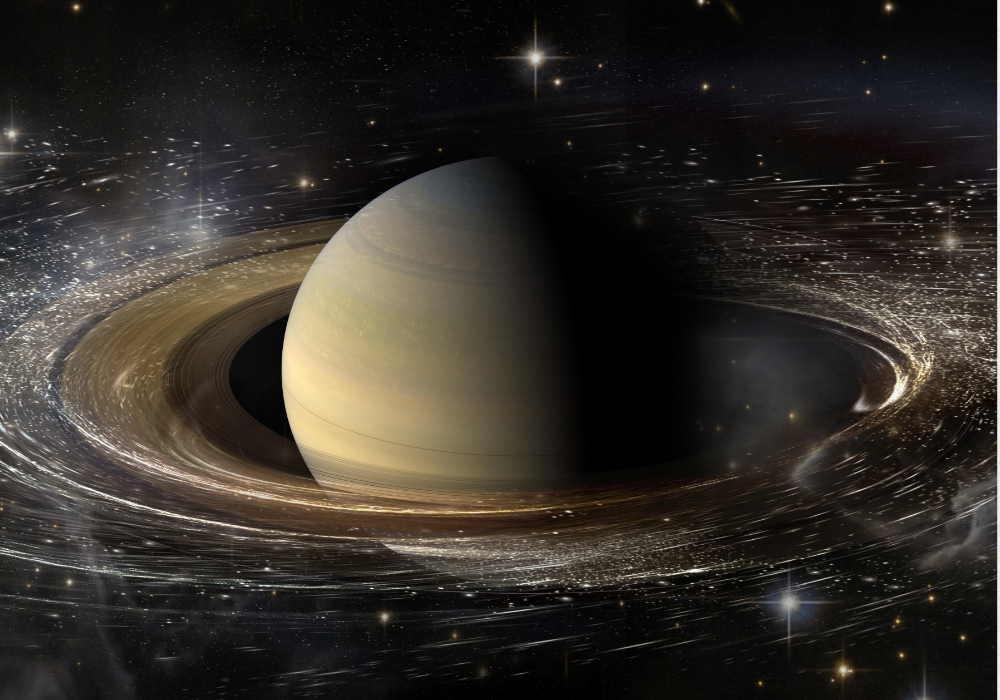
NASA’s Webb Telescope has identified a new moon orbiting Uranus, expanding our understanding of the planet’s extensive satellite system. This discovery, enabled by Webb’s advanced imaging technology, highlights the telescope’s ability to detect faint and distant celestial objects. Studying this small moon adds valuable data about Uranus’s gravitational environment and offers fresh insights into the evolution of the outer solar system.
1. Uranus has a newly discovered moon identified by NASA’s Webb Telescope.
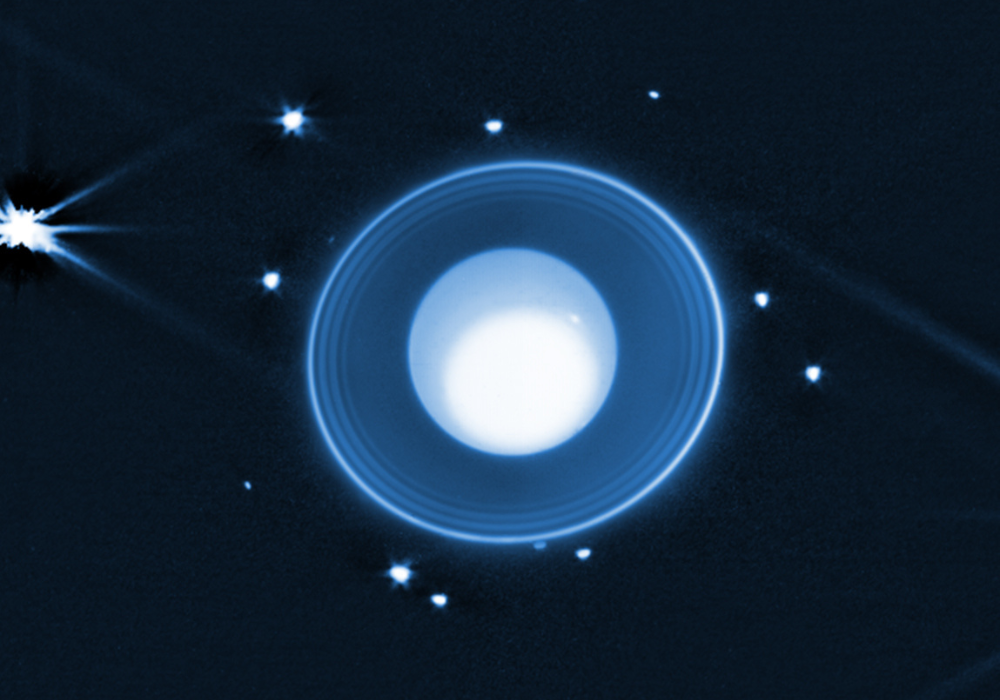
NASA’s Webb Telescope has managed to identify a new moon circling Uranus. This achievement adds to our insights into the outer solar system, showcasing how cutting-edge technology allows us to detect celestial objects beyond our immediate cosmic neighborhood.
Interestingly, this new moon isn’t alone; Uranus is already a host to numerous satellites. Discoveries like this one contribute valuable information to our understanding of planetary systems and their complexity. Each finding fills a void in the jigsaw of our solar system’s dynamic history.
2. The moon orbits Uranus at a distance similar to some of its other satellites.

Orbiting at a distance similar to Uranus’s other satellites, this newly found moon nests comfortably within the planet’s existing family of moons. Its orbit provides researchers with crucial data about gravitational interactions and system dynamics around the icy giant.
These insights not only illuminate the intricate dance of Uranus’s moons but also offer glimpses into the potential for undiscovered celestial bodies. Understanding these orbital patterns helps refine theoretical models used in studying planetary systems both known and unexplored.
3. This discovery expands the known number of Uranus’s moons significantly.

Before this discovery, Uranus had 27 confirmed moons. The addition signifies a meaningful increase in our catalog of Uranus’s natural satellites, demonstrating the continual expansion of human knowledge through dedicated observation.
While each moon offers unique details about the planet’s environment, collectively they help researchers piece together Uranus’s evolutionary timeline. The ever-growing number of satellites emphasizes the complex gravitational threads weaving through the planet’s visible realm.
4. The new moon is relatively small compared to Uranus’s major moons.

Compared to its larger companions, the new moon is quite diminutive, joining a host of both grand and modest satellites. Its size offers insight into the diversity present even within a single planet’s retinue.
Such minor celestial bodies play significant roles in shaping planetary systems. Even small moons can influence the distribution of dust and rings, acting as shepherds or disruptors within these colossal cosmic theaters.
5. Webb Telescope’s advanced imaging capabilities enabled detection of faint celestial bodies.
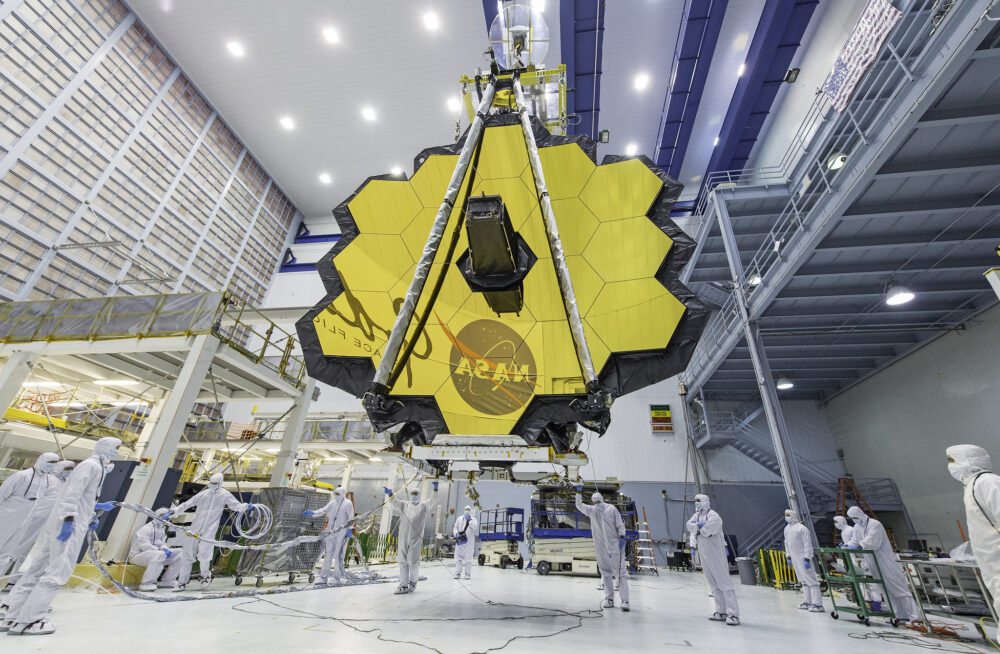
The remarkable ability of the Webb Telescope to capture faint celestial bodies lies in its advanced imaging technology. This telescope boasts highly sensitive detectors able to see fine details, even when objects appear only as dim specks against deep space’s vastness.
By utilizing infrared capabilities, the telescope views regions hidden from optical instruments, uncovering mysteries in cool, distant bodies. This technology propels astronomy forward, allowing scientists to observe without the limitations imposed by earthbound telescopes.
6. The moon’s surface composition remains to be studied in detail.
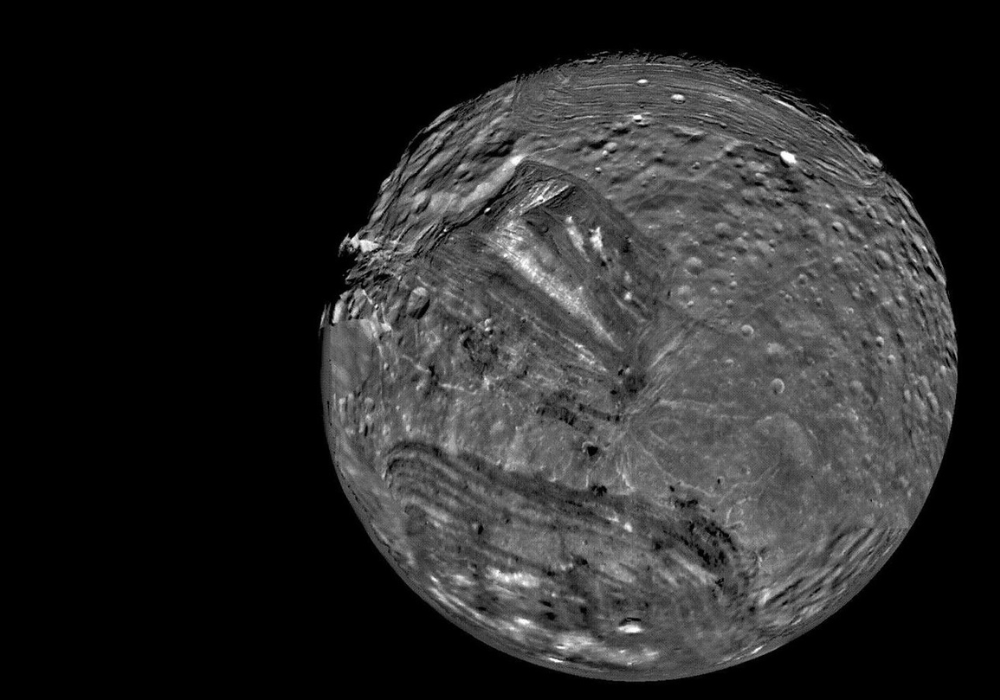
Studying the surface composition of newly found moons is pivotal yet incomplete. Currently, detailed analysis awaits future missions or technological advancements capable of deciphering a moon’s geological mysteries.
Examining such surfaces could reveal crucial insights into the processes that shaped these bodies millennia ago. These compositions might act as time capsules, capturing evidence of interactions with cosmic materials or revealing signs of past impact events.
7. Understanding Uranus’s moons helps scientists learn about the planet’s formation history.

Uranus’s collection of moons acts as a historical record of the planet’s formation and evolution. Scrutinizing these celestial companions enhances our understanding of the conditions prevalent in the early solar system.
Each moon reflects a chapter of cosmic history, from formation processes to interactions with interplanetary debris. By piecing together these chapters, scientists attempt to craft a coherent narrative, tracing the lineage of Uranus’s once-chaotic beginnings.
8. The new moon is one of the smallest natural satellites found in the outer solar system.

Among other celestial neighbors, this new moon classifies as one of the smallest natural satellites discovered in our solar system’s remote regions. Its existence highlights the diversity in scale among celestial bodies orbiting the same planet.
Tiny yet significant, such moons can provide surprising insights into the distribution of mass and material within a planetary system. Understanding their presence aids astronomers in mapping the gravitational architecture of distant solar territories.
9. Identifying new moons around distant planets improves mapping of their gravitational fields.
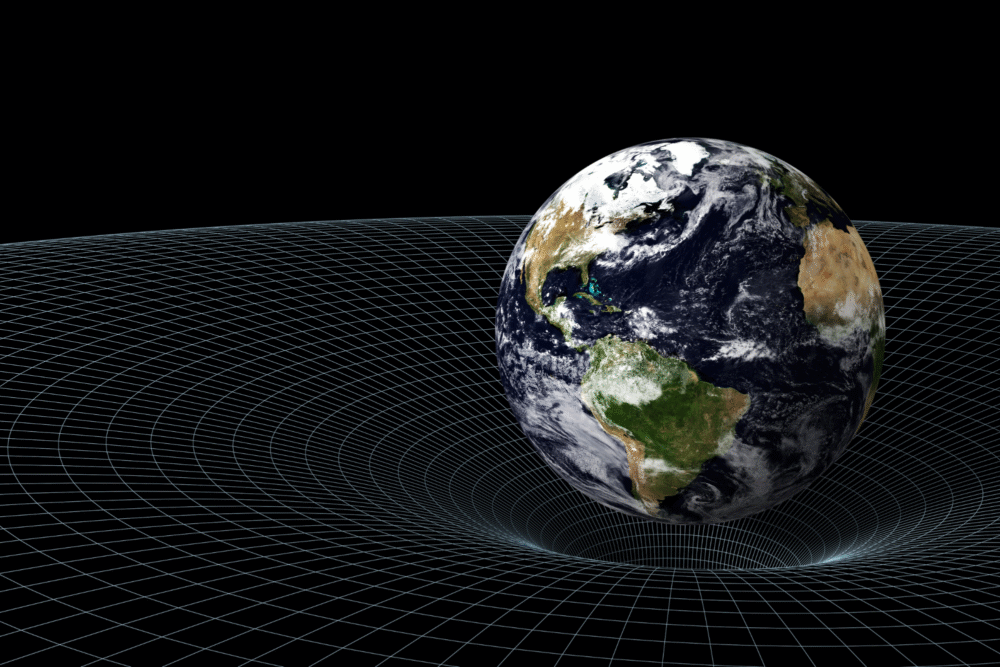
By identifying new moons around planets like Uranus, researchers gain insights into those planets’ gravitational fields. Each moon’s orbit contributes valuable data, enriching the gravitational map of these faraway worlds.
This mapping assists in unraveling the delicate balance of gravitational forces acting within planetary systems. Such knowledge not only aids in understanding Uranus but also informs techniques applicable to studying other planetary bodies.
10. This discovery highlights ongoing exploration and observation in our solar system’s outer reaches.

Highlighting the importance of technology and curiosity, this discovery emphasizes ongoing exploration of our universe. By venturing into the solar system’s less-trodden regions, scientists continue to unveil the hidden complexities of our cosmic environment.
Efforts like these ensure that exploration remains an active pursuit, revealing unanswered questions and uncharted paths. Such endeavors propel humanity’s quest to understand the universe, encouraging continued observation and technological innovation.