
Scientists are still puzzled by what lies inside the massive hidden chamber of Giza’s wonder.
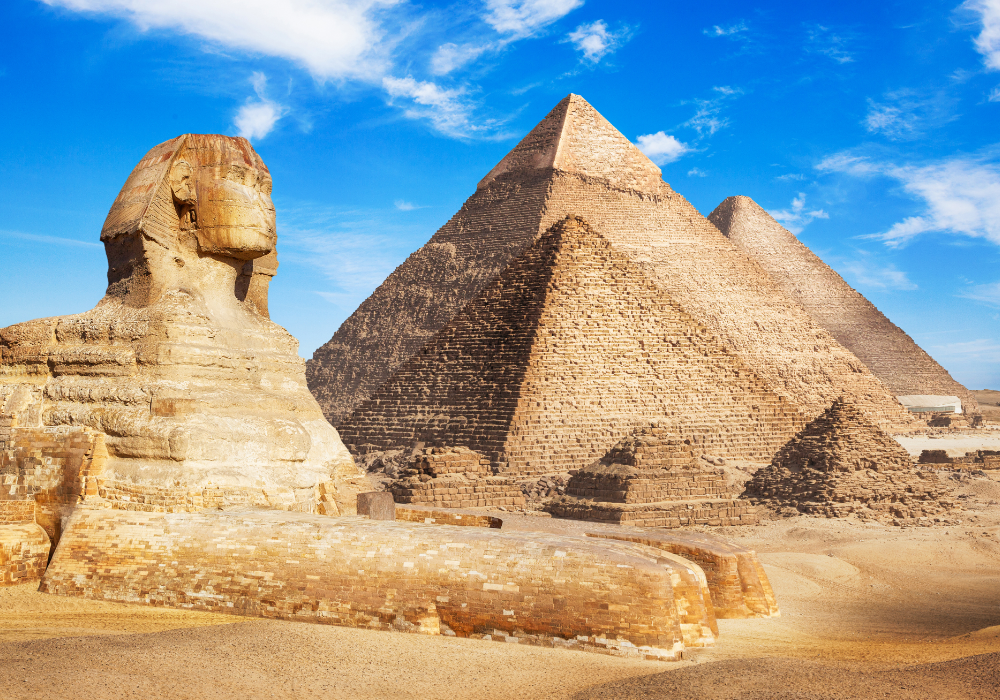
The Great Void within the Great Pyramid remains one of ancient Egypt’s most intriguing mysteries, baffling archaeologists and researchers alike. Discovered through advanced scanning techniques, this vast empty space challenges existing knowledge about pyramid construction and function. Its hidden chambers, unique architecture, and unknown purpose continue to inspire diverse theories, highlighting the complexities of unraveling the secrets behind this historic marvel.
1. The hidden chambers still undiscovered within the Great Pyramid.
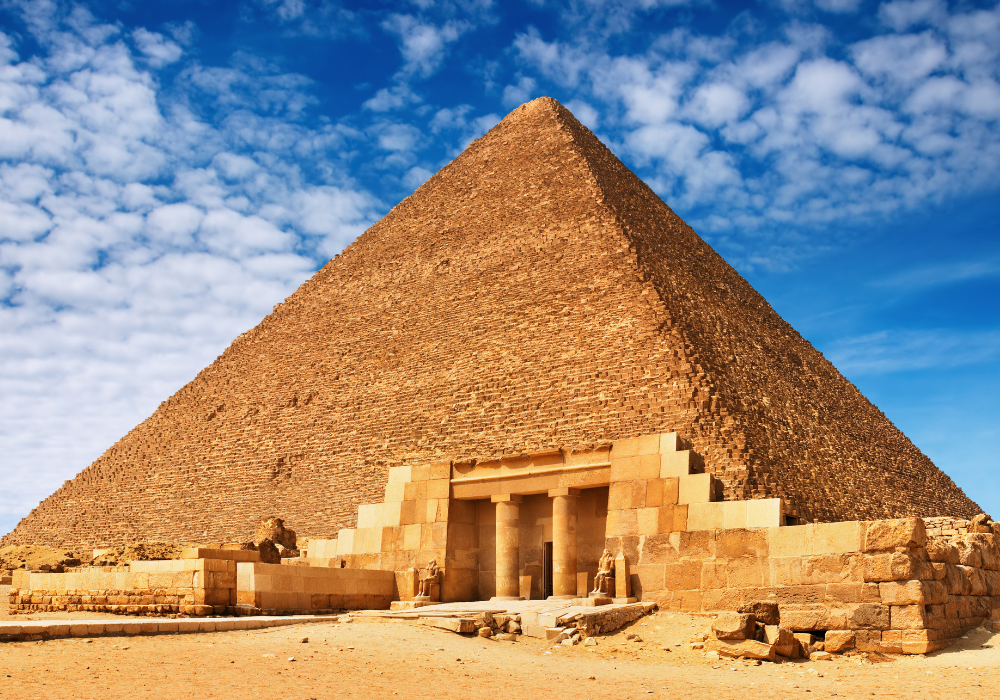
The Great Pyramid houses hidden chambers not yet fully explored by archaeologists. Scans of the structure reveal several voids and anomalies, leaving experts puzzled about their dimensions and purpose. These undiscovered spaces fuel curiosity about ancient Egyptian architectural achievements.
Current exploration technologies, like muon radiography, present limitations. Potential chambers might offer clues to the pyramid’s construction or ancient practices. As experts debate their significance, these voids underscore the challenges of unraveling ancient histories and maintain an aura of mystery around this iconic monument.
2. The purpose behind the mysterious air shafts inside the structure.
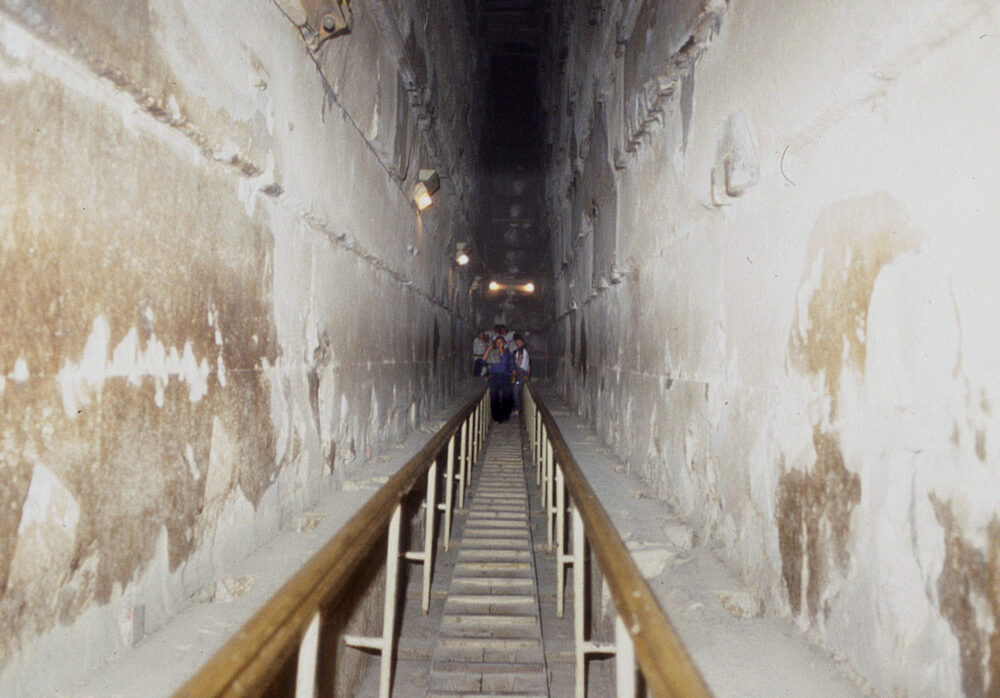
Mysterious air shafts snake their way through the Great Pyramid. Initially believed to be ventilation ducts, some researchers propose they served symbolic or ceremonial functions. The shafts’ angles and precision demonstrate the ancient builders’ sophisticated understanding of architecture.
Theories suggest these shafts align with celestial bodies, perhaps reflecting the Egyptians’ cosmological beliefs. Despite various hypotheses, their exact role remains speculative, contributing to the enigma of the pyramid. Their purpose highlights the complexities of interpreting ancient engineering within a symbolic and religious context.
3. The reason for the pyramid’s precise astronomical alignment.
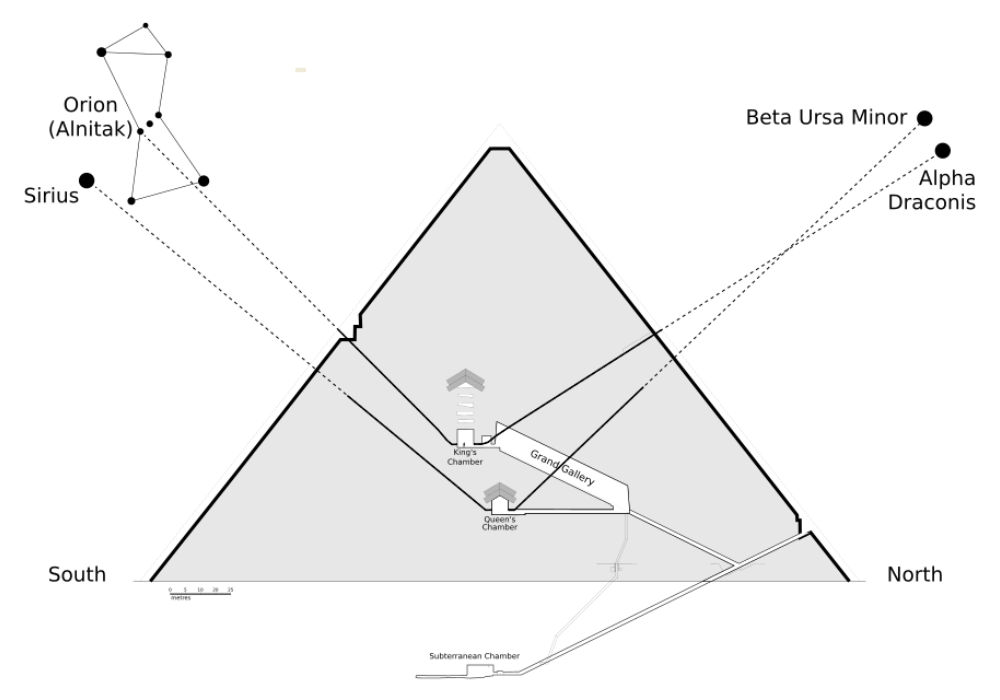
The Great Pyramid’s precise astronomical alignment continues to amaze. Constructed with careful orientation toward cardinal points, its design suggests an advanced understanding of celestial phenomena. This precision reveals insights into the builders’ desire to reflect cosmic order in their grand monuments.
Aligning with true north more accurately than structures built millennia later, the pyramid prompts debate about the techniques used. Whether for religious, practical, or symbolic reasons, this alignment underscores the Egyptians’ sophisticated knowledge of astronomy and its integration into monumental architecture.
4. Theories about the pyramid’s unexplained internal voids.
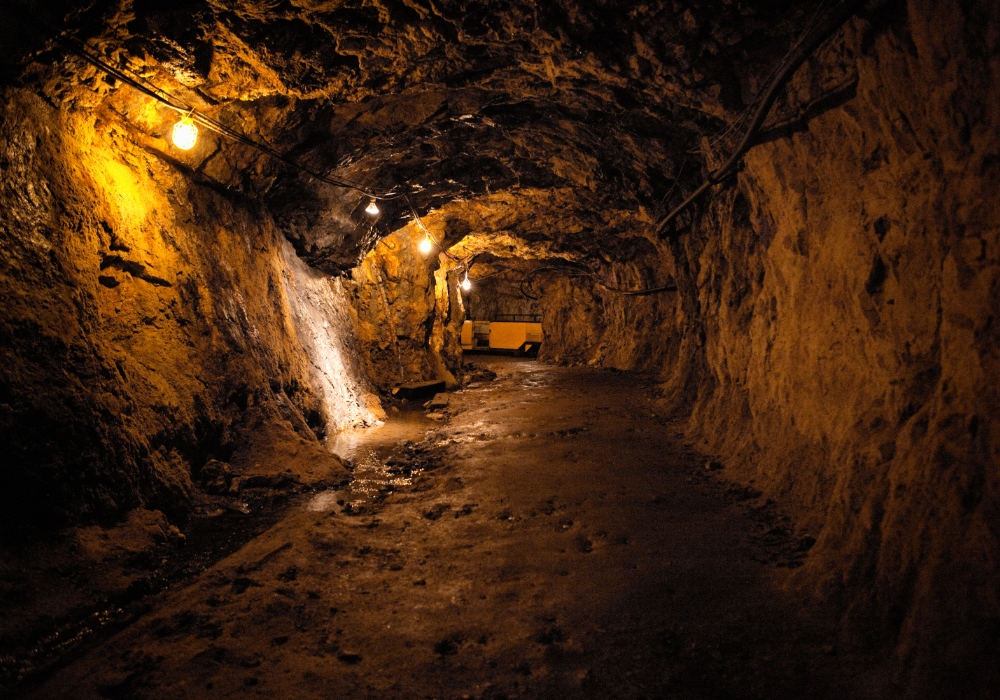
The Great Void within the Great Pyramid remains one of its most baffling features. Discovered using cosmic ray-based muon scanning, it’s a large, empty space within the structure’s core. The void’s function is unknown, inciting numerous theories and further investigation.
Some experts speculate it could be a relieving chamber or unused construction space. Its vastness continues to intrigue archaeologists, fueling debates about its purpose. Whether deliberate or accidental, its existence challenges modern understanding of ancient Egyptian construction practices and objectives.
5. The secret symbolic meanings carved into the pyramid’s stones.
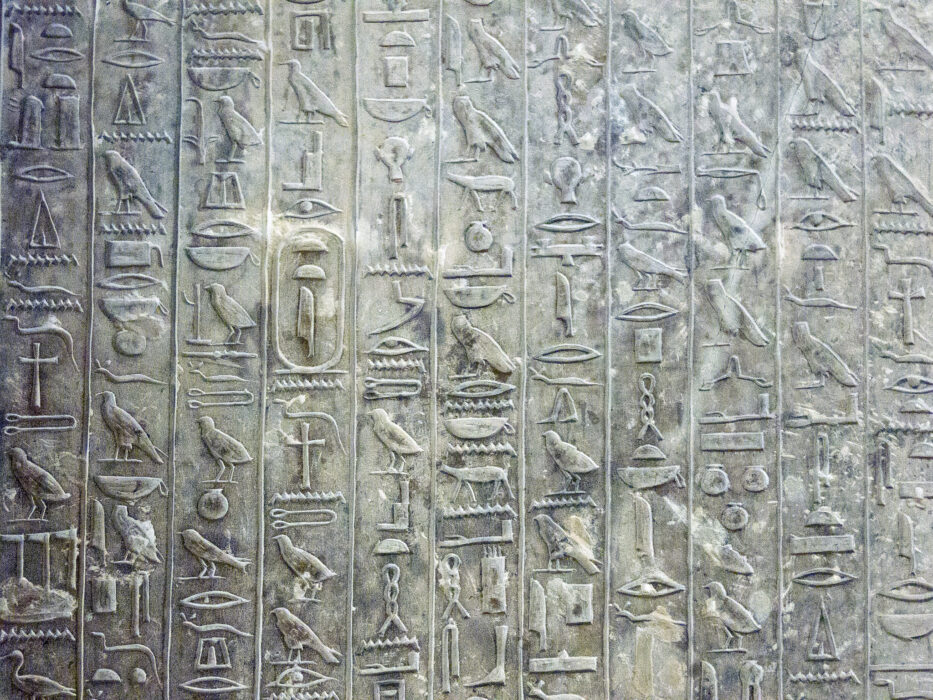
Inscribed stones within the Great Pyramid are laden with symbolic meaning. Hieroglyphs and carvings may depict religious beliefs or record construction details. These etchings offer valuable insights but also present interpretative challenges, obscuring the messages left by ancient builders.
Explorers studying these markings endeavor to decode their significance. Interpretation varies, with theories often evolving as new symbols are uncovered. Whether as records or silent testaments to beliefs, these carvings mystify scholars, adding depth to the pyramid’s historical tapestry.
6. The enigmatic construction techniques that defy ancient technology.
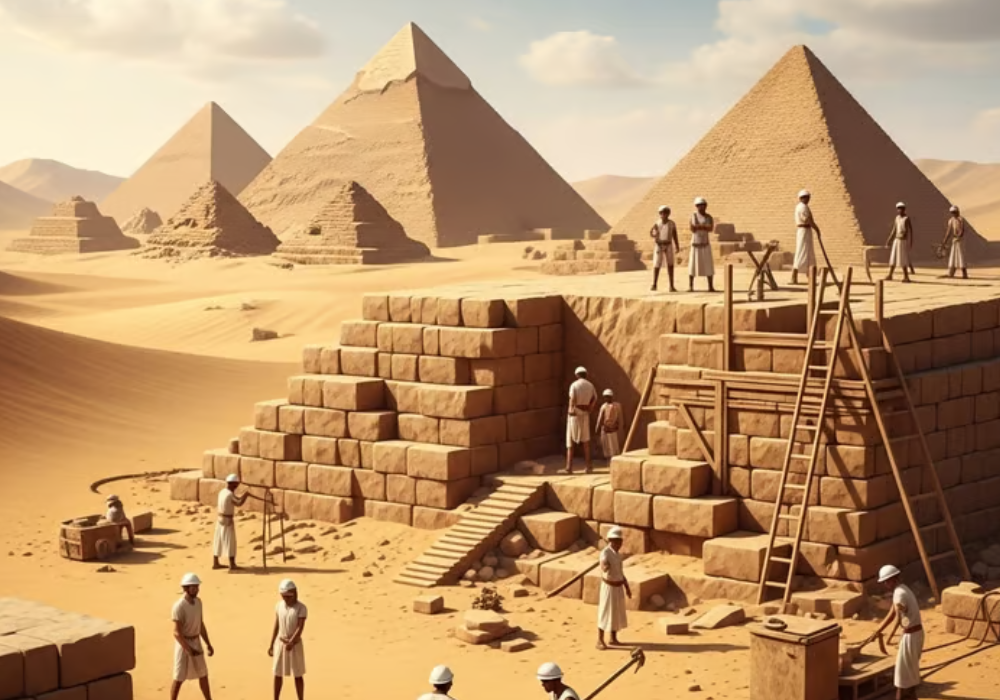
The construction techniques of the Great Pyramid astound historians. With rudimentary tools, ancient Egyptians achieved remarkable precision, aligning colossal stones with exceptional accuracy. Methods likely included ramps and simple machines, demonstrating sophisticated problem-solving capabilities.
Despite theories, some techniques remain speculative, particularly concerning the transportation and placement of large stones. This uncertainty fosters debates and admiration for the builders’ ingenuity, challenging modern understandings of technology. These enigmatic techniques underscore both the pyramid’s complexity and the skill of its creators.
7. The strange acoustics found in certain pyramid corridors.
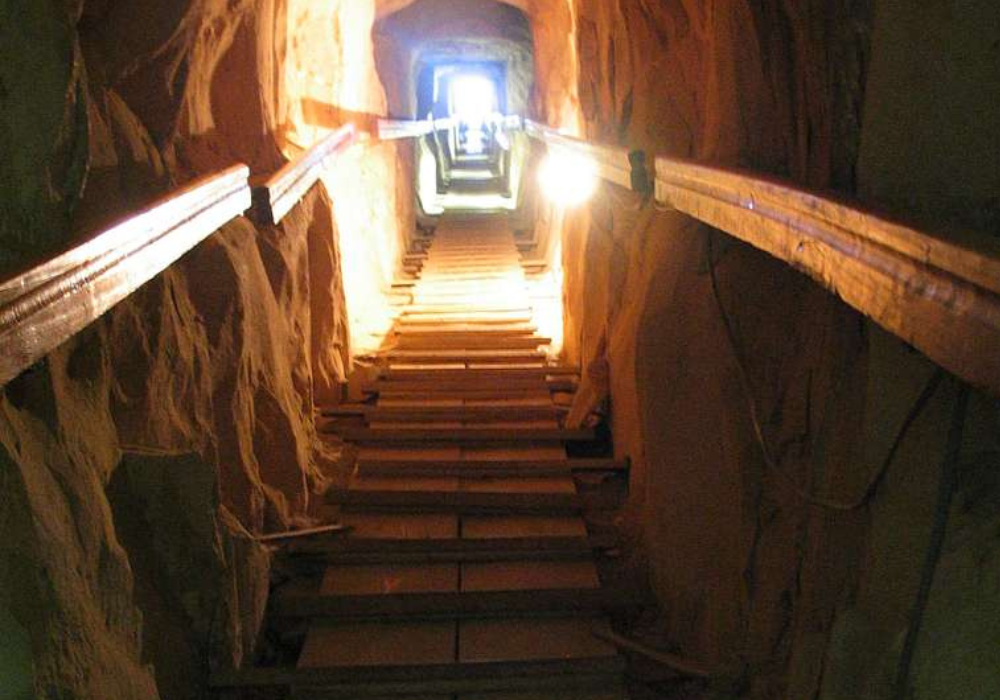
Certain corridors within the Great Pyramid exhibit unusual acoustics. These mysterious sonic properties may result from their dimensions and shape, affecting how sound travels. In some places, whispers can echo, creating an eerie auditory experience for those exploring the depths.
Experts investigate these acoustic phenomena to understand their potential purpose or symbolism. Some suggest religious or ceremonial use, enhancing spiritual rituals. The unique acoustics highlight the sophisticated design considerations of the builders, adding layers to the pyramid’s enigmatic allure.
8. The puzzling absence of burial artifacts in the main chamber.
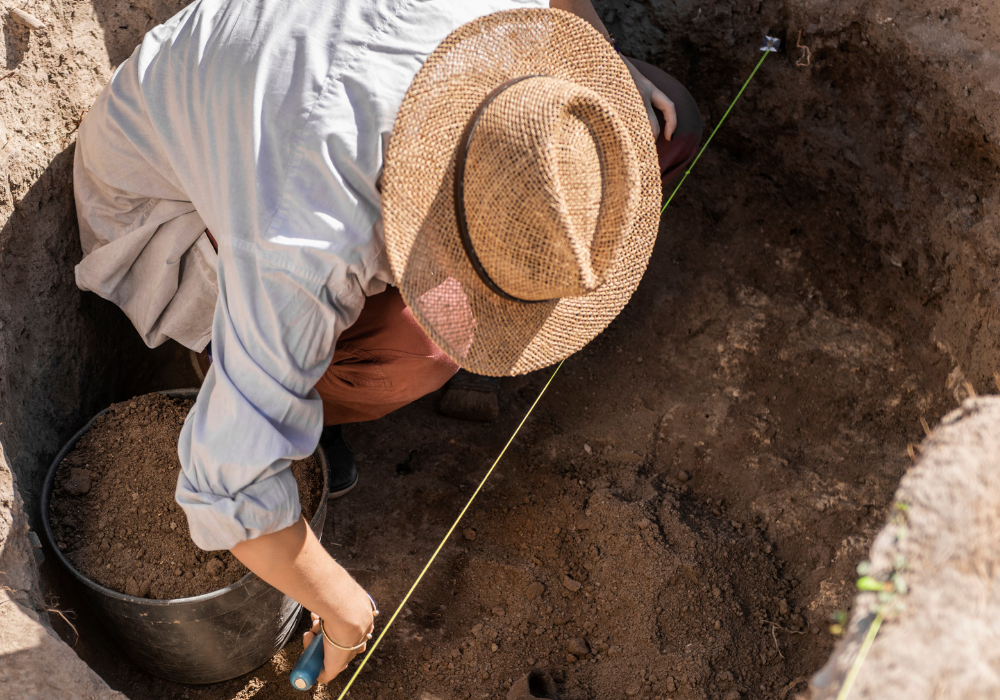
The absence of burial artifacts in the main chamber intrigues archaeologists. Unlike other tombs filled with treasures, the Great Pyramid’s central space is notably empty. This absence fuels speculation about its true purpose or use over time.
Whether stripped by ancient robbers or never intended as a burial site, the lack of artifacts challenges preconceived notions. It suggests alternative functions, possibly symbolic or ritualistic rather than funerary. This void continues to puzzle researchers, prompting deeper investigations into the pyramid’s original intent.
9. The significance of the pyramid’s pyramidion or missing capstone.

The Great Pyramid’s missing capstone, or pyramidion, remains a source of fascination. Traditionally, capstones completed pyramid constructions, often gilded or inscribed to symbolize completion. Its absence raises questions about its fate and the monument’s intended appearance.
Some theories speculate the capstone was never placed, while others suggest extraction for other uses. This gap prompts reflection on whether it influenced the pyramid’s purpose or symbolism. Regardless of its history, the missing capstone amplifies the pyramid’s mysterious aura and enduring allure.
10. The theories related to the pyramid’s role in ancient rituals.
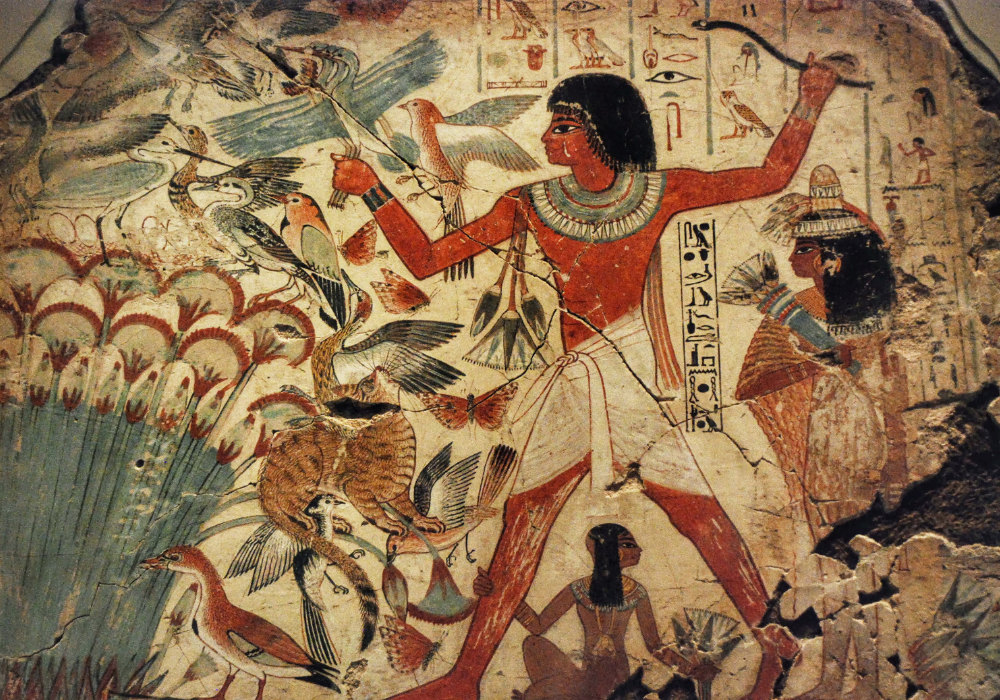
Theories about the pyramid’s role in ancient rituals are varied and compelling. Some suggest it served as a symbolic bridge between the earthly and the divine, reflecting Egyptian cosmology. The pyramid’s design and possible ceremonial spaces support these interpretations.
While consensus remains elusive, these theories emphasize the pyramid as more than a tomb. Potential ritual significance highlights its multifaceted role in ancient society, blending religious, political, and architectural elements. This depth enriches understanding of its place in Egyptology and human history.
11. Review the mysteries surrounding unusual materials used in the pyramid’s core.
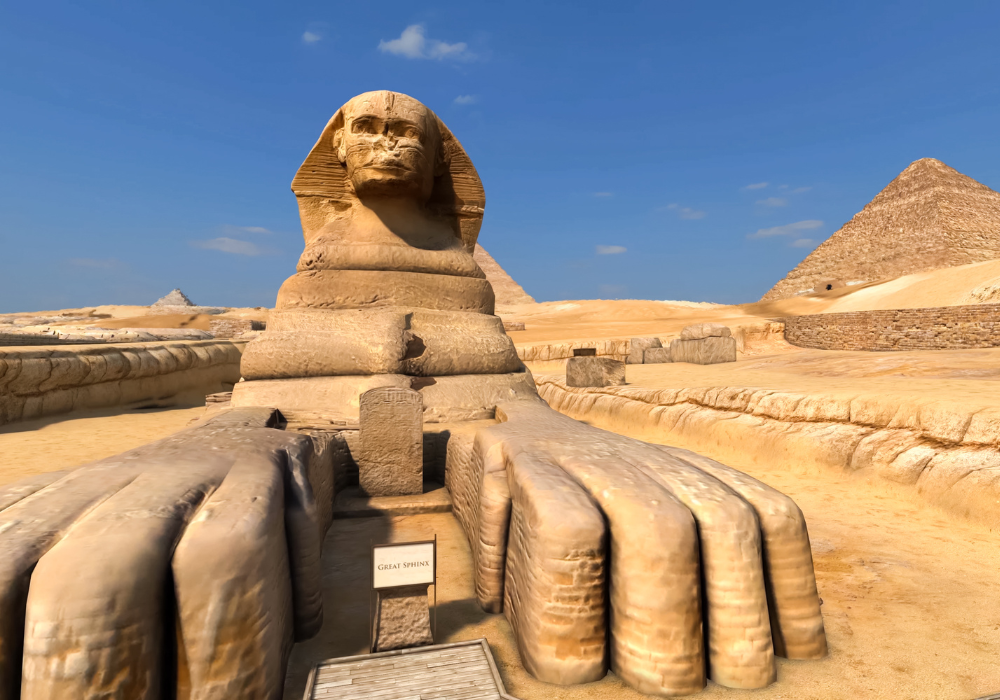
Unusual materials found in the Great Pyramid’s core continue to intrigue researchers. While primarily constructed from limestone and granite, some speculate about foreign substances used for structural integrity or symbolic reasons. Discovering these materials challenges established narratives of pyramid construction.
Their presence prompts questions about trade, resource allocation, and cultural exchange, suggesting an interconnected ancient world. These materials add complexity to the pyramid’s historical and architectural narrative, inviting further study and appreciation of ancient Egypt’s ingenuity.
12. Study the alignment of the Great Void with ancient celestial events.

The Great Void’s alignment with celestial events sparks exciting theories. Some propose it mirrors the heavens, intentionally crafted to capture cosmic significance. Such alignment could reflect the Egyptians’ astronomical knowledge and incorporate those beliefs into their architecture.
Examining celestial alignments provides insight into ancient practices and priorities. This perspective adds another layer of intrigue to the Great Void’s purpose, demonstrating the Egyptians’ sophisticated worldview that married architecture with astronomy. It enriches the ongoing exploration of the pyramid’s mysteries.