
Avoid these missteps to keep your family safer during hurricanes, tornadoes, and major storms.
Storms demand vigilance and proper planning to minimize risks to life and property. Many people make preventable mistakes that increase danger, such as ignoring alerts or driving through floodwaters. Understanding common errors and adopting safer alternatives can dramatically improve safety outcomes. Relying on guidance from authoritative sources like FEMA and the National Weather Service helps individuals prepare effectively and respond wisely when severe weather strikes.
1. Underestimating storm severity and failing to prepare properly.

Storms can be unpredictable in power and movement. Recognizing the potential severity of a storm is crucial in preparing effectively. Often, people underestimate upcoming weather conditions, leading to inadequate preparation and greater vulnerability to damage or danger.
Taking steps ahead of time reduces panic when storms hit. Misjudging a storm’s strength can result in property damage or personal harm. Anticipating worst-case scenarios and preparing accordingly enhances security for both individuals and their surroundings, minimizing disruption and injury.
2. Ignoring weather alerts and missing crucial safety information.
Weather alerts are valuable sources of information for impending severe conditions. These alerts provide real-time updates, helping individuals stay informed. Ignoring them can result in missing critical safety steps and increase risks during adverse conditions.
Heeding alerts and warnings allows for timely decisions such as evacuations or fortifying homes. Consistent awareness of weather alerts ensures readiness, reducing potential harm and promoting safety during volatile weather. Such vigilance plays a crucial role in navigating severe weather with minimal risk.
3. Leaving windows and doors unsecured during strong winds.

Strong winds pose a threat to unsecured windows and doors, making homes vulnerable to damage. Without proper fortification, these entry points can easily give way, allowing wind and rain to wreak havoc inside homes.
It’s vital to secure windows and doors before a storm hits. Protecting these openings decreases the risk of shattered glass and structural damage. Preventative measures can significantly reduce repair costs and the potential for personal injury during intense wind events.
4. Driving through flooded areas instead of finding a safe route.
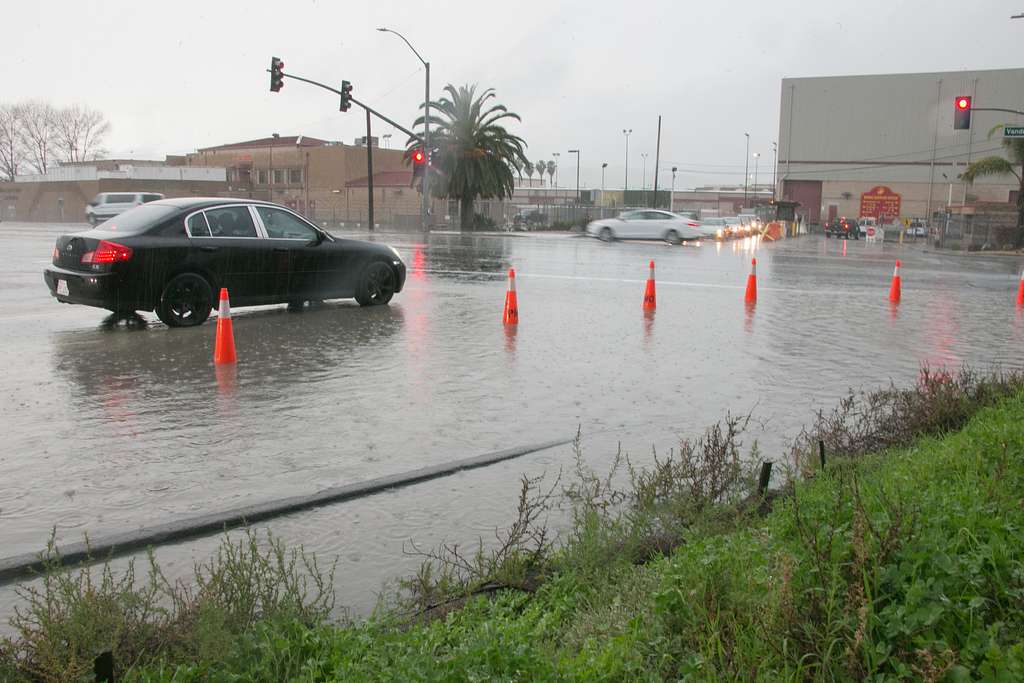
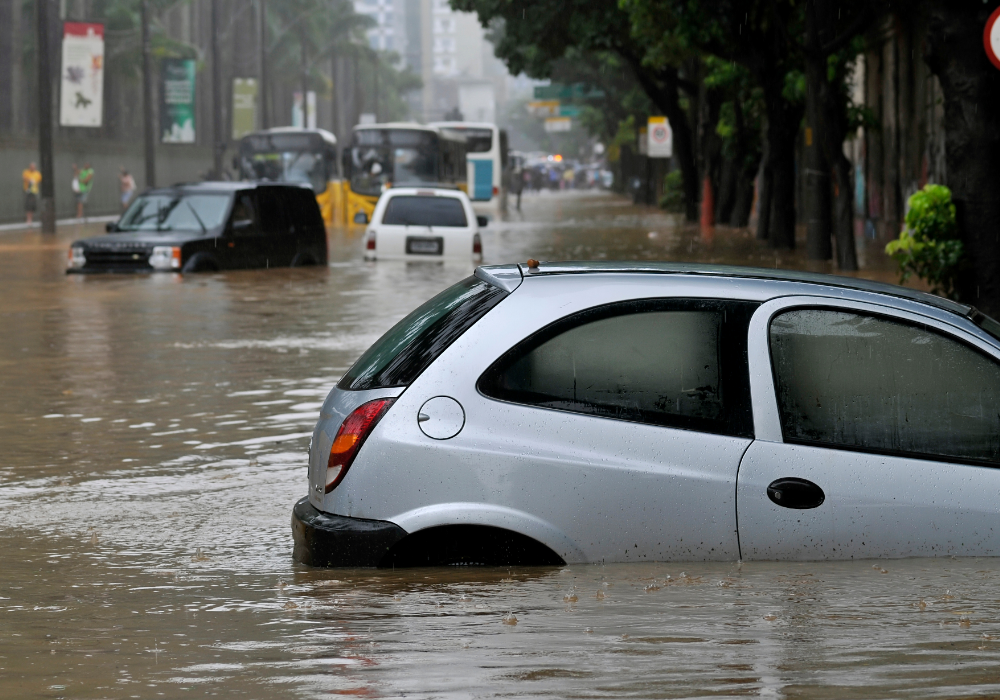
Driving through flooded areas is dangerous, as water can conceal hazards and sweep vehicles away. Despite seeming shallow, water can quickly become life-threatening. Vehicles become difficult to control in these conditions, heightening the risk of accidents.
Finding an alternate route or waiting for water to recede ensures safety. Recognizing the danger of flooded streets and acting appropriately protects drivers and passengers. Avoiding floodwaters reduces the chance of engine stalls, accidents, and potential rescues.
5. Using electrical appliances during a lightning storm without caution.

Lightning storms present unique dangers to those using electrical appliances. Electricity can jump to these devices, posing a risk of shock or damage. Operating electronics during a storm can accidentally expose users to hazardous voltages.
Unplugging devices and refraining from use mitigates risk. This precaution preserves both personal safety and the integrity of electronics. Awareness of lightning dangers and appropriate action fosters a secure environment amid electrical storms.
6. Forgetting to stock emergency supplies before storms hit.
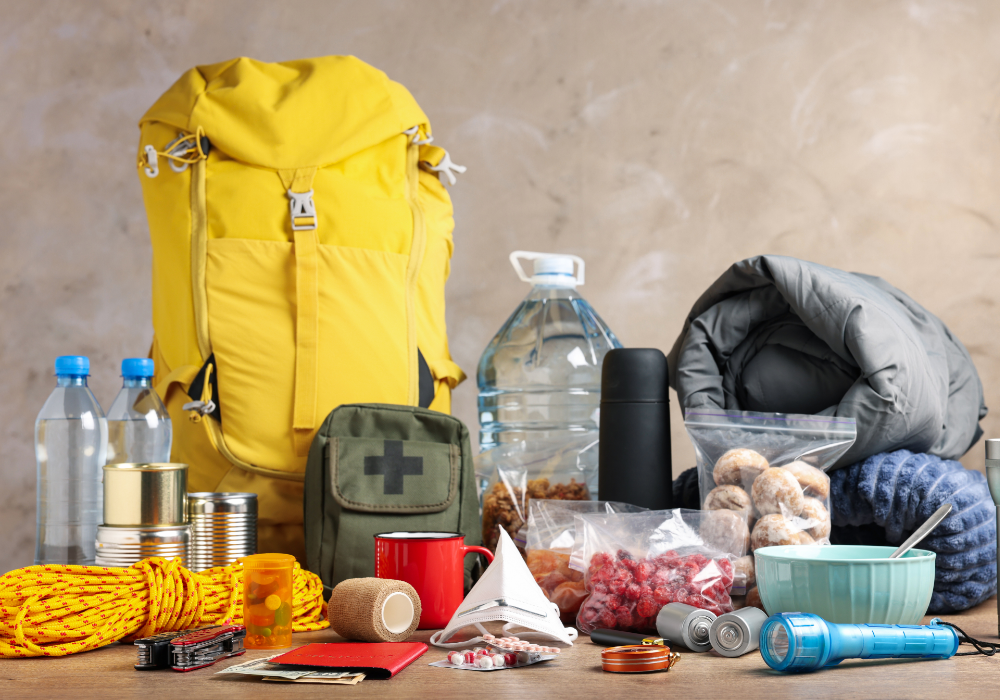
Emergency supplies ensure readiness for unexpected needs during storms. Many neglect assembling a kit, leaving them vulnerable when access to essentials becomes limited. A well-stocked supply kit can provide sustenance and medical needs when traditional resources are unavailable.
Organizing these essentials before a storm strikes fosters peace of mind. In emergent situations, a prepared kit eliminates the stress of gathering last-minute supplies. Reliable resources offer comfort and safety amid disruptions in normal routines.
7. Standing near tall trees or metal objects during a storm.

Standing near tall trees or metal objects during storms attracts lightning, significantly increasing the risk of injury. Such locations can become lightning targets due to their height and composition, putting nearby individuals in precarious situations.
Avoiding these areas reduces strike risks and potential harm. Seeking safe shelter away from these elements ensures better protection. Understanding the hazards associated with lightning and acting accordingly helps maintain personal safety during volatile weather.
8. Neglecting to create a family safety plan ahead of time.

Without a family safety plan, chaos can ensue when storms hit. Knowing steps to take in advance—like identifying safe spaces or communication methods—can uniquely equip families to act swiftly and effectively amid unfolding situations.
A well-crafted plan enhances coordination and minimizes panic during emergencies. Ensuring that all family members understand the protocol reinforces safety measures. Preparing in this manner maximizes protection for everyone within the family unit during serious weather events.
9. Ignoring structural weaknesses that could worsen storm damage.

Structures often have unseen vulnerabilities that extreme weather can exploit. Neglecting these weaknesses can result in catastrophic damage during a storm. Recognizing and addressing these faults strengthens buildings and mitigates potential failure during high-impact conditions.
Regular inspection and maintenance are crucial for structural resilience. Being proactive in reinforcing structures prevents extensive storm-related damage, safeguarding inhabitants and property. Evaluating homes periodically for weak spots decreases the risks they pose during severe weather.
10. Failing to protect outdoor belongings from heavy rain and wind.
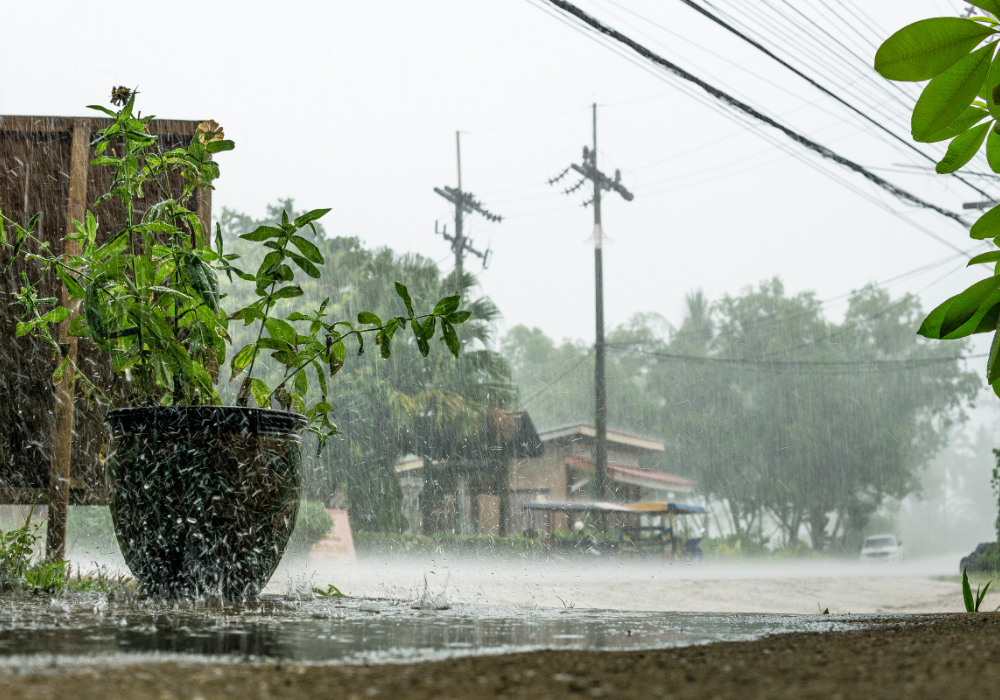
Outdoor belongings can suffer from heavy rain and wind unless protected. Items like furniture or decor, when unsecured, are vulnerable to damage, displacement, or loss. These conditions further exacerbate property harm and risk of injury from flying debris.
Effectively securing items reduces the chance of them becoming projectiles or damaged beyond repair. Preventative action for outdoor possessions maintains their integrity and minimizes collateral damage during high winds and rainfall.
11. Delaying evacuation when authorities advise leaving dangerous areas.
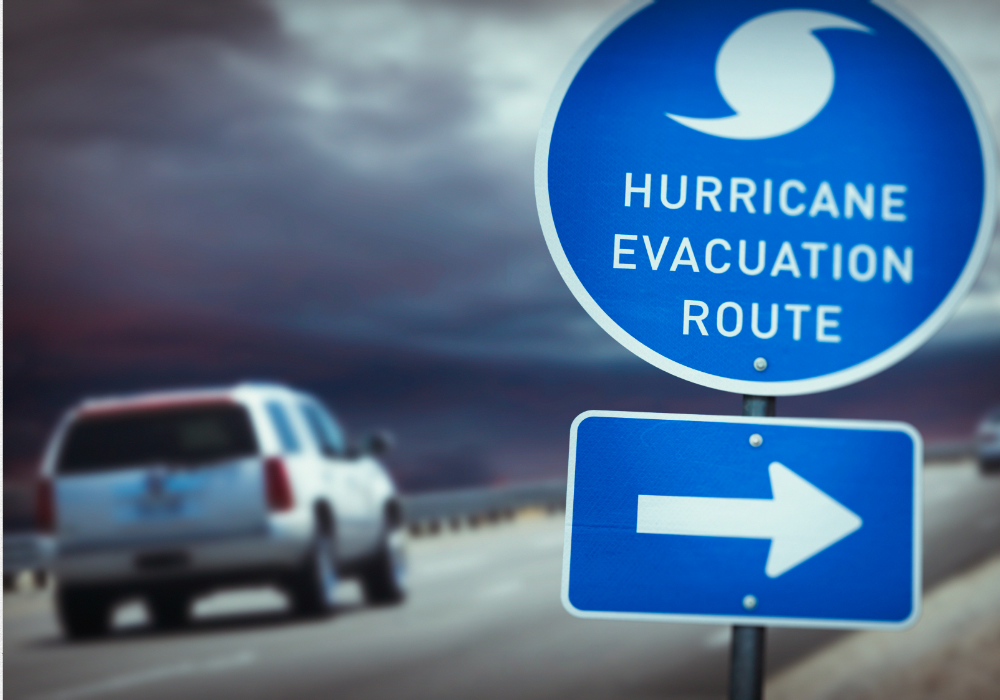
Prompt evacuation decisions, when advised, can be lifesaving. Delay or refusal to leave a dangerous area can lead to life-threatening situations. Authorities issue these warnings based on anticipated threat levels, understanding evacuation reduces potential harm.
Moving swiftly when advised enhances survival chances and lessens the burden on emergency services. This proactive decision-making underlines the importance of immediate response to official evacuation orders during severe weather events.
12. Relying solely on technology and not preparing for power outages.

Reliance on technology during storms can be problematic when power fails. Loss of electricity disables electronic systems, potentially severing communication and access to digital information vital for storm navigation.
Being prepared for outages by having alternative plans minimizes disruption. Understanding technology’s limits prompts preemptive solutions, ensuring ongoing access to crucial information and resources independent of electronic dependencies.