
A river in the sky funnels storms from the tropics, sometimes with devastating results.
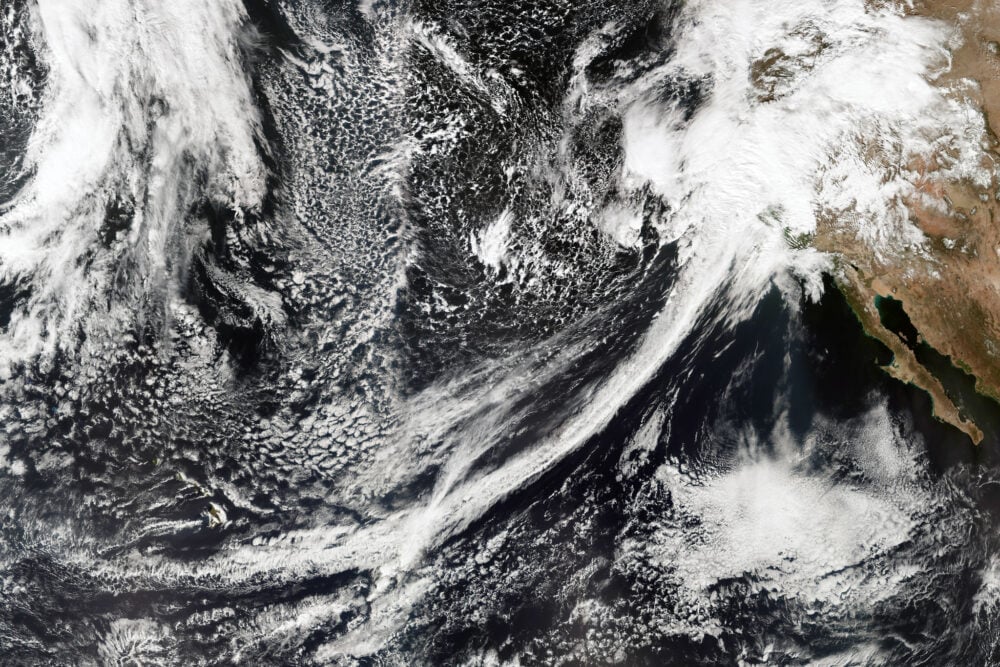
It may sound tropical and harmless, but the “Pineapple Express” is anything but lighthearted. This atmospheric river channels huge amounts of moisture from near Hawaii all the way to the U.S. West Coast, where it can unleash days of relentless rain and heavy snow. According to the National Weather Service, these events can trigger flash floods, landslides, and widespread damage when conditions align. While the phenomenon is natural, a warming climate is expected to intensify its impacts, making the Pineapple Express a storm pipeline worth watching closely.
1. What the Pineapple Express Really Is
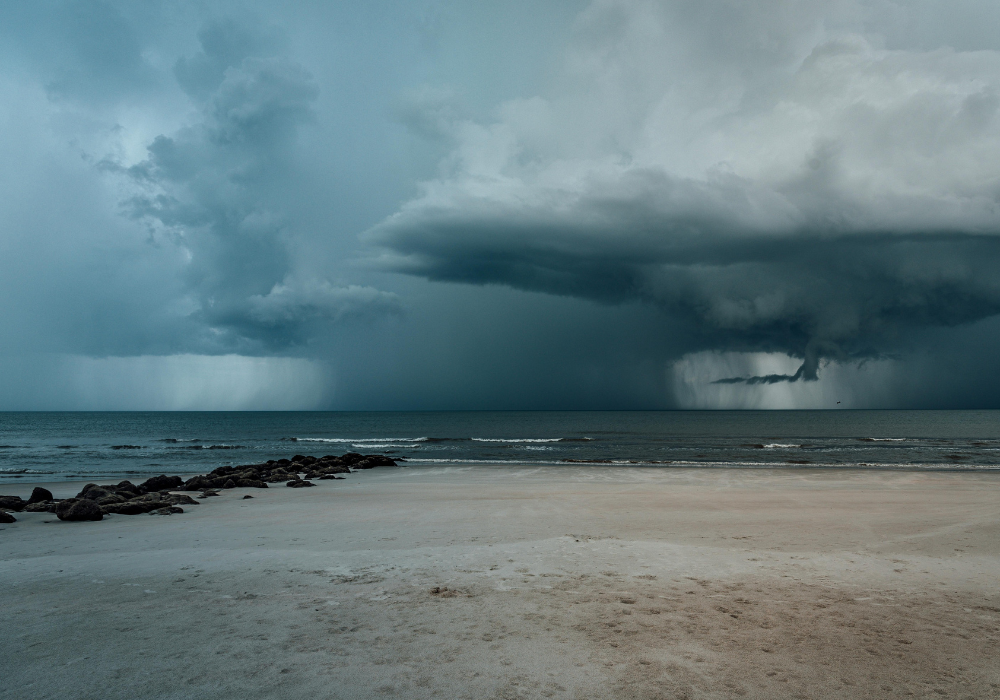
The Pineapple Express is a powerful type of atmospheric river, a narrow corridor in the sky that transports massive amounts of water vapor across the Pacific Ocean. Unlike ordinary storm systems, it can funnel moisture directly from near Hawaii to the U.S. West Coast.
This continuous supply of tropical air means storms fueled by the Pineapple Express often last for days. Meteorologists say it can carry more water than the Mississippi River at flood stage, showing why the phenomenon, despite its playful name, is capable of turning deadly.
2. How Atmospheric Rivers Work

Atmospheric rivers stretch thousands of miles long but are only a few hundred miles wide. These ribbons of moisture act like conveyor belts, moving vast amounts of water vapor from one region to another.
When these systems encounter land, especially mountain ranges, the air is forced upward and cools. This process, known as orographic lift, produces heavy rain and snow. In the case of the Pineapple Express, the result is a surge of extreme precipitation across the West Coast that can overwhelm communities.
3. Why It Brings So Much Rain
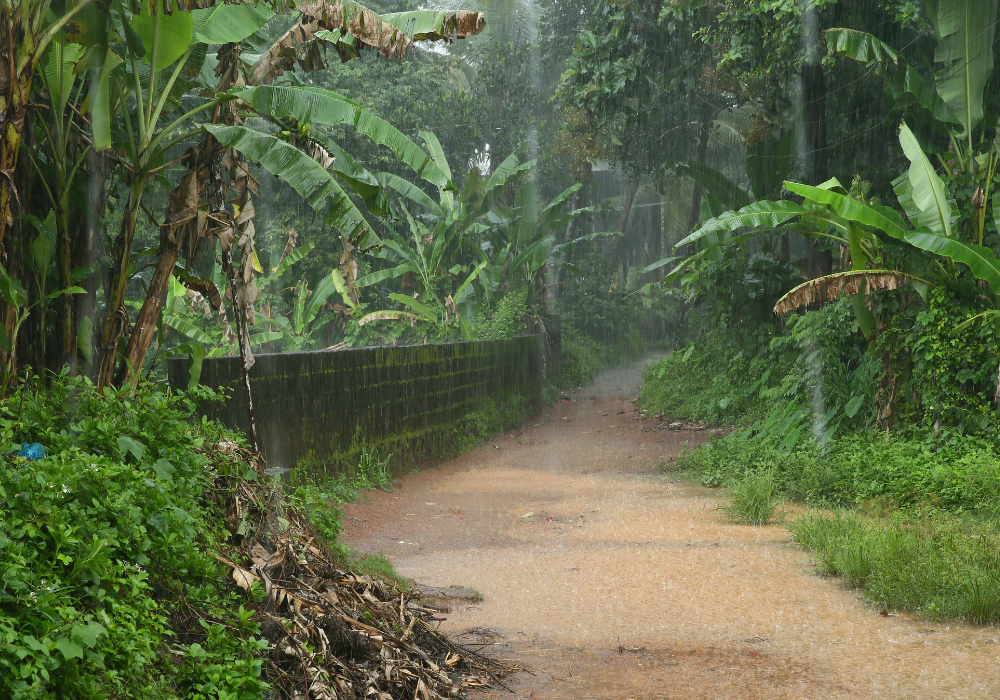
Tropical air masses, like those feeding the Pineapple Express, hold unusually high amounts of water vapor. Warm air can store more moisture than cold air, so when it condenses, it produces heavier and longer-lasting rainfall.
Because the pipeline of moisture remains steady, the rain doesn’t let up quickly. Instead, it can fall for days, leading to flash floods, swollen rivers, and dangerous runoff. This ability to dump enormous amounts of water in a short time makes the Pineapple Express one of the most dangerous storm patterns.
4. Flooding Risks Increase Quickly

Flooding is the most immediate hazard linked to Pineapple Express storms. In a matter of hours, rainfall totals can rise into double digits, overwhelming rivers, storm drains, and reservoirs.
California’s history shows how destructive these floods can be. In 1862, a massive Pineapple Express event flooded the Central Valley, submerging Sacramento for months. Modern storms may not last as long, but they can still cause billions in damage. Experts warn that infrastructure improvements are essential to reducing the risks posed by future flooding.
5. Landslides Threaten Mountain Areas

As the heavy rains saturate soil, hillsides lose stability, making landslides and mudslides more likely. Communities built along slopes or near burn scars from wildfires face especially high risks.
These slides can sweep away homes, block highways, and damage infrastructure. Experts note that wildfire scars worsen the problem, because scorched soil repels water instead of absorbing it. This causes runoff to increase, carrying debris downhill. When paired with Pineapple Express rains, unstable ground becomes a recipe for disaster in mountainous regions.
6. Snowpack and Avalanche Concerns

The Pineapple Express can bring warm, wet storms to mountain regions, dramatically increasing risks. Warm rain falling on existing snowpack accelerates melting, adding water to already swollen rivers and streams. This sudden runoff often worsens flooding downstream.
At higher elevations, the combination of heavy, wet snow and strong winds increases avalanche danger. Ski resorts, mountain towns, and roadways in the Sierra Nevada and Cascades often face closures during these storms. The dual threat of floods and avalanches highlights how widespread and varied the impacts can be.
7. Why Climate Change Matters
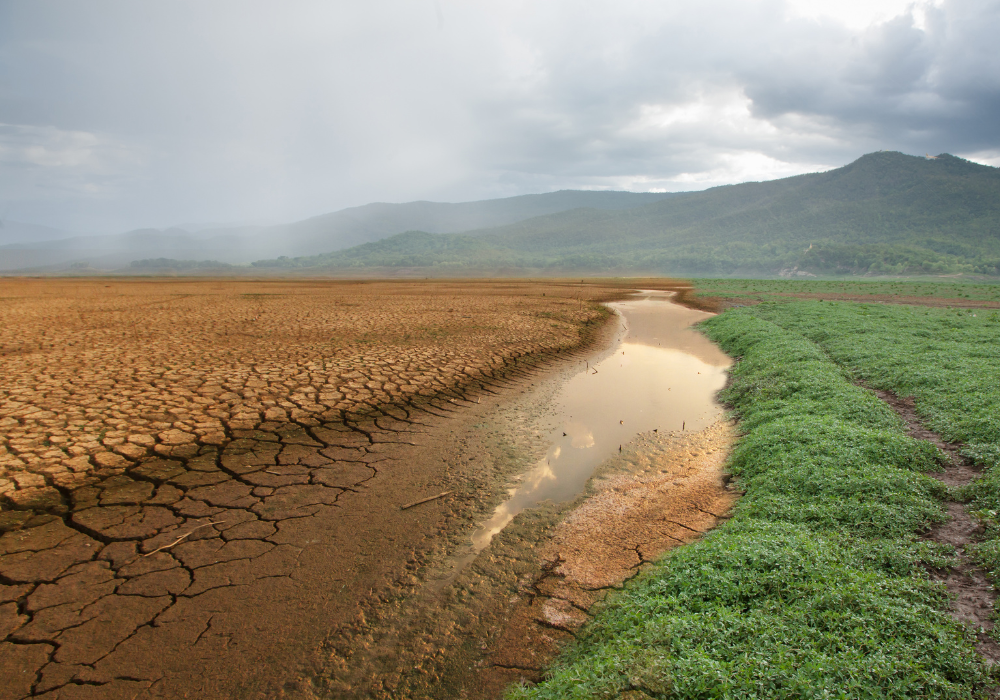
Scientists warn that climate change is likely intensifying Pineapple Express storms. Warmer oceans provide more water vapor, and warmer air increases the atmosphere’s capacity to hold moisture. Together, these changes fuel stronger and wetter atmospheric rivers.
Research suggests that while the total number of atmospheric rivers may not increase dramatically, the most extreme ones are becoming more common. This means future Pineapple Express events could bring even heavier rainfall, raising the risk of catastrophic flooding. Communities across the West Coast are being urged to prepare accordingly.
8. Historical Disasters Linked to It
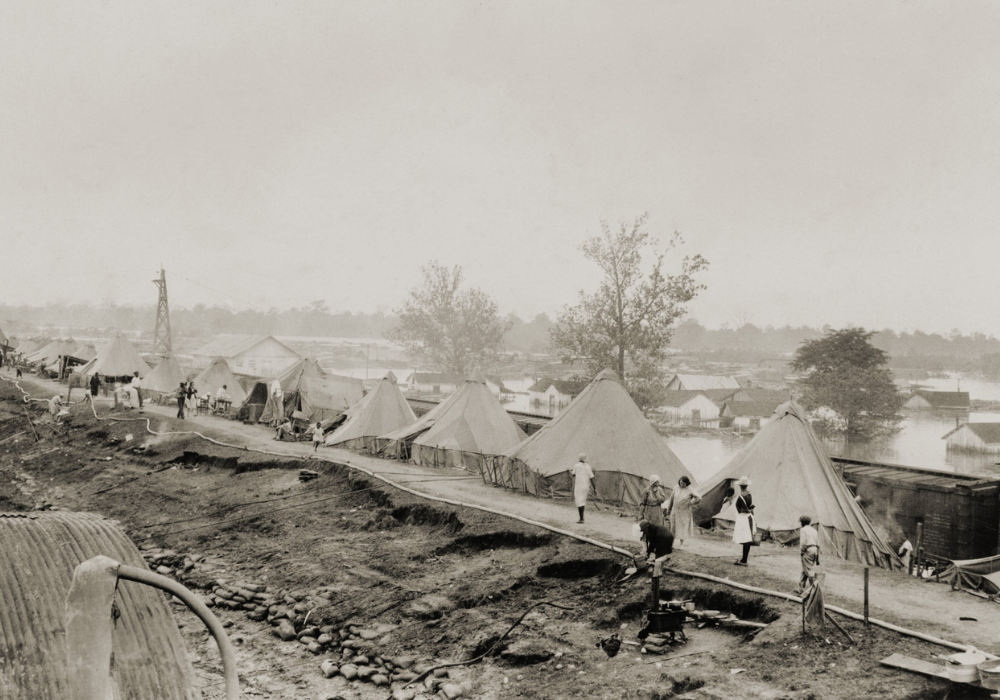
The most infamous Pineapple Express disaster occurred in the winter of 1862, when weeks of rain submerged much of California’s Central Valley. The flood destroyed infrastructure, bankrupted the state, and forced the government to temporarily relocate.
Since then, Pineapple Express storms have caused repeated damage in Oregon, Washington, and California. In 1996, flooding devastated the Pacific Northwest, while recent years brought record rains to Northern California. Each event serves as a reminder that while the phenomenon may sound harmless, its impacts can reshape entire regions.
9. The Double-Edged Sword of Water Supply
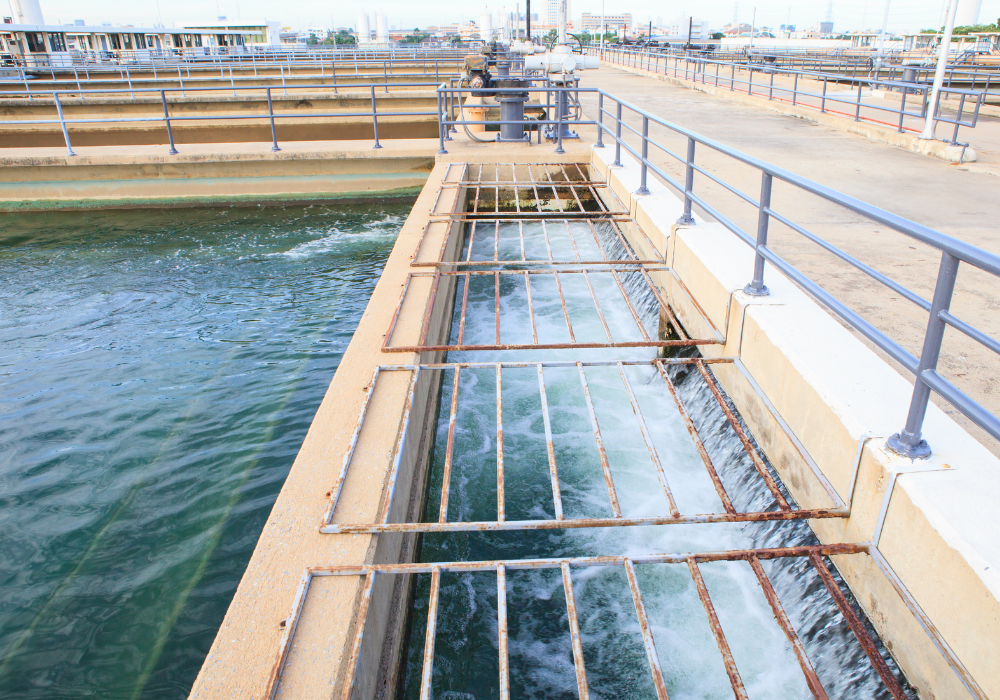
Despite the risks, Pineapple Express storms are critical to replenishing water supplies. California relies on atmospheric rivers for nearly half of its annual rainfall, which fills reservoirs, nourishes agriculture, and builds mountain snowpack.
In drought years, these storms can feel like a blessing. However, the fine line between relief and disaster is thin. Too much rain delivered too quickly leads to flooding, landslides, and infrastructure damage. This paradox makes managing water resources during Pineapple Express events one of the West’s greatest challenges.
10. How Forecasting Has Improved

In recent decades, advances in satellite technology and computer modeling have made it easier to predict atmospheric rivers. Meteorologists can now track their development across the Pacific and issue warnings days in advance.
This progress gives emergency managers more time to prepare flood defenses and inform residents. However, forecasting the exact severity and location of impacts remains difficult. Scientists say the challenge is not predicting whether the Pineapple Express will arrive, but how intense and damaging each event will be.
11. How Communities Prepare
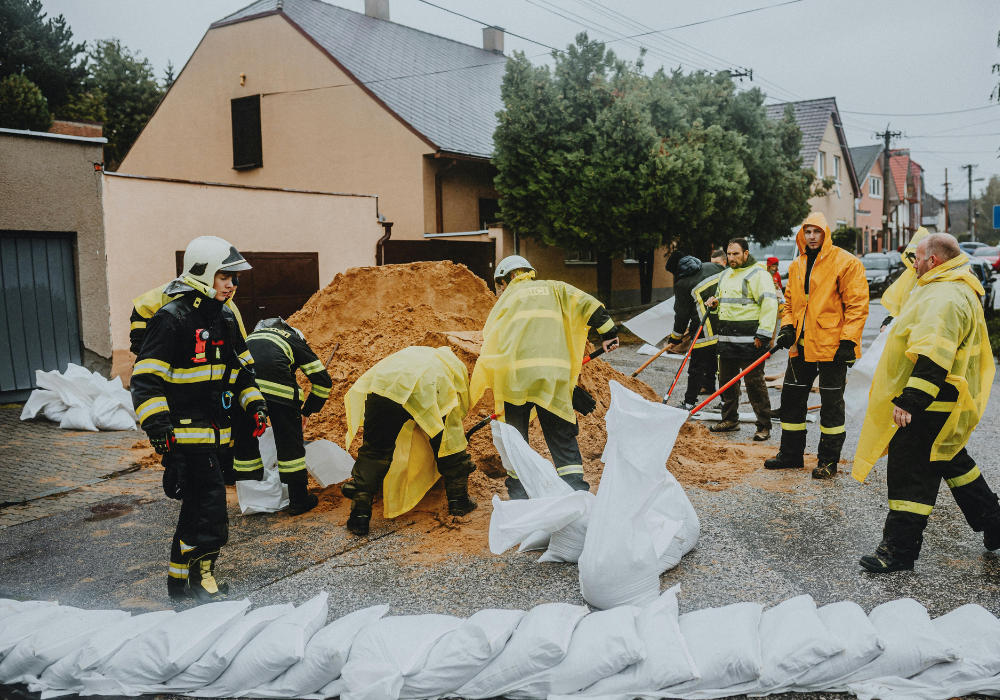
Communities in the path of Pineapple Express storms have learned to take precautions seriously. Flood-control projects, levee reinforcements, and storm drain maintenance are key strategies used before winter storms arrive.
Residents in high-risk areas are encouraged to keep sandbags ready and assemble emergency kits. Mountain regions prepare for avalanches with road closures and early warnings. Public agencies stress that individual awareness and preparation can reduce risks significantly. Readiness can mean the difference between inconvenience and disaster during Pineapple Express events.
12. Why Awareness Matters

The name Pineapple Express might sound lighthearted, but experts warn that underestimating it is dangerous. These storms have proven capable of flooding entire cities, destroying infrastructure, and costing billions in recovery.
Public awareness is critical for safety. Meteorologists emphasize that understanding the risks helps communities respond effectively. Knowing the signs, preparing in advance, and respecting evacuation orders are the best defenses. Awareness transforms the Pineapple Express from a mysterious weather term into something people can recognize and prepare for before it strikes.