
Scientists say shifting weather patterns are driving bolts into new regions, raising risks for millions worldwide.
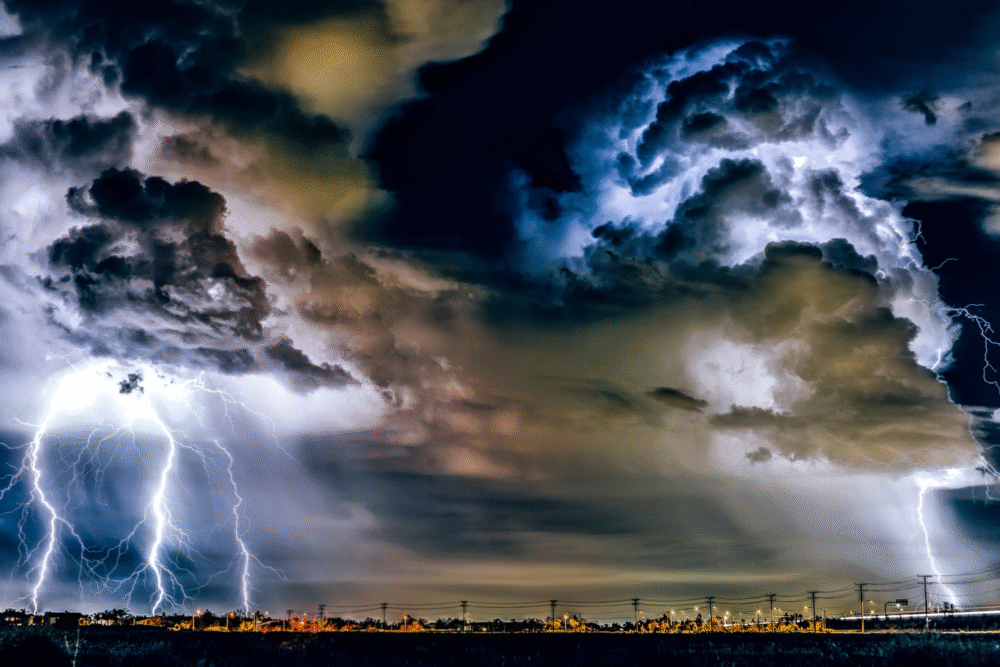
Lightning has always been a powerful force of nature, but now it’s showing up in places where people rarely saw it before. From the Arctic tundra to drier regions of the world, bolts are flashing across landscapes once considered safe from frequent strikes. Scientists say shifting weather patterns are reshaping when and where lightning strikes, with surprising consequences. For communities unprepared for this kind of danger, the change raises serious questions about safety, infrastructure, and how far-reaching the effects of a warming climate may become.
1. Lightning Is Appearing More Often in the Arctic
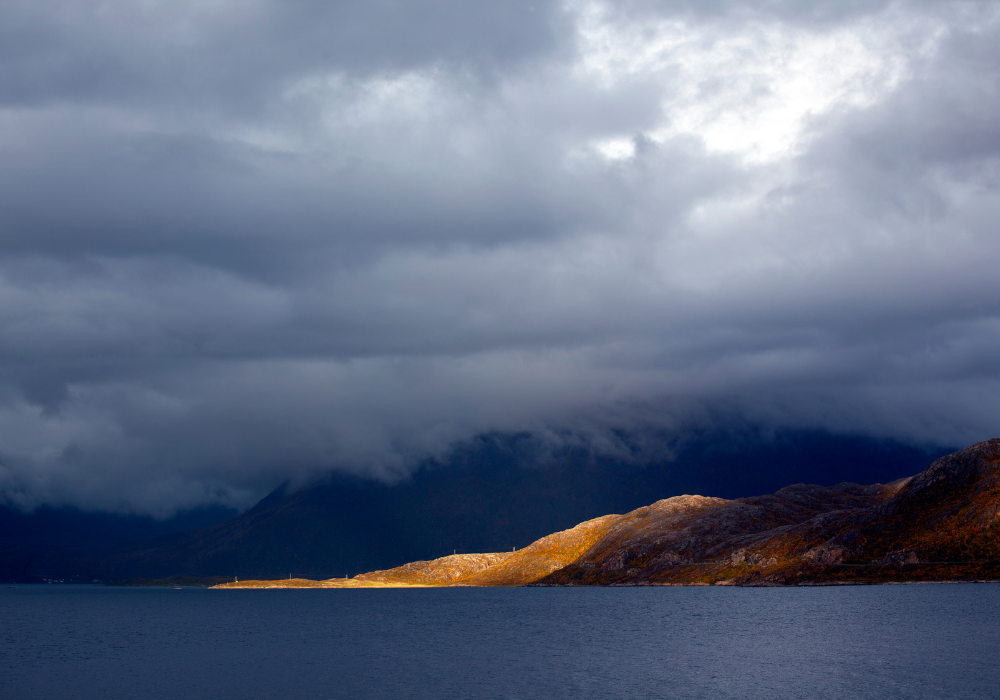
Scientists have recorded an increase in lightning strikes in the Arctic, a region once too cold for frequent storms. Warmer air and melting sea ice allow thunderstorms to form more easily, fueling strikes across tundra and icy landscapes.
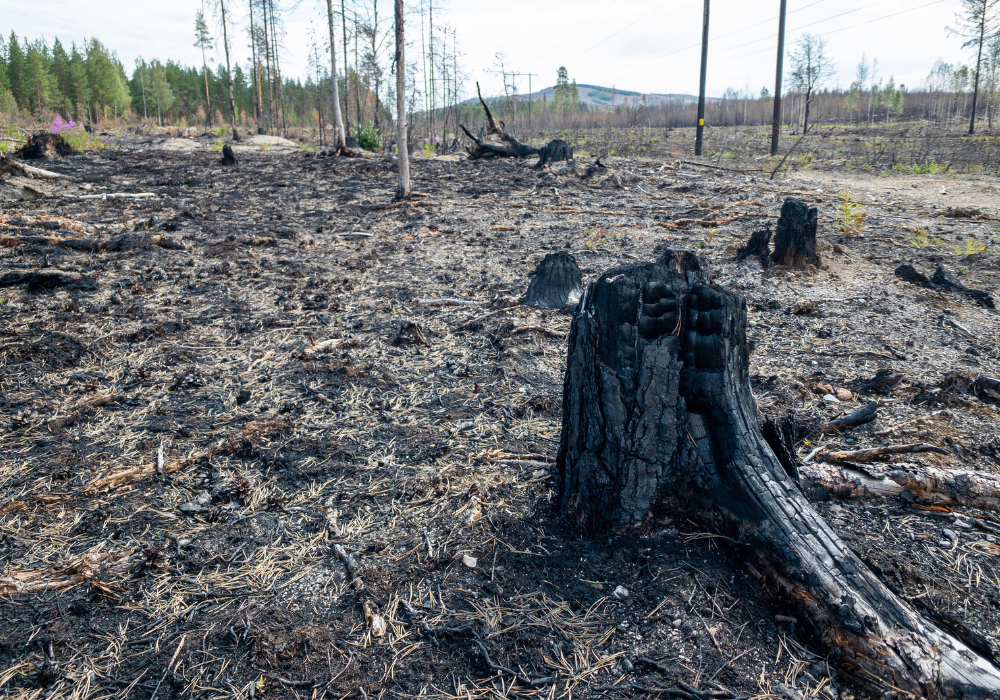
This matters because lightning in the Arctic can spark wildfires in areas with little history of burning. Those fires release large amounts of carbon stored in permafrost, adding fuel to climate change and creating a dangerous feedback loop. What was once a rare event is becoming a seasonal concern.
2. Climate Change Creates More Energy for Storms
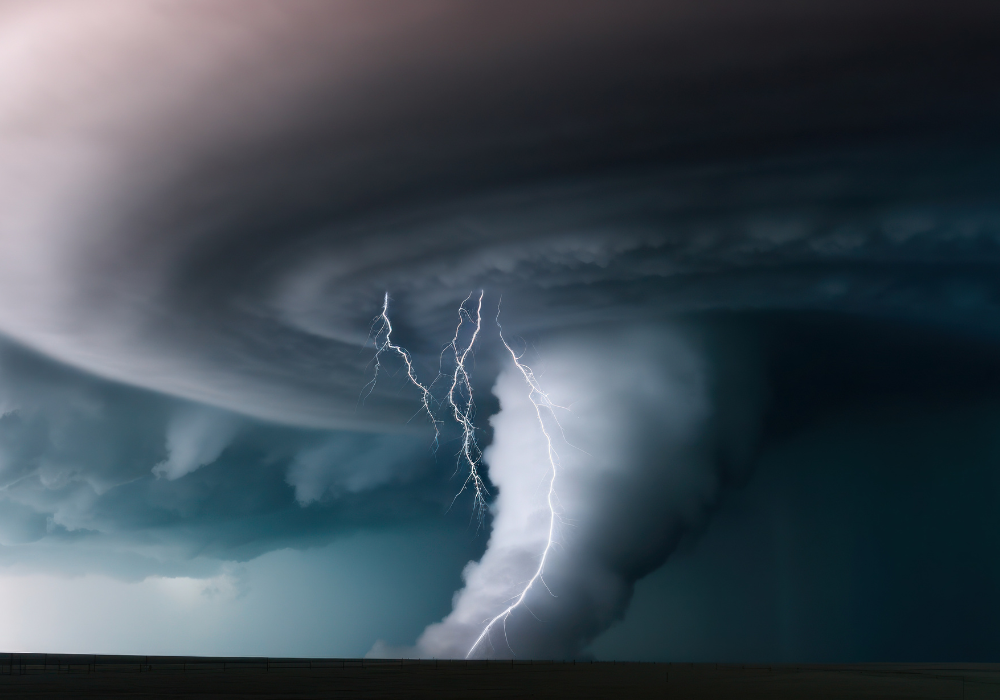
Lightning happens when warm, moist air rises and collides with cooler air, creating the conditions for electrical charge to build. As global temperatures climb, the atmosphere holds more moisture and energy.
That means stronger, more frequent thunderstorms—and with them, more lightning. Researchers warn that climate change is essentially “loading the dice,” making conditions ripe for lightning in areas that used to avoid it. This shift explains why some regions are seeing a surprising surge in strikes.
3. Wildfire Risk Is Rising With Lightning Strikes
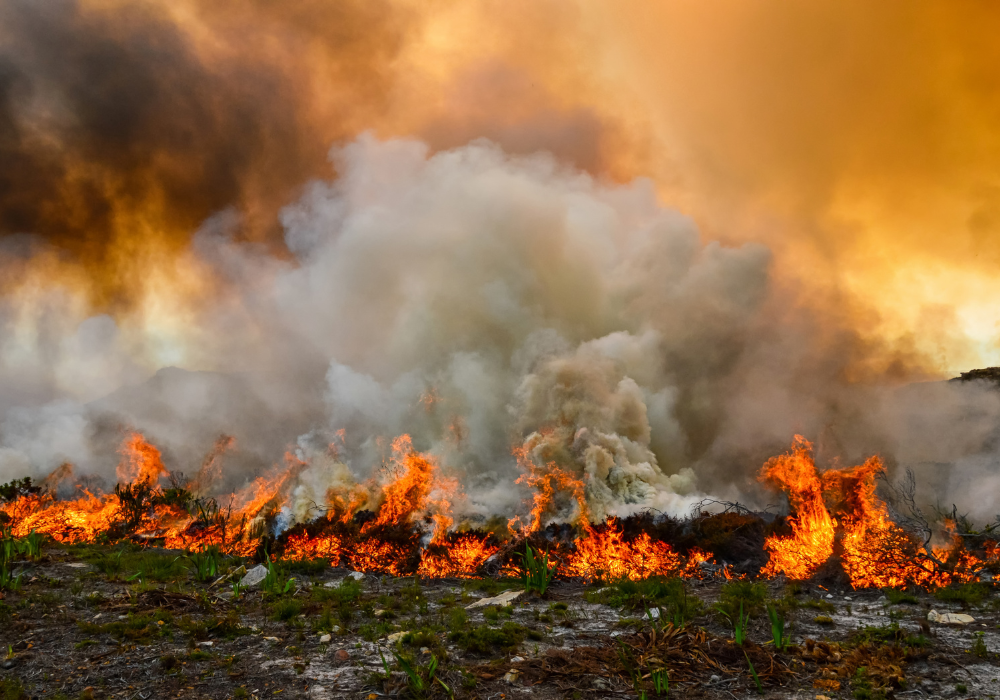
In places like Siberia and Canada, lightning is now the leading cause of wildfires. Warmer, drier landscapes combined with more electrical storms mean massive fires are starting in areas that rarely saw them before.
These fires are difficult to control because of their remote locations and size. They release smoke, disrupt ecosystems, and threaten nearby communities. The increase in lightning-driven wildfires shows how even a single strike in the wrong place can trigger long-lasting consequences.
4. Lightning Is Expanding Into Higher Elevations
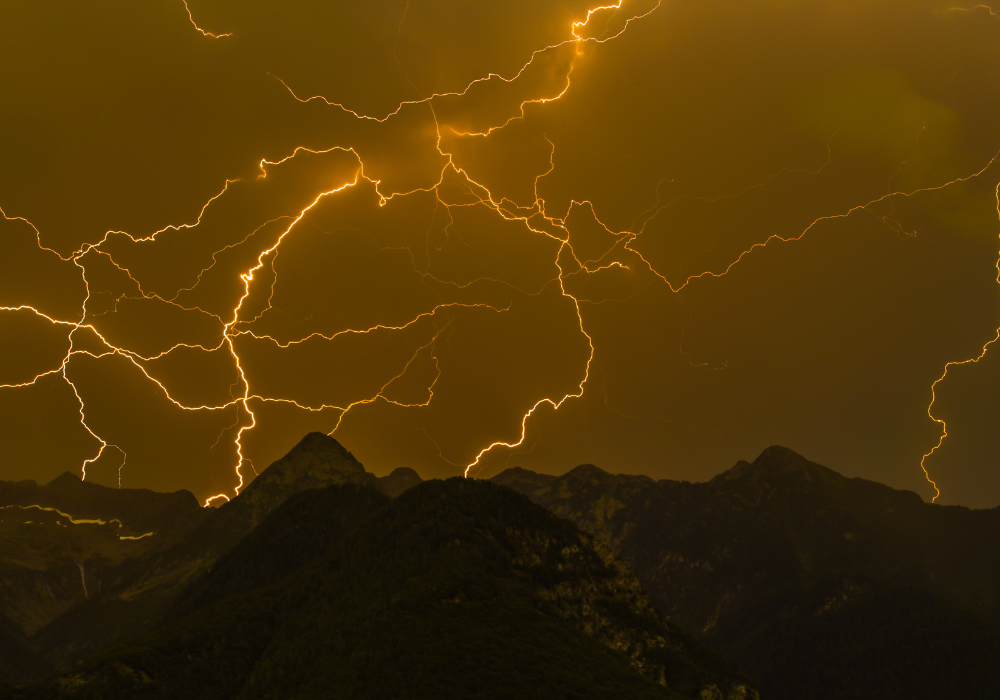
Mountain regions are experiencing more lightning than in the past. Warmer air at higher altitudes is allowing thunderstorms to develop in places where conditions were once too stable.
This puts hikers, climbers, and communities near mountain ranges at greater risk. Outdoor recreation has always carried some danger from lightning, but the growing frequency at elevation means safety strategies may need to change. It also poses new threats to mountain ecosystems unaccustomed to frequent fire or storm damage.
5. Tropical Regions May See Even More Strikes
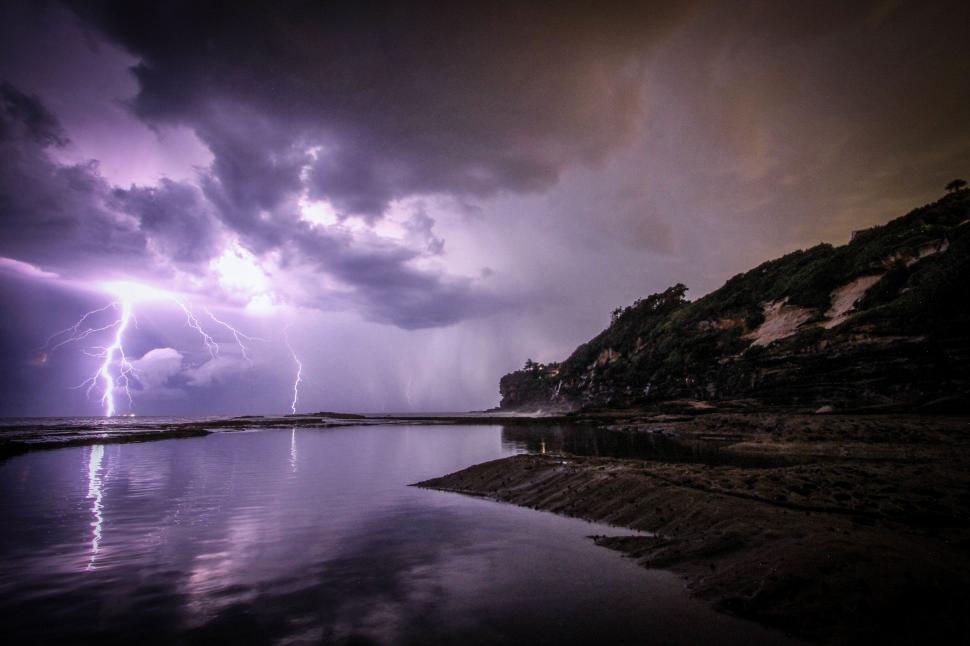
While lightning is spreading into unusual areas, tropical regions could also face increases. Rising global temperatures intensify rainfall and thunderstorm activity, especially in equatorial zones where heat and humidity are already high.
Some researchers predict that lightning activity in the tropics could grow by double digits this century. For countries with dense populations and limited infrastructure, this creates serious safety challenges. The changing pattern of lightning is not only about where it strikes, but also how intense it becomes in already storm-prone areas.
6. Lightning Storms Are Threatening Power Grids
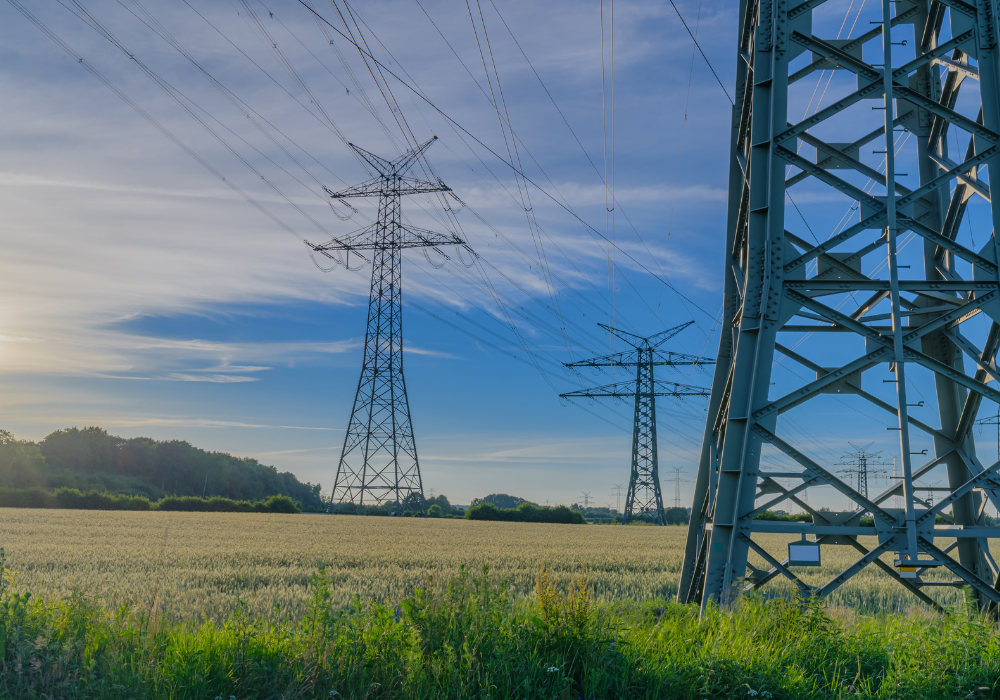
When lightning spreads into new areas, infrastructure that wasn’t built to handle frequent strikes comes under pressure. Power lines, transformers, and communication networks are especially vulnerable.
Communities in regions unaccustomed to storms often lack protective systems like lightning rods or surge protection. As strikes become more common, the risk of blackouts and electrical damage grows. This makes adapting infrastructure a critical step for places suddenly finding themselves on the front lines of storm activity.
7. Lightning Strikes Pose Health and Safety Risks

Globally, thousands of people are injured or killed by lightning each year. In regions where strikes were once rare, communities may not have established safety protocols, putting more lives in danger.
Experts stress the importance of education. Simple steps, like avoiding open fields during storms or staying inside when thunder is heard, can save lives. But without awareness, unprepared regions may see a rise in lightning-related injuries as strikes expand into unfamiliar territory.
8. Scientists Use Satellites to Track Lightning Shifts
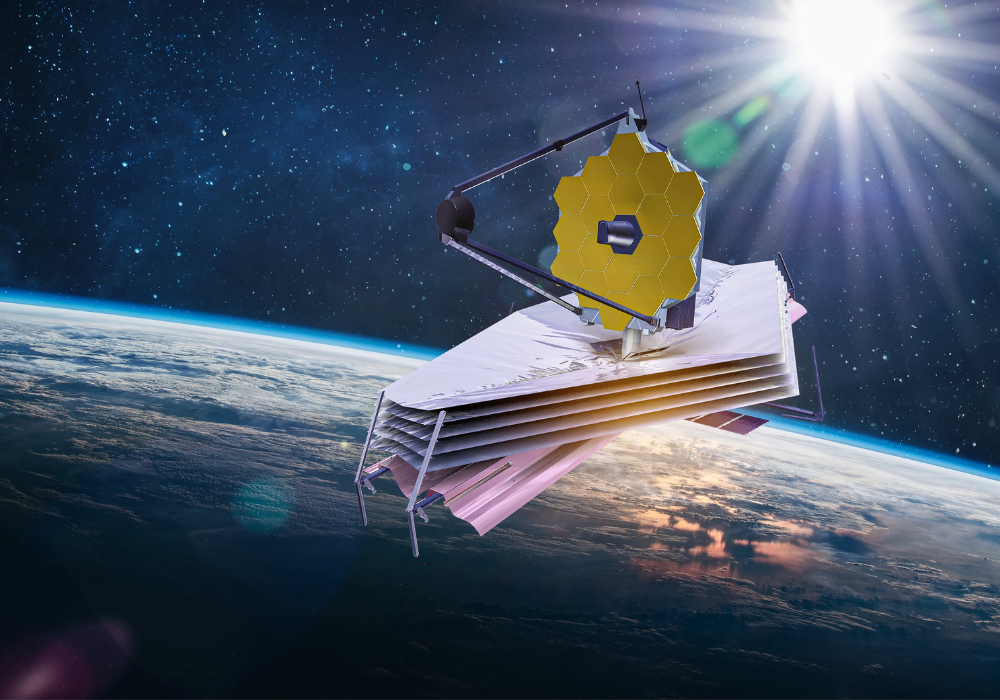
Modern satellites, like those operated by NASA and NOAA, provide near-constant monitoring of lightning strikes worldwide. This data helps researchers confirm where lightning is appearing more often and how patterns are changing.
Satellite images show surges in regions such as the Arctic and dry interior landscapes. Tracking these patterns gives scientists a clearer picture of how climate change affects storms. It also helps governments prepare for shifting risks and develop policies to protect vulnerable areas.
9. Ancient Climate Records Confirm Lightning’s Role
Tree rings and soil layers preserve traces of past wildfires, many started by lightning. These records help scientists compare modern lightning activity with historical baselines.
What they’ve found is striking—lightning frequency is increasing in step with global warming. This evidence supports the link between rising temperatures and the expansion of lightning into unusual regions. The past shows that while lightning has always shaped ecosystems, today’s climate is amplifying its reach and consequences.
10. The Future Could Bring Even More Lightning

Studies project that global lightning strikes may increase by as much as 12% for every degree Celsius of warming. That means if Earth warms 2 to 3 degrees above pre-industrial levels, lightning could become dramatically more common.
The consequences of such an increase are wide-ranging, from more wildfires to infrastructure damage and public safety threats. Scientists say the best way to manage this risk is by tackling climate change itself—reducing emissions to keep warming in check, and with it, the lightning that follows.