
Scientists warn rising carbon dioxide is trapping heat and driving Earth toward dangerous climate tipping points.
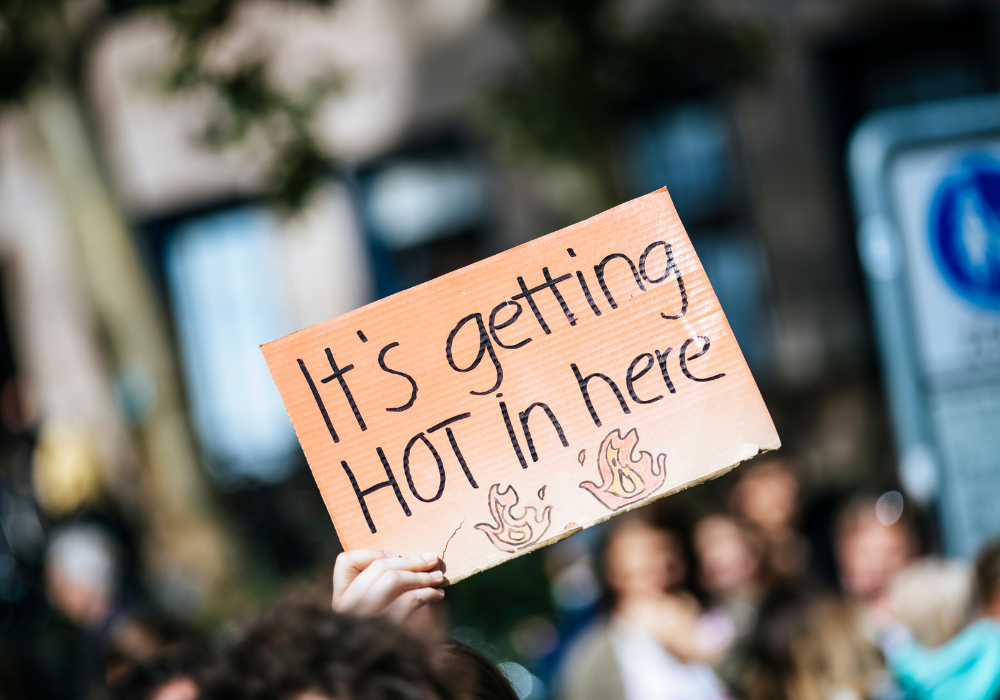
It’s hard to believe that something you can’t see or smell is reshaping the entire planet. Carbon dioxide may seem harmless, but once it builds up in the atmosphere, it acts like a heavy blanket wrapped around Earth. Instead of letting heat escape, it traps warmth and slowly pushes temperatures higher. The result isn’t just hotter summers—it’s rising seas, shifting weather, and growing risks for life everywhere. This invisible gas is quietly changing our world in dramatic ways.
1. Carbon Dioxide Acts Like a Heat-Trapping Blanket
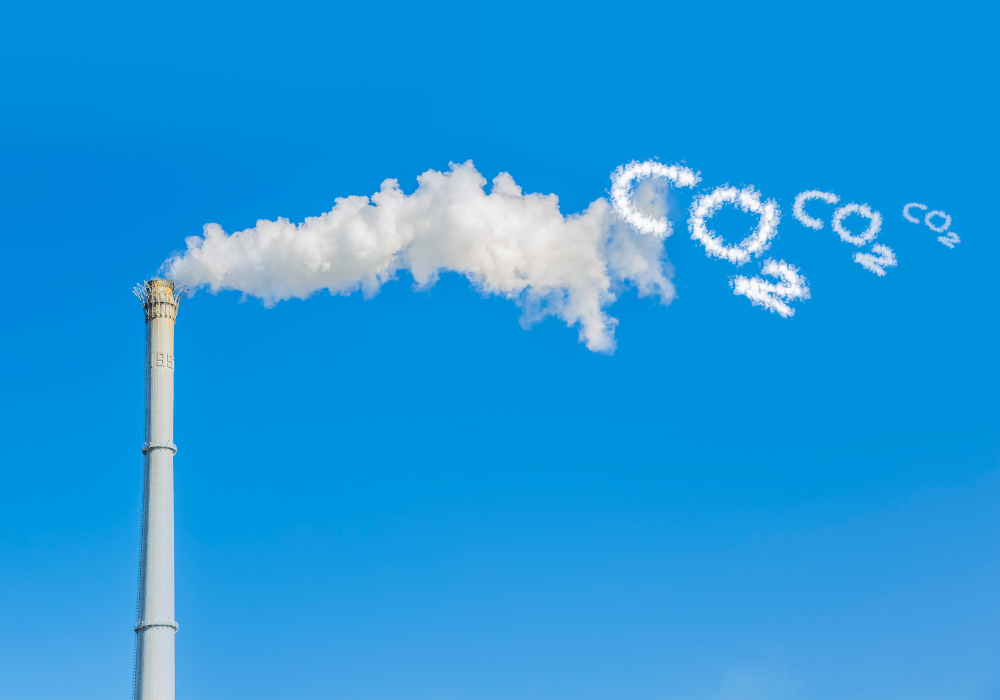
When sunlight reaches Earth, much of it reflects back toward space. But carbon dioxide in the atmosphere blocks some of that heat from escaping. Instead, the energy stays close to the surface, warming the air, land, and oceans. This process is what scientists call the greenhouse effect.
Without greenhouse gases, our planet would be too cold to support life. The problem is that human activities have added far more carbon dioxide than nature can balance. That extra layer of heat-trapping gas has turned Earth’s natural blanket into something suffocating, steadily raising global temperatures year after year.
2. Burning Fossil Fuels Is the Main Source of Emissions
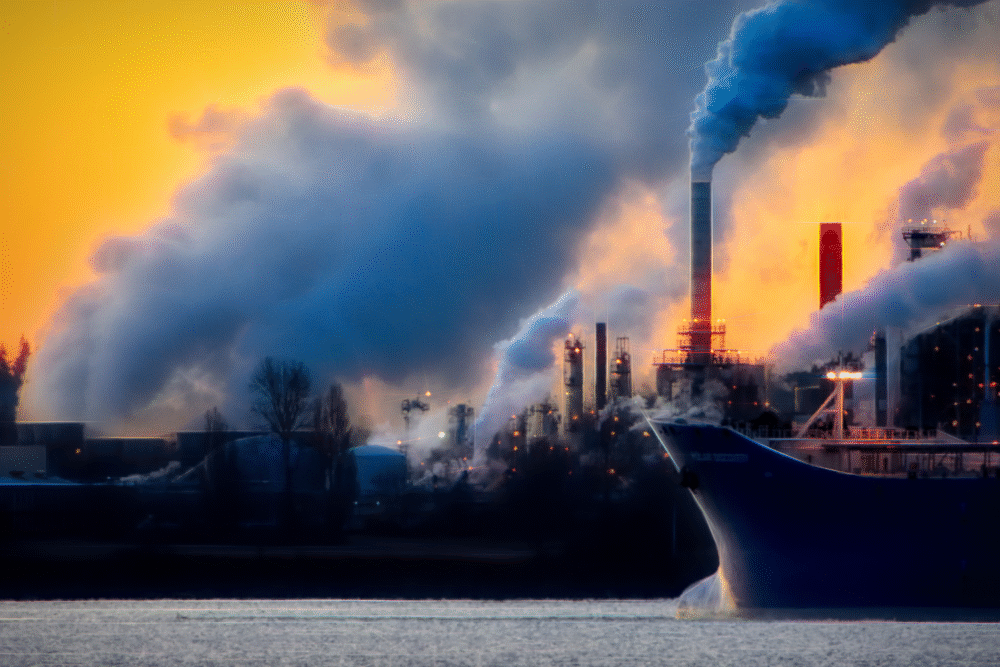
Every time coal, oil, or natural gas is burned, it releases carbon dioxide. Power plants, cars, airplanes, and factories are among the biggest contributors. Since the Industrial Revolution, these emissions have grown dramatically, pumping billions of tons of CO₂ into the air.
The atmosphere doesn’t quickly absorb or recycle that carbon. Instead, it lingers for hundreds of years, building up like a growing debt we can’t repay. That’s why today’s choices have consequences long into the future. The more we burn fossil fuels now, the hotter Earth will become for generations still to come.
3. Forest Loss Makes the Problem Even Worse
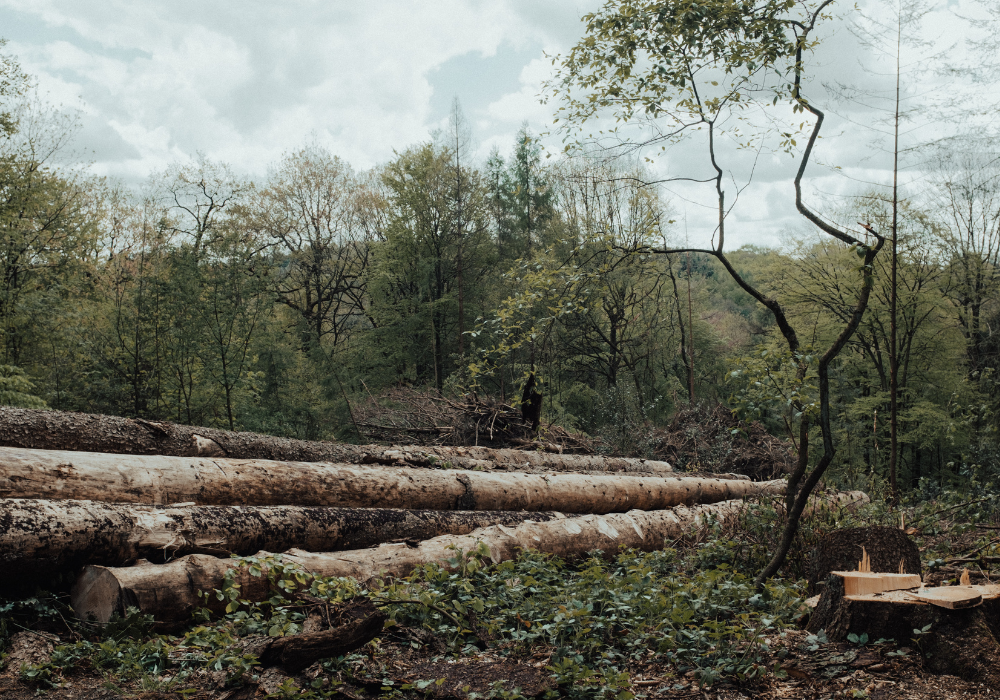
Trees naturally absorb carbon dioxide through photosynthesis, storing carbon in their trunks, branches, and roots. But when forests are cut down or burned, not only do we lose that natural filter, the stored carbon is also released back into the atmosphere.
Deforestation adds millions of tons of CO₂ each year. Tropical regions like the Amazon rainforest, once called the “lungs of the Earth,” are losing trees at alarming rates. This double hit—more emissions and fewer natural absorbers—creates a vicious cycle. As forests disappear, our planet’s ability to slow global warming weakens dramatically.
4. Oceans Absorb Carbon but at a Heavy Price

The oceans act like giant sponges, soaking up about a quarter of all carbon dioxide released by humans. While this slows warming somewhat, it comes with serious side effects. The absorbed CO₂ changes seawater chemistry, making it more acidic.
Ocean acidification harms coral reefs, shellfish, and fish populations that billions of people rely on for food. It’s proof that the damage from emissions doesn’t stop with rising temperatures. By overwhelming the oceans, we’re not only destabilizing climate systems but also undermining marine ecosystems vital for life and global food security.
5. Melting Ice Caps Prove Temperatures Are Rising
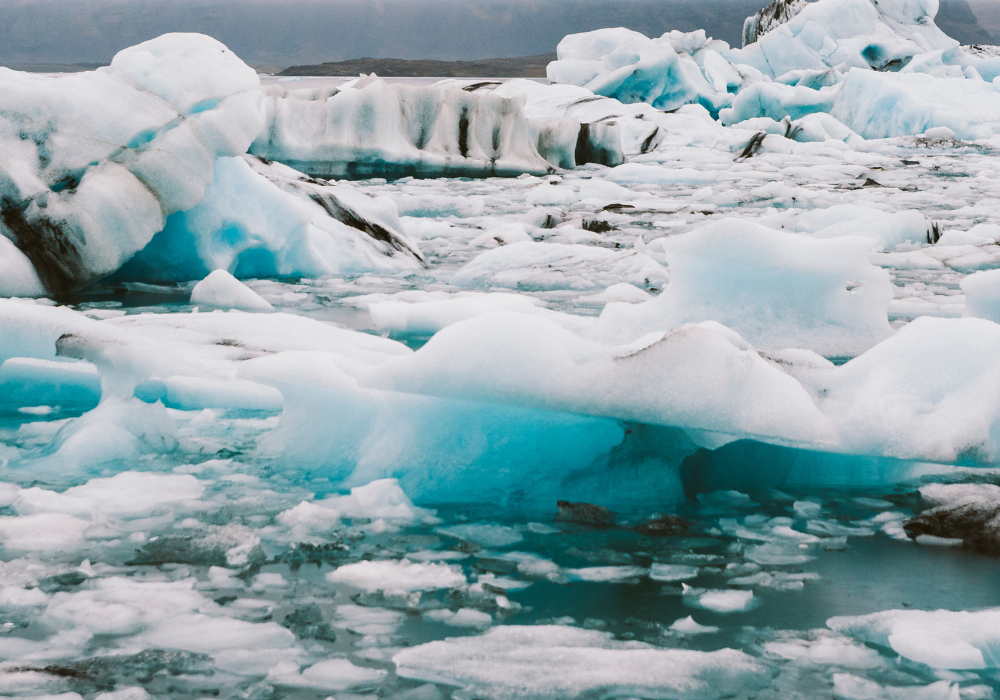
Nowhere is global warming more obvious than at Earth’s poles. Arctic sea ice and Antarctic glaciers are melting at alarming rates, shrinking year after year. As temperatures climb, white ice that once reflected sunlight disappears, replaced by darker water that absorbs more heat.
This feedback loop accelerates warming even further. Rising seas threaten coastal communities worldwide, from small island nations to major cities like Miami and New York. The melting ice serves as a visible warning: the buildup of carbon dioxide is not a distant problem—it’s reshaping Earth’s surface right now.
6. Extreme Weather Is Tied to Carbon Pollution
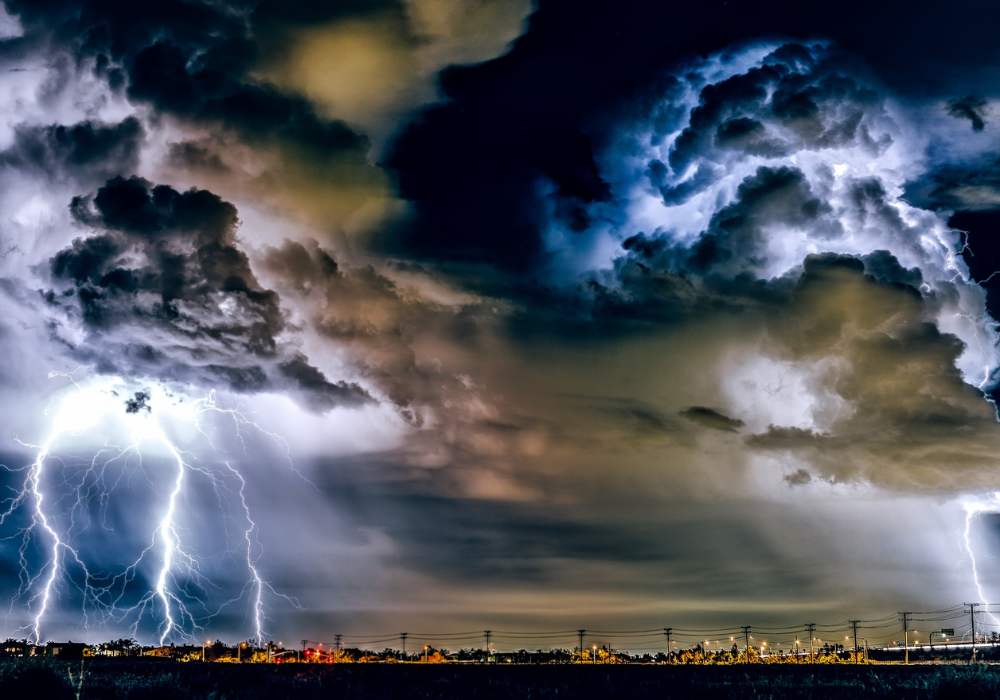
As carbon dioxide traps more heat, weather patterns grow unstable. Warmer air holds more moisture, fueling heavier rains and more intense floods. At the same time, hotter conditions dry out soils, worsening droughts in other regions.
Hurricanes, wildfires, and heatwaves are all intensifying in part because of this extra trapped energy. Scientists warn that unless emissions are reduced, extreme events will continue to grow more frequent and more destructive. For communities already struggling with disasters, carbon dioxide isn’t just an invisible gas—it’s a trigger for very real and costly chaos.
7. Wildlife Struggles to Survive in a Warmer World
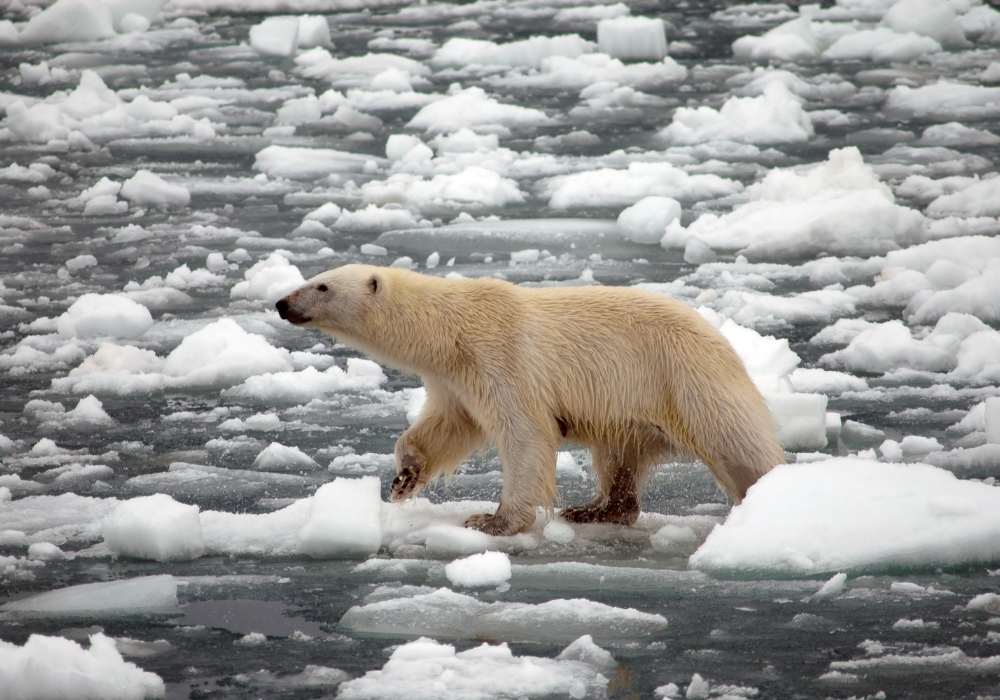
From polar bears to tropical fish, many species are feeling the effects of carbon-driven warming. Melting ice destroys habitats for Arctic animals, while rising ocean temperatures bleach coral reefs, leaving countless marine creatures without shelter or food.
On land, shifting climates force animals to migrate to cooler areas. But not all species can adapt or move fast enough. This mismatch leads to declining populations and even extinction risks. Carbon dioxide emissions are changing ecosystems at a pace that outstrips nature’s ability to keep up, putting global biodiversity in serious jeopardy.
8. Human Health Suffers From Rising Carbon Levels

The consequences of extra carbon dioxide aren’t limited to nature—they directly affect people. Hotter temperatures increase risks of heatstroke, respiratory illnesses, and mosquito-borne diseases like malaria and dengue fever. Wildfire smoke, fueled by dry conditions, chokes lungs and spreads toxic particles.
Even mental health suffers as communities cope with repeated disasters. The stress of losing homes, livelihoods, or security leaves lasting scars. Scientists stress that climate change isn’t just an environmental issue—it’s also a public health emergency. Carbon emissions are fueling conditions that put millions of lives in danger worldwide.
9. Economic Costs Rise Alongside Carbon Emissions

The more carbon dioxide we emit, the more damage it causes to infrastructure, agriculture, and economies. Floods destroy homes and roads. Droughts cut crop yields. Wildfires devastate communities, costing billions in recovery. Insurance companies already warn that climate disasters are making coverage more expensive and harder to secure.
Global economies pay a steep price for every ton of CO₂ released. Instead of isolated events, climate costs ripple across markets, supply chains, and food systems. The longer emissions continue unchecked, the greater the financial burden for governments, businesses, and families alike.
10. Climate Tipping Points Could Push Change Beyond Control

Scientists warn that rising carbon dioxide risks triggering tipping points—irreversible changes that dramatically accelerate warming. Melting permafrost could release massive amounts of methane, an even more powerful greenhouse gas. Collapsing ice sheets could raise sea levels beyond what we can manage.
Once these thresholds are crossed, even cutting emissions might not reverse the damage. That’s why experts emphasize urgent action now. Preventing runaway changes is far easier than trying to adapt afterward. Carbon dioxide is the key driver pushing us closer to these dangerous points of no return.
11. Cutting Emissions Is the Only Long-Term Solution
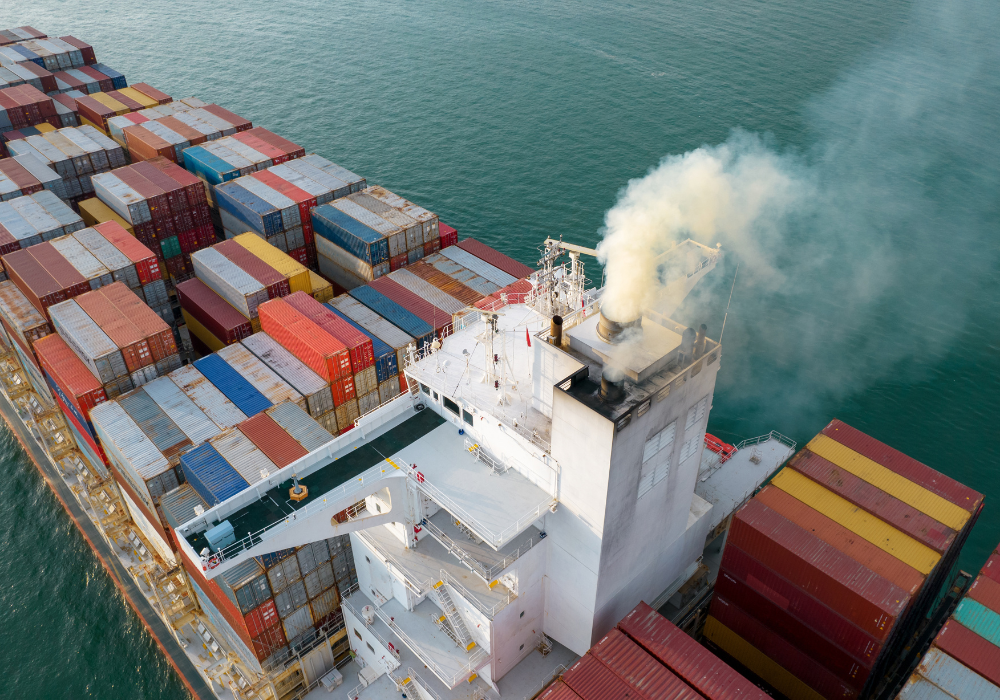
Technology and natural systems can help absorb carbon dioxide, but the only real solution is to drastically cut how much we release. Renewable energy, cleaner transportation, and sustainable farming practices are all critical steps toward lowering emissions.
Every fraction of a degree matters. The less carbon dioxide we add, the better chance we have of slowing global warming and preserving a livable planet. While the challenge is enormous, the path forward is clear: to stop the cooking of our world, we must cool the flow of carbon.