
Scotland’s ancient structures beneath the sea hint at journeys history never recorded.
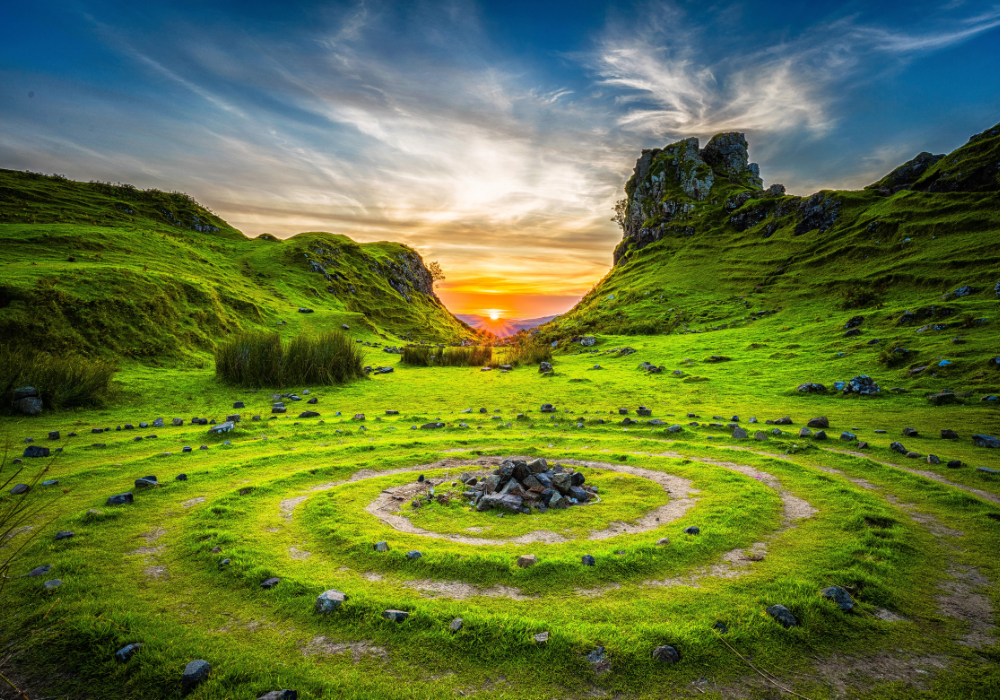
Scotland’s drowned stone circles offer a unique window into Ice-Age human migration, revealing how early communities adapted to dramatic environmental changes. These underwater archaeological sites preserve traces of prehistoric settlements obscured by rising sea levels.
Analysis from institutions like the British Museum and National Museums Scotland shows these structures marked strategic locations and migration routes, illuminating the social and environmental dynamics of ancient Scotland during the Ice Age.
1. Drowned stone circles reveal ancient migration routes during the Ice Age.
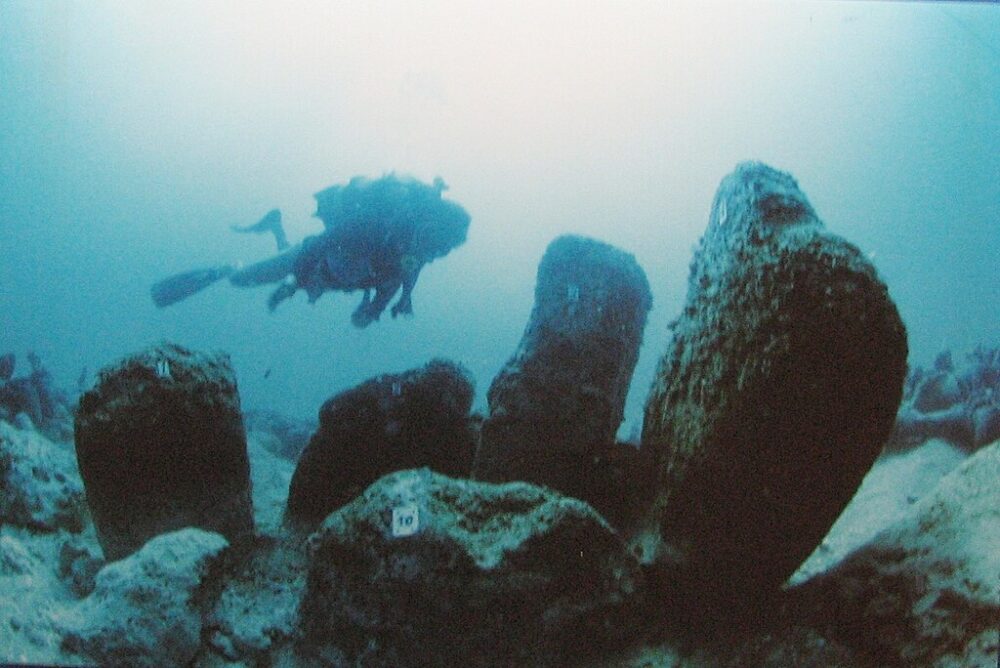
Submerged stone circles in Scotland point to migration paths during the Ice Age, revealing how early humans moved across prehistoric landscapes. Rising sea levels concealed these sites, preserving evidence of ancient routes that connected communities amid a changing climate and geological backdrop.
Analysis of these remnants offers a glimpse into how early humans navigated natural barriers and adapted to environmental shifts. Decoding these pathways uncovers crucial insights into the way prehistoric populations interacted with their surroundings and moved strategically in response to ice age pressures.
2. Rising sea levels submerged key Ice Age settlement sites in Scotland.
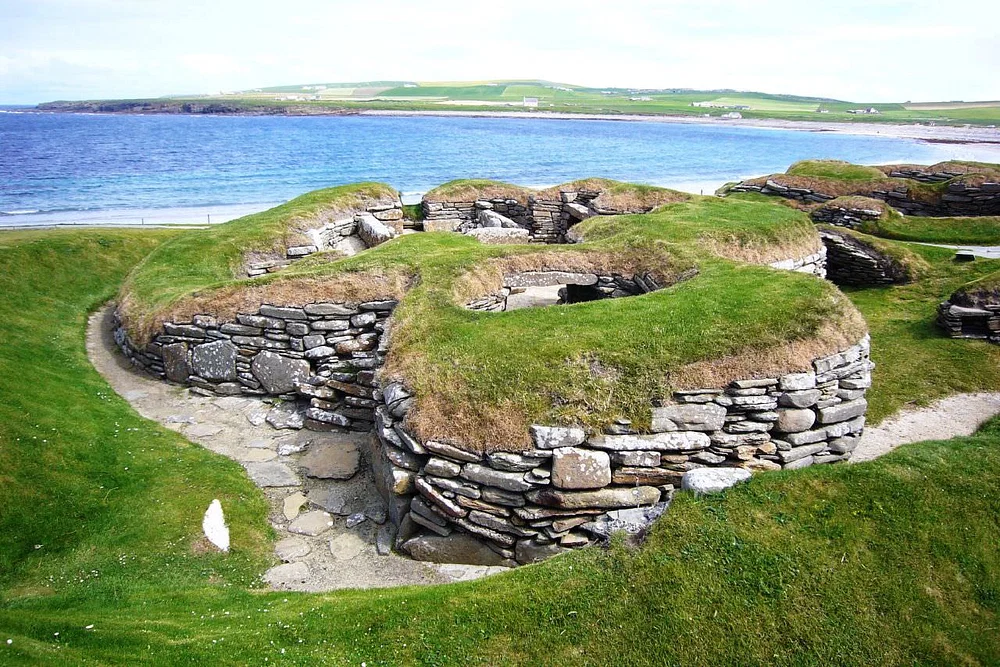
The phenomenon of rising sea levels submerged significant settlement sites in Ice Age Scotland, leaving a hidden archaeological record. As ocean levels rose, countless coastal dwellings and cultural markers disappeared, creating submerged histories waiting for modern discovery.
These drowned sites offer vital evidence of ancient lifeways and human resilience against climate-induced changes. By studying their locations and contexts, researchers can reconstruct past habitations and better understand how prehistoric communities lived in vulnerable coastal areas.
3. Stone circles indicate strategic locations used for navigation and gathering.
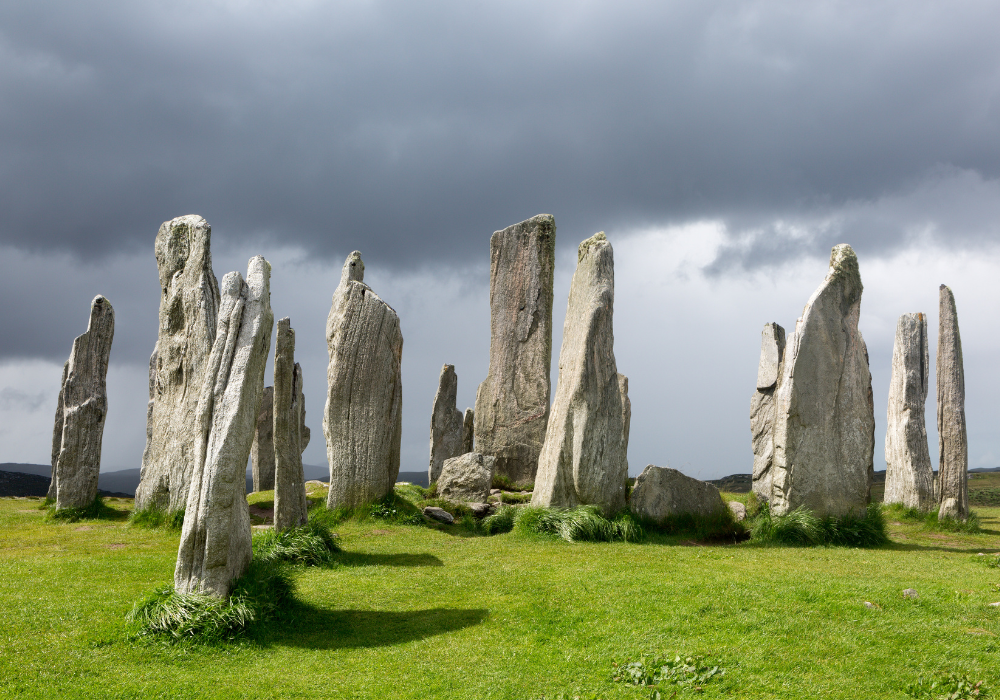
Scotland’s stone circles often marked strategic spots for navigation and gatherings, essential during the Ice Age when community interactions were pivotal for survival. These sites served as focal points along migration paths or resource-rich locations.
Understanding these gathering places reveals how they facilitated exchange and communication among distant groups. By analyzing their placements and features, archaeologists gain insight into the significance of these areas in fostering social cohesion and resource management.
4. These structures highlight social and ritual practices of Ice Age communities.

Ice Age communities used stone circles in varied social and ritual practices, reflecting complex societal structures despite the harsh climate. The architecture of these circles suggests a designated space for gathering, ceremonies, or community events.
As researchers decode the purposes of these structures, they unveil aspects of social life and communication deeply rooted in prehistoric traditions. This understanding enriches the narrative of how communities adapted culturally to environmental challenges and maintained social cohesion.
5. The layout of drowned stone circles suggests complex territorial boundaries.
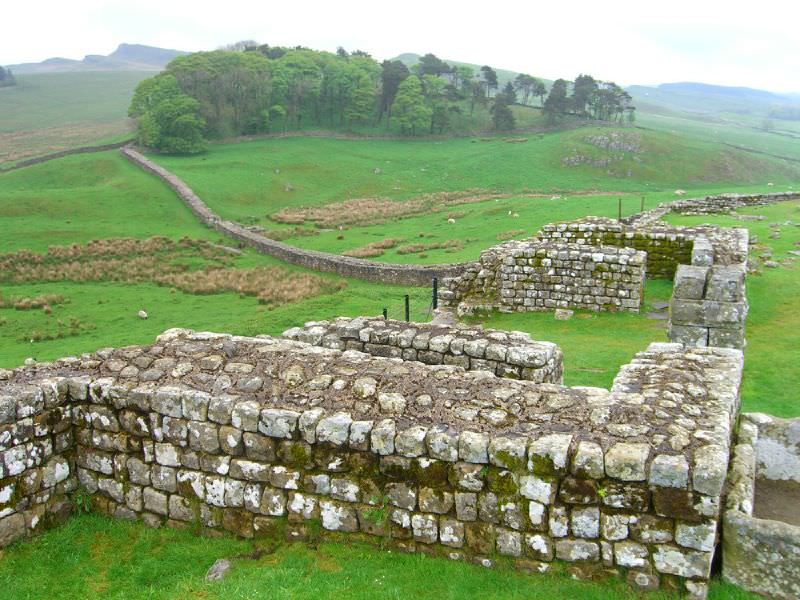
The layout of drowned stone circles in Scotland implies complex territorial boundaries dictated by Ice-Age needs. As spaces denoting presence and influence, they indicated regions of control or shared resources between tribes.
These configurations reveal how prehistoric populations conceptualized land and resource management. By examining circle placements and proximity to resources, researchers can infer territorial relationships, conflict resolution, and community interactions during the era.
6. Underwater discoveries challenge previous assumptions about Ice Age habitation.

Underwater discoveries in Scotland challenge long-held views on Ice Age habitation intricacies. The newfound stone circles illustrate advanced societal development and adaptability previously underestimated by researchers.
These findings compel scientists to reassess theories about how Ice Age groups organized themselves and interacted in evolving environments. Revealing richer narratives, these discoveries provide exciting new avenues for exploring early human ingenuity and resilience.
7. Stone circles provide evidence of early coastal adaptation strategies.
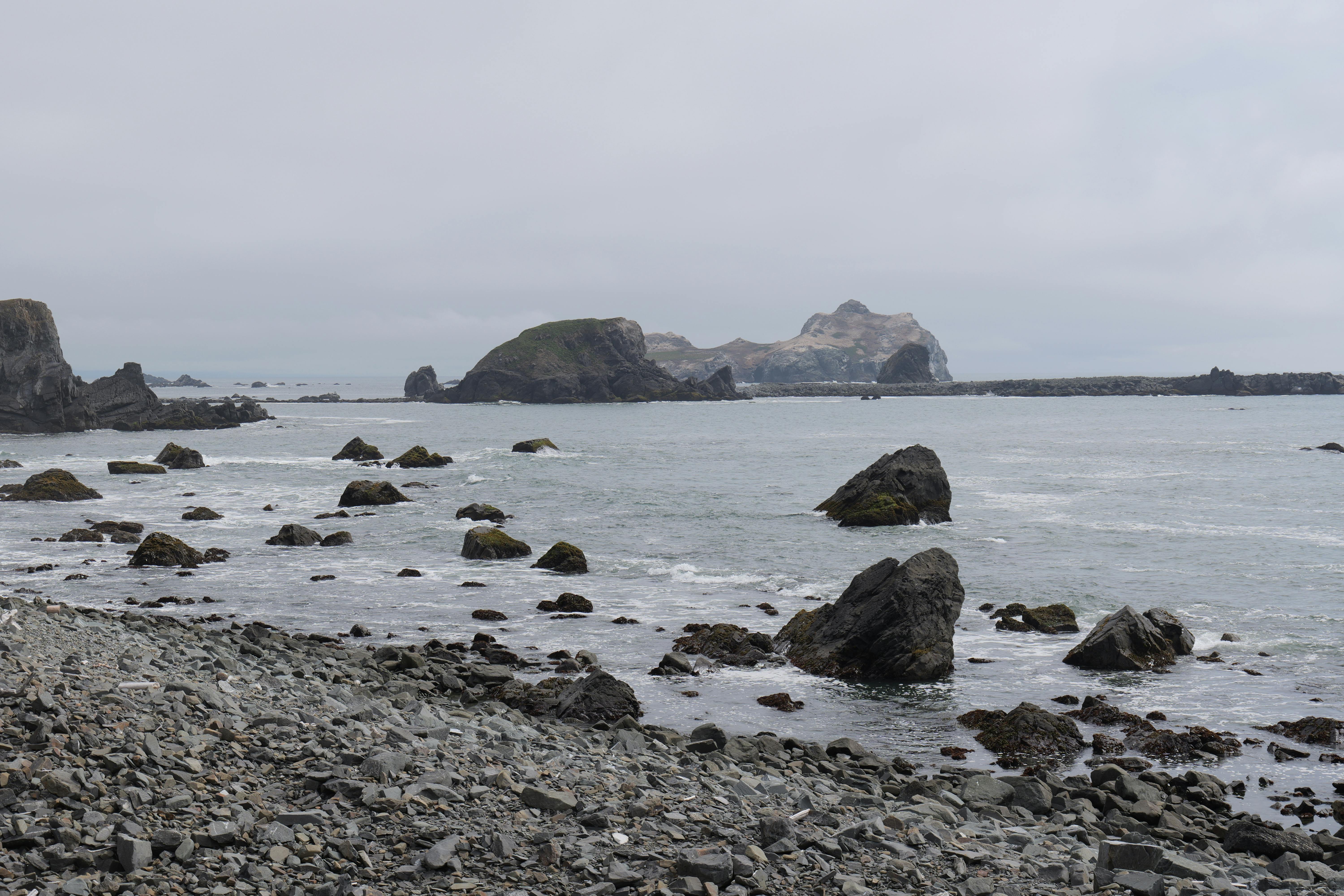
Archaeological evidence from stone circles in submerged sites indicates early adaptation strategies to coastal life. These circles contain clues to how ancient communities thrived along shorelines, exploiting marine resources and managing environmental changes.
They help illustrate a dynamic relationship with the coastal landscape, emphasizing the pivotal role of water-based resources. By examining these pieces of evidence, researchers can construct an image of early human innovation in response to their aquatic environments.
8. Patterns in the circles reflect seasonal movements of prehistoric groups.
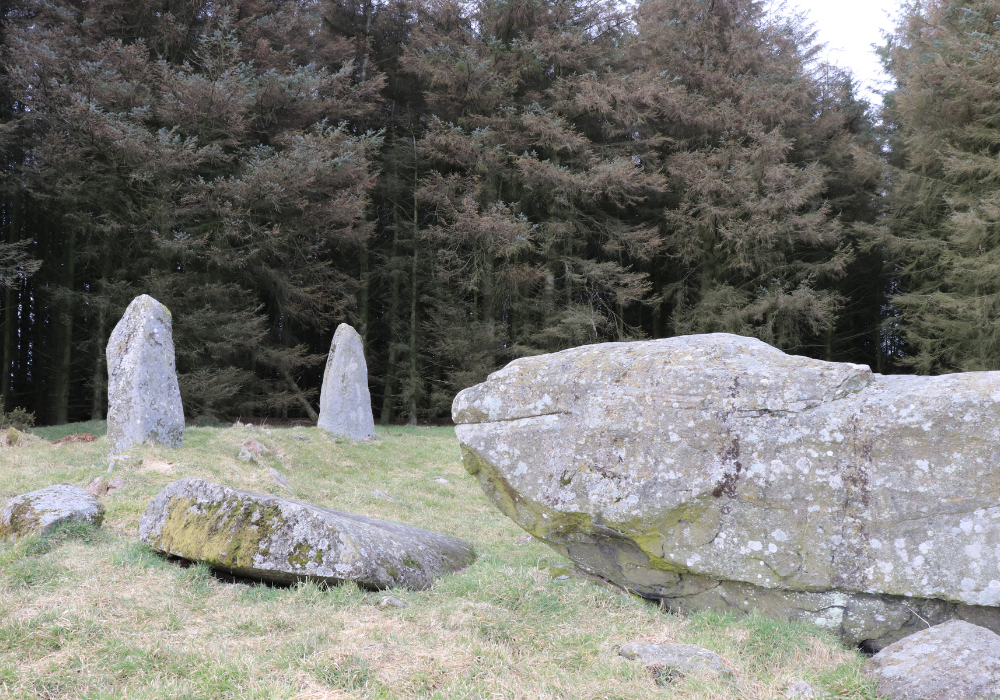
The arrangement of stone circles in Scotland reflects prehistoric seasonal movement and resource allocation. These patterns suggest that ancient groups traversed landscapes annually, aligning with natural cycles and resource availability.
Interpreting such patterns enhances understanding of ancient lifestyle rhythms, shedding light on migration and settlement temporalities. It supports the notion of structured movement, critical for maintaining community survival across fluctuating Ice Age bustles.
9. Construction techniques reveal shared knowledge among scattered Ice Age populations.

Construction techniques of Ice Age stone circles reveal interconnectedness among far-flung populations. Shared knowledge in design and building practices suggests communication and cultural exchange across vast distances.
These insights indicate networks of information and mutual learning that transcended local limitations. By understanding construction methods, archaeologists piece together a broader picture of cultural diffusion and technological sharing during a time defined by isolation.
10. Drowned monuments hint at sophisticated environmental awareness among ancient people.

Drowned monuments in Scotland offer glimpses of the environmental sophistication possessed by ancient groups. The strategic positioning and structural design of stone circles reflect an acute awareness of their surroundings and environmental dynamics.
These constructions illustrate a profound understanding of landscape interplay with the populace’s daily life. Recognizing such insights enables researchers to appreciate early humans not only as survivalists but as thoughtful adapters in tune with their ecosystem.
11. The distribution of circles maps ancient connections between land and sea.
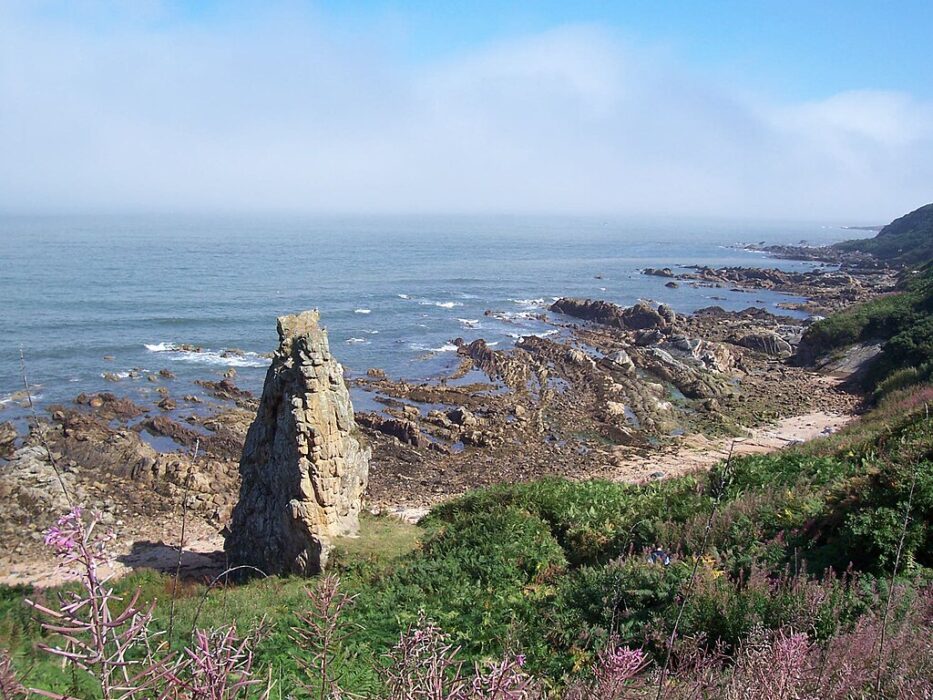
The distribution of Scotland’s stone circles maps ancient marine and terrestrial connectivity from the Ice Age. These placements reflect understanding of the landscape’s potential to interlink disparate regions for travel, trade, and resource exchange.
By analyzing their spread, researchers delineate old networks that linked land and seascape. This knowledge uncovers hidden stories of movement and interaction critical in illuminating the exchanges that shaped early human development.
12. These sites underscore the resilience and ingenuity of Ice Age migrants.

Ice Age migrants exhibited resilience and innovation, as reflected in the submerged stone circles in Scotland. These structures symbolize profound adaptability amidst harsh conditions, illustrating how ancient groups responded to climate shifts.
Each site encapsulates tales of challenge and triumph, reinforcing narratives of endurance over millennia. Understanding their legacy underscores the innovative ways these communities negotiated survival and laid foundations for future human advancements.