
They rise in silence, move in secret, and unleash power few realize even exists.
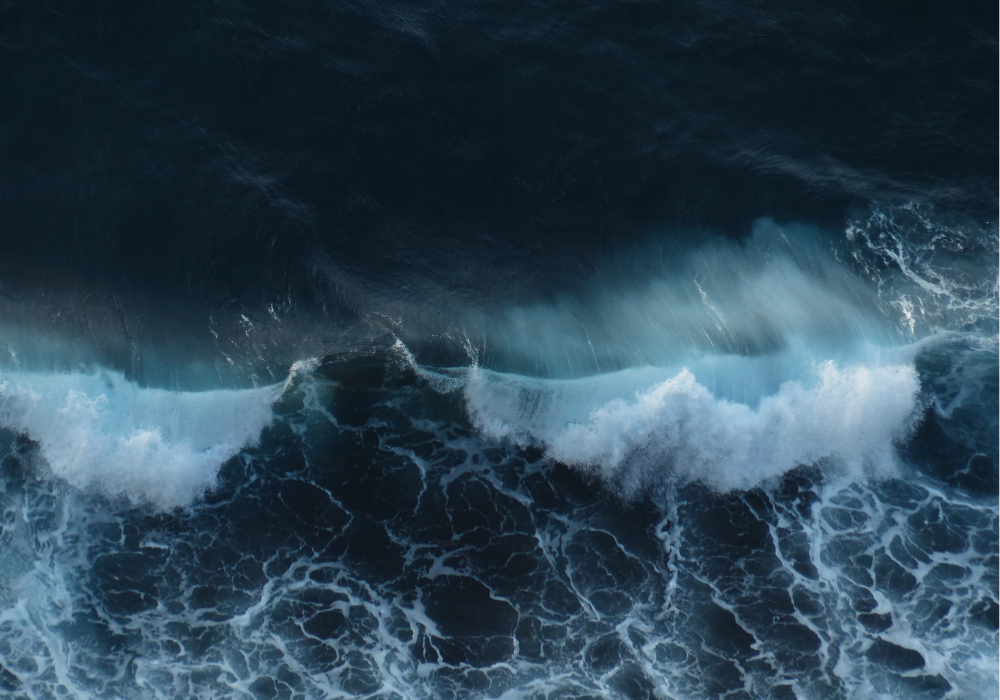
Most of the dangers we fear from the ocean happen right on the surface—towering waves, violent storms, and raging tides. But deep below, something far stranger is at work. Invisible to the eye, yet powerful enough to shape coastlines and stir the seas, these hidden forces move silently in the dark. Scientists say they may be some of the ocean’s most overlooked and mysterious phenomena.
1. Internal tsunamis are giant waves hidden deep below the ocean’s surface
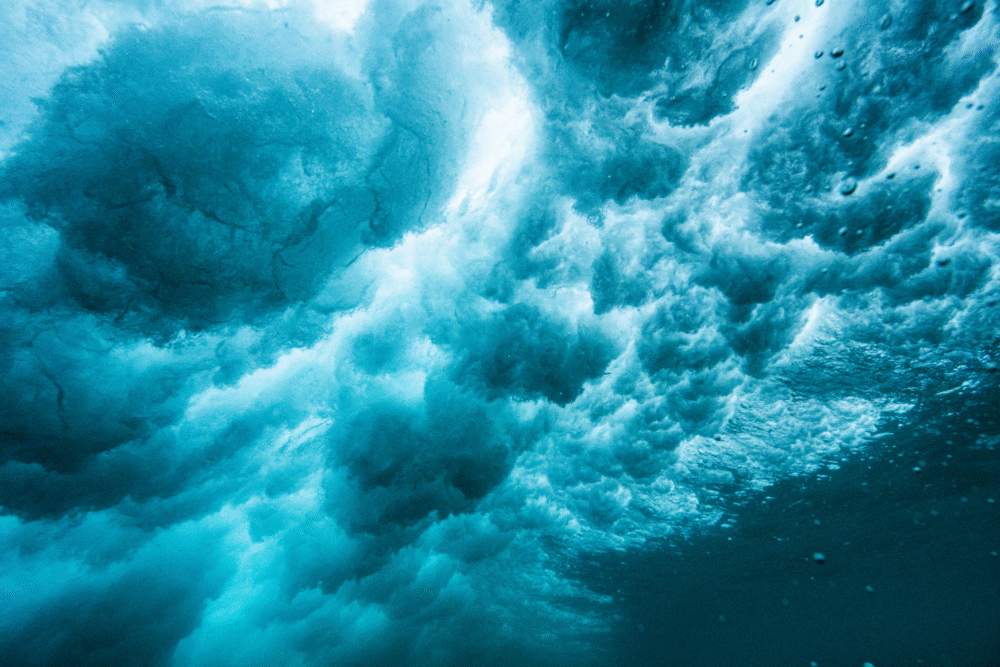
When most people picture a tsunami, they imagine massive walls of water crashing onto shore. Internal tsunamis, however, happen out of sight. These colossal waves roll through layers of the ocean instead of across the surface, making them nearly invisible to the human eye. Despite this, they can be hundreds of feet high and travel vast distances.
Because they move underwater, internal tsunamis don’t look like the crashing waves we know. Instead, they push entire layers of the ocean up and down. That invisible power can disrupt ecosystems, stir up nutrients, and even influence global weather.
2. These underwater waves can dwarf even the most powerful surface tsunamis
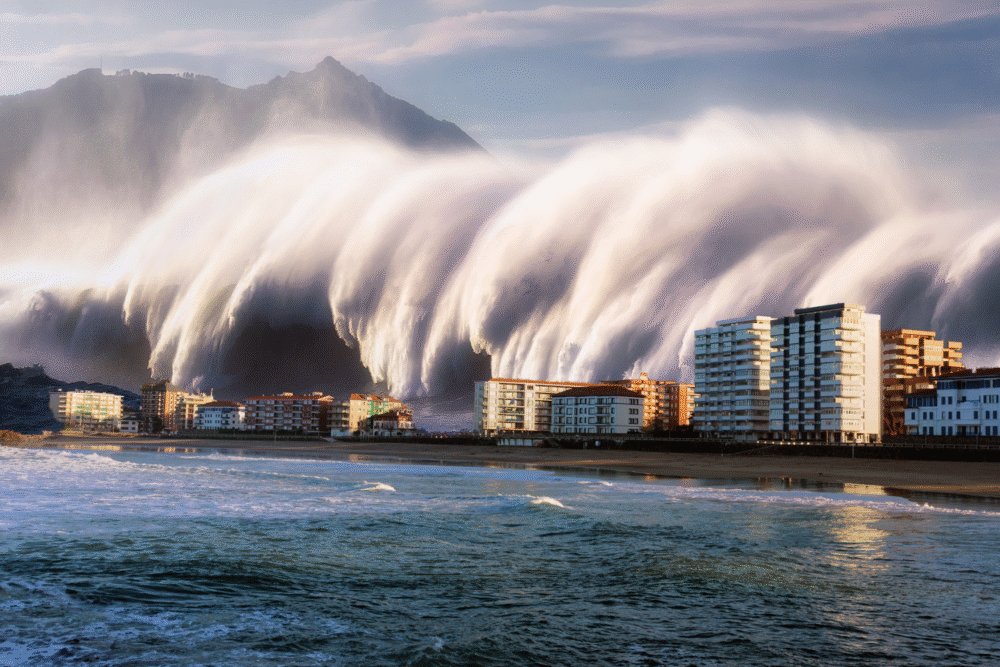
Internal tsunamis may not look as dramatic as the giant waves we see on land, but they can be even bigger. Some rise hundreds of feet tall as they travel through the water’s hidden layers. To compare, many surface tsunamis caused by earthquakes or landslides are much smaller in scale. The difference is that we rarely notice internal tsunamis because they happen in the ocean’s depths.
Scientists measure these waves using instruments, not by sight. Their sheer size makes them important forces in the ocean. They can carry immense amounts of energy, changing the way the seas behave.
3. Internal tsunamis are triggered by shifting tides and underwater geography
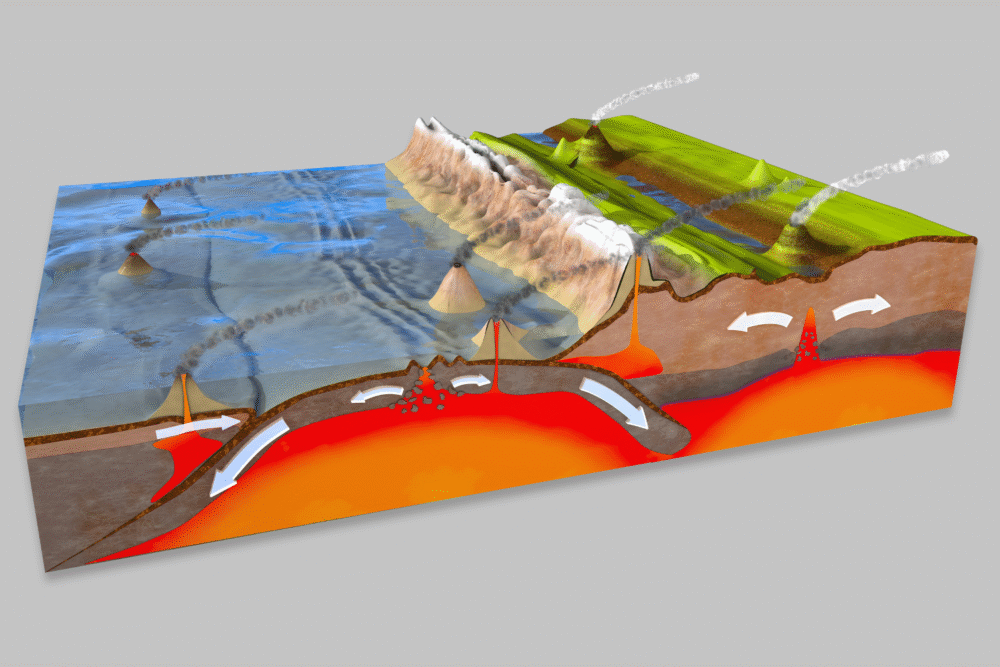
These mysterious waves don’t usually start with earthquakes. Instead, they’re triggered when tides interact with underwater features like ridges, seamounts, or continental slopes. As tides push against these features, they displace layers of water and set off massive underwater waves. In a way, the ocean’s geography acts like a hidden stage for these dramatic movements.
That’s why internal tsunamis are often found in places with rugged seafloor landscapes. The movement of water over these underwater “mountains” sets the waves in motion, making them a natural but overlooked part of Earth’s ocean system.
4. They can travel thousands of miles without anyone noticing
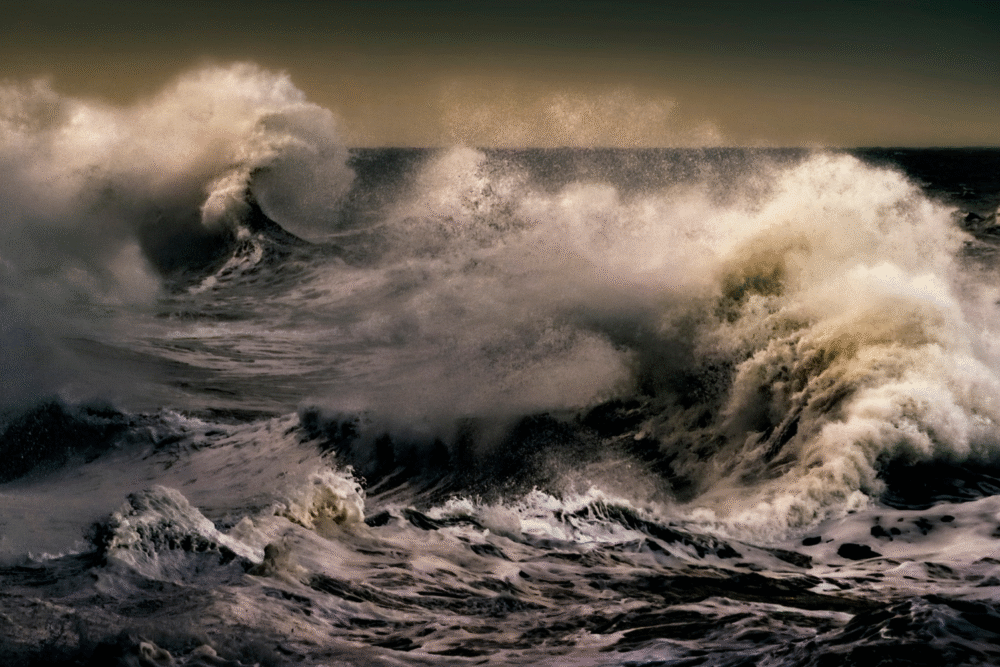
One of the most fascinating things about internal tsunamis is how far they can go. These waves are so powerful they can travel thousands of miles beneath the surface without losing much strength. Yet because they’re invisible to the naked eye, most people never even know they’re happening.
The waves don’t cause destruction like surface tsunamis do when they hit land. Instead, they quietly move through the ocean, shaping currents and redistributing heat and nutrients. That silent, long-distance journey makes them an essential but hidden piece of how the ocean works.
5. Internal tsunamis play a big role in mixing the ocean’s layers
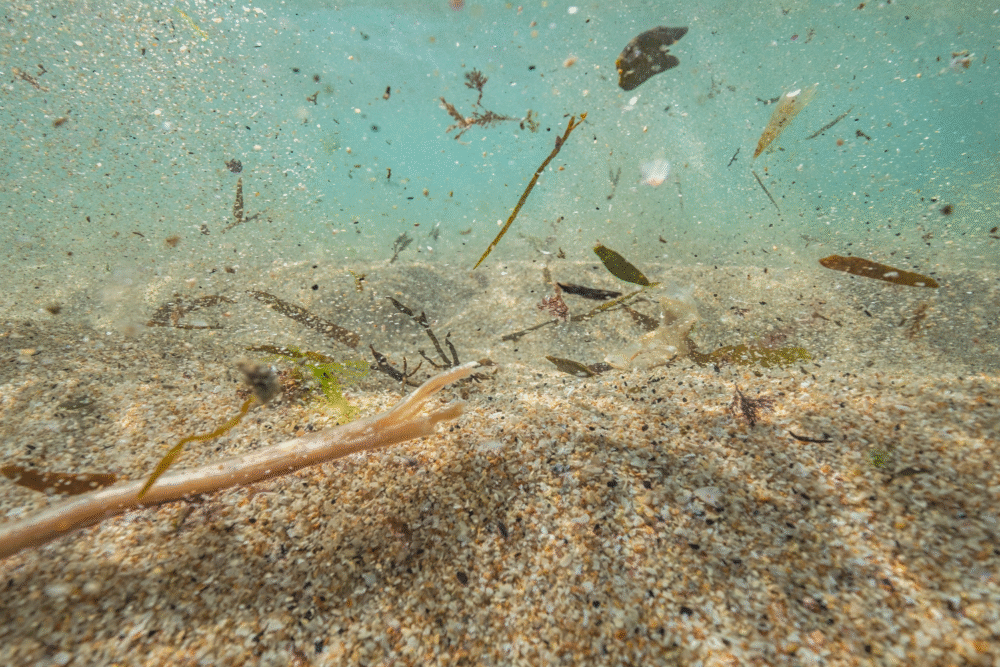
Our oceans are made up of different layers, with warm water on top and colder, denser water below. Normally, those layers don’t mix much. Internal tsunamis, however, shake things up. Their massive movement can blend layers together, pulling nutrients upward and sending heat downward.
This mixing helps regulate temperatures and feeds marine life. Without it, many ecosystems wouldn’t get the nutrients they need. So while they may be invisible, internal tsunamis are crucial for maintaining balance in the ocean and supporting countless forms of sea life.
6. They can affect global climate in surprising ways
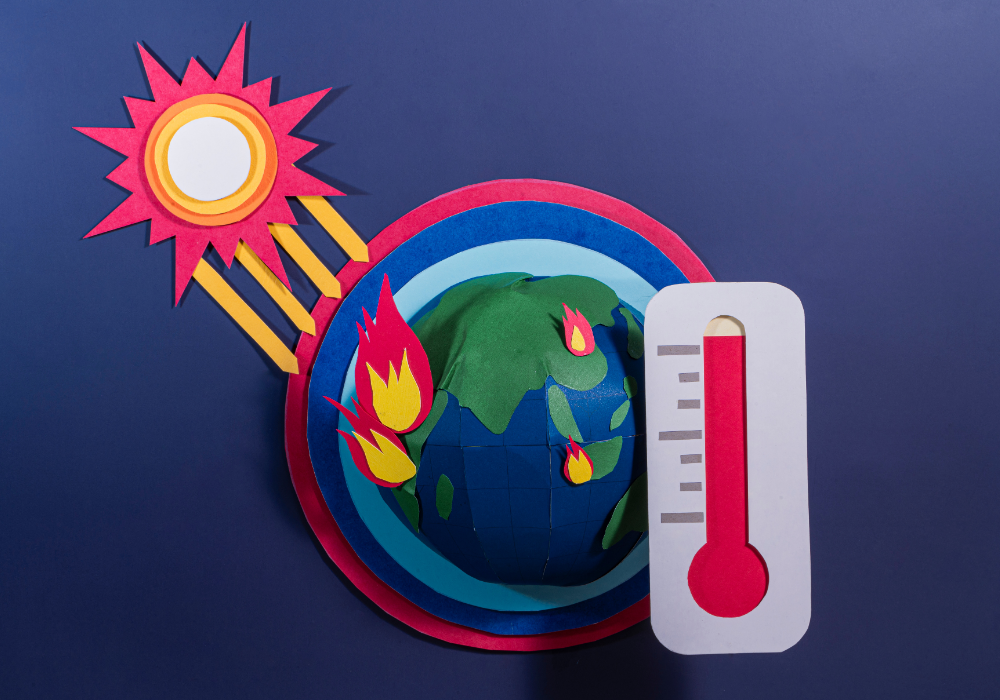
It may sound surprising, but internal tsunamis don’t just affect the ocean—they influence our climate too. By mixing warm and cold waters, they help regulate how heat is stored and moved around the planet. This process can have ripple effects on weather systems, storm patterns, and even long-term climate change.
For example, the way heat is distributed in the ocean directly affects how much energy fuels hurricanes or El Niño events. Scientists are learning that without internal tsunamis, Earth’s climate system might look very different—and potentially less stable.
7. Internal tsunamis can be dangerous for submarines and offshore operations
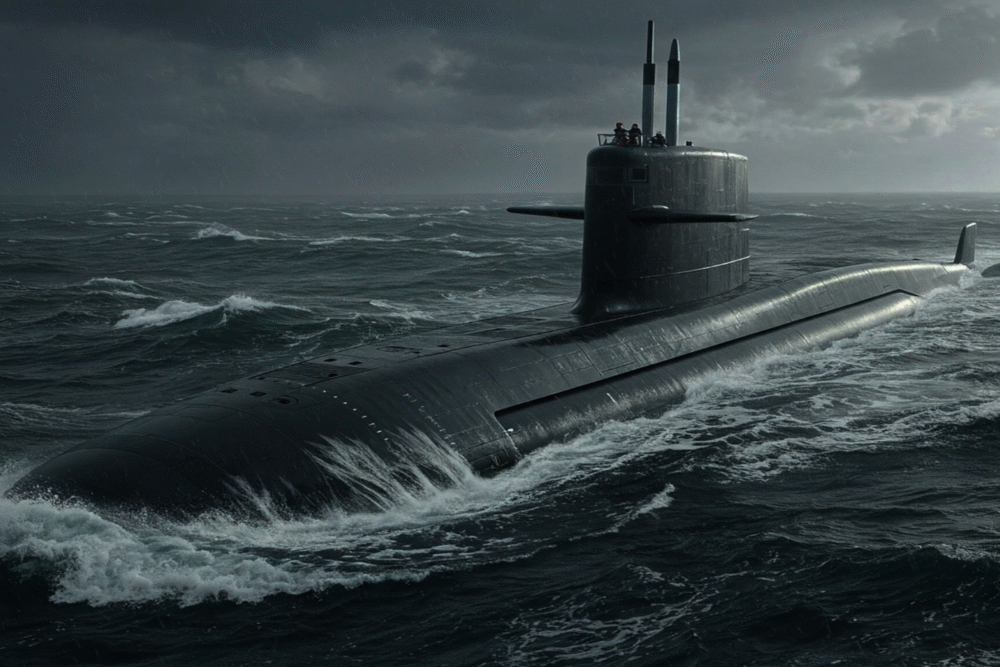
While these waves rarely pose a threat to people on land, they can be risky for those at sea. Submarines, offshore drilling platforms, and underwater cables may all be affected by the sudden shifts caused by internal tsunamis. Because they happen below the surface, detecting them in real time is extremely difficult.
A strong internal tsunami can cause rapid changes in water pressure and currents. For a submarine or deep-sea operation, that can be dangerous. Engineers and scientists work to better understand these waves so they can prepare for potential risks.
8. These waves have been spotted in hotspots around the world
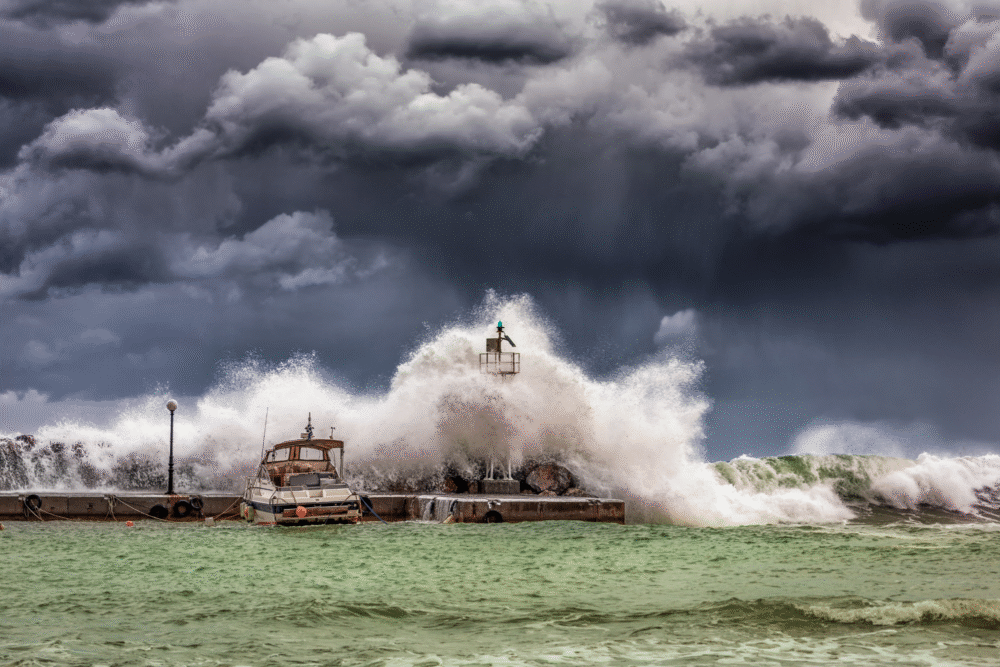
Internal tsunamis aren’t rare—they’ve been recorded in many oceans, including the South China Sea, the Atlantic, and the Pacific. Some regions with steep underwater ridges or continental slopes experience them more often. For example, the Luzon Strait between Taiwan and the Philippines is a well-known hotspot.
In fact, satellites can sometimes detect internal tsunamis indirectly. They leave subtle surface patterns on the water, like faint ripples or streaks. Those traces help scientists locate where these giant hidden waves are happening across the globe.
9. They may be linked to mysterious “rogue wave” activity at the surface
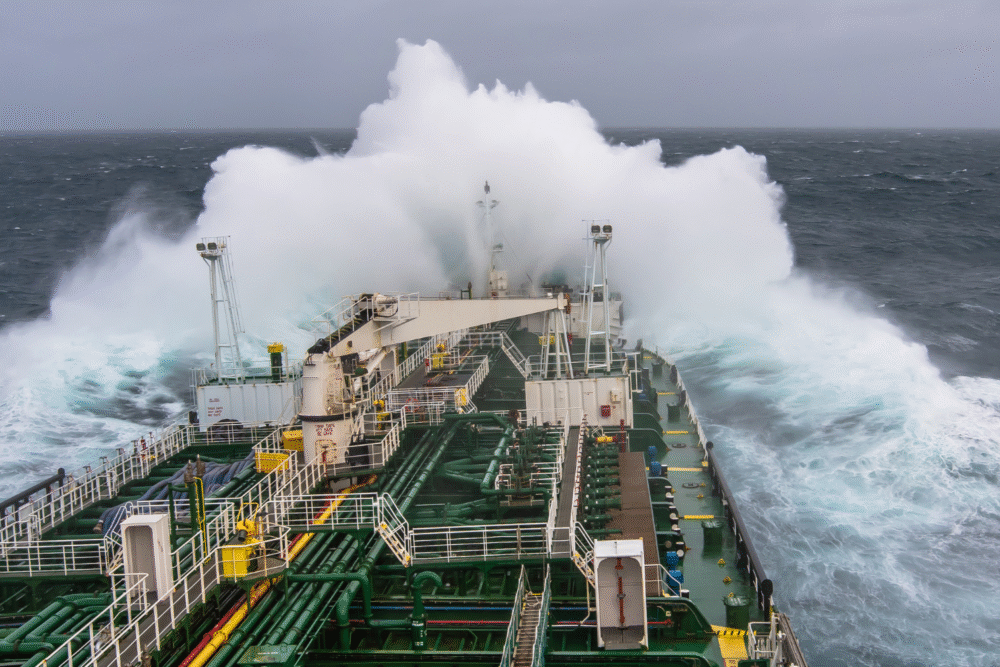
Some scientists believe internal tsunamis could explain strange ocean events, like rogue waves. These enormous, unexpected waves appear suddenly at the surface, often with destructive power. While not all rogue waves come from internal tsunamis, some researchers think the underwater movements might transfer energy upward and trigger them.
This theory adds another layer of mystery. If true, it would mean the hidden dynamics deep below the surface can create hazards far above. It’s a reminder that the ocean’s secrets often connect in unexpected ways.
10. Studying internal tsunamis helps protect coastal communities
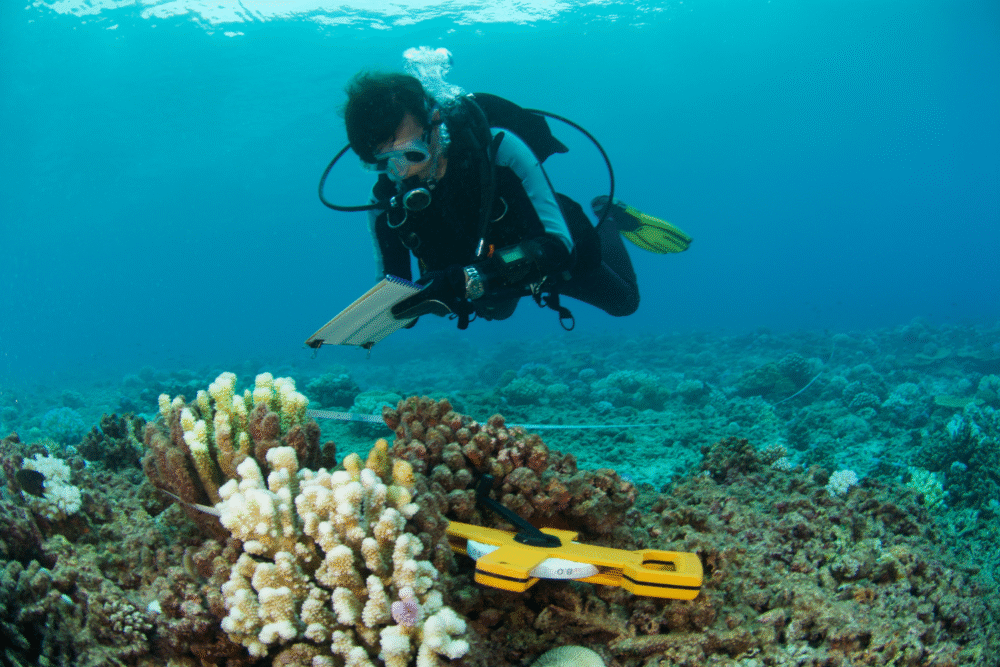
Even though internal tsunamis don’t usually crash onto shore, understanding them matters for people on land. They influence coastal currents, nutrient flows, and even how pollutants spread. All of these factors affect fishing industries, marine ecosystems, and local weather conditions.
By studying internal tsunamis, scientists can better predict changes in coastal waters. This knowledge helps communities prepare for impacts that might otherwise seem mysterious or sudden. In short, research on these hidden waves has very real consequences for life along the coasts.
11. They remind us how little we truly know about the ocean
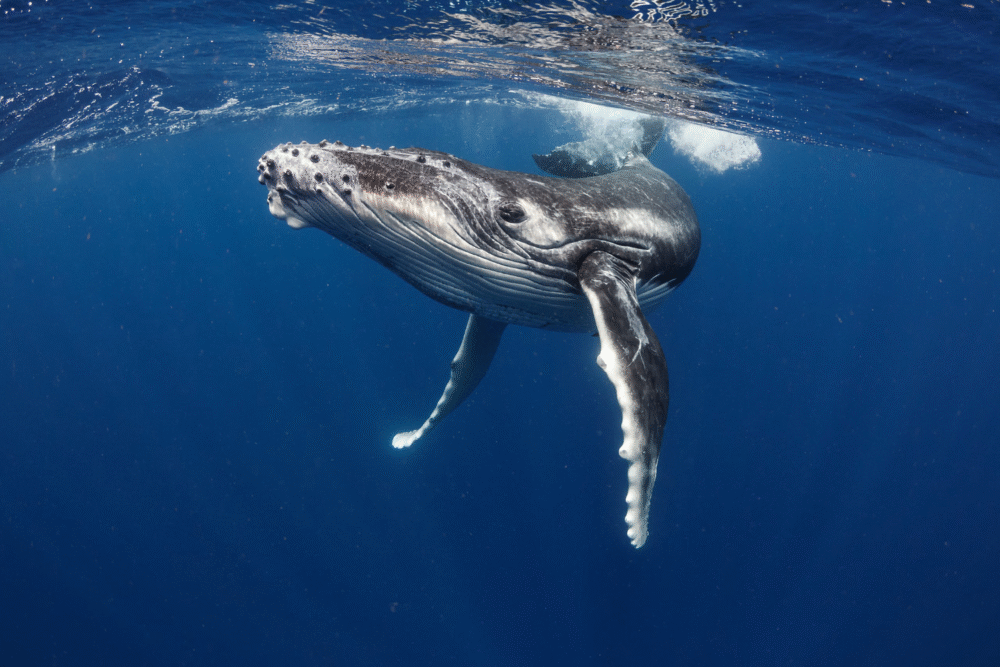
The ocean covers more than 70 percent of Earth, yet so much of it remains unexplored. Internal tsunamis are just one example of powerful forces that remain mostly hidden from public view. For many years, their existence wasn’t even widely recognized outside scientific circles.
These waves show how the ocean still holds secrets capable of surprising us. They’re a reminder that our planet is constantly moving and changing in ways we can’t always see. The more we learn, the more we realize there’s still much left to uncover.