
The hidden ocean clash fueling storms, floods, and chaos along vulnerable shores.

The ocean isn’t as calm and steady as it looks from the shore. Beneath the surface, enormous currents are constantly clashing, pulling in opposite directions like rival heavyweights. Their fight isn’t loud or obvious, but the fallout reaches far beyond the water. From sudden shifts in weather to changes that creep in over decades, this underwater power struggle quietly decides what life is like along the coasts—and sometimes, whether it’s safe at all.
1. Massive ocean currents work like invisible highways beneath the sea
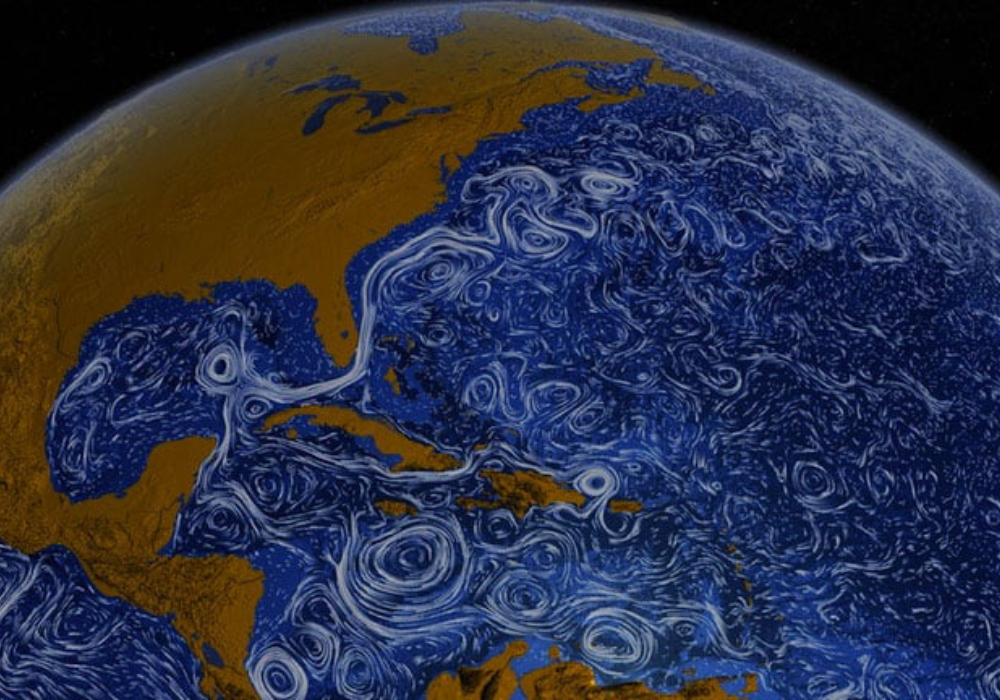
Far below the surface, giant rivers of water flow endlessly, moving heat, salt, and nutrients around the globe. These aren’t gentle streams—they’re powerful conveyors that can stretch thousands of miles and influence weather systems far away.
When two of these colossal currents cross paths, they don’t simply merge. They push and pull against one another, setting up a hidden struggle. That clash can quietly decide whether a coastline enjoys stable conditions or faces unpredictable swings that affect everything from daily temperatures to storm intensity.
2. Warm and cold waters collide in ways that reshape the air above
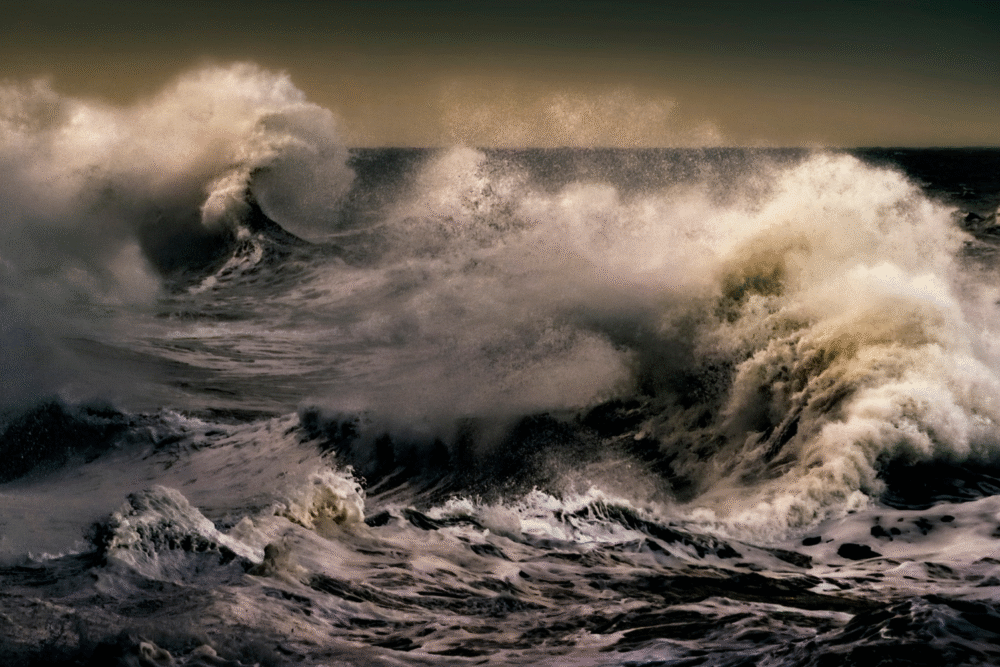
When a warm current meets a cold one, the contrast triggers a dramatic exchange of energy. The ocean releases heat into the atmosphere, which can fuel storms, alter winds, and shift rainfall patterns.
This invisible hand often explains why some coastlines feel humid and storm-prone while others stay dry or foggy. The meeting of these waters acts like a spark in a powder keg, setting off atmospheric changes that ripple outward. Over time, these differences build up, shaping entire climates along the shorelines that sit in the middle of the fight.
3. Cities near strong currents face extreme weather risks year after year

Coastal cities aren’t just close to the sea—they’re directly in the path of ocean-driven change. When currents compete, they create instability that can amplify storm surges, hurricanes, or long stretches of abnormal heat.
The trouble is that these risks don’t happen just once. They recur, season after season, leaving cities vulnerable to repeated damage. This constant exposure forces communities to adapt faster than they’d like, whether it’s reinforcing infrastructure, raising flood barriers, or facing the possibility of permanent loss of homes and businesses.
4. Ocean clashes quietly decide where hurricanes gather their strength
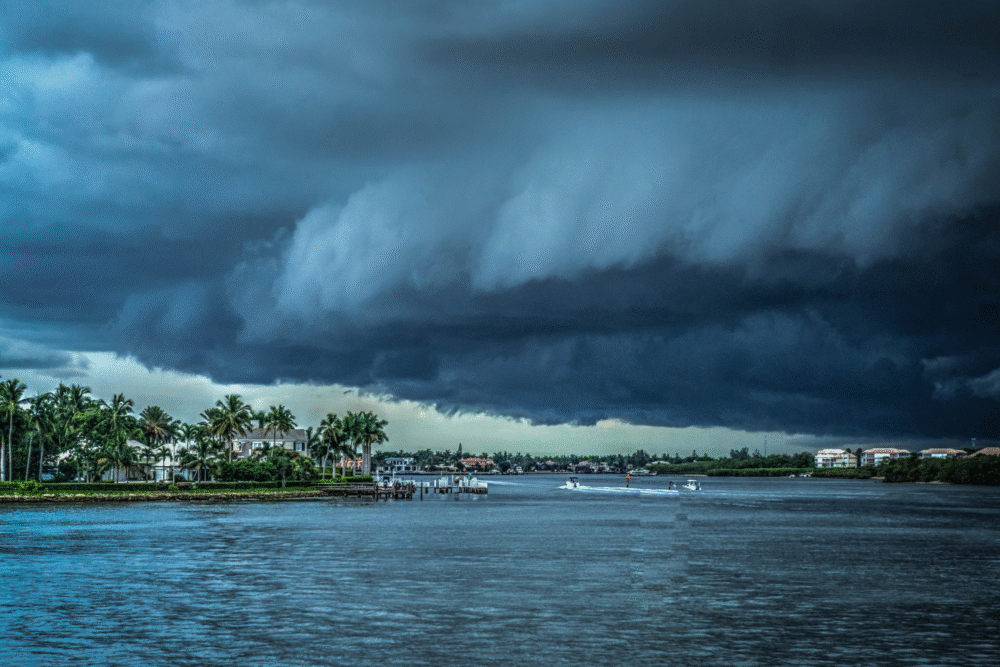
Tropical storms and hurricanes thrive on heat. Warm currents act like fuel tanks, pumping energy upward into developing systems. But when colder currents interfere, the story shifts, and storms can lose their power—or suddenly explode in strength.
This tug-of-war is why one coastline might face storm after storm, while another just a few hundred miles away is spared. The deciding factor isn’t luck—it’s which current wins the hidden battle beneath the surface, and how much fuel that current delivers into the atmosphere above.
5. Fog, wind, and sudden cold snaps often trace back to dueling currents
If you’ve ever wondered why coastal weather can turn on a dime, look to the sea. When competing currents bring cold and warm water together, the clash creates fog banks, shifting winds, or abrupt drops in temperature.
For city residents, these changes feel random. But scientists know they’re the product of two powerful systems colliding just offshore. This unseen battle doesn’t just affect short-term conditions. Over years, it can define entire weather patterns that come to characterize a region’s identity.
6. Fisheries thrive or collapse depending on which current dominates
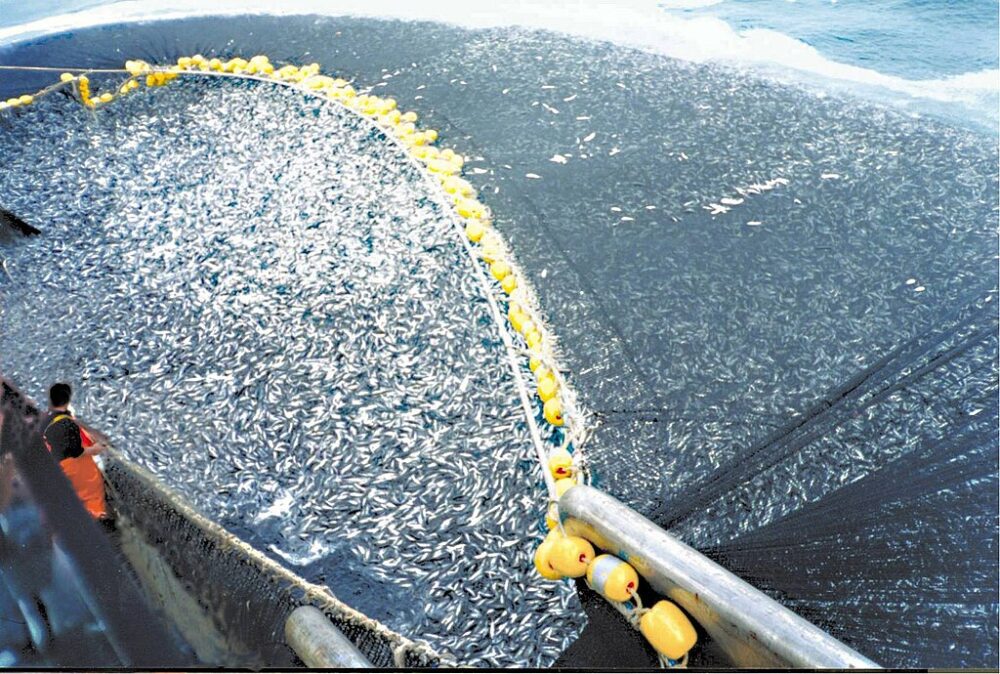
Beneath the surface, the fight between warm and cold currents also determines whether nutrient-rich water reaches the coast. Cold currents often deliver the oxygen and minerals sea life needs, while warm ones may starve those systems.
When the balance tips, fisheries can boom—or collapse almost overnight. For coastal cities that depend on fishing industries, this makes the clash of currents an economic gamble. Jobs, food supplies, and local traditions hang in the balance, dictated by which ocean force comes out on top.
7. Heatwaves and droughts on land are tied to the sea’s hidden battles
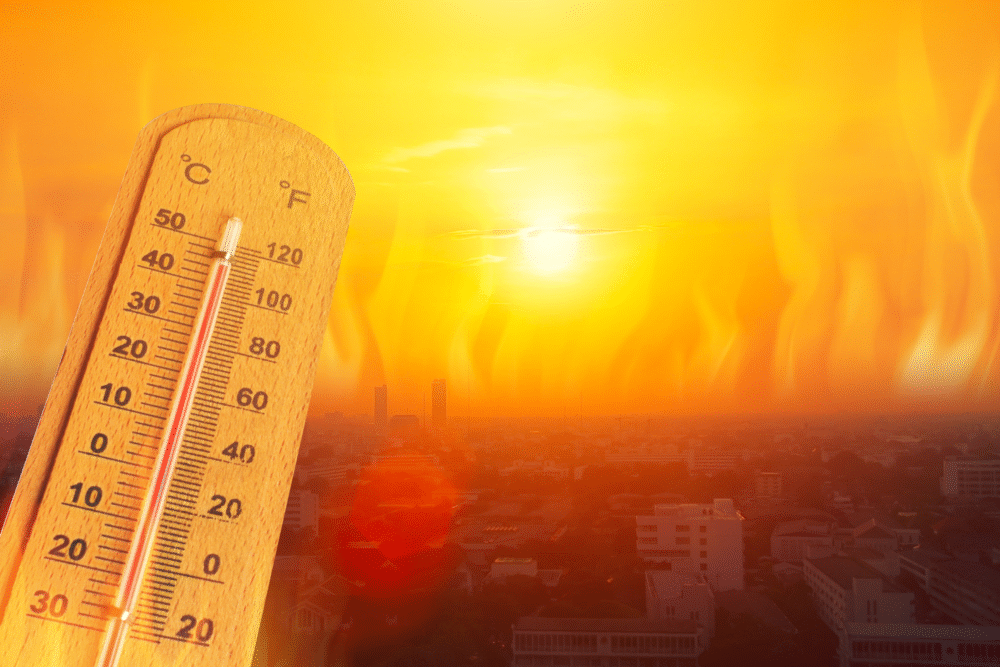
It may seem strange, but events in the ocean often echo inland. When currents compete, the exchange of heat changes wind paths and rainfall patterns that stretch hundreds of miles away.
The result can be prolonged droughts, dangerous heatwaves, or unexpected floods far from the coastline. For city residents, it’s a reminder that the ocean’s reach doesn’t stop at the beach. Its unseen struggles are powerful enough to bend weather systems and rewrite how communities live day to day.
8. Competing currents raise the stakes for sea-level rise along coasts
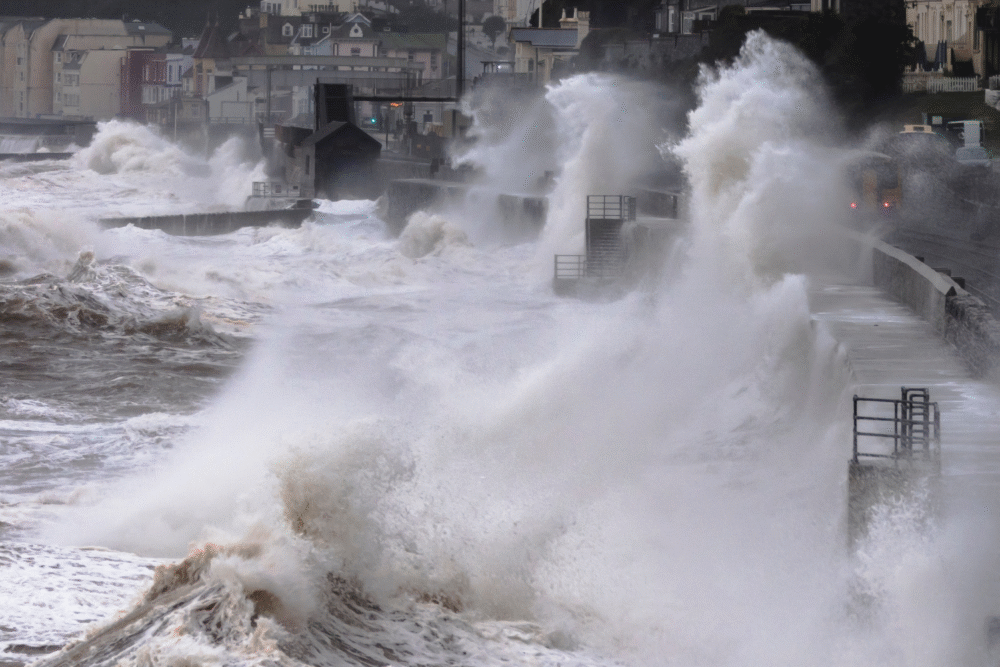
Rising seas aren’t uniform—they’re influenced by how currents push and pull water across the globe. In some regions, clashing currents pile water higher against the coast, worsening flooding far beyond the global average.
This means two cities just a few states apart may face very different levels of threat. One may adapt with modest seawalls, while the other watches tides creep into neighborhoods much faster. The currents’ hidden battle shapes not just daily weather, but the very survival of coastal landscapes.
9. The ocean’s power struggle fuels dangerous feedback loops in the climate
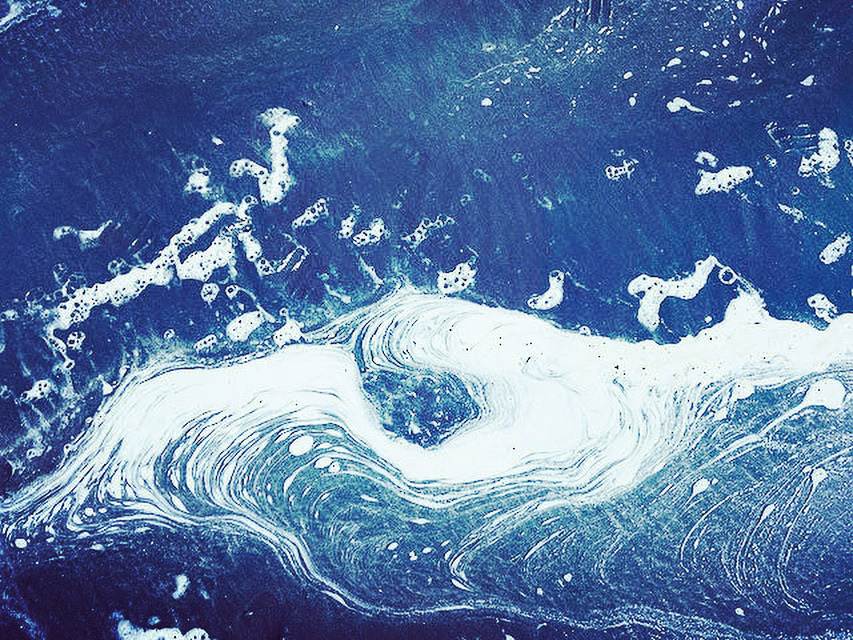
When currents shift or collide, they can trigger chain reactions. A warming current may intensify storms, which in turn disturb ecosystems, changing how heat is absorbed or released by the ocean.
These feedback loops don’t end quickly. Once set in motion, they can amplify existing problems, making cities more vulnerable year after year. This makes the clash between two currents not just a local issue, but part of a larger web of climate challenges with global implications.
10. Some coastlines are winners while others become disaster zones
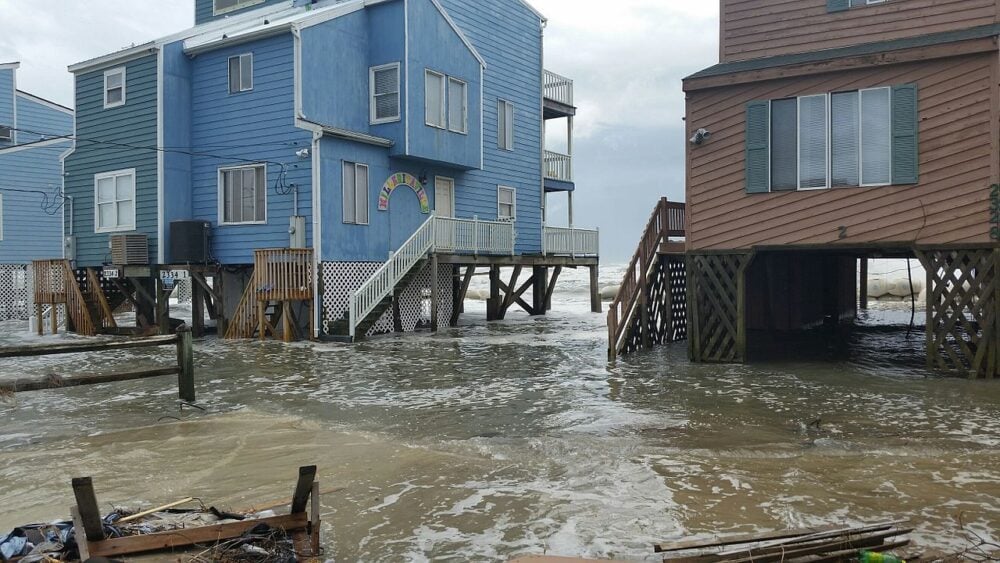
Not every city faces disaster when currents collide. Some benefit from stabilizing effects, like milder weather or nutrient boosts to fisheries. Others, however, suffer repeated storms, flooding, and economic hardship.
This uneven impact creates what scientists call “winners and losers” along the world’s shorelines. It’s a stark reminder that geography alone doesn’t decide a city’s fate. The outcome often depends on which ocean current tips the balance in that hidden struggle beneath the waves.
11. The silent ocean battle is only growing fiercer with climate change

As the planet warms, currents themselves are changing. Some are speeding up, others are slowing down, and many are shifting course in ways scientists are still trying to track.
This instability makes the clash between warm and cold currents even more unpredictable. For coastal cities, that means the stakes are rising. What once was a stable pattern may now tilt toward chaos, bringing harsher storms, faster sea-level rise, or conditions that threaten everyday life for millions of people.