
Discover the top cities where large hailstorms cause major damage and hefty repair bills.
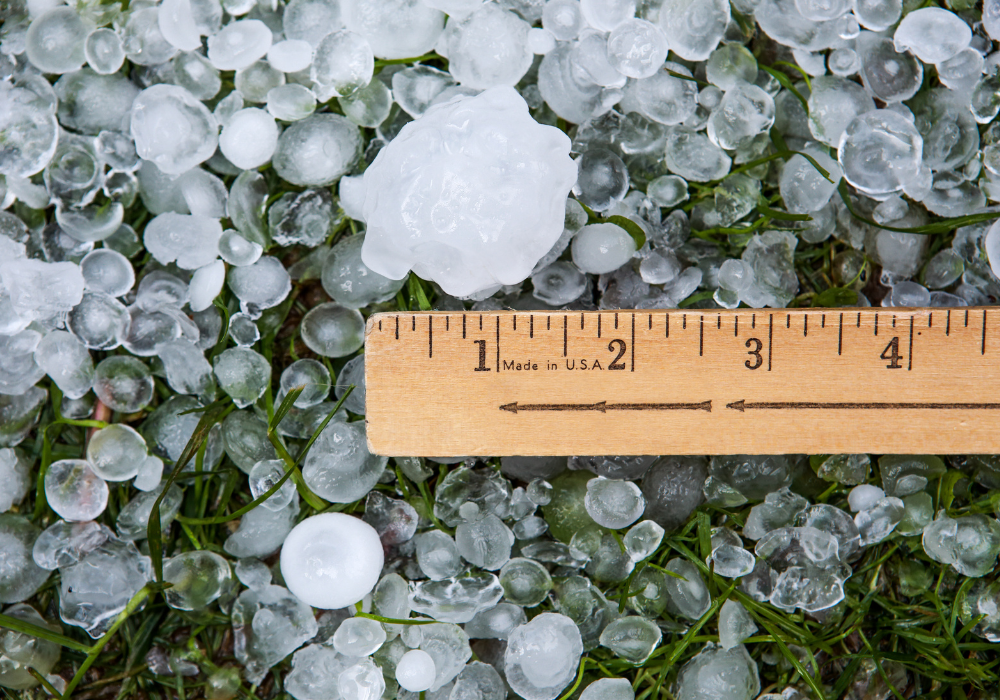
Hailstorms can vary greatly across different regions, sometimes causing extensive damage in certain cities. Understanding which urban areas face the heaviest hail and the resulting financial impact helps highlight the importance of preparedness. These cities often deal with frequent severe hail events that damage vehicles, homes, and infrastructure, driving up insurance claims and repair costs. Recognizing local hail patterns can aid in anticipating and mitigating risks effectively.
1. Denver experiences frequent large hail causing significant property damage.
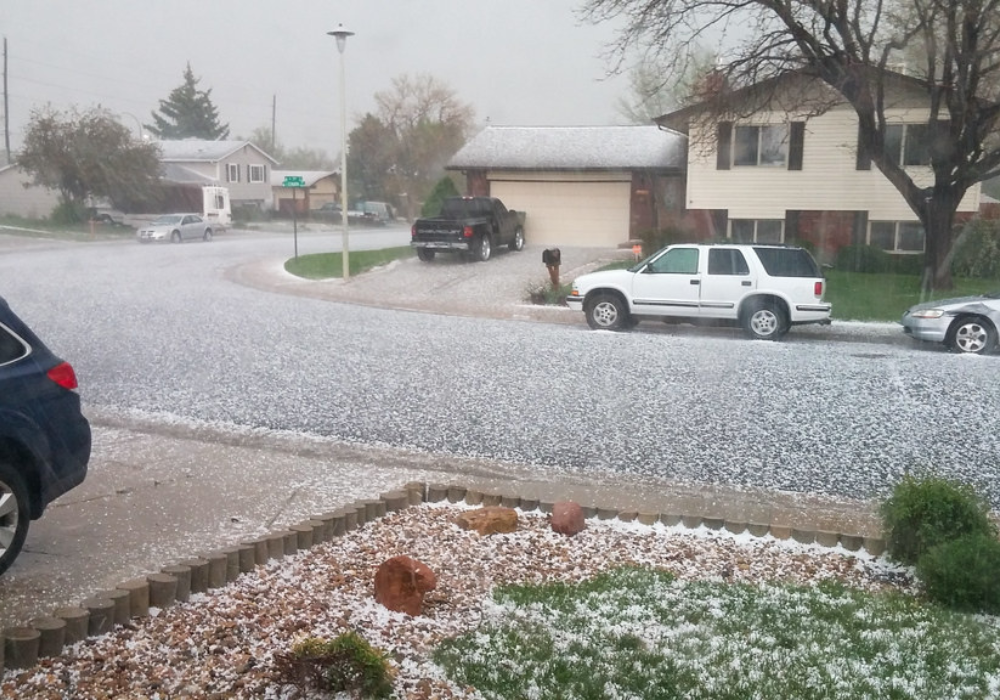
Denver sits on the edge of the Rocky Mountains, where complex weather patterns often lead to frequent, large hailstorms. These storms can result in substantial property damage. Add in strong winds, and hailstones can smash windows, dent cars, and compromise rooftops.
The city’s location and altitude contribute to its predictable hailstorms. Frequent damage requires residents and businesses to invest in robust insurance plans tailored to cover these specific weather hazards. Understanding local climate patterns helps in anticipating when major hail events might occur, aiding in preparedness efforts.
2. Oklahoma City faces severe hailstorms that increase repair costs annually.
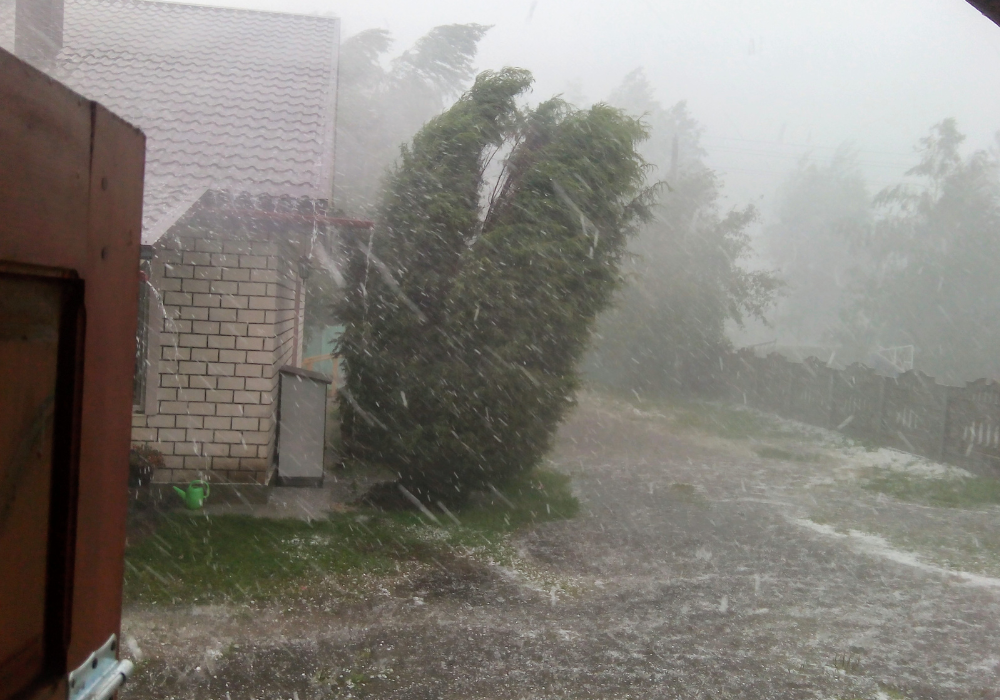
In Oklahoma City, severe hailstorms regularly batter the region, leading to increased repair costs year after year. The city’s flat terrain can exacerbate storm severity, as there’s little to break a storm’s momentum. Resulting damage often includes shattered windows and dented vehicles.
Annually fluctuating repair costs stem partly from the unpredictable nature of hail events, which can vary significantly in intensity. Insurance plans often carry special clauses for hail damage, which residents must navigate. Long-term preparedness can mitigate shock from annual repair costs, though not entirely eliminate it.
3. Dallas regularly sees massive hailstones impacting vehicles and homes.

Dallas is no stranger to massive hailstones which strike with relentless frequency, causing significant damage to vehicles, roofs, and more. Such hail can exceed two inches in diameter, making it particularly dangerous for unprotected property and structures.
The urban landscape often magnifies destruction, with denser areas seeing higher concentrations of damage in a short time. The substantial impact of these hailstones on vehicles and homes is well-documented, often requiring immediate repair measures. Understanding local hail season helps residents be better equipped for sudden outages and repairs.
4. Kansas City often encounters substantial hail leading to insurance claims.
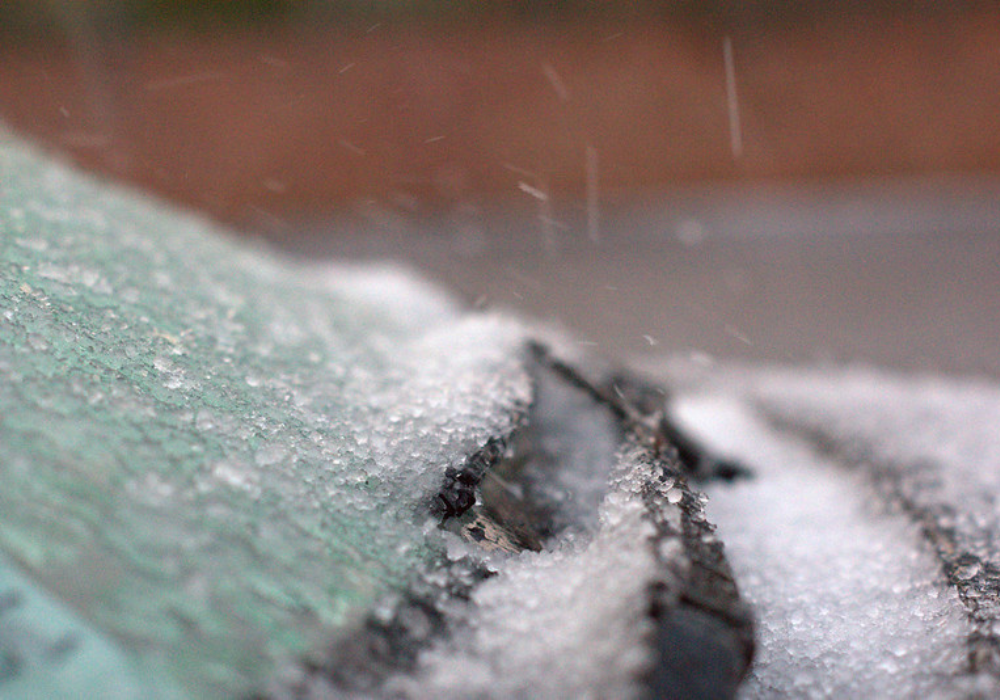
Kansas City frequently contends with significant hail, leading to a surge in insurance claims. This city lies within an area known as ‘Hail Alley’, where weather conditions frequently produce large hailstones capable of denting or piercing various surfaces.
Residents often face increased insurance premiums calculated from repetitive claims. Understanding the regional patterns of hailstorms ensures that locals have appropriate coverage and timely vigilance during peak storms. The financial burdens linked with regular hail events highlight the critical need for a proactive approach to insurance and property maintenance.
5. St. Louis is known for heavy hailstorms damaging roofs and windows.
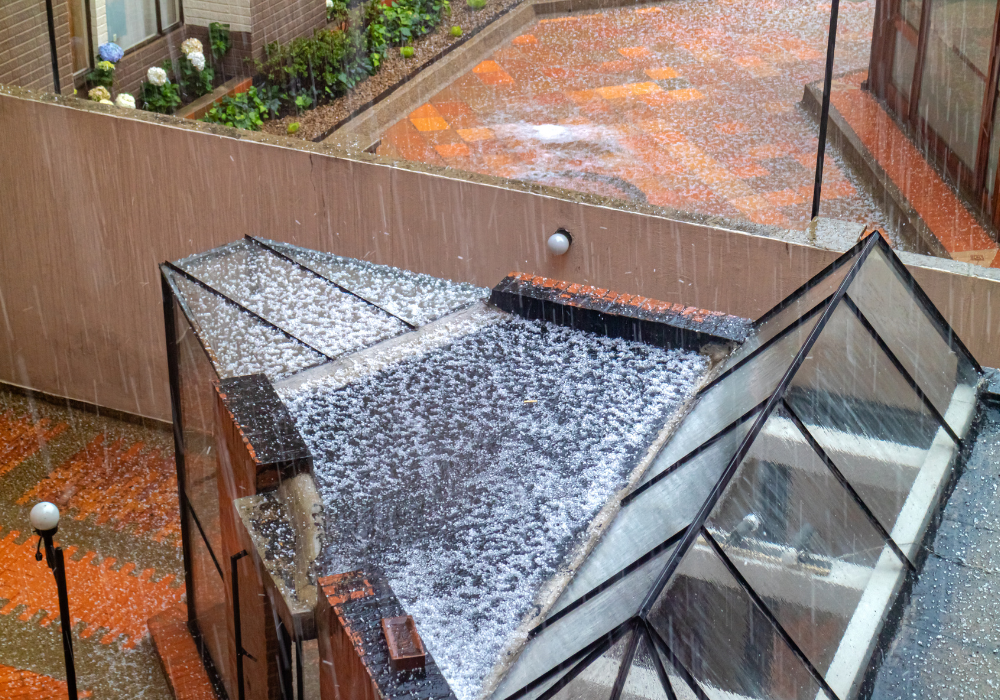
St. Louis is prone to heavy hailstorms, often resulting in extensive roof and window damage. Being situated along key storm pathways, the city is exposed to intense weather patterns that include damaging hail events requiring costly repairs.
This repeating cycle leads property owners to prioritize sturdier construction materials to withstand these storms. Weather-alert systems provide some warning, although the sudden nature of hail can still catch residents off guard. Adjustments in architecture and roofing techniques aim to reduce vulnerability over time.
6. Houston sometimes suffers from intense hail events causing costly losses.
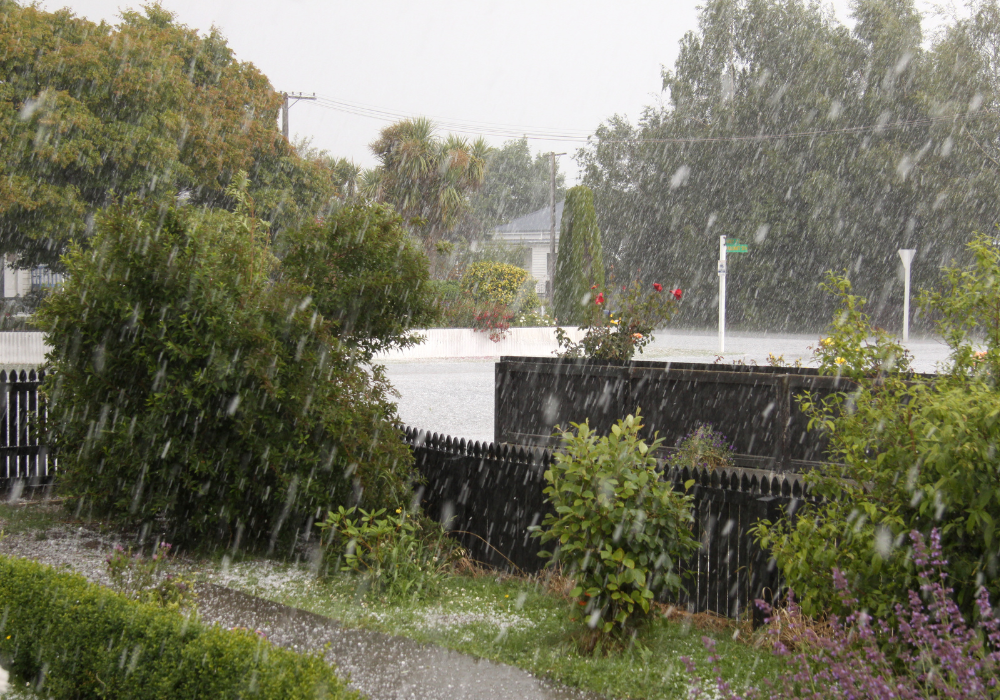
Houston occasionally suffers from intense hail events, inflicting costly financial burdens from damages. Although the city is more known for its humidity, surprising weather patterns occasionally produce immense, damaging hail, with chunks large enough to pummel cars and properties.
These unpredictable events compel residents to seek comprehensive home and vehicle insurance for protection. Hail’s sporadic nature means preparedness varies greatly among citizens, impacting how effectively property sustains damage over repeated exposures. Regular monitoring of weather forecasts becomes crucial in anticipating potential risks.
7. Tulsa regularly endures sizable hail disrupting daily life and business.

Tulsa regularly faces significant hailstorms, resulting in disruptions to daily life and business activities. Hail here can reach surprisingly large sizes, damaging commercial properties, residences, and vehicles, leading to unplanned economic impacts and repairs.
These storms can interrupt business operations, emphasizing the broader consequences beyond just physical damage. Residents and businesses often reevaluate their insurance and structural investments to withstand future events better. Staying informed of local storm patterns and alert systems becomes essential for efficient community recovery and resilience.
8. Memphis experiences occasional giant hail damaging outdoor structures severely.
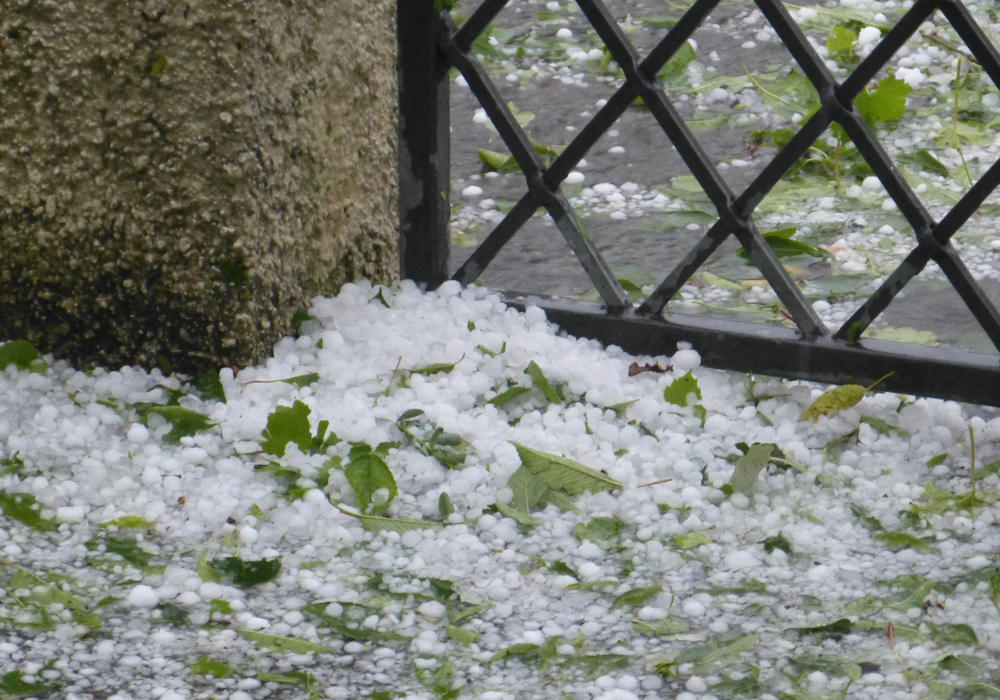
Memphis occasionally experiences giant hail that severely damages outdoor structures like patios and decks. Although less frequent, these colossal hailstones cause abrupt destruction, leaving clear paths of ruined materials in their aftermath.
The infrequency of such events may lead some residents to overlook the need for preventive measures, yet when they occur, they can cause unexpected expenses. Construction using durable materials might help reduce damage, while insurance plays a pivotal role in managing repair costs following these intense hail episodes.
9. Colorado Springs faces recurring hail that damages cars and landscaping.
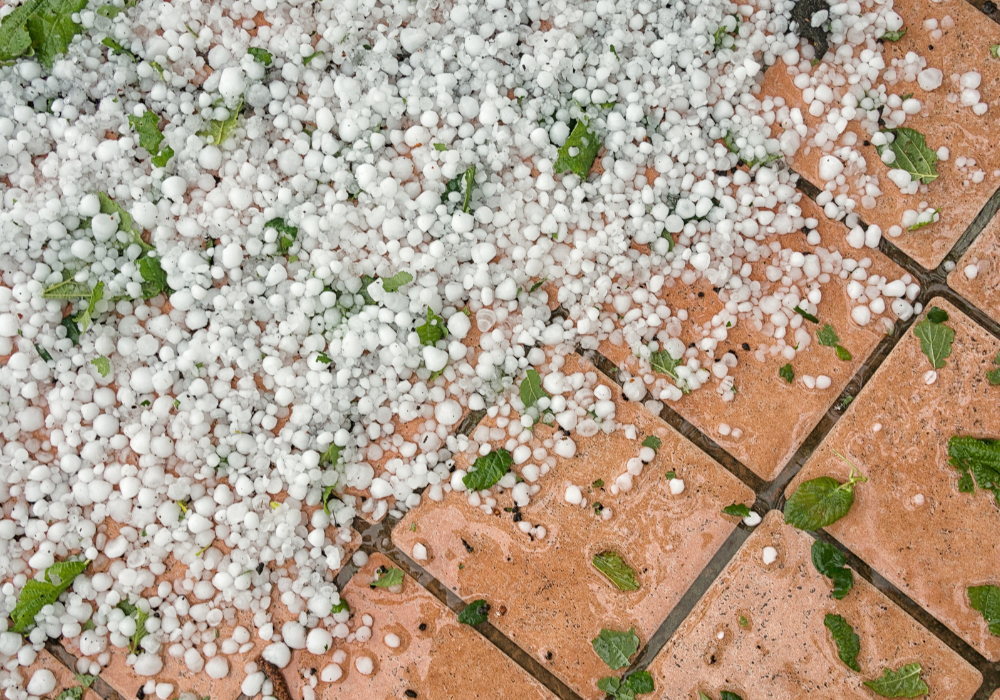
Recurring hail in Colorado Springs impacts vehicles, landscapes, and more due to its geographic location within a high-risk hail zone. Hailstones here can grow larger, with the potential to severely damage gardens, roofs, and exposed surfaces across properties.
With recurring occurrences, residents often find themselves repairing or replacing damaged landscapes and vehicles. Continuous weather monitoring and localized reports can inform timely precautionary actions. The predictable nature of these storms compels a community response that integrates preparedness into everyday living practices to safeguard long-term investments.
10. Albuquerque has instances of large hail leading to expensive repairs.
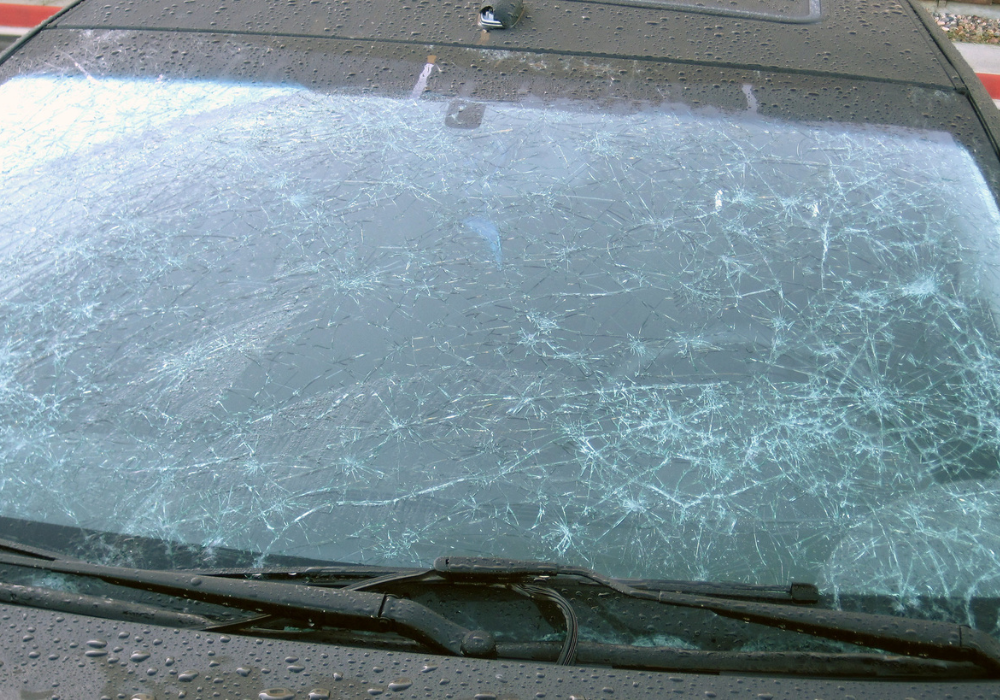
Albuquerque sometimes experiences large hail instances, resulting in expensive repairs for exposed properties. These sporadic events, though uncommon, unleash tremendous energy, denting rooftops and vehicles, and requiring prompt attention.
Repair costs skyrocket post-storm, with the surprise element contributing to sudden financial burdens. Structural reinforcements and adequate insurance policies are critical to managing these types of unexpected anomalies. Understanding historical weather data aids residents in gauging potential risks over time, despite the irregular nature of such hail occurrences.
11. Des Moines frequently records damaging hailstorms affecting residential areas.
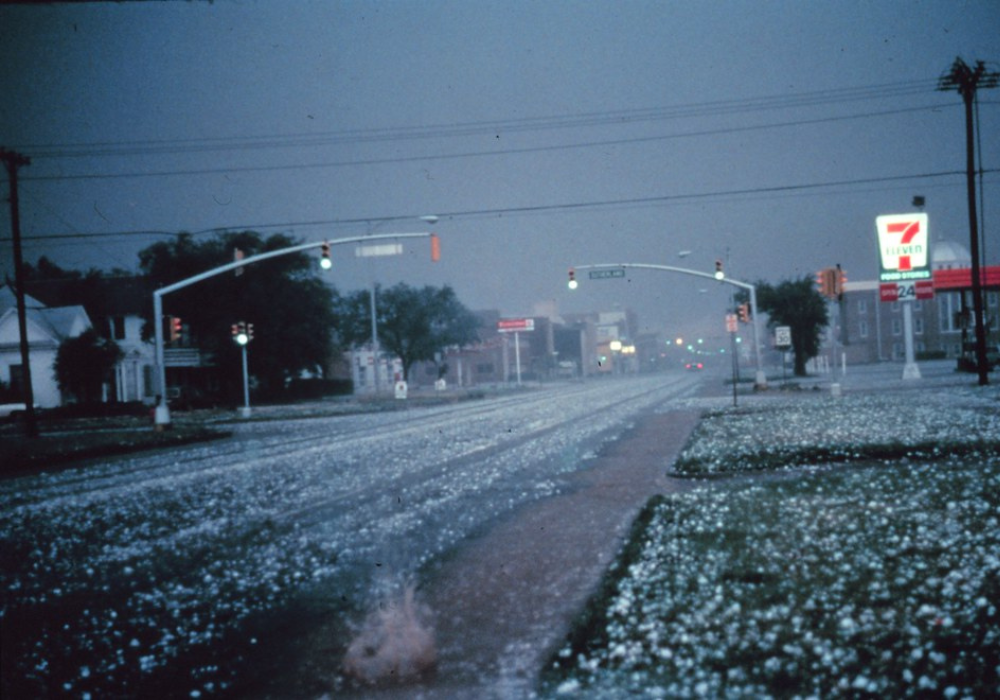
Des Moines frequently records significant hailstorms impacting residential zones, causing damage that may lead to costly repairs. Hailstones here are often large, wreaking havoc on roofs, windows, and outdoor items within minutes of a storm’s onset.
Residents contend with high repair costs and insurance claims due to the regularity of these occurrences. The city’s climate supports the formation of frequent hail, requiring a sturdy infrastructure to counteract hail’s destructive tendencies. Over time, community awareness of hail season trends supports better preparation and damage mitigation strategies.