
A new NASA forecast raises urgent questions about Earth’s most vital resource.

The air we depend on may not be as secure as we think. For decades, scientists have tracked subtle but troubling shifts in Earth’s atmosphere, and the latest warnings suggest the balance sustaining life isn’t guaranteed. It’s a chilling reminder that even the most basic things we take for granted—like breathing—can be vulnerable. When oxygen itself comes into question, the future feels far less certain than we’d like to believe.
1. NASA’s new models suggest oxygen decline could happen far sooner than expected
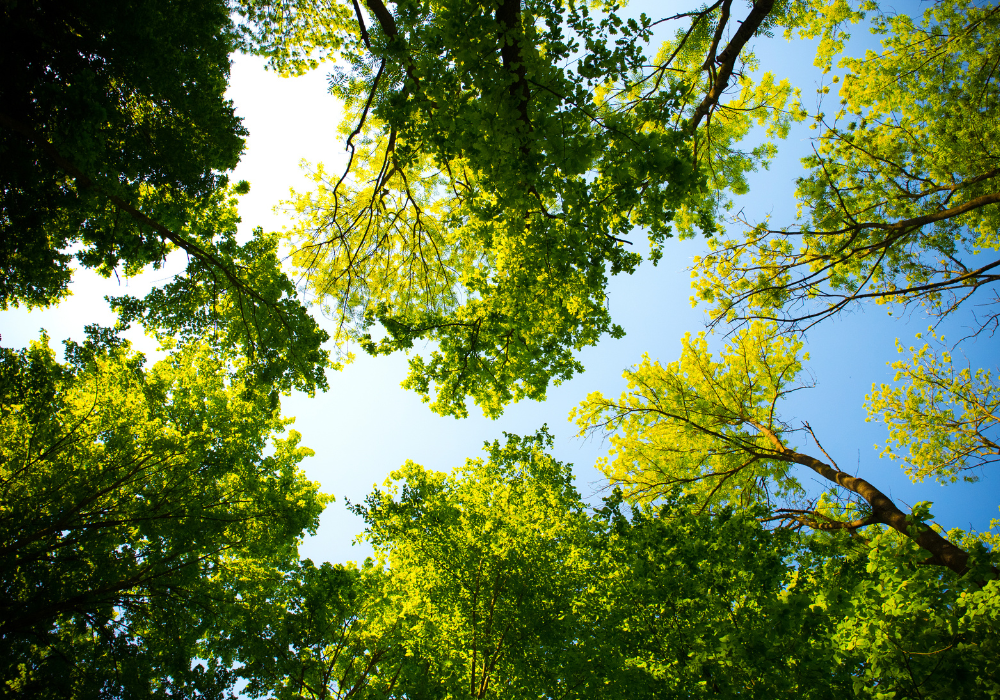
For decades, researchers believed Earth’s oxygen would remain stable for billions of years. But a 2021 study in Nature Geoscience overturned that assumption. Using advanced NASA-supported models, scientists found that Earth could face a significant oxygen decline within the next billion years—far earlier than the two-billion-year timeline once predicted.
This finding highlights just how fragile our atmosphere really is. Once certain thresholds are crossed, oxygen loss could move shockingly fast. The air we take for granted is not permanent, and even small disruptions could push Earth toward dangerous instability sooner than expected.
2. A changing atmosphere could alter life on Earth in terrifying ways
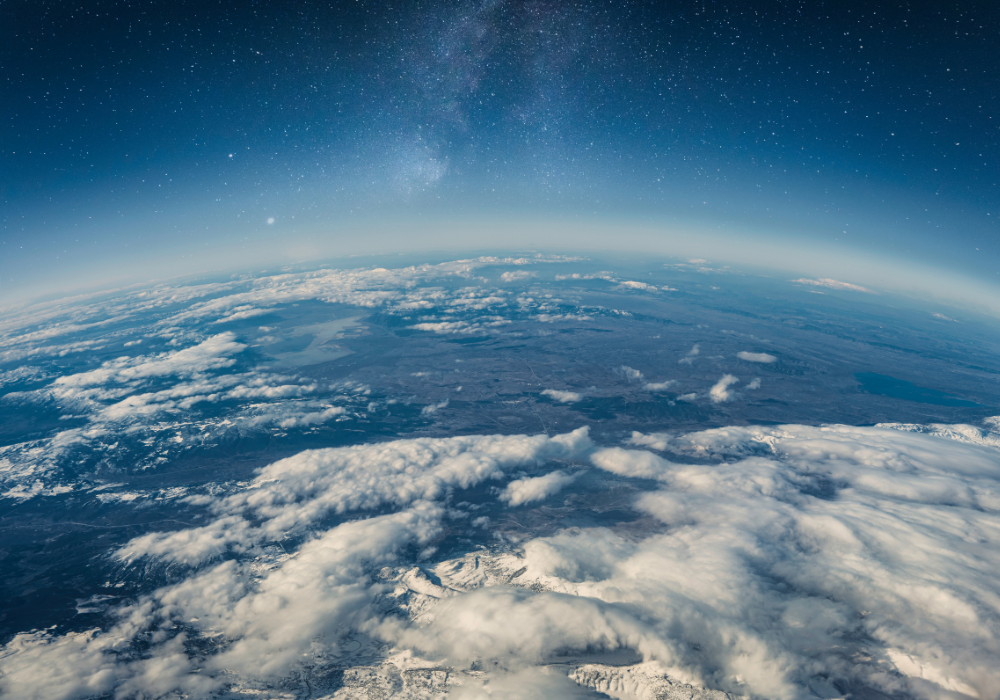
Oxygen is the foundation of life. Without it, ecosystems collapse in sequence—small organisms vanish first, plants and animals follow, and humans eventually struggle to survive. The first signs might appear subtly, but the chain reaction would spread quickly.
What makes this even more frightening is the possibility of speed. Past atmospheric changes didn’t take millions of years—they happened suddenly. If Earth’s atmosphere falters again, the shift could be fast enough to leave humanity with little room to adapt. The comfortable balance we rely on may be far more fragile than we think.
3. Ancient Earth once went through a devastating oxygen collapse
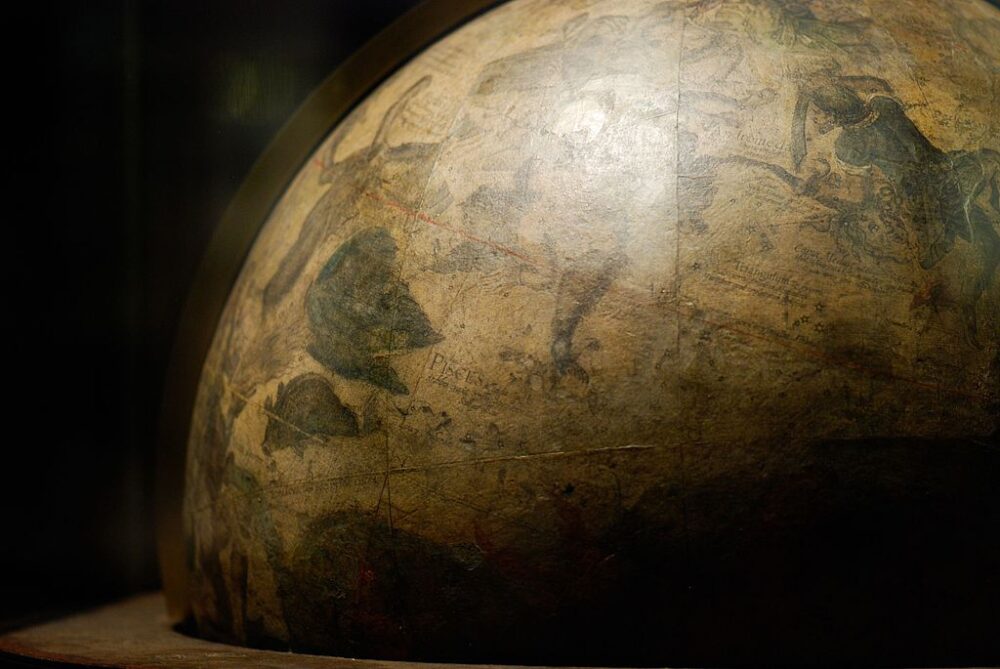
Billions of years ago, oxygen levels didn’t simply rise and remain steady. After the Great Oxidation Event boosted oxygen in the atmosphere, it later plummeted in what scientists call the Great Oxidation Collapse. This downturn was so severe that most life forms nearly disappeared.
The geological record proves this wasn’t a minor fluctuation but a global event. Earth’s past reminds us that oxygen can both surge and vanish, reshaping the planet entirely. If atmospheric collapse happened once, it could happen again, leaving today’s life forms vulnerable to a repeat of ancient history.
4. The oceans may hold the first signs of an oxygen crisis

Forests play a role in oxygen production, but oceans are the true lungs of the planet. Tiny phytoplankton generate massive amounts of oxygen, feeding Earth’s atmosphere quietly and consistently. Yet these organisms are under enormous stress from warming waters and pollution.
If phytoplankton decline, the results would be catastrophic. Oxygen levels could drop sharply, disrupting marine ecosystems and eventually the global climate. Scientists believe the oceans may provide the earliest warning signs of an oxygen collapse, acting as the canary in the coal mine for the planet’s future.
5. Warming climates may speed up oxygen depletion

Climate change doesn’t only heat the planet—it alters how oxygen circulates. Warmer water holds less oxygen, while stressed land systems absorb and recycle less of it. Together, these processes accelerate the decline, creating a dangerous cycle.
The real fear is that these changes may not unfold gradually. Once a tipping point is reached, the collapse could snowball, stripping the atmosphere of oxygen faster than humanity can adjust. Rising temperatures may already be quietly eroding the foundation of breathable air worldwide, and the pace could increase dramatically.
6. An oxygen crash could reshape human survival strategies
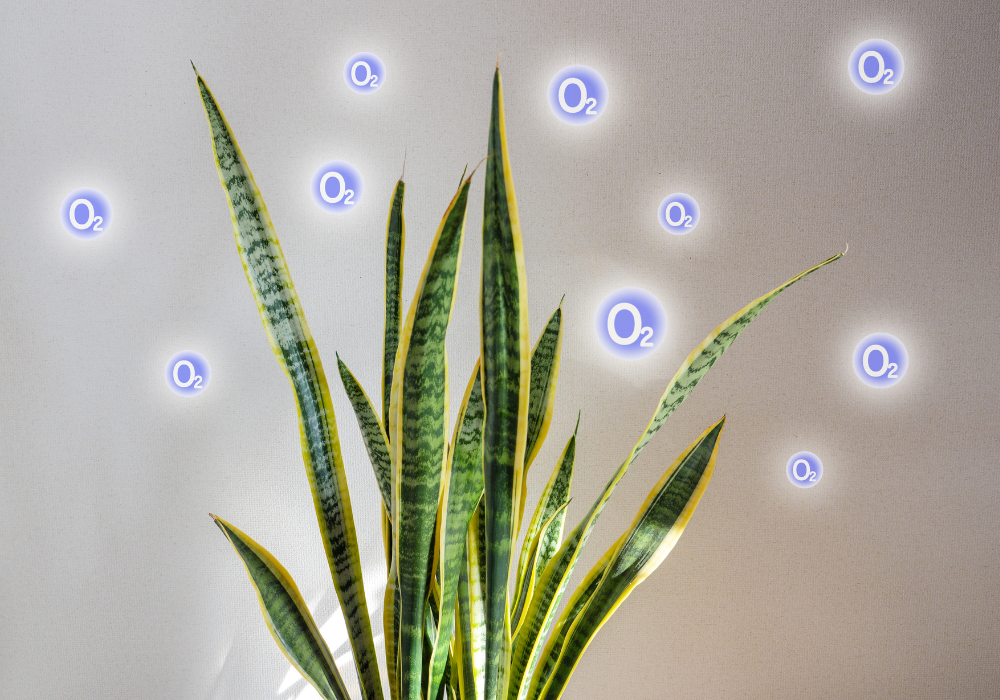
A future with declining oxygen would transform human life. Weakened health, food shortages, and collapsing ecosystems would create crises unlike any we’ve faced. Survival would require not just adaptation but entirely new ways of living.
Experts warn that technologies once limited to space travel may become essential. Artificial oxygen generators, sealed environments, and advanced energy systems could shift from science fiction to everyday necessity. Humanity would have to engineer its survival on a planet where the very air is no longer dependable.
7. Past mass extinctions may have been linked to oxygen decline
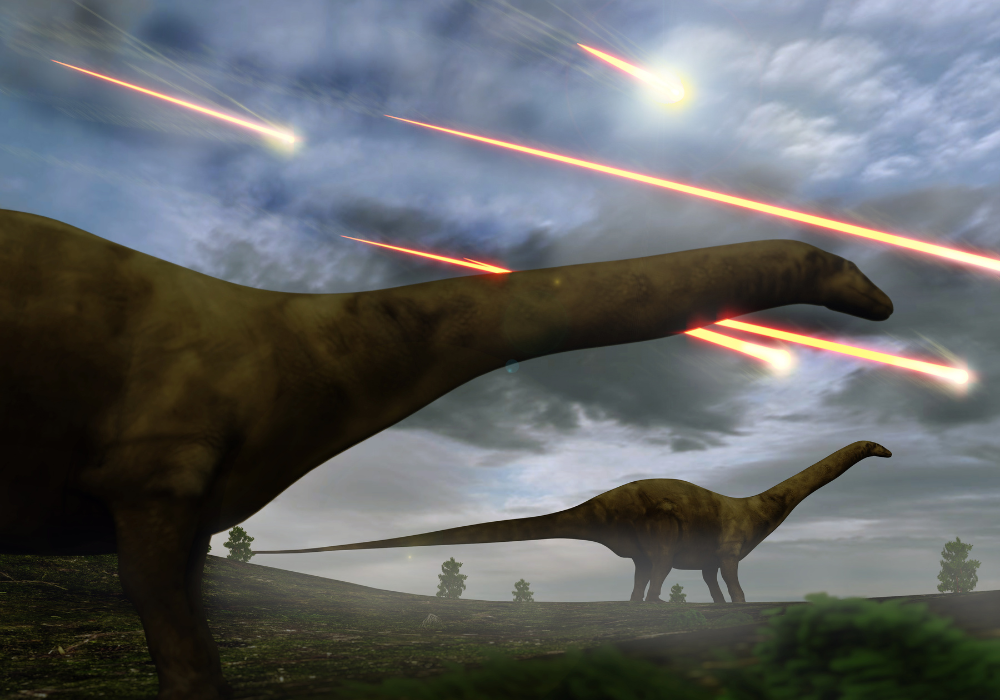
When scientists study Earth’s biggest die-offs, oxygen often emerges as a key factor. Several mass extinctions, including the devastating Permian extinction, show clear signs of sharp oxygen loss in oceans and air. These collapses wiped out most life on Earth.
That history is deeply unsettling. If oxygen decline fueled the downfall of past worlds, it could just as easily threaten ours. Civilization would not be immune to the same planetary forces that erased species before. Oxygen instability has repeatedly reshaped life, and it may do so again.
8. The smallest organisms could trigger the biggest disasters

The tiniest creatures in the oceans produce the oxygen we depend on, yet they are also the most vulnerable. Rising temperatures, acidifying waters, and toxic pollution can devastate their populations. If they falter, the chain reaction could bring devastating changes.
Losing these microscopic producers may sound like a small shift, but it would trigger consequences far beyond the seas. Earth’s oxygen supply could unravel quickly, leaving humanity scrambling for solutions. The fate of the planet’s atmosphere may rest in the survival of the smallest forms of life.
9. Once oxygen loss begins, it may happen with shocking speed

One of the most frightening possibilities is not just that oxygen decline will occur, but how quickly it could happen. Geological records suggest that atmospheric shifts in Earth’s past unfolded at a pace far faster than expected.
That history suggests the same could happen today. A slow decline might give humans time to adapt, but a sudden collapse would leave civilization in chaos. The idea that oxygen levels could plummet within a human timescale makes the threat feel immediate and impossible to ignore.
10. Human activity is pushing Earth closer to the brink
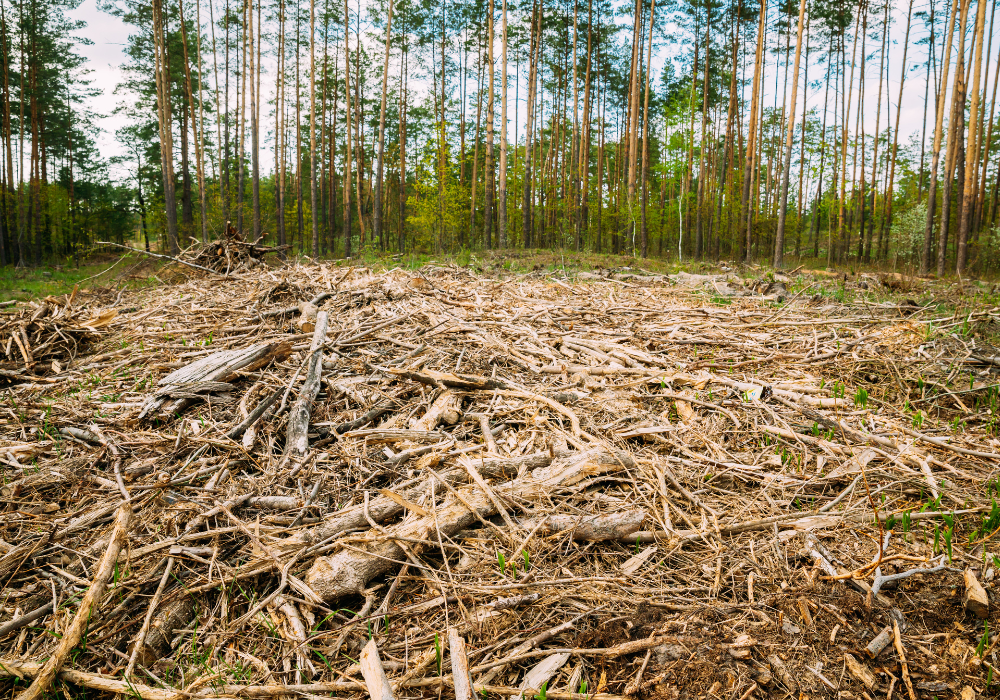
Burning fossil fuels, destroying forests, and filling oceans with waste all weaken the systems that regulate oxygen. Each action chips away at the stability of the atmosphere, making collapse more likely.
Scientists warn that this damage is adding up faster than most people realize. Humanity’s daily habits could set the stage for an oxygen crisis. Unless changes are made quickly, we may find ourselves living in a world where our own actions triggered the greatest threat to survival.
11. A collapse in food chains would quickly follow oxygen decline

Oxygen isn’t just about breathing—it’s about eating. Crops depend on stable oxygen and carbon cycles, animals rely on those crops, and humans depend on both. If oxygen declines, the food chain could fracture at every level.
The result would be global hunger and scarcity. Conflicts over resources would intensify, with societies battling to secure food and water. In a low-oxygen world, survival challenges would multiply rapidly, making the crisis not just environmental but deeply human.
12. Technology might delay disaster—but not forever
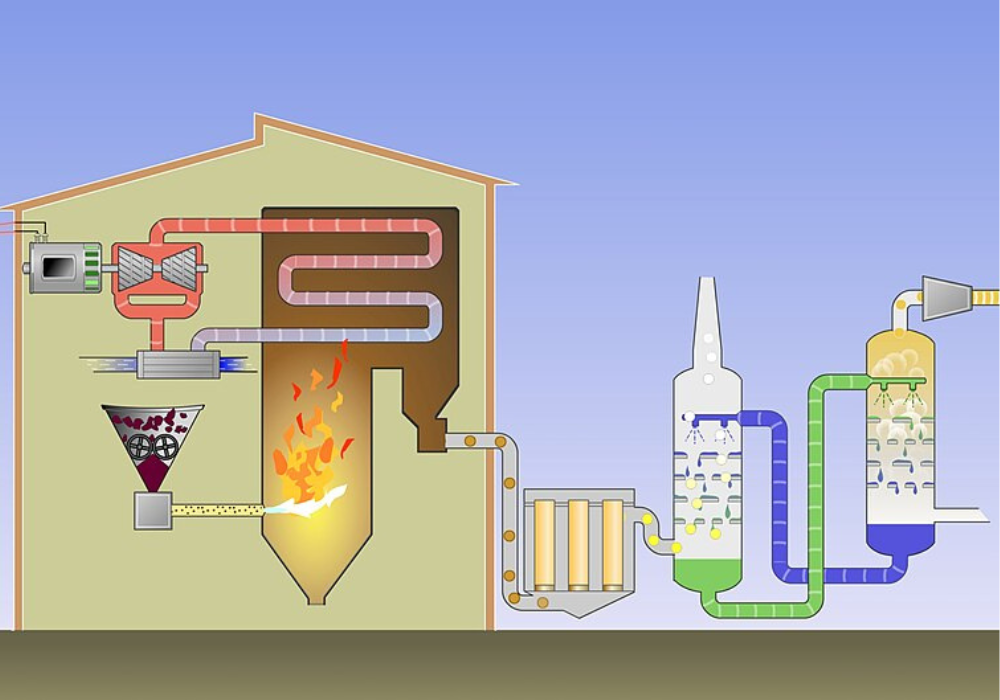
Some argue that technology could provide a safety net. Machines that generate oxygen, capture carbon, or regulate climate might buy humanity time. Yet relying too heavily on these tools is risky. They are expensive, uncertain, and may not keep pace with the crisis.
Experts stress that prevention is far safer than reaction. Once oxygen decline begins, it may be impossible to reverse. Believing that machines alone can save us from atmospheric collapse is a gamble humanity cannot afford to lose.
13. The clock may already be ticking faster than we know
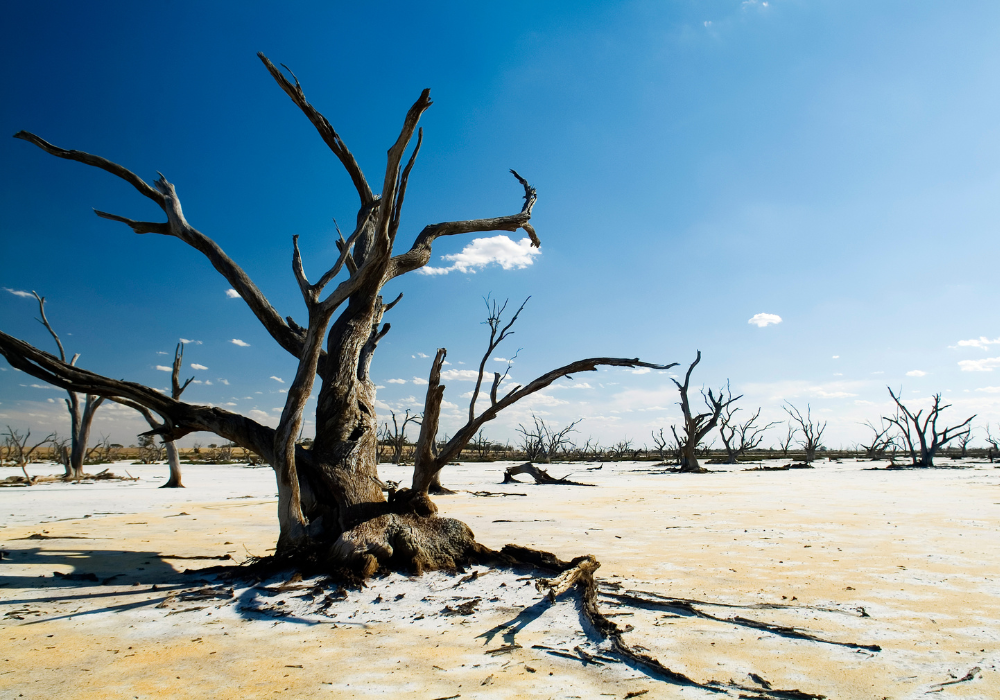
Perhaps the most chilling reality is that oxygen decline may already be underway. Subtle changes in oceans, ecosystems, and climate suggest the balance sustaining life is less steady than it appears.
If this is true, humanity may already be living in the opening chapter of an oxygen crisis. The countdown could have started without us noticing, making NASA’s warning impossible to dismiss. The air that sustains us may not be as secure—or as lasting—as we believe.