
As the climate crisis accelerates, these jobs could vanish or change beyond recognition.

Climate change isn’t just an environmental issue—it’s also reshaping the world of work. Rising temperatures, stronger storms, and shifting ecosystems are already disrupting industries that millions of people depend on for their livelihoods. According to the International Labour Organization, climate change could put the equivalent of 80 million full-time jobs at risk by 2030 due to heat stress and other impacts.
From agriculture to tourism, no sector is completely safe. Understanding which jobs are most vulnerable shows how the climate crisis affects not only the planet but also the future of workers everywhere.
1. Farming careers facing challenges due to unpredictable weather patterns.

Farming careers facing challenges due to unpredictable weather patterns describe the ways crop and livestock production reacts to more frequent droughts, floods, heat waves and shifting seasons. Farmers adjust planting dates, irrigation, pest control and harvest practices to cope, and supply chains feel the ripple effects when yields decline or timing changes.
Economic pressures and policy responses also shape which crops remain viable and which farming methods are favored as the climate becomes less predictable. For everyday workers and people planning careers in agriculture, that means developing versatile skills in soil health, water management and climate resilient practices.
2. Fishing jobs declining as ocean temperatures disrupt marine life.

Fishing jobs are declining as ocean temperatures disrupt marine life. Warming seas and altered currents shift fish populations and breeding patterns. Fisheries that historically depended on certain species can see stocks move, shrink or be replaced by different species, affecting catch volumes and the predictability of harvests.
Ocean acidification and changing ecosystems also impact shellfish and plankton, altering the entire marine food web that commercial and small-scale fishers rely on. Many coastal workers will face income volatility and may need to diversify skills toward aquaculture, value added processing or monitoring.
3. Forestry positions affected by increased wildfires and pest outbreaks.

Forestry positions affected by increased wildfires and pest outbreaks describe how hotter, drier conditions and milder winters can lead to more frequent and intense fires and insect infestations. Tree health declines in some regions while fire regimes change, forcing shifts in harvest schedules, silviculture practices and community forest management.
Loggers, rangers and forest managers must respond to altered growth cycles, salvage operations and fuels management to reduce catastrophic loss and support ecosystem recovery. Workers and communities depending on forests may need to adopt new safety and management routines, and many roles will demand skills in fire mitigation and pest surveillance.
4. Construction roles impacted by stricter environmental regulations and hazards.

Construction roles impacted by stricter environmental regulations and hazards cover how building codes, permitting and site practices evolve toward resilience and reduced emissions. Projects now often require materials selection, stormwater controls and climate risk assessments, while extreme heat and storm events create workplace hazards and scheduling disruptions.
Regulatory shifts can raise compliance costs and change skill demands for contractors, engineers and laborers as the industry moves to more sustainable and durable building practices. For those working in construction the shift means learning regulatory compliance, green building techniques and heat stress prevention measures.
5. Tourism jobs are vulnerable as natural landmarks experience climate damage.
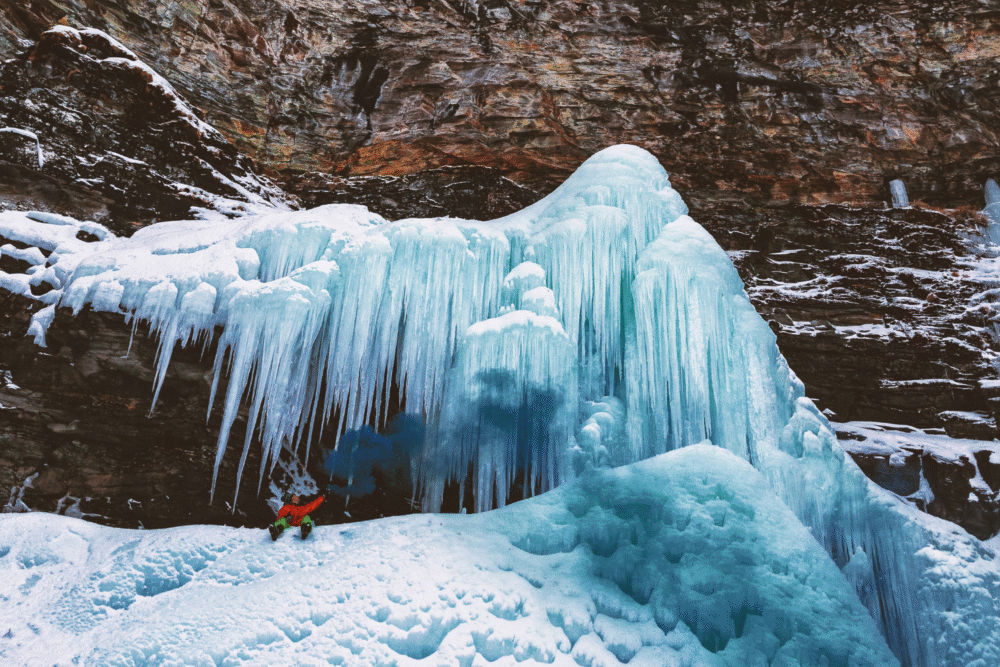
As natural landmarks experience climate damage, attractions such as coastlines, glaciers, coral reefs and forests can lose appeal or access as they degrade. Visitor seasons shift, infrastructure like roads and trails suffers damage from storms and sea level changes, and local tourism businesses face reduced revenues and the need to adapt marketing and offerings.
Cultural and community tourism can also be affected when traditional landscapes change and travel patterns evolve. For workers and small business owners in tourism, adapting services and diversifying offerings helps preserve livelihoods.
6. Energy sector employment shifting with a move away from fossil fuels.
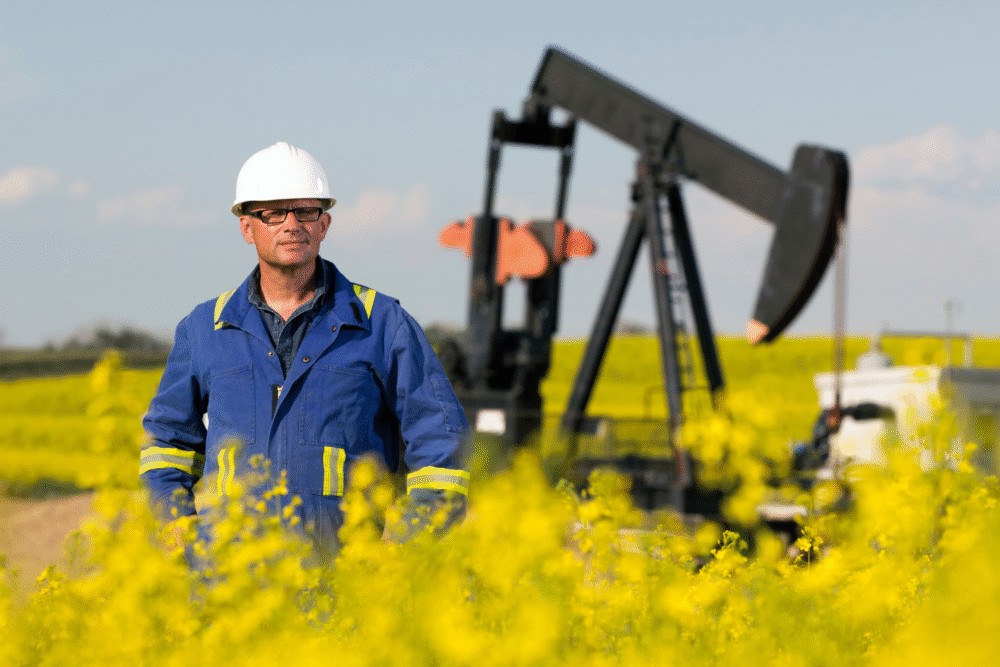
The move away from fossil fuels will force changes across power generation, extraction, refining and distribution as policy, investment and technology favor lower carbon solutions. Coal mining and some oil and gas roles can decline while demand grows for solar, wind, grid modernization and energy efficiency jobs.
Workers may see geographic shifts in employment opportunities and increased need for retraining in electrical, digital and renewable technologies as the energy mix transforms. People employed in energy industries should assess transferable skills and pursue certifications that match growing clean energy roles.
7. Insurance industry jobs changing due to rising claims from climate disasters.

Underwriters, loss adjusters, and actuaries must now account for the increased frequency and severity of storms, floods, and wildfires. Premiums, coverage terms, and risk models are being recalibrated, and some markets are becoming less insurable without mitigation measures.
Claims processing workload surges after events, driving demand for new data analytics, resilience consulting, and customer support roles that help communities recover. For employees and consumers, the landscape means expecting shifting coverage options and the need for clearer risk communication.
8. Retail positions disrupted by supply chain issues linked to extreme weather.

Retail positions are being impacted by factory closures, transportation delays and raw material shortages that ripple into store shelves and online fulfillment. Retailers may face uneven inventory, higher logistics costs and changing consumer behavior as supply chains are rerouted or local sourcing increases.
Warehouse, procurement and merchandising roles must adapt to more variable delivery schedules and contingency planning to keep stores stocked and customers informed. Shoppers and retail workers can expect more frequent stock variability and the need for flexible inventory strategies.
9. Transportation careers evolving because of infrastructure damage and fuel changes.

Roads, rail, and ports face frequent repairs from storms, floods, and temperature extremes, while fuel transitions alter vehicle fleets and maintenance needs. Operators, maintenance crews, and planners must contend with rerouted traffic, modal shifts toward electrification, and new regulations on emissions.
Long-distance and local transport networks will require investments in resilient design and alternative fuels that change job tasks and equipment knowledge. Transport workers and planners will need to embrace new vehicle technologies and contingency routing practices to maintain service.
10. Agricultural labor roles are shrinking with the growing use of technology.
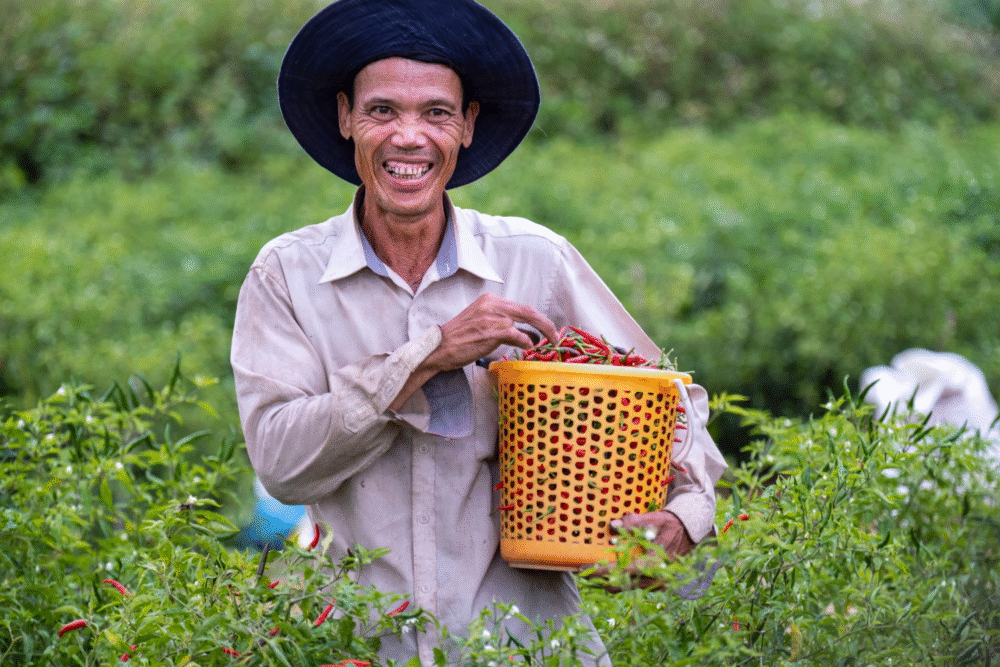
Automation, robotics and data driven tools reduce demand for repetitive manual tasks in planting, harvesting and sorting. Precision agriculture and remote sensing can increase productivity with fewer workers, while new technical roles arise in equipment operation, maintenance and data analysis.
The net effect varies by region and crop type, but traditional labor-intensive positions are increasingly at risk where capital investment in automation is feasible. For entry-level agricultural workers, it helps to develop technical literacy and mechanical skills to remain employable.
11. Outdoor recreation jobs are threatened by habitat loss and climate shifts.

Changing ecosystems reduces opportunities for activities such as guiding, outfitters, and park services. Species declines, altered trail conditions, and unpredictable weather limit seasons and degrade visitor experiences, affecting income for guides and local businesses.
Conservation and park management roles may become increasingly important, but visitor-facing positions are likely to face greater variability as habitats transform. Those relying on outdoor work should consider adding skills in habitat restoration, interpretation or environmental education to broaden options.
12. Water management professions are becoming more complex due to resource scarcity.
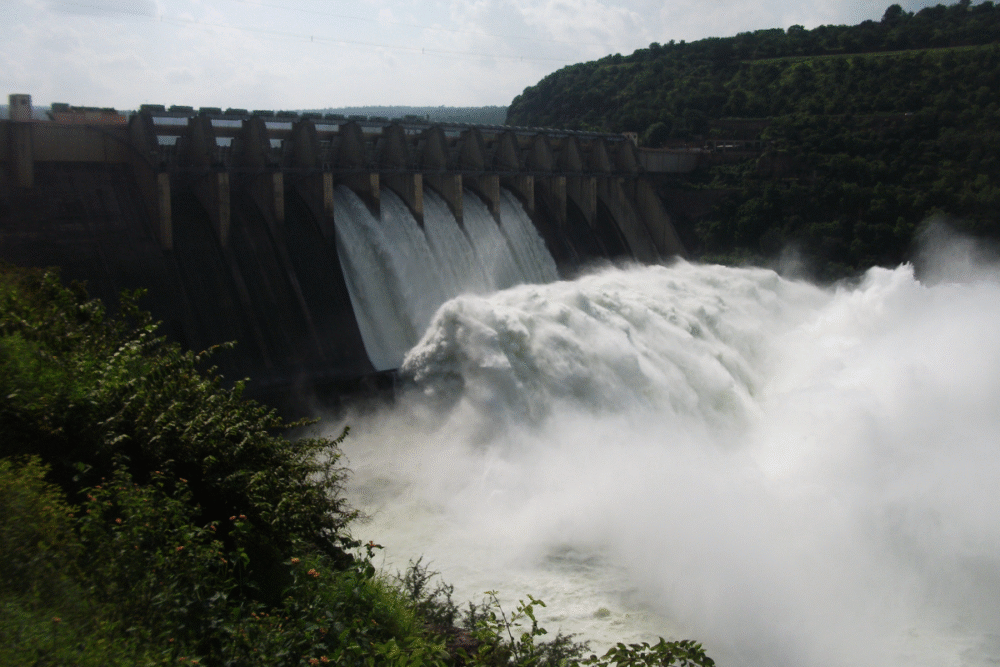
Reduced flows, groundwater depletion, and competing demands require more sophisticated planning and infrastructure. Engineers, operators, and planners now integrate scarce resource allocation, reuse systems, and demand management into treatment and delivery systems.
Climate-driven variability increases the need for monitoring, contingency storage, and cross-jurisdictional coordination to maintain reliable supplies for agriculture, industry, and households. For professionals and community members, adapting to constrained water supplies means prioritizing conservation and smarter infrastructure choices.