
Mysterious sightings by trained pilots are raising questions the Pentagon can’t easily explain.

Military pilots are trained observers, but more of them are coming forward with accounts of seeing unidentified aerial phenomena—better known as UFOs. These sightings often involve objects moving at incredible speeds or performing maneuvers that defy known physics. The Pentagon has acknowledged the reports, and in 2021 the Office of the Director of National Intelligence released an assessment confirming that many cases remain unexplained.
NASA has also launched a study into the phenomena, reflecting growing scientific and government interest. What pilots are seeing in the skies is no longer dismissed—it’s being taken seriously at the highest levels.
1. Why military UFO reports matter
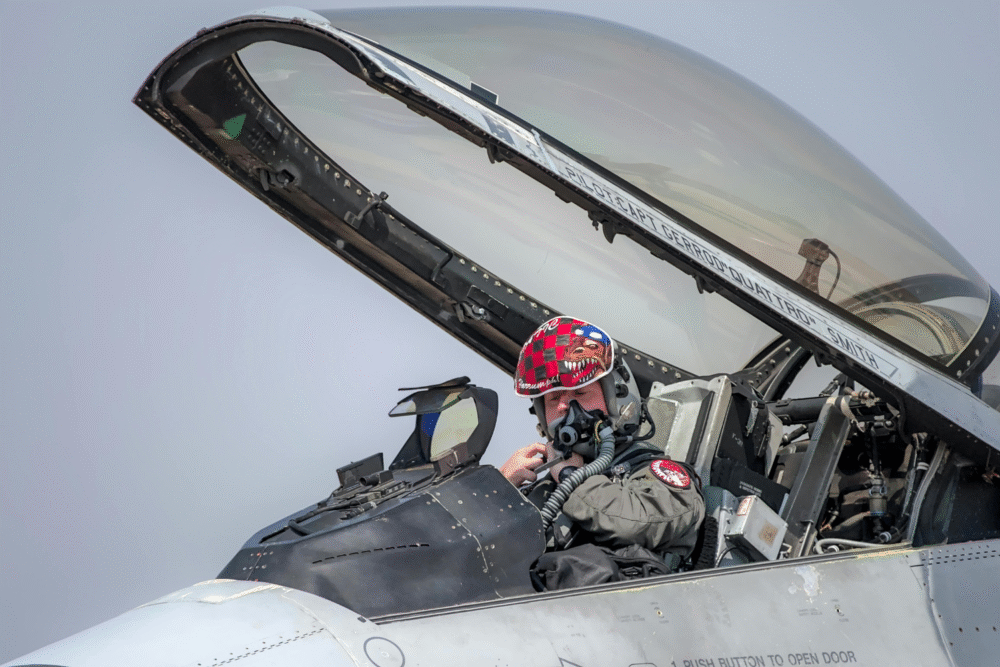
When civilians report UFOs, skeptics often dismiss them. But military pilots are highly trained to identify aircraft, weather patterns, and natural phenomena. Their accounts carry extra weight because they’re considered credible observers.
Pilots have described objects moving at hypersonic speeds, hovering without visible propulsion, or making sharp turns beyond the limits of known aircraft. These reports aren’t casual sightings—they’re logged, investigated, and sometimes supported by radar data. That combination makes them harder to ignore, sparking questions in Congress, the Pentagon, and the scientific community.
2. The Pentagon confirms unexplained sightings

In 2021, the Office of the Director of National Intelligence released a landmark report on unidentified aerial phenomena (UAPs). The report reviewed 144 incidents between 2004 and 2021, many involving military personnel.
Of those cases, only one could be explained with certainty. The rest remained unresolved, with some displaying unusual flight characteristics. The Pentagon has since established the All-domain Anomaly Resolution Office (AARO) to study these events. By formally acknowledging the reports, the U.S. government signaled that these encounters are legitimate national security concerns, not just fringe stories.
3. Navy pilots led the surge of reports
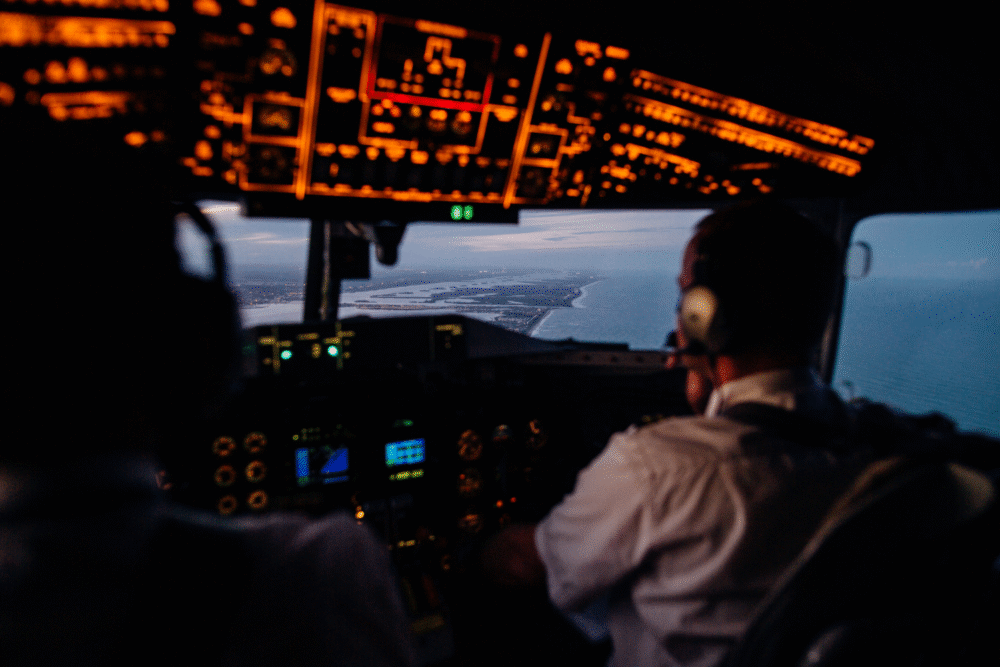
Some of the most famous modern UFO sightings come from U.S. Navy fighter pilots. Between 2014 and 2015, crews off the East Coast reported objects that appeared almost daily on radar. Pilots described flying past objects shaped like “Tic Tacs” or spheres that outmaneuvered advanced jets. In some cases, multiple aircraft tracked the same target simultaneously.
These accounts were later corroborated with cockpit footage, fueling intense debate about what exactly the Navy had encountered. The regularity and professionalism of these reports made them difficult for the Pentagon to ignore.
4. Video evidence shocked the public

In 2017, The New York Times published three leaked Navy videos showing unidentified flying objects recorded during training exercises. The clips, later confirmed as authentic by the Pentagon, showed objects accelerating, rotating, and moving in ways that defied conventional explanation.
The release of these videos marked a turning point in public perception. What had once been dismissed as science fiction now had credible military footage behind it. For many, the videos proved that something unusual is happening in the skies—even if no one knows what.
5. Pilots describe near misses in the sky
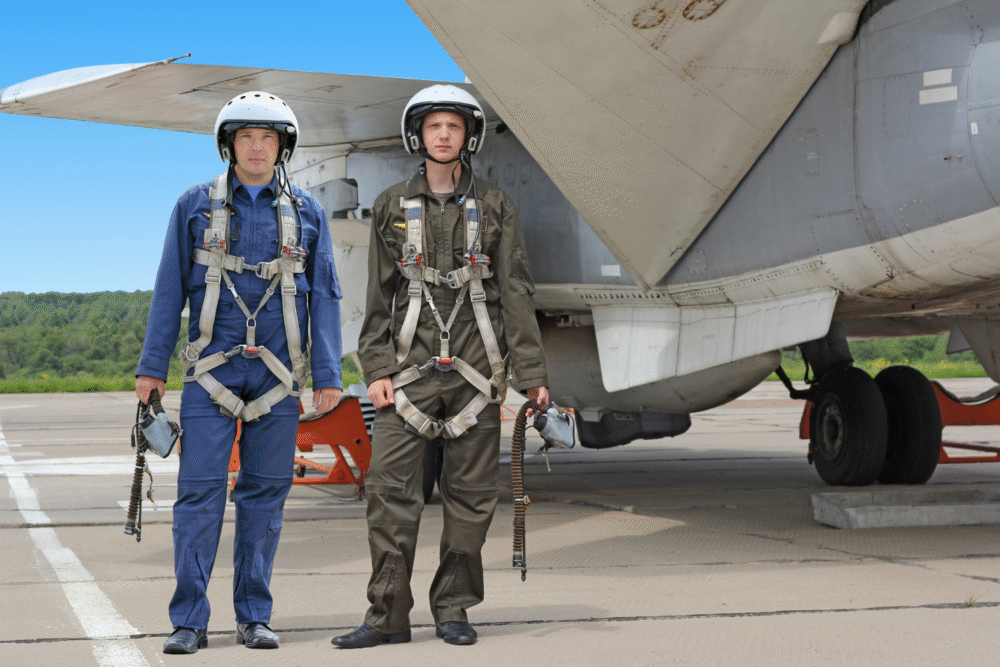
For military pilots, UFO sightings aren’t just curiosities—they can be dangerous. Several pilots have reported near collisions with unidentified objects, raising alarms about aviation safety.
These encounters often happen in restricted training airspace where pilots expect predictable conditions. The sudden appearance of unknown craft not only disrupts missions but poses real risks. This is one reason the Pentagon has taken pilot reports more seriously in recent years. Safety concerns alone demand investigations, even if the ultimate explanations remain unclear.
6. Could foreign technology explain it?

One possible explanation is that some sightings involve advanced technology from foreign adversaries. Drones or experimental aircraft might account for at least a portion of the reports.
However, many encounters describe speeds and maneuvers beyond what is currently possible with known technology. Intelligence agencies admit they have no evidence these objects belong to another nation, but they can’t rule it out entirely. The possibility of foreign involvement is one reason the Pentagon treats the issue as both a scientific mystery and a security matter.
7. Natural phenomena may play a role
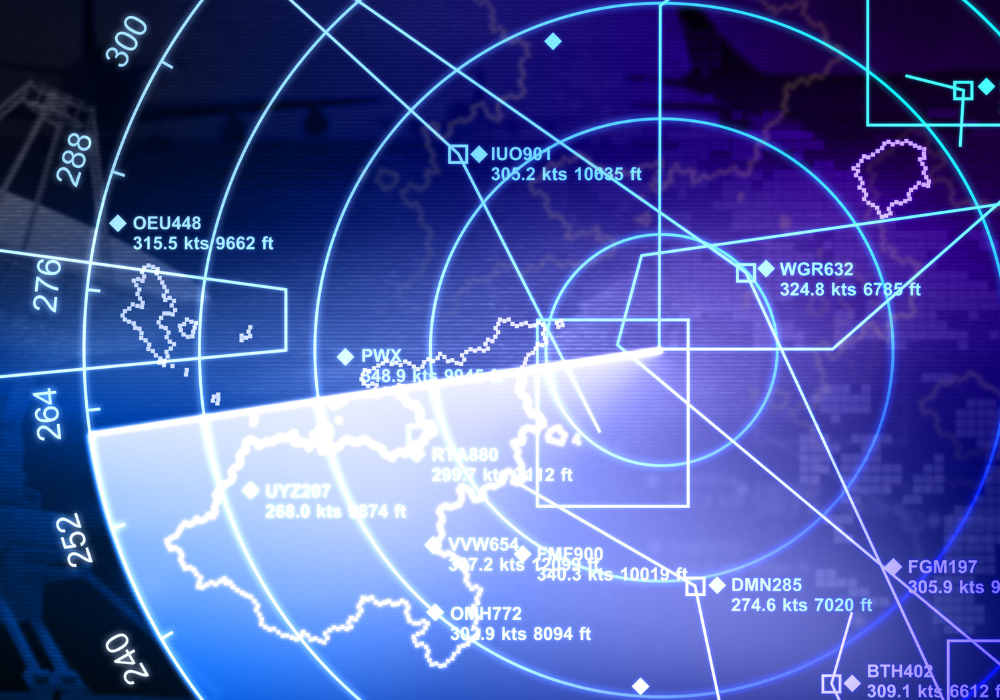
Scientists caution that not every UFO sighting requires exotic explanations. Atmospheric phenomena like plasma, reflections, or sensor glitches may account for some incidents. Advanced radar and infrared systems sometimes pick up “ghost targets” that don’t exist physically.
Still, pilots often insist their encounters were visual, not just on instruments. Multiple systems—including radar and cameras—have sometimes detected the same object. This combination makes it unlikely that all sightings are mere illusions. Sorting genuine anomalies from natural phenomena remains one of the biggest challenges for investigators.
8. NASA has joined the investigation
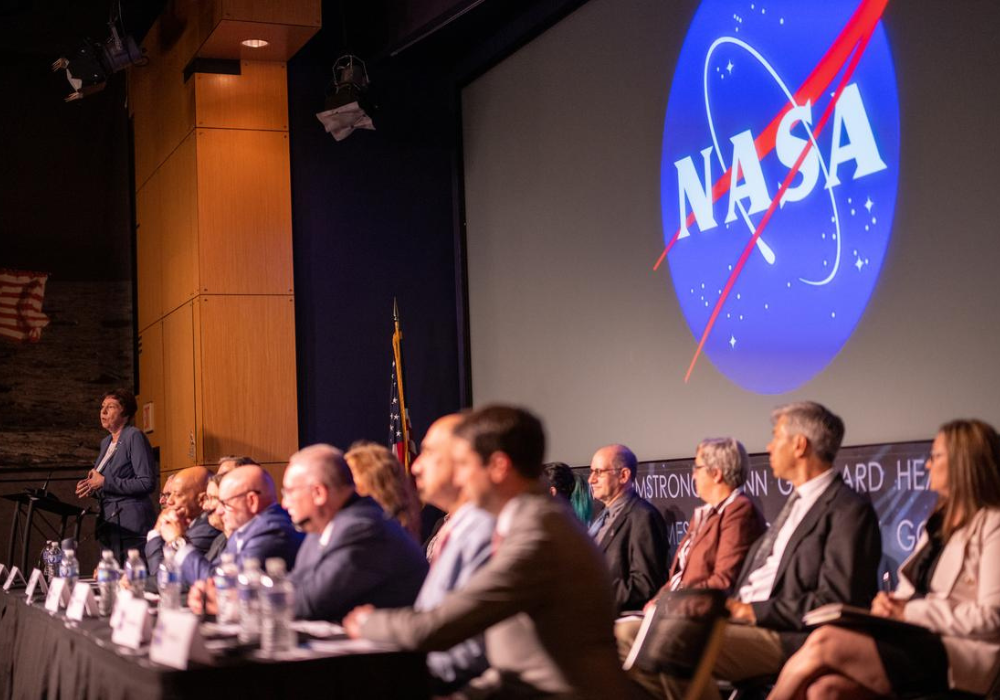
In 2022, NASA launched a study into unidentified aerial phenomena, assembling a team of scientists and experts to examine reports. Their mission is to bring scientific rigor and transparency to a subject long associated with secrecy.
NASA emphasizes that investigating UAPs doesn’t mean confirming alien life. Instead, it’s about understanding unexplained events in the sky using data and evidence. By stepping into the conversation, NASA adds credibility to the growing push for answers. The agency’s involvement shows how mainstream the UFO issue has become in recent years.
9. Congress is demanding answers

Lawmakers have grown increasingly vocal about military UFO reports. Congressional hearings in 2022 and 2023 brought Pentagon officials before committees to answer tough questions about UAPs.
Representatives argue that unexplained aerial phenomena could threaten aviation safety, military readiness, and even national security. Some lawmakers want more funding and transparency, pressing the Pentagon to share what it knows with the public. For decades, UFOs were a fringe topic—but now they’re the subject of serious debate in the halls of government.
10. Pilots want to end the stigma

For years, pilots avoided reporting UFO encounters for fear of ridicule or career damage. The stigma surrounding the topic meant many sightings went unreported, leaving data gaps for researchers.
Now, attitudes are shifting. The Pentagon and NASA have encouraged more open reporting, emphasizing that pilots shouldn’t be punished for documenting what they see. This cultural change is critical for gathering better data. The more pilots feel safe to speak up, the more scientists can understand what’s really happening in the skies.
11. The mystery fuels speculation
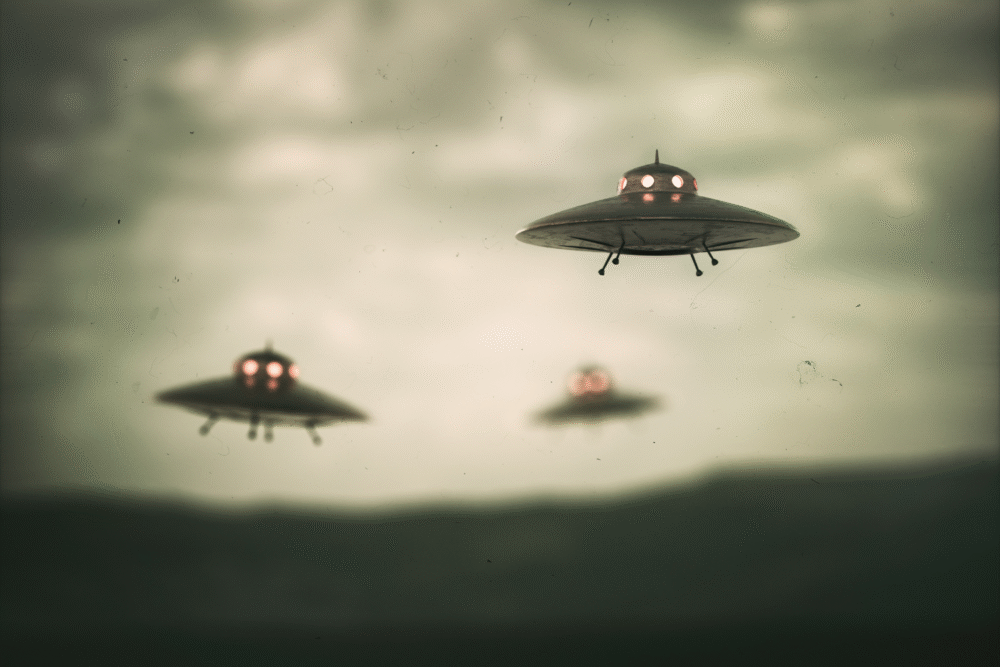
Despite official investigations, many questions remain. Could these objects represent secret technology, natural phenomena, or something entirely unknown? The lack of clear answers fuels speculation among both the public and experts.
While scientists lean toward earthly explanations, some can’t rule out more extraordinary possibilities. This uncertainty keeps the UFO debate alive, ensuring the issue remains a blend of science, security, and mystery. Until concrete evidence emerges, speculation will continue to outpace certainty.
12. What happens next in the search for answers

Investigations into UFO sightings are still in their early stages. The Pentagon’s new task force and NASA’s independent study are expected to release more findings in the coming years.
With more data, advanced sensors, and open reporting, scientists hope to separate the explainable from the truly mysterious. Whether the answer is new physics, foreign drones, or natural anomalies, researchers agree the truth is worth pursuing. For now, military pilots remain at the forefront of one of the most intriguing mysteries of our time.