
New discoveries are offering fresh clues about why the ancient monument was built and how it was used.
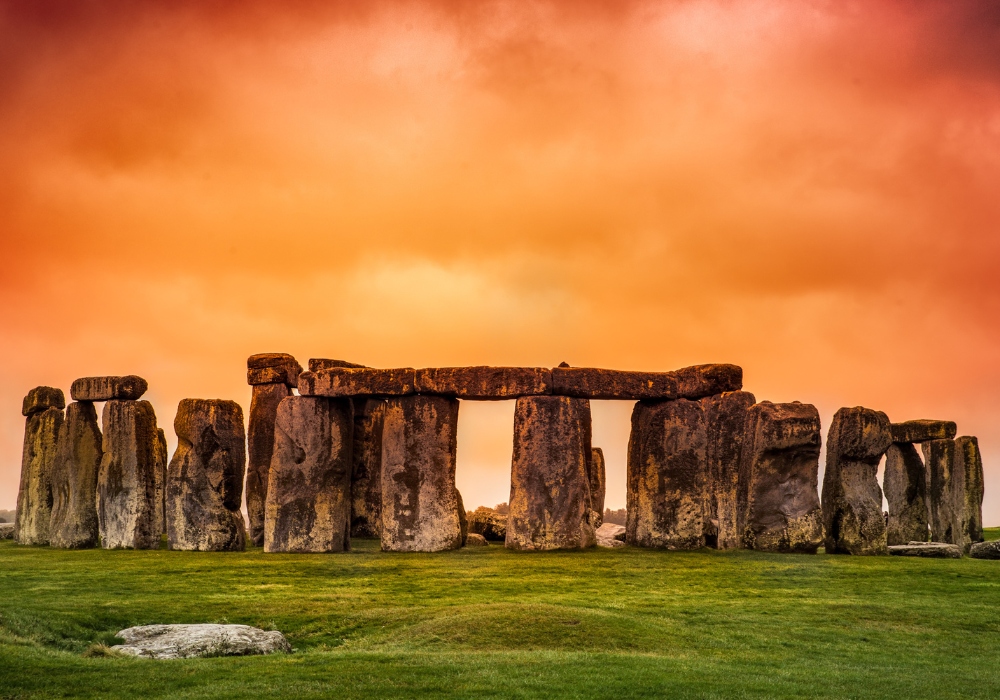
Stonehenge has long baffled historians and visitors alike, standing as one of the world’s most enduring mysteries. For centuries, theories about its purpose have ranged from an ancient burial site to a giant astronomical calendar.
Now, new archaeological evidence is providing clearer answers. Recent research highlighted by English Heritage suggests that Stonehenge may have served as both a ceremonial gathering place and a sophisticated solar marker. While questions remain, these discoveries are offering the strongest clues yet about why this monument was built—and how it shaped the lives of the people who raised its massive stones.
1. Stonehenge has baffled experts for centuries
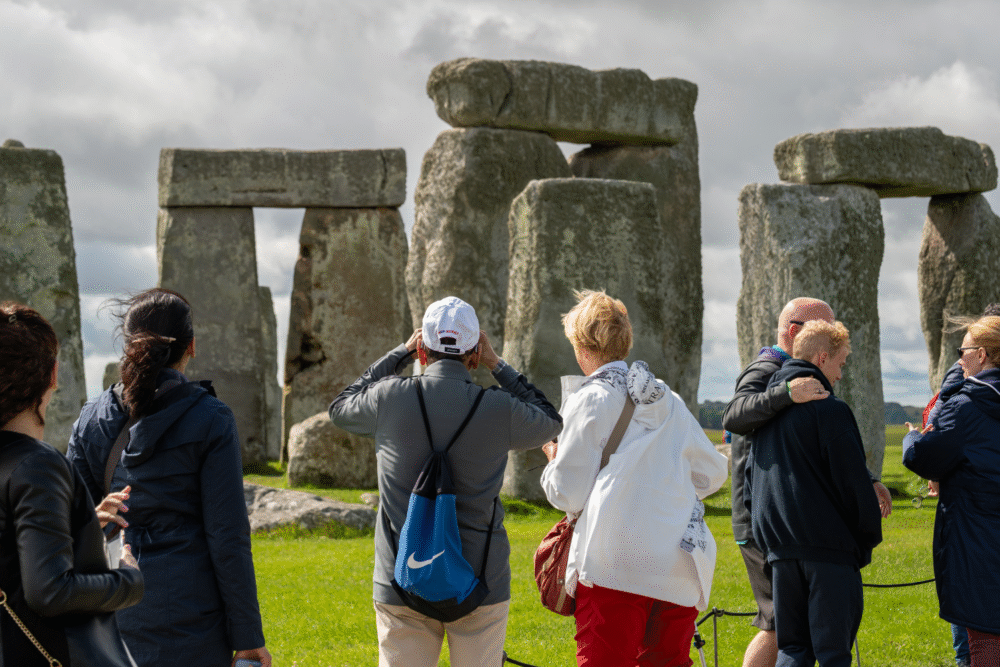
Stonehenge, rising from the Salisbury Plain in England, has inspired mystery and speculation for hundreds of years. Early visitors thought it might be a temple built by Druids, while others imagined it was linked to giants or magical origins. Its massive stones, some weighing up to 25 tons, still raise questions about how ancient builders moved them.
Modern archaeology shows the site was constructed in phases between 3000 and 2000 BCE. Despite decades of study, its exact purpose has remained elusive. Was it a burial site, a place of healing, or a celestial observatory? Each new discovery adds fresh pieces to the puzzle, and scientists now believe they are closer than ever to solving its mystery.
2. New excavations reveal ceremonial use

Recent digs near Stonehenge suggest it may have been a ceremonial gathering place for prehistoric communities. Archaeologists uncovered animal bones, pottery, and evidence of feasting, pointing to large-scale rituals that brought groups together. These discoveries indicate that Stonehenge was not an isolated monument but part of a broader cultural landscape.
The surrounding area includes dozens of burial mounds and ancient earthworks. Together, they paint a picture of Stonehenge as a focal point for ceremonies and gatherings, likely tied to seasonal events. Far from being a static monument, it may have been alive with activity, connecting communities through shared rituals and traditions that reinforced social bonds.
3. A solar calendar hidden in stone
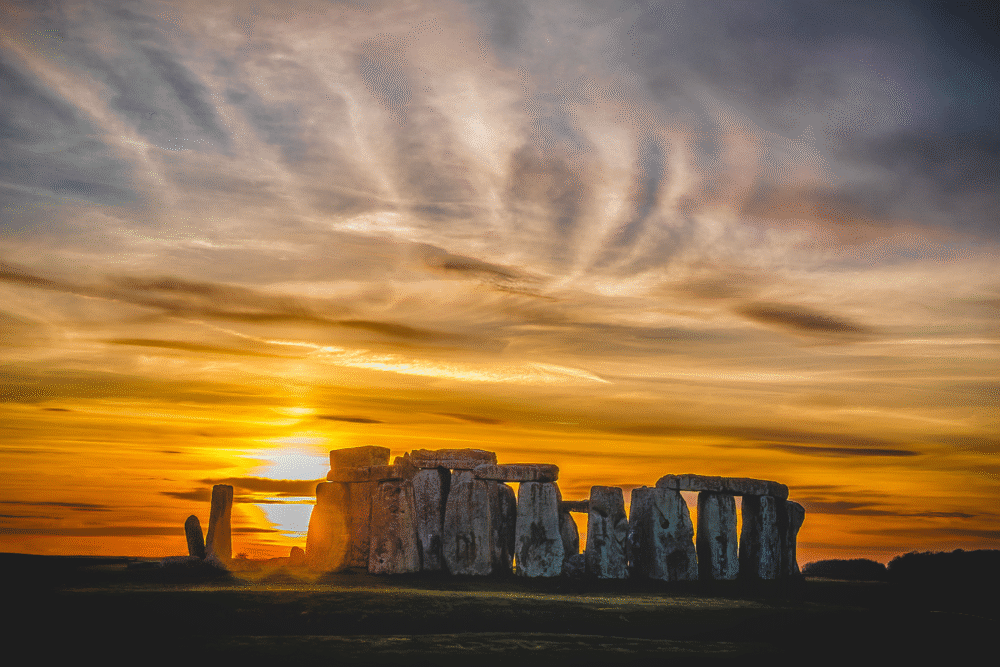
One of the most compelling theories is that Stonehenge functioned as a solar calendar. The monument is carefully aligned with the midsummer sunrise and midwinter sunset, allowing ancient people to track the changing seasons. Archaeologists argue this alignment was intentional, helping farming communities mark important times for planting and harvesting.
Recent studies suggest the layout of the stones may have created a 365-day solar calendar, remarkably similar to the one we use today. If true, Stonehenge wasn’t just a ceremonial site—it was also a sophisticated scientific tool that tied human life directly to the rhythms of the sun.
4. Burial evidence points to sacred ground
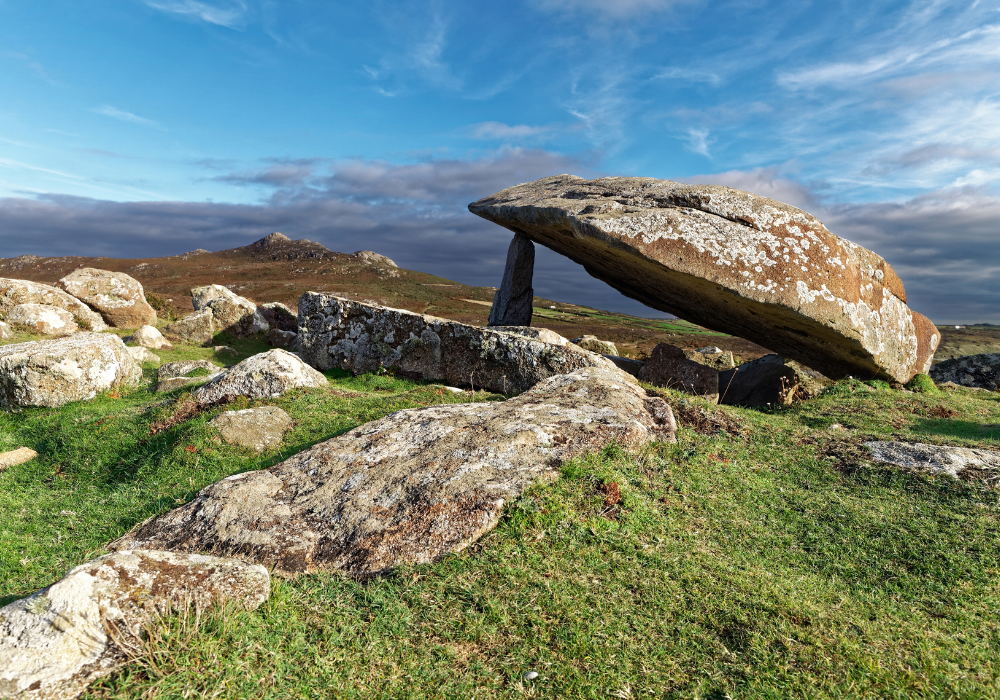
Excavations around Stonehenge have uncovered cremated human remains dating back to its earliest phases. These finds suggest the site served as a burial ground long before its famous stone circle was completed.
Some of the individuals buried there appear to have been high-status members of society, including community leaders or people with special skills. This indicates Stonehenge may have functioned as a sacred cemetery as well as a ceremonial center. The dual role of honoring the dead and connecting with the cosmos could explain why the site held such enduring importance for ancient people.
5. Builders traveled vast distances
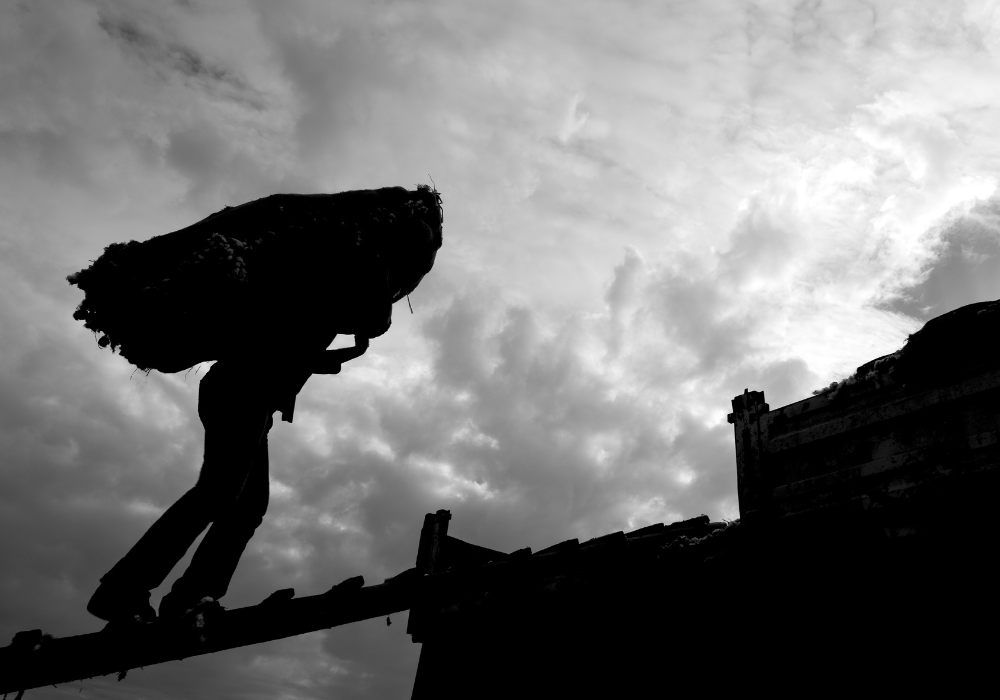
One of Stonehenge’s enduring mysteries is how its builders transported massive stones from faraway quarries. The smaller bluestones are believed to have come from Wales, nearly 200 miles away, while the larger sarsens were sourced closer but still required immense effort.
Archaeologists believe teams used sledges, rollers, and waterways to move these stones. The logistics alone suggest a highly organized society with shared goals and advanced knowledge of engineering. Moving the stones would have required cooperation across large groups, showing that Stonehenge was not just a monument but also a testament to social unity and determination.
6. Links to other prehistoric monuments
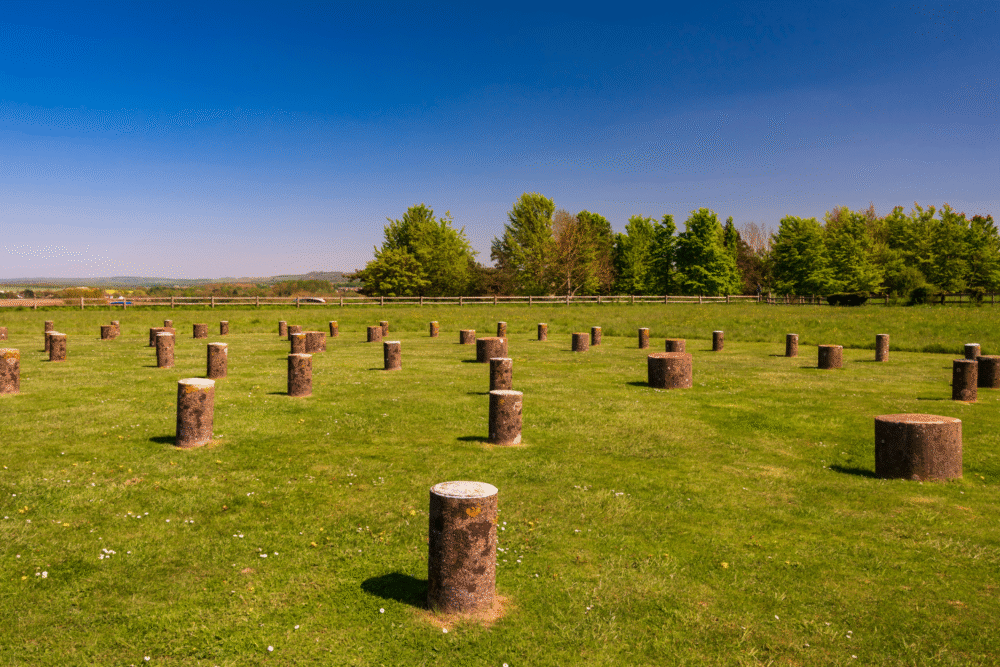
Stonehenge was not built in isolation. Archaeologists have discovered nearby monuments, including Durrington Walls and Woodhenge, which appear to have been part of a connected ritual landscape. These sites suggest a system of ceremonial centers that worked together to serve different functions.
Stonehenge, with its enduring stone structures, may have represented permanence and the heavens, while wooden sites reflected the cycle of life and decay. The network of monuments indicates that Stonehenge was part of a larger spiritual and cultural system that extended across the region.
7. Animal remains reveal ancient feasts

Excavations at Durrington Walls, a settlement linked to Stonehenge, uncovered large amounts of animal bones, especially pig and cattle. These finds suggest that people traveled great distances to participate in massive feasts.
Analysis of the animal remains shows some were brought from as far away as Scotland, highlighting the site’s importance as a national gathering place. These feasts were likely tied to rituals at Stonehenge, where communities came together not just to worship but also to celebrate. The evidence points to Stonehenge being central to social and cultural life, reinforcing its role as a unifying landmark.
8. Evidence of healing rituals

Some researchers believe Stonehenge also had a reputation as a place of healing. Traces of unusual burials show individuals with physical injuries or deformities. It’s possible they were brought to the site in hopes of receiving spiritual or medicinal relief.
The bluestones, in particular, may have been viewed as possessing special powers. Archaeologists suggest their transport from distant Wales could have been motivated by a belief in their healing properties. If Stonehenge doubled as a sanctuary for the sick, it would explain why people traveled great distances to be near its stones.
9. An ancient soundscape experiment
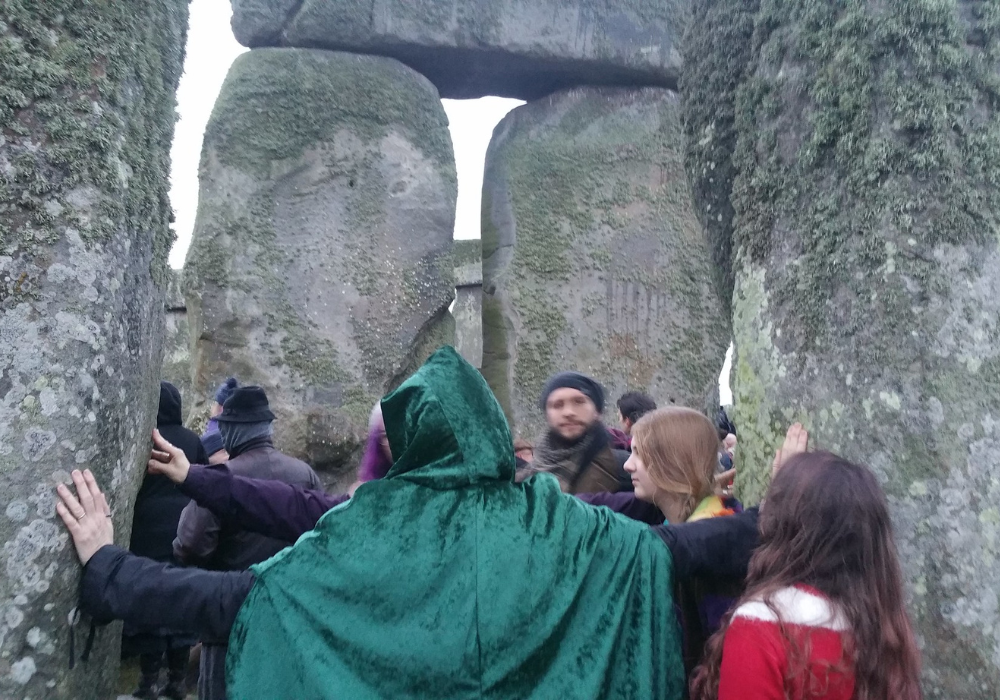
Recent studies have explored how sound behaves within Stonehenge’s circle. Researchers used acoustic modeling and replicas to test how voices, chants, and music would carry among the stones.
Results show that the arrangement of the stones creates unique echoes and amplifications, turning the site into a powerful sound chamber. This suggests Stonehenge may have been used for rituals involving music, chanting, or spoken word, with the acoustics enhancing their impact. The monument wasn’t just visual—it may also have been designed to create an immersive sensory experience.
10. Stonehenge and the stars
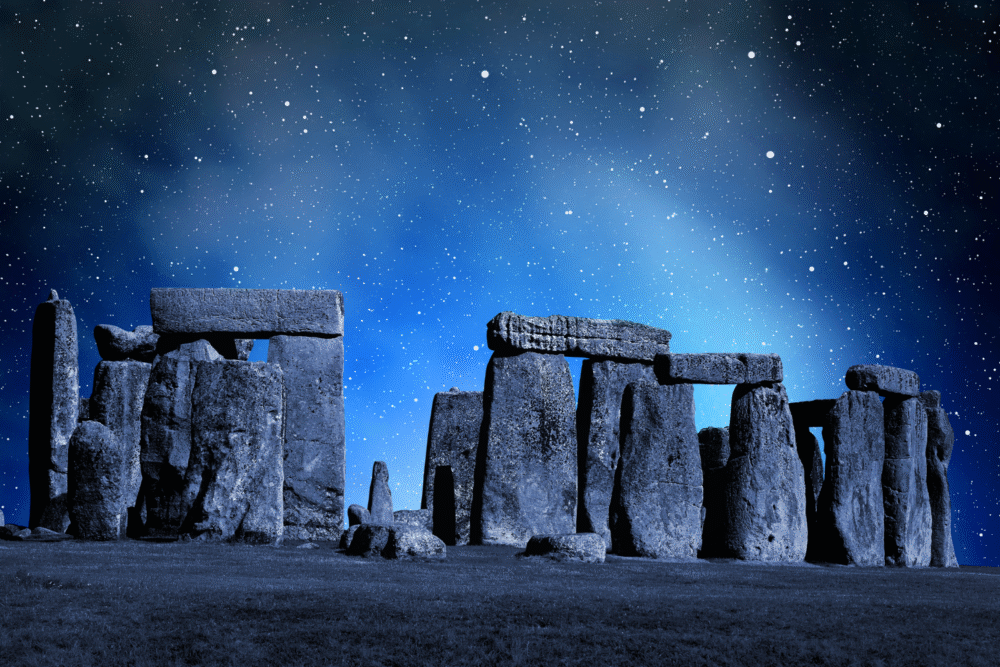
While the solar alignments are clear, some researchers argue Stonehenge may also have been connected to the stars. The monument’s layout may reflect important celestial events, such as lunar cycles and eclipses. Ancient people may have used Stonehenge to predict astronomical phenomena that influenced agricultural or ritual calendars.
Aligning human activity with the sky gave spiritual meaning to daily life. If Stonehenge functioned as both an observatory and temple, it shows a remarkable fusion of science and spirituality among prehistoric societies.
11. The monument evolved over millennia
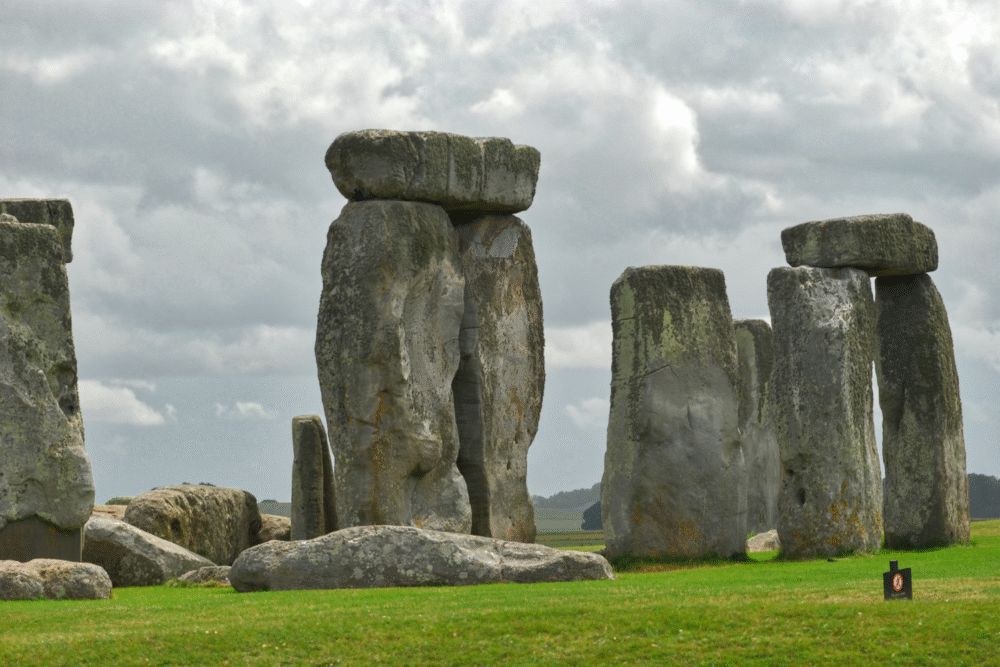
Stonehenge wasn’t built in a single moment. Instead, it evolved over centuries, with different generations adding and rearranging stones. This ongoing construction shows that its meaning changed over time. Early phases emphasized burial and ritual, while later phases focused on solar alignments and grand ceremonies.
The monument reflects not one single purpose, but a tapestry of cultural and religious meanings. This adaptability may explain why it remained significant for so long, outlasting the people who first envisioned it.
12. The mystery endures despite progress
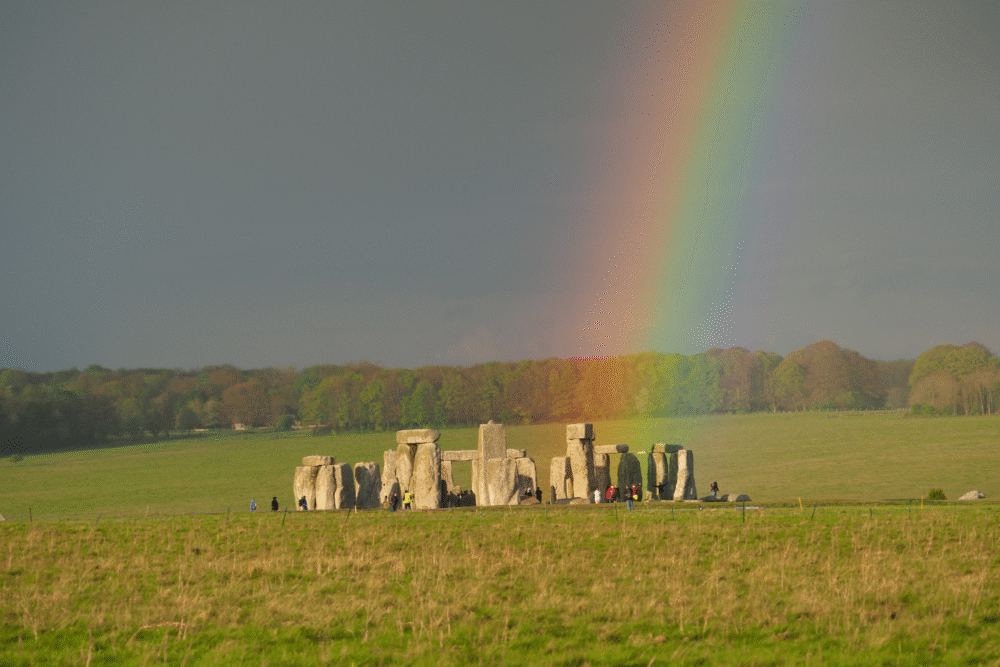
Despite advances in archaeology, Stonehenge still holds many secrets. Scientists may be closer to explaining its purpose, but questions remain about how and why it became such a lasting cultural symbol.
Even today, thousands of visitors gather at Stonehenge during solstices to witness the same alignments that guided ancient rituals. The fact that it continues to inspire awe speaks to its timeless power. Whether as a solar calendar, sacred burial ground, or center of healing, Stonehenge remains a monument that connects the ancient and modern worlds in mystery and wonder.