
The frozen continent is breaking apart faster than expected—and the impacts could reach every coastline.

Antarctica, the frozen giant at the bottom of the world, is unraveling faster than scientists once believed. New research from NASA shows that some of its massive ice sheets are melting at record speeds, contributing significantly to global sea level rise.
The Intergovernmental Panel on Climate Change (IPCC) warns that if the current trend continues, major coastal cities could face devastating floods within this century. What happens in Antarctica won’t stay there—it will reshape coastlines, displace communities, and test our ability to respond to a crisis that is no longer distant, but unfolding right now.
1. Antarctica is melting faster than scientists predicted
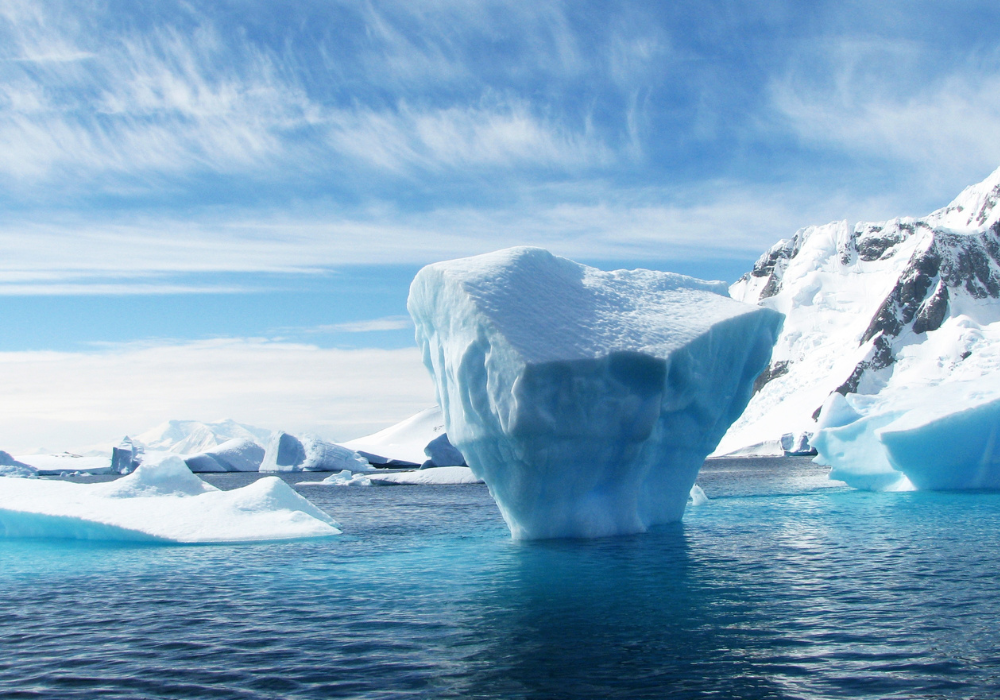
For decades, scientists thought Antarctica’s ice sheets would change slowly. But recent satellite data shows they are melting at record speed. Glaciers that were once stable are now retreating miles every year, pouring billions of tons of ice into the ocean. This acceleration is alarming because it signals tipping points may already be underway.
What seemed like a distant problem is now unfolding in real time, reshaping coastlines and forcing experts to rewrite their projections for sea level rise.
2. The frozen continent holds enough ice to drown cities
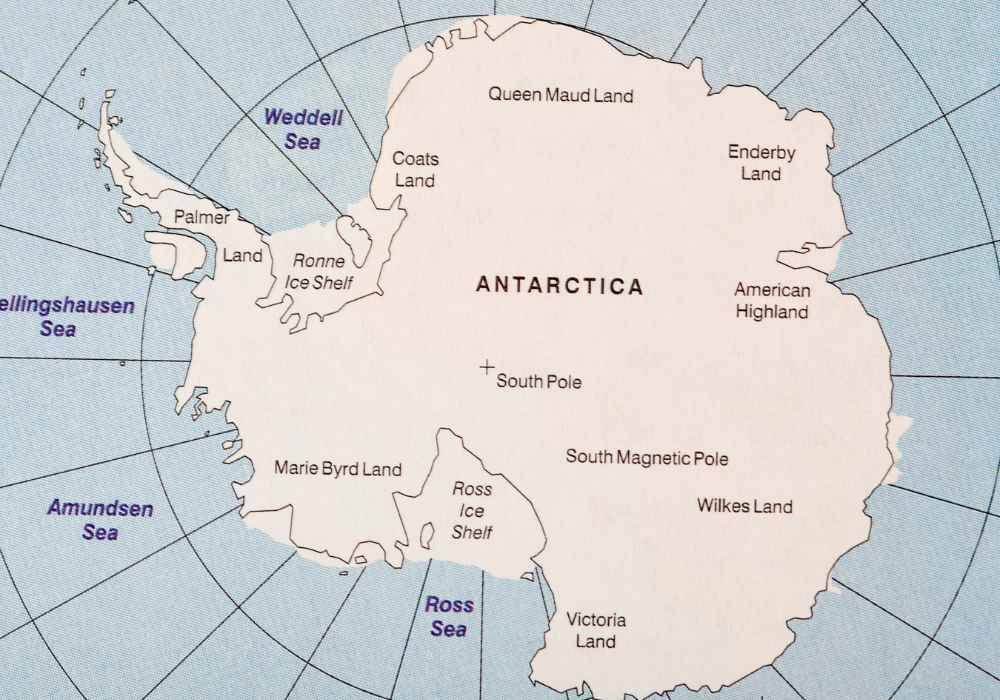
Antarctica contains about 60 percent of the world’s fresh water, locked away in vast sheets of ice. If it all melted, sea levels would rise by nearly 200 feet, flooding major cities worldwide.
While total melt isn’t expected anytime soon, even partial losses are catastrophic. Just a few feet of sea level rise would inundate coastal communities, disrupt economies, and displace millions. Every fraction of melting ice has global consequences, making Antarctica’s fate inseparable from humanity’s future.
3. West Antarctica is the greatest concern
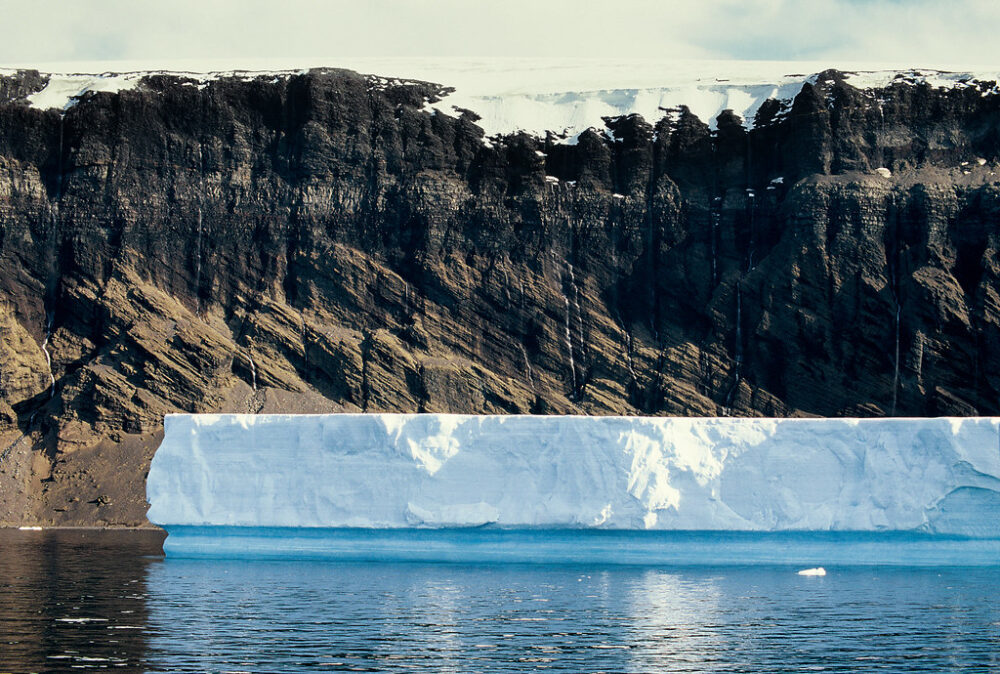
Scientists are especially alarmed by the West Antarctic Ice Sheet, home to fast-melting glaciers like Thwaites, nicknamed the “Doomsday Glacier.” These glaciers are grounded below sea level, making them vulnerable to warming ocean currents that undercut their bases.
If West Antarctica collapses, it could raise sea levels by several feet on its own. Researchers warn this could happen over centuries—or much faster if warming continues unchecked. The uncertainty underscores how urgent the situation has become.
4. Melting is driven by both air and ocean heat
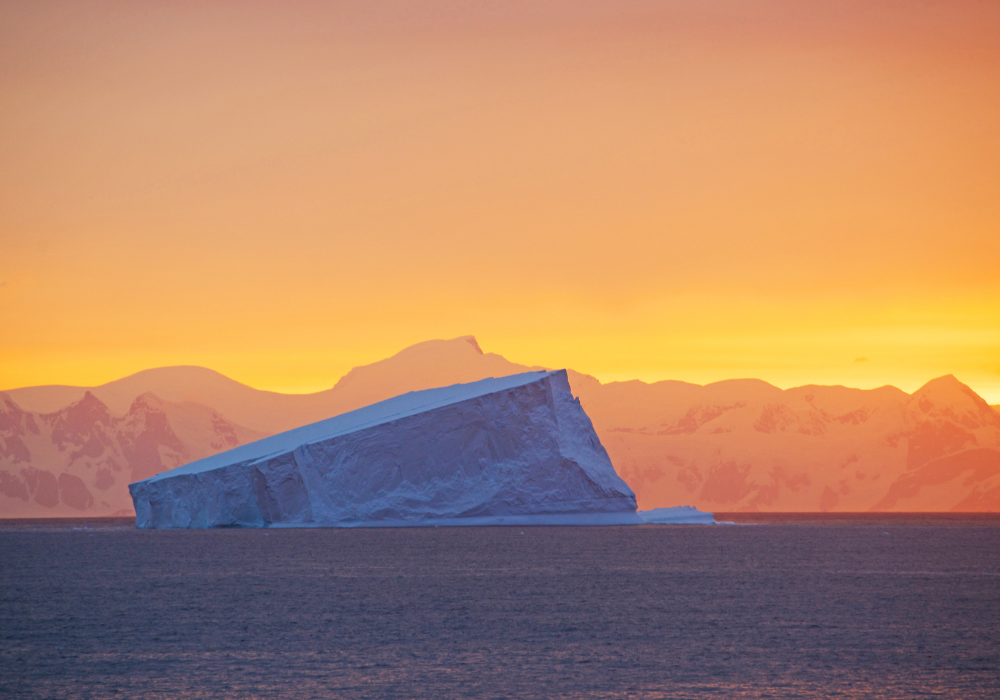
It isn’t only warmer air that’s melting Antarctica. Ocean currents are shifting, bringing warmer water into contact with the undersides of ice shelves. This invisible attack erodes ice from below, weakening massive sheets until they crack and collapse.
At the same time, rising air temperatures amplify surface melt. Together, these forces are destabilizing Antarctica’s ice far faster than models once projected. The continent is being squeezed from above and below, leaving scientists deeply concerned.
5. Ice shelf collapse speeds up sea level rise
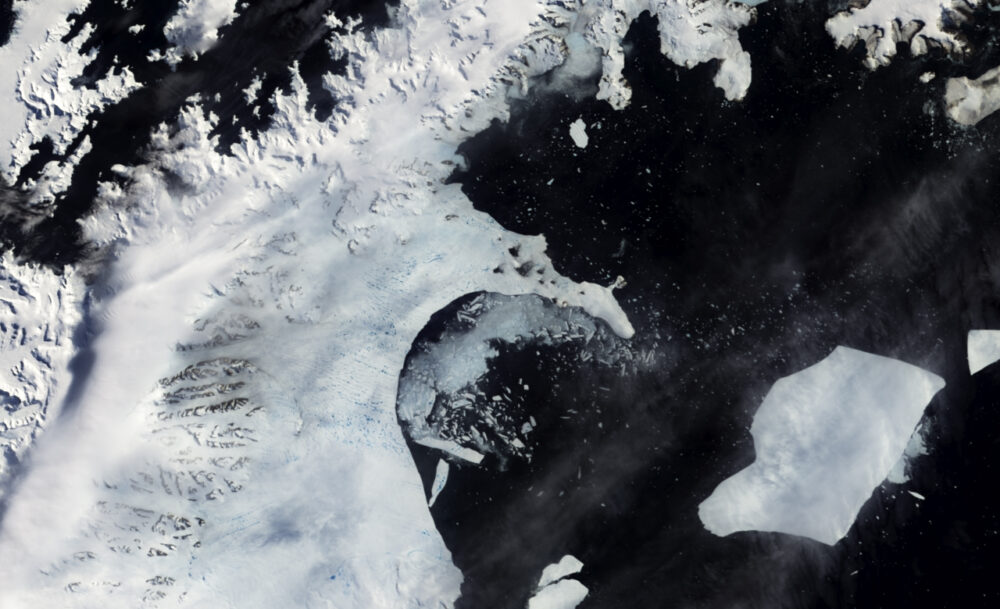
Ice shelves act as giant dams, holding back inland glaciers. When they collapse, glaciers flow into the ocean more quickly, raising sea levels faster than expected. In recent decades, shelves like Larsen B and C have fractured dramatically, shocking researchers.
The loss of these natural barriers accelerates global sea level rise. Each collapse sets off a chain reaction, where more ice is exposed to melting forces. This domino effect makes Antarctica’s instability one of the most pressing climate threats.
6. Antarctica’s melt threatens global coastlines
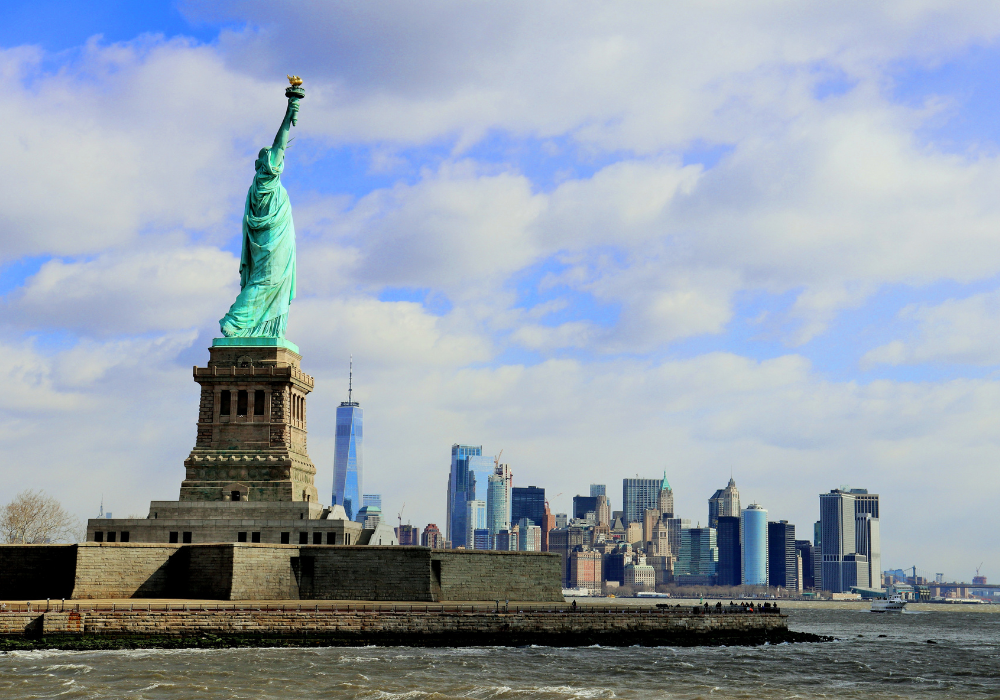
Sea level rise isn’t a distant threat—it’s already happening. Coastal cities like Miami, Jakarta, and New York are experiencing increased flooding tied to melting ice sheets. Antarctica’s contribution is growing steadily each year.
The danger is uneven but widespread. Low-lying nations, from Bangladesh to island states in the Pacific, face existential risks. The fate of Antarctica will determine not just future coastlines, but the survival of entire communities worldwide.
7. Wildlife faces a changing landscape
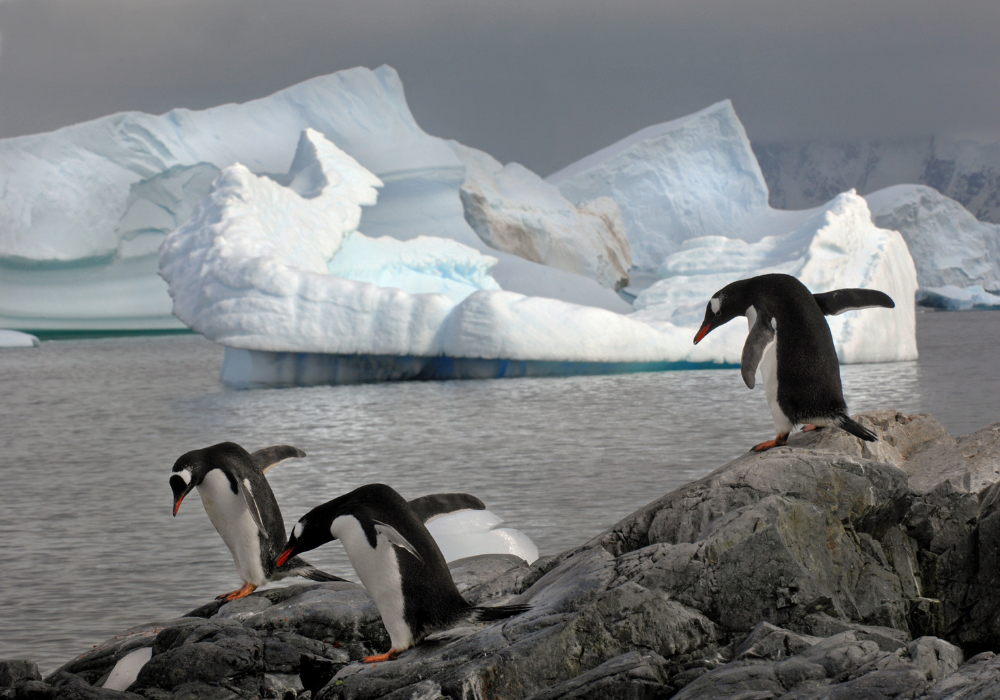
Antarctica isn’t just ice—it’s home to penguins, seals, and other species adapted to extreme conditions. As ice retreats, ecosystems are being reshaped in ways scientists are only beginning to understand.
For example, penguin colonies are losing breeding grounds, and krill populations—the base of the food chain—are declining as sea ice disappears. These shifts ripple outward, affecting global ocean ecosystems. The collapse of Antarctica’s ice is both a human and ecological crisis.
8. Scientists warn tipping points may be near
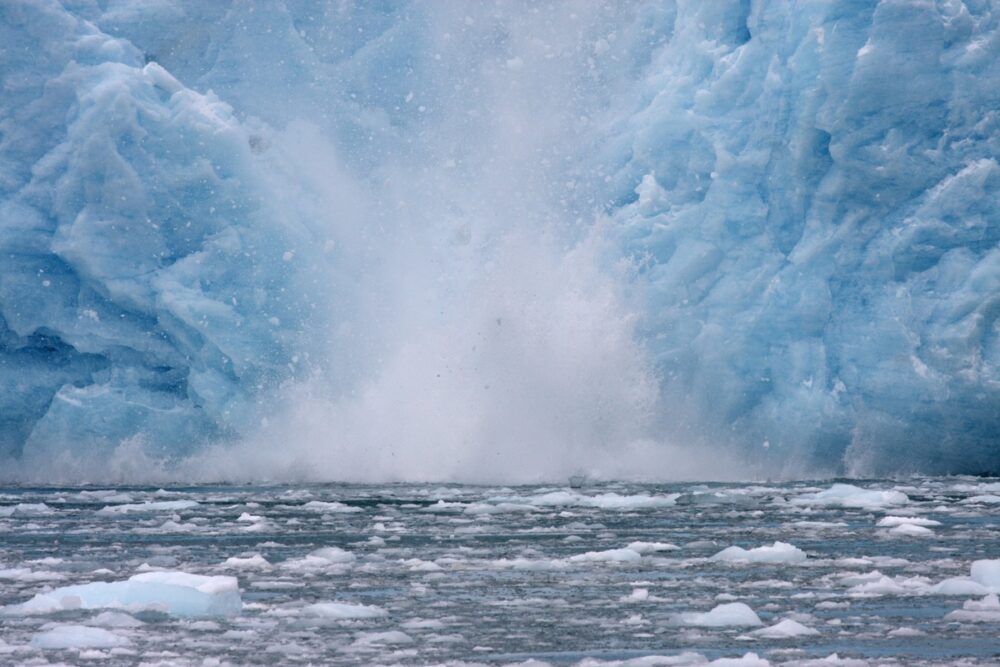
Experts worry parts of Antarctica may already be past the point of no return. Once glaciers retreat beyond certain thresholds, collapse becomes irreversible, even if temperatures stabilize.This means the world could be locked into centuries of rising seas. Scientists emphasize that every degree of warming increases the risk.
The choices made in the next few decades will decide whether we slow Antarctica’s collapse or unleash unstoppable change.
9. Technology is revealing Antarctica’s secrets
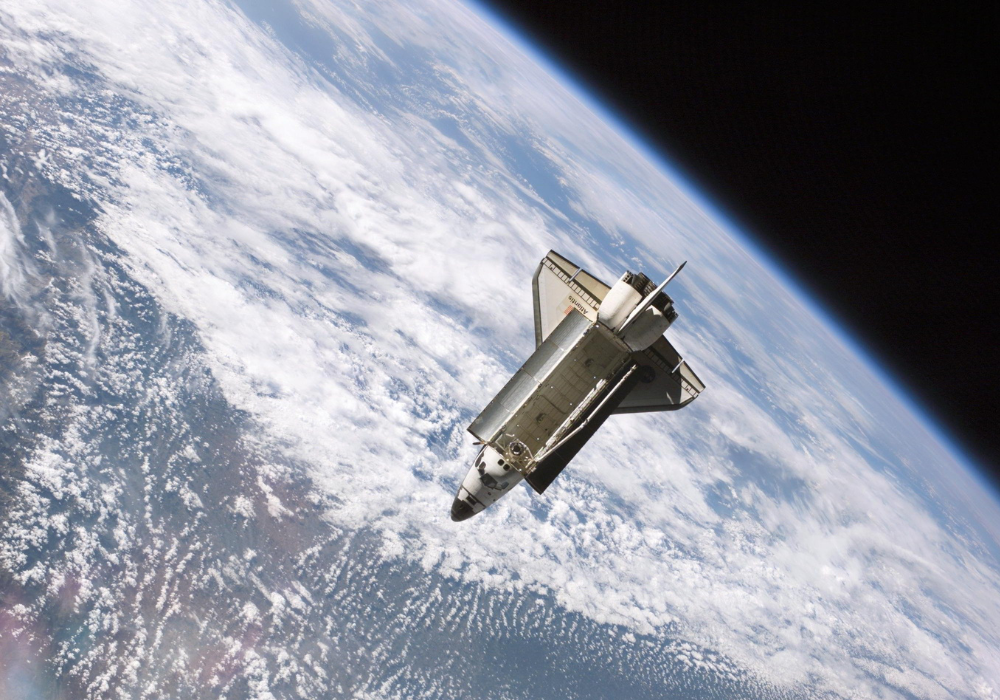
Much of what we know about Antarctica comes from satellites, radar, and research stations. These tools track ice loss with precision, showing changes invisible to the naked eye.
Recently, scientists have even used underwater robots to explore beneath ice shelves, uncovering hidden melt zones. These breakthroughs give researchers critical data, but the message is consistent: the ice is retreating faster than anyone anticipated.
10. The world still has time to act
While the news is dire, scientists stress it’s not too late. Reducing greenhouse gas emissions could slow Antarctica’s collapse, buying time for adaptation and resilience. Every fraction of a degree matters.
Lowering global warming reduces the speed of melt and limits the eventual height of sea level rise. The difference between strong action and inaction could mean the survival of entire cities.
11. Antarctica’s fate is tied to our own
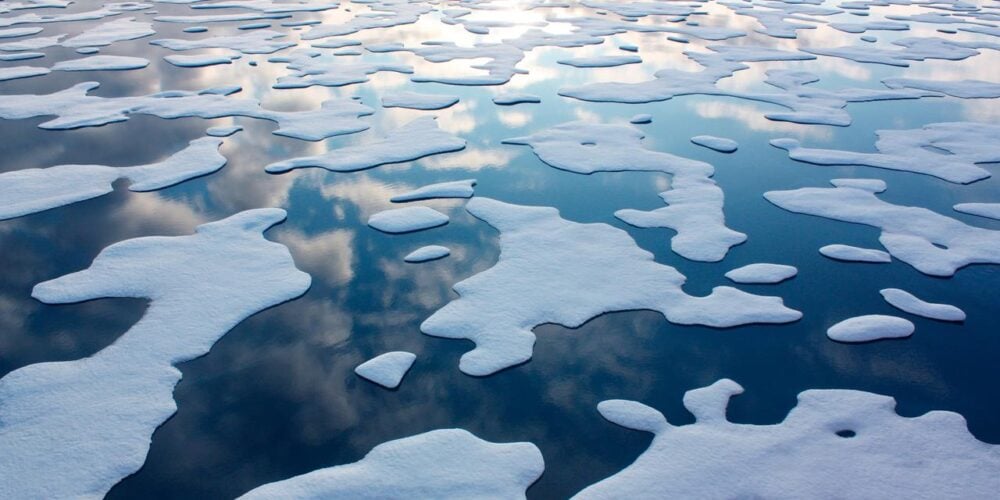
What happens in Antarctica may feel remote, but its impact will be felt everywhere. Melting ice will reshape coastlines, economies, and communities in ways humanity cannot ignore.
The frozen continent is a warning and a wake-up call. It reminds us that Earth’s systems are connected, and that decisions made today will echo for centuries. The collapse of Antarctica is not just a scientific story—it’s the story of our future.