
NASA’s latest Mars mission could finally provide answers to humanity’s oldest cosmic mystery.
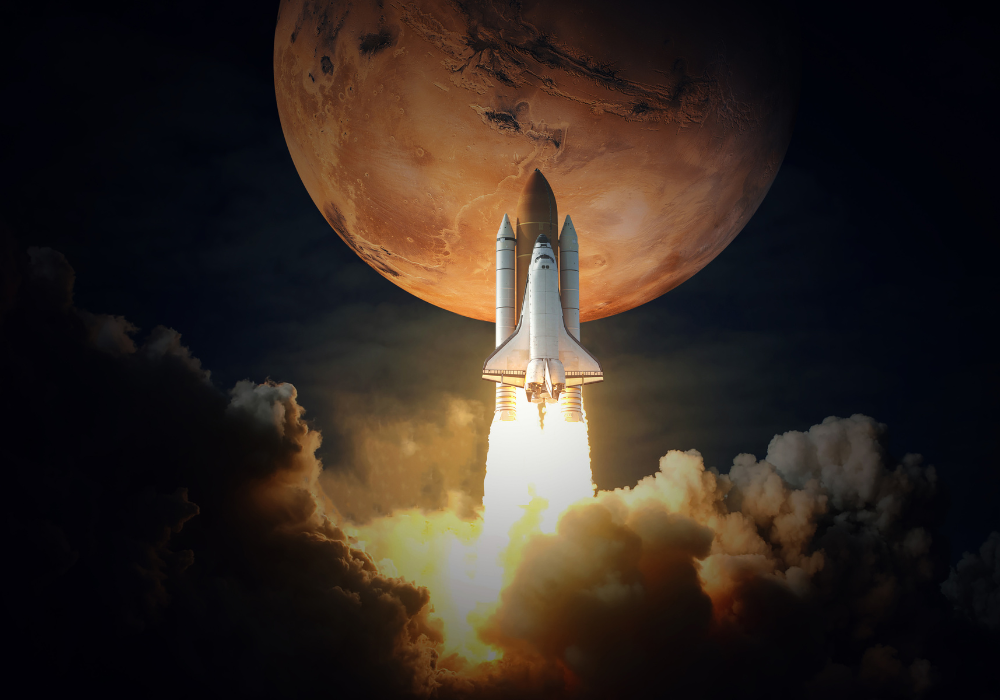
NASA’s eyes are once again fixed on Mars, and this time the stakes couldn’t be higher. The agency’s upcoming mission will probe the Red Planet for signs of ancient habitability, and possibly life itself.
Scientists have long suspected that Mars once had rivers, lakes, and even oceans, a theory supported by NASA’s Perseverance rover, which found evidence of an ancient river delta in Jezero Crater in 2021. Experts say the new mission could take that research even further, potentially answering humanity’s oldest question: are we alone in the universe?
1. The mission aims to answer humanity’s oldest question

For centuries, people have wondered if life exists beyond Earth. Mars is the most promising place in our solar system to find out. NASA’s next mission is designed with this exact goal in mind: uncovering whether the Red Planet once hosted living organisms.
The idea isn’t science fiction anymore. Evidence of ancient riverbeds, lakes, and deltas already suggests Mars was once habitable. Now, NASA is ready to push deeper, searching for signs that life may have existed—or could still exist—on our planetary neighbor.
2. Perseverance laid the foundation for what’s next
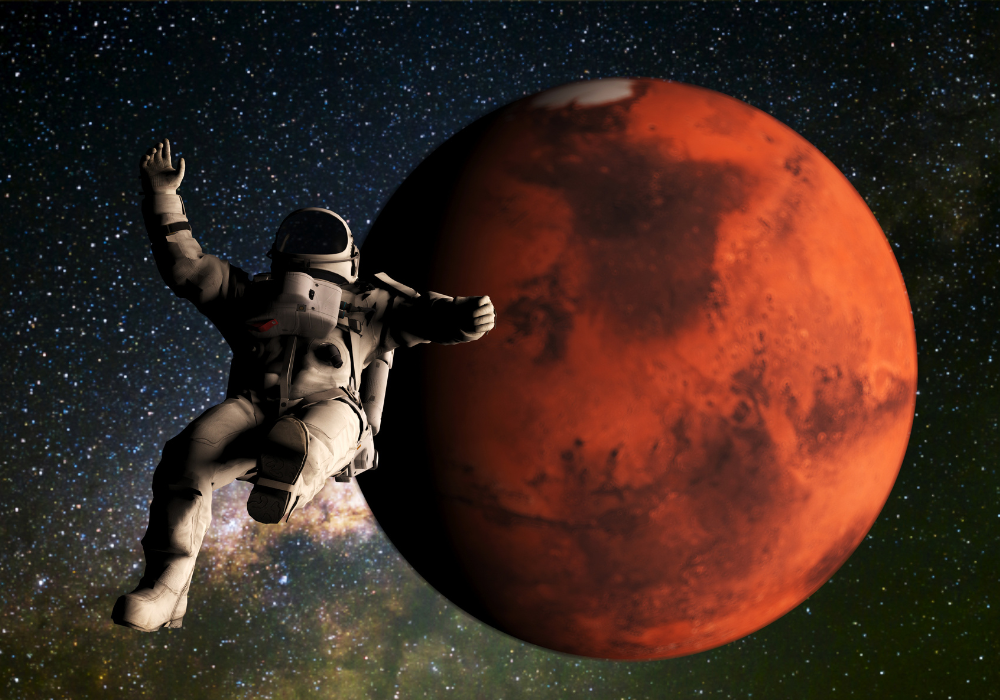
In 2021, NASA’s Perseverance rover made history by landing in Jezero Crater, an area scientists believe was once home to an ancient river delta. The rover has been collecting rock and soil samples that could contain clues about Mars’s past.
Those samples will eventually be returned to Earth, but the upcoming mission builds directly on this groundwork. By exploring new regions, NASA hopes to complement Perseverance’s discoveries and piece together a larger story about the planet’s history.
3. Ancient water reshaped the Martian landscape

Mars is dry and barren today, but evidence shows it wasn’t always this way. Orbital images reveal valleys, deltas, and channels carved by flowing water. NASA missions have even identified minerals that form only in liquid water.
The upcoming mission will target areas where this water once pooled. These regions are considered prime locations for signs of microbial life. If Mars once had stable water systems, it could also have had the conditions necessary for life to flourish.
4. Searching for signs of ancient microbes

Life doesn’t always mean aliens with technology or intelligence—it could mean ancient microbes. NASA scientists are especially interested in “biosignatures,” chemical or structural traces that might indicate living organisms once existed.
These traces could be locked inside rocks, minerals, or even sediments left behind by water. Finding them would be one of the most significant scientific breakthroughs in history, offering direct evidence that Earth is not the only place where life has ever emerged.
5. High-tech instruments are ready to scan Mars
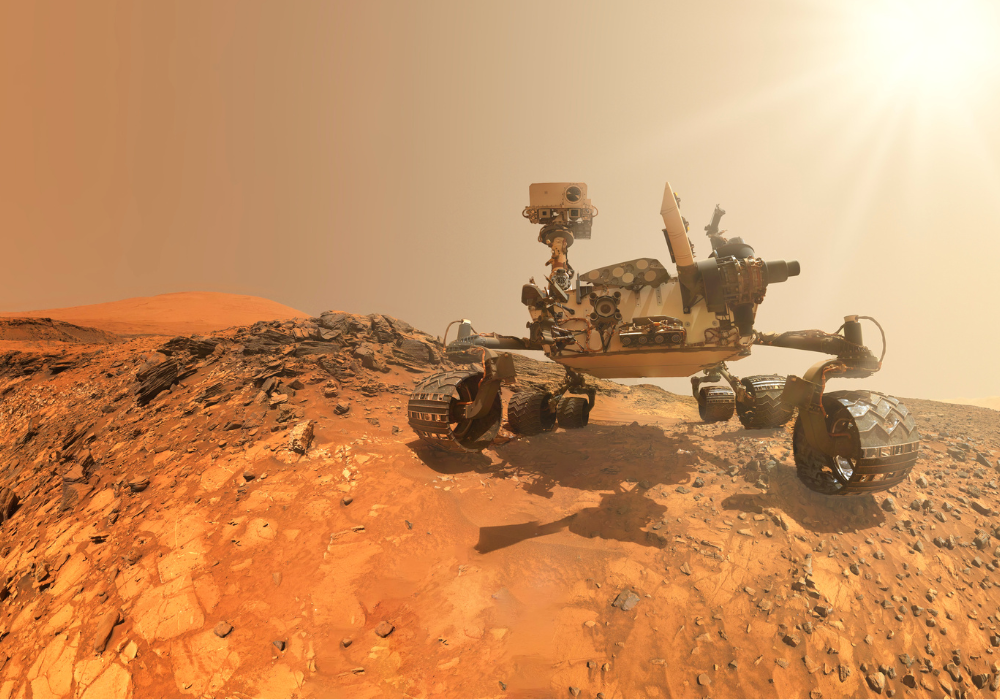
NASA’s new mission will deploy cutting-edge instruments capable of analyzing Mars’s surface and atmosphere in ways never before possible. These tools can detect organic molecules, measure chemical compositions, and even scan beneath the ground.
The goal is to identify possible biosignatures with precision. While rovers have already found intriguing clues, the next wave of technology is designed to confirm whether those hints point toward life. It’s a leap forward in both power and accuracy.
6. Learning from Martian rocks and soil
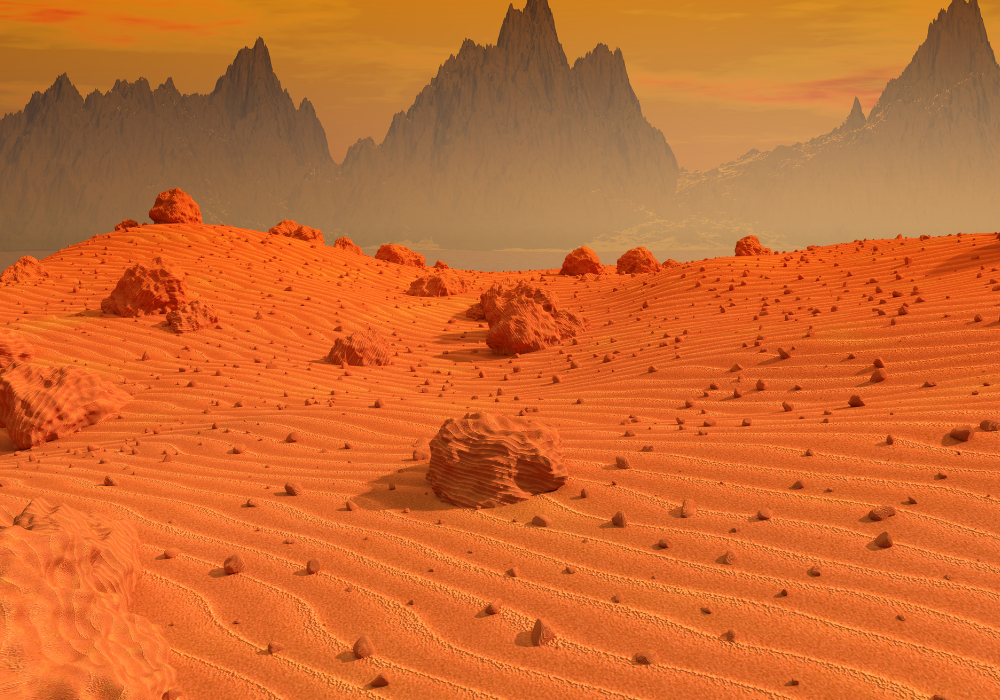
Soil and rock samples hold a detailed record of Mars’s history. The new mission will drill deeper into the Martian crust, where conditions are more stable and less affected by radiation.
Scientists believe this could reveal traces of organic compounds or microfossils that may have survived for billions of years. Unlike surface-level material, which is battered by harsh sunlight and dust storms, these deeper layers could preserve critical evidence of ancient life.
7. The Martian atmosphere may hold answers
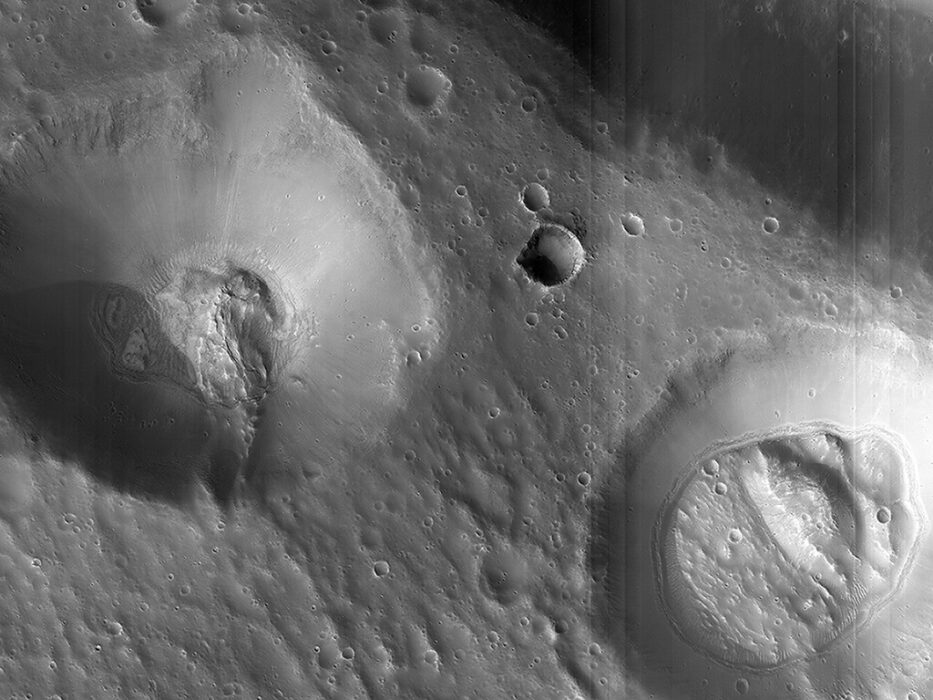
Mars once had a thicker atmosphere, but today it’s thin and unable to protect the surface from radiation. Studying how and why that atmosphere changed is another key mission objective.
By analyzing gases trapped in rocks or ice, scientists hope to reconstruct Mars’s climate history. This could explain not only how the planet became barren but also whether conditions were ever stable enough to support life over long periods.
8. Lessons for Earth’s climate and future
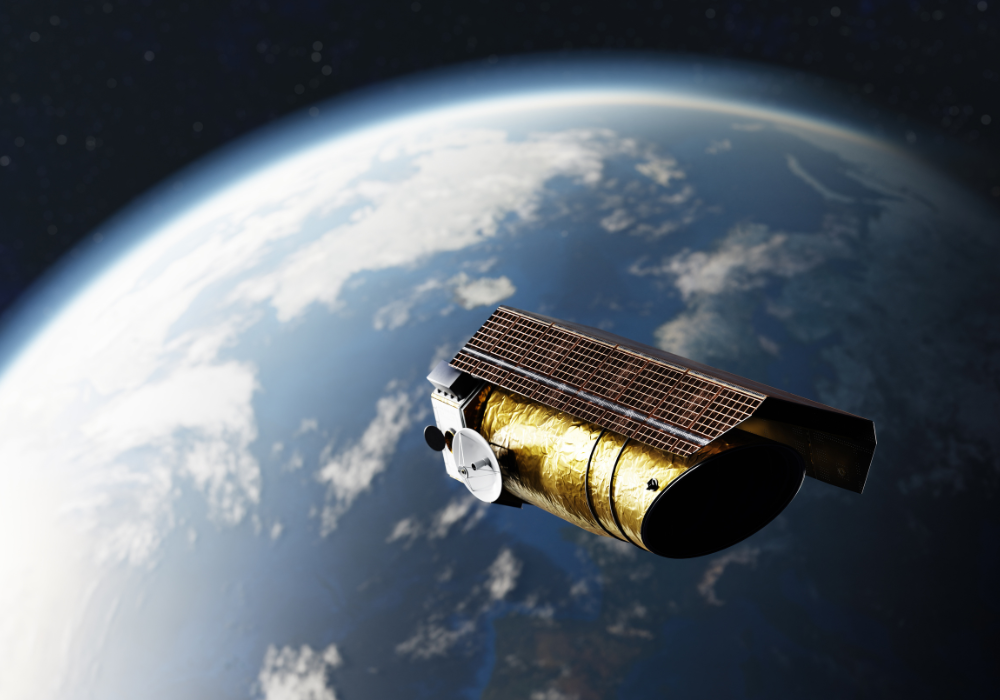
Studying Mars isn’t just about looking outward—it also helps us understand Earth. Mars is a planet that appears to have lost its water and atmosphere, leaving behind a frozen desert.
Understanding how this transformation happened could offer warnings for our own planet. Scientists believe Mars holds lessons about climate change, planetary stability, and what happens when protective systems break down. In that way, studying Mars is also a way of safeguarding Earth’s future.
9. Preparing for future human exploration
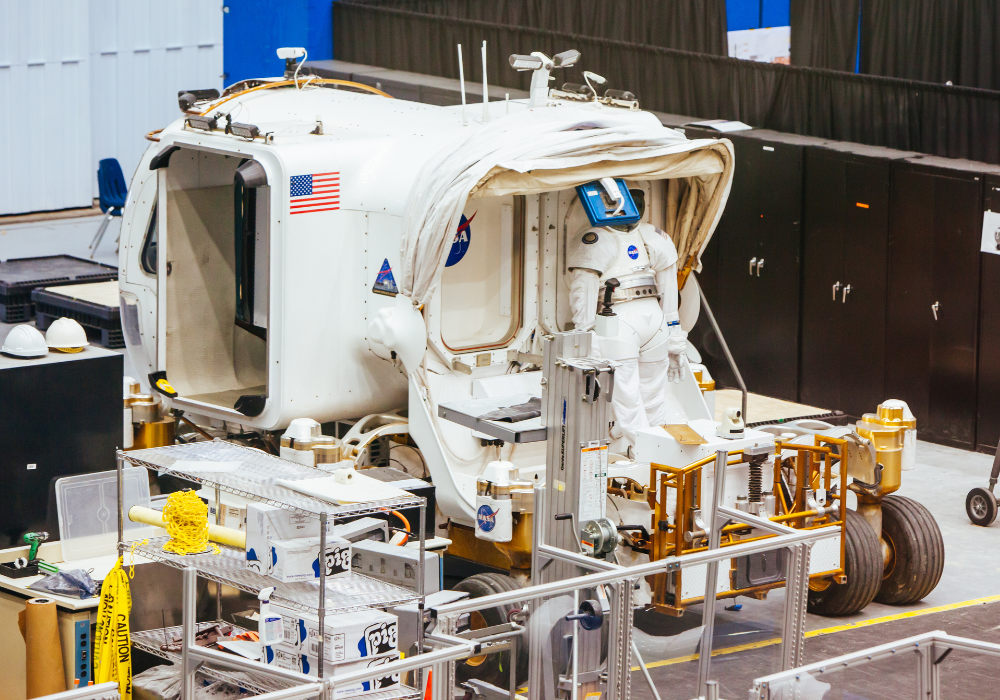
NASA isn’t only sending machines. Each mission helps prepare for the day humans set foot on Mars. The data collected will inform decisions about where to land, how to survive, and how to use local resources.
By testing new technologies like oxygen generation from the Martian atmosphere, NASA is laying the foundation for human exploration. The upcoming mission doubles as both a science expedition and a test bed for the future of human space travel.
10. International partners are joining the mission
NASA isn’t alone in this effort. International space agencies and research institutions are collaborating on instruments, data analysis, and potential sample return missions. This global partnership reflects the shared human drive to explore the unknown.
Pooling resources also makes the mission stronger. More countries involved means more advanced instruments, diverse expertise, and shared costs. The search for life on Mars is becoming one of the most collaborative scientific endeavors in history.
11. The risks of exploring the Red Planet

Mars is a challenging destination. Landing is notoriously difficult because of its thin atmosphere, which provides little braking power for incoming spacecraft. Dust storms can also interfere with solar power and instruments.
Despite these dangers, NASA has a strong track record of successful landings. The new mission will build on those lessons, but each attempt comes with risk. That’s part of the reason why every new rover or lander on Mars is celebrated as a historic achievement.
12. What if we actually find life?
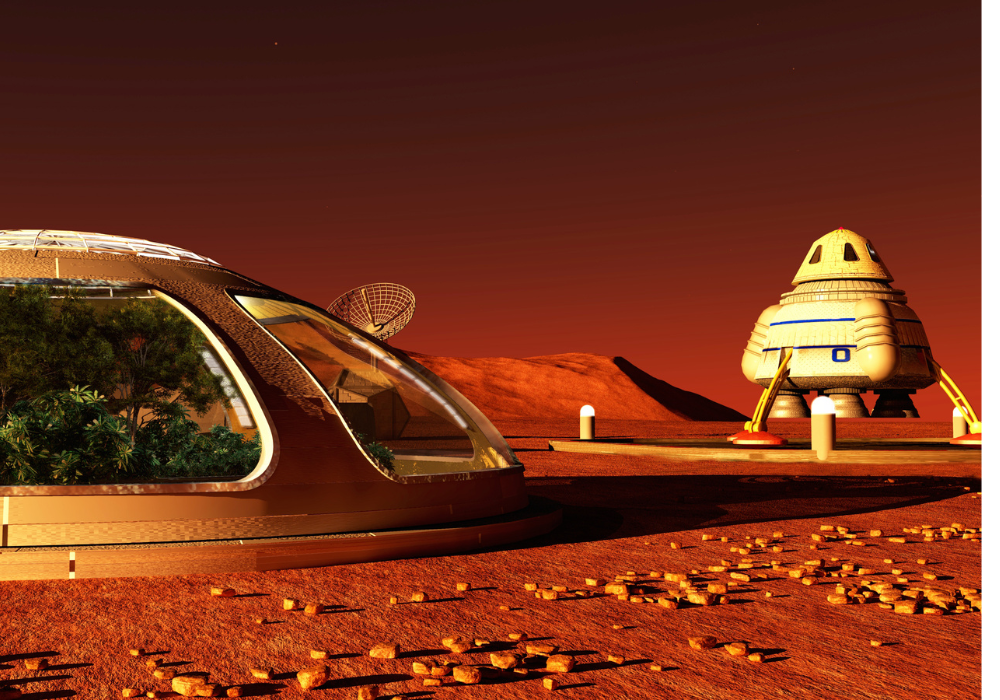
The discovery of even microbial life would be one of the greatest scientific milestones of all time. It would prove that life is not unique to Earth and could exist elsewhere in the universe.
Such a finding would raise profound questions: Did life on Earth and Mars share a common origin? Could life be widespread across the cosmos? And what would it mean for humanity’s understanding of our place in the universe?
13. Why this mission matters for the future of science
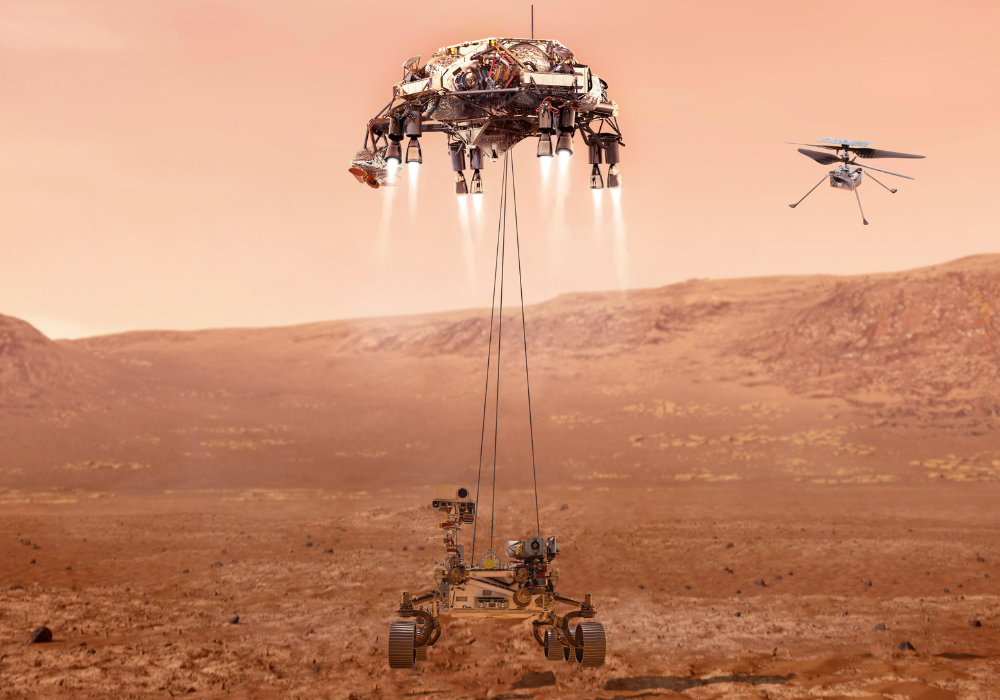
NASA’s next Mars mission is more than just a trip to another planet—it’s a test of humanity’s ability to seek answers to the deepest questions. Are we alone? Could life exist elsewhere? And what does Mars teach us about survival and change?
By pushing the boundaries of exploration, NASA is showing that even our nearest planetary neighbor holds secrets that could reshape science, technology, and philosophy. The Red Planet may finally help humanity confront one of its oldest mysteries.