
Warming seas are drawing more great white sharks to the region, raising risks for swimmers and coastal communities.
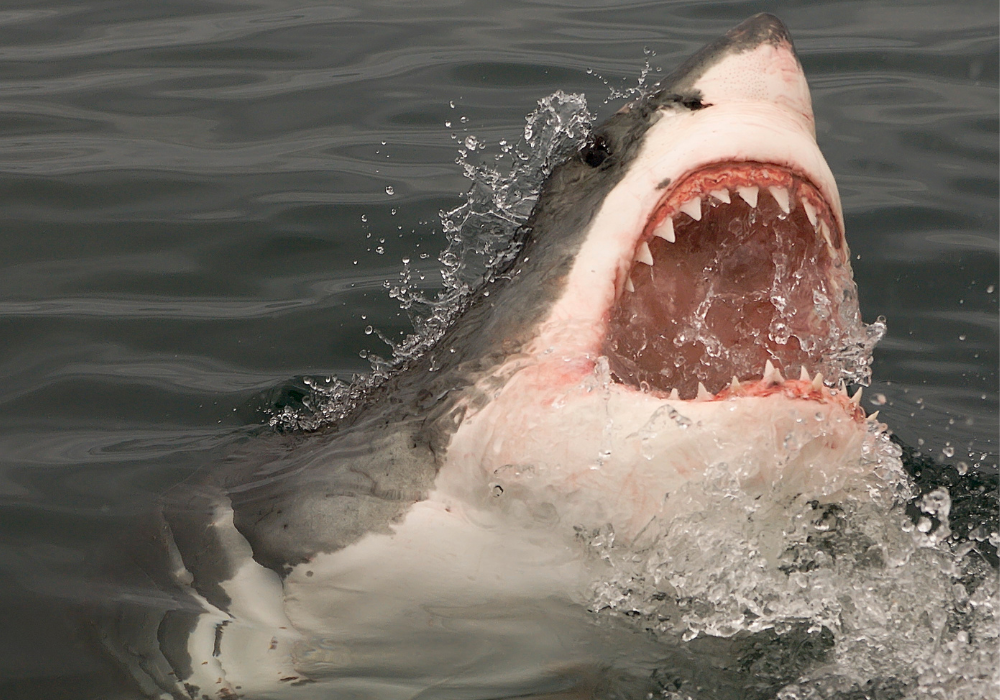
The waters off New England are changing fast, and not in ways most beachgoers expect. As ocean temperatures rise, great white sharks are following their prey north, showing up in places where sightings used to be rare.
Each summer, reports of fins breaking the surface stir both fascination and fear along the coast. Scientists warn the trend isn’t temporary—it’s the new reality of a warming world. For swimmers, surfers, and vacationers, that means sharing the water with one of nature’s most formidable predators more often than ever before.
1. Warming oceans are creating a shark highway

As global temperatures rise, ocean waters along the East Coast are heating up. Great white sharks follow cooler water, but now they’re adapting to warmer currents that push them further north each year. The result is a steady migration into New England’s once-quiet waters.
This shift isn’t random—it’s driven by climate change altering entire ecosystems. Species that used to thrive further south are moving into new territories, bringing predators with them. For New England, that means an increasing presence of great whites during the hottest months of summer.
2. Seal populations are booming along New England’s coast

One of the main reasons sharks are showing up in greater numbers is food. New England’s coastline has seen a remarkable rebound in seal populations, offering a reliable buffet for hungry great whites. Where the seals go, the sharks inevitably follow.
This natural predator-prey relationship is being amplified by warming seas that support more seals in northern waters. The beaches that once felt safe for swimmers are now hotspots for one of the ocean’s fiercest hunters. The rise of seals is a success story—but it comes with sharp-toothed consequences.
3. Shark sightings are increasing every summer

Local authorities and beachgoers are reporting more shark sightings each year, and the trend is clear: summer waters are no longer as empty as they once were. Drone footage, lifeguard alerts, and tracking tags all confirm the rise.
For vacationers, that means more warnings and occasional beach closures. While actual attacks remain rare, the frequency of encounters is growing. The thrill of spotting a fin is now tempered by fear, reminding swimmers that they’re sharing the surf with powerful predators drawn closer by climate change.
4. New England is becoming the new shark hotspot
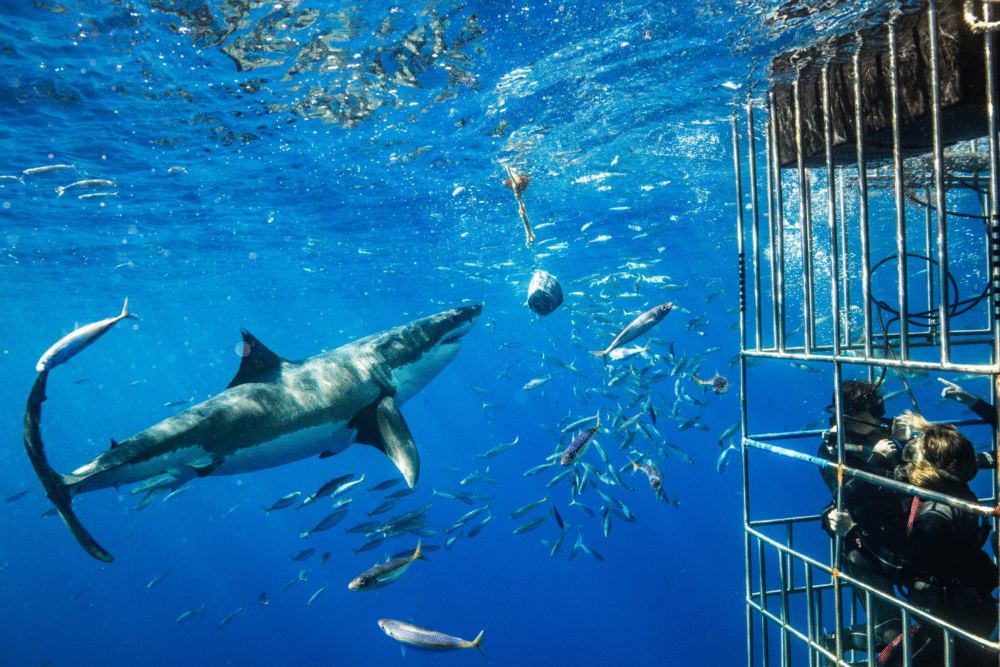
Places like Cape Cod are quickly gaining a reputation as great white destinations. Researchers say the region now sees one of the highest concentrations of great whites in the Atlantic, a dramatic change from decades past.
The area has become both a scientific goldmine and a tourist attraction for shark-watchers. But for locals and visitors alike, it also brings new anxiety. Climate change is rewriting the region’s identity—from a safe summer retreat to a seasonal shark hotspot.
5. Warmer seas are reshaping vacation traditions

Families that once flocked to New England beaches for carefree summer swims are now approaching the water more cautiously. The tradition of diving into the surf is giving way to more time on shore, or even vacationing elsewhere.
Sharks are not just a biological shift—they’re a cultural one. Climate change is altering how people use the coastline, changing cherished routines in ways no one expected. What was once a symbol of relaxation may soon carry a permanent edge of fear.
6. Shark tourism is rising alongside the risks

While many beachgoers feel uneasy, others are flocking to see the sharks. Shark tours and research expeditions are booming, drawing thrill-seekers eager to witness the predators up close. For some communities, sharks are becoming an economic draw.
But the line between fascination and danger is thin. More boats, divers, and curious tourists increase the chances of risky encounters. What climate change has brought to the coast is creating both opportunity and unease, forcing communities to balance tourism with public safety.
7. Scientists warn this trend isn’t temporary
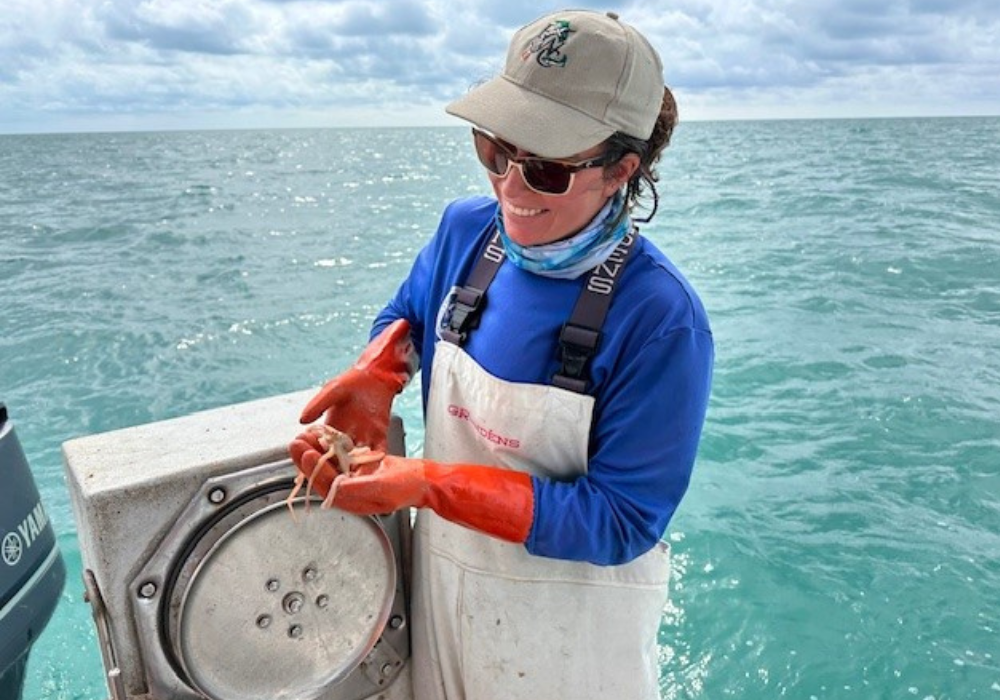
Experts say shark migration northward is not a fluke—it’s a lasting shift tied directly to warming waters. As long as the oceans heat up, sharks will continue to expand into new regions. New England is just one example of this broader pattern.
The data show the movement is accelerating. Researchers warn that by mid-century, great white sharks could be a regular summer presence far beyond current hotspots. The story unfolding in New England is a preview of what coastal communities around the world may face.
8. Beach safety is becoming more complicated
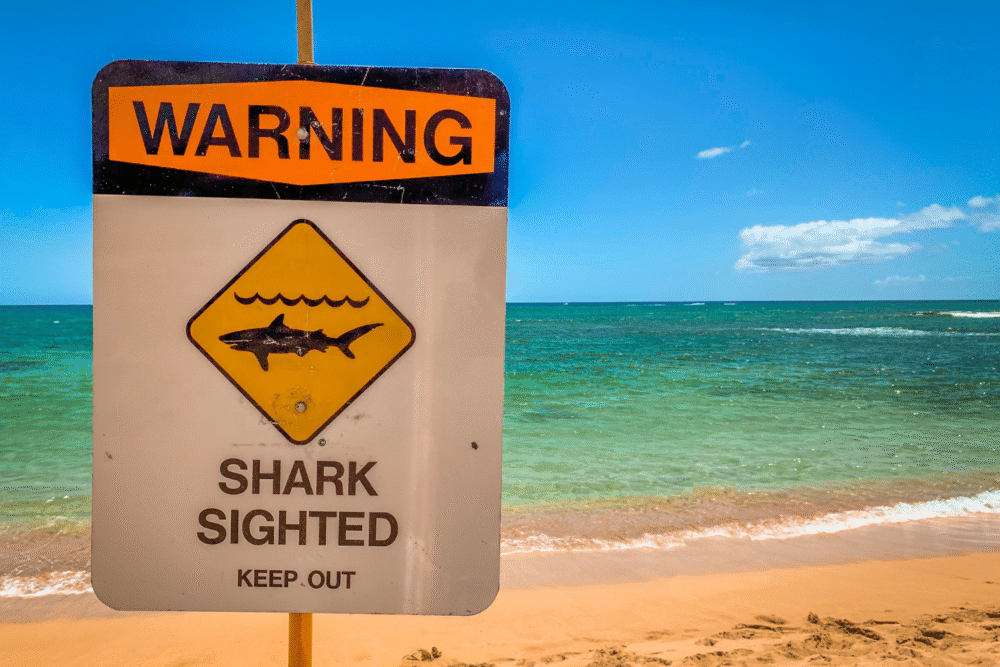
Communities across New England are scrambling to adapt. From shark-spotting drones to new warning flags and alert systems, safety measures are becoming a normal part of beach management. Lifeguards are being trained for situations that would have been unimaginable a generation ago.
For swimmers, this means heightened vigilance. The freedom of plunging into the surf without a second thought is fading. Climate change has made even simple recreation more complicated, and safety now requires constant awareness of what lurks below the waves.
9. Rare attacks remind swimmers of the risks
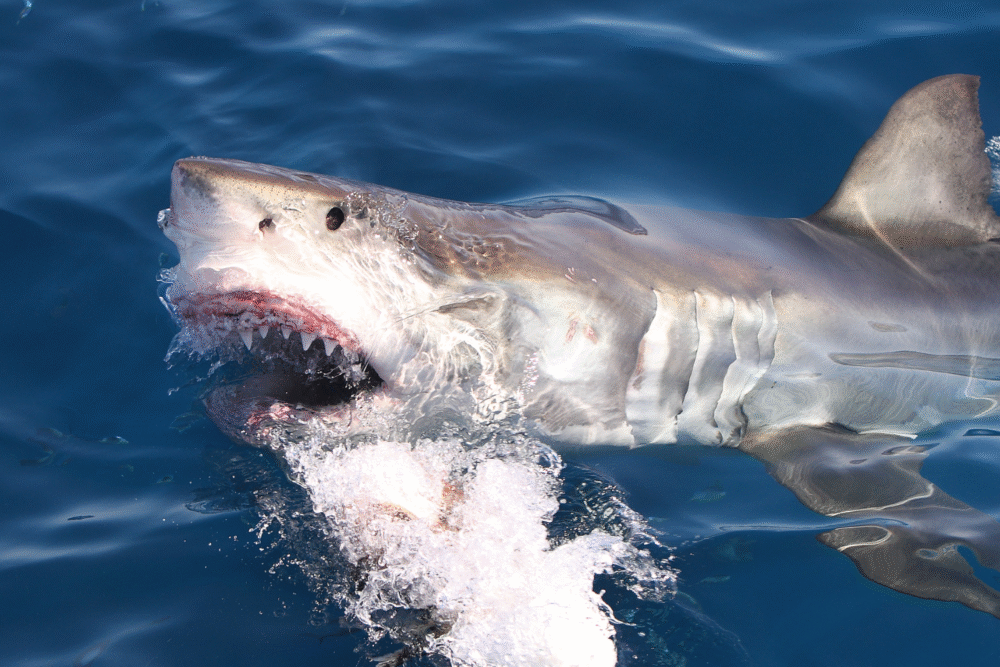
Though shark attacks remain rare, when they happen, they send shockwaves through communities. Even a single incident is enough to alter perceptions of safety, creating long-lasting caution for locals and tourists alike.
The rise in shark presence increases the likelihood of encounters, even if actual attacks are uncommon. Climate change is reshaping the balance between humans and predators, and the risks—while statistically small—are now a visible part of beach culture in New England.
10. Sharks are a symbol of climate’s hidden consequences

Great whites off New England are more than just a beach scare story—they’re a sign of deeper change. Warming waters are rewriting migration patterns, reshaping ecosystems, and altering human traditions all at once.
The fins breaking the surface each summer tell a bigger story: climate change is happening everywhere, even in places that once felt safe and familiar. For New England, the sharks are both a warning and a reminder that the ocean’s future is being rewritten in real time.