
Turns out Mom and Dad’s scariest warnings were more myth than menace—and kind of hilarious in hindsight.

Remember when your parents convinced you that swallowing gum would create a seven-year intestinal traffic jam? Turns out, most of the dire warnings that kept us up at night as kids were about as accurate as a weather forecast. We grew up in a world of parental panic, where everyday activities came with elaborate cautionary tales that would make a horror movie seem tame.
Looking back, it’s almost comical how seriously we took these warnings, walking on eggshells around perfectly innocent things. We survived, and most of those childhood fears were completely overblown.
1. Sitting Too Close to the TV Will Ruin Your Eyes Forever

Your mom probably had a measuring tape ready to enforce the “proper” TV viewing distance. She’d march you back to the couch like a drill sergeant, convinced that getting within five feet of the screen would turn you into Mr. Magoo by age twelve. This warning was so universal that entire generations grew up believing television sets were basically eye-destroying death rays disguised as entertainment.
Spoiler alert: your eyeballs are fine. Modern research shows that sitting close to screens might cause temporary eye strain or fatigue, but it won’t cause permanent damage. Kids naturally sit closer to things because their eyes can focus better at short distances than adults can.
2. Swallowing Gum Takes Seven Years to Digest

This legendary warning turned every accidental gum swallow into a countdown to digestive doom. Parents painted vivid pictures of rubber wads accumulating in our stomachs like some kind of internal construction project. We imagined tiny gum balls forming elaborate sculptures in our intestines, creating permanent roadblocks that would require surgical intervention.
Your digestive system is actually way more efficient than your parents gave it credit for. While gum doesn’t break down completely, it passes through your system in a few days just like most other indigestible materials. The seven-year timeline was pure fiction, probably invented by someone who really didn’t want to clean gum off their shoes.
3. Swimming After Eating Guarantees Instant Death by Drowning

The dreaded one-hour post-meal swimming ban turned every beach day into a carefully orchestrated military operation. Parents would set timers, check watches, and guard pool entrances like lifeguards on steroids. The logic seemed ironclad: eat food, get cramps, sink like a stone, become a cautionary tale for future generations.
Reality check: mild stomach discomfort might slow you down slightly, but it won’t turn you into an anchor. Professional swimmers often eat before competitions without mysteriously vanishing beneath the waves. This rule probably started as a way for exhausted parents to get a break after lunch, not from any real safety concern.
4. Cracking Your Knuckles Will Give You Arthritis When You’re Old
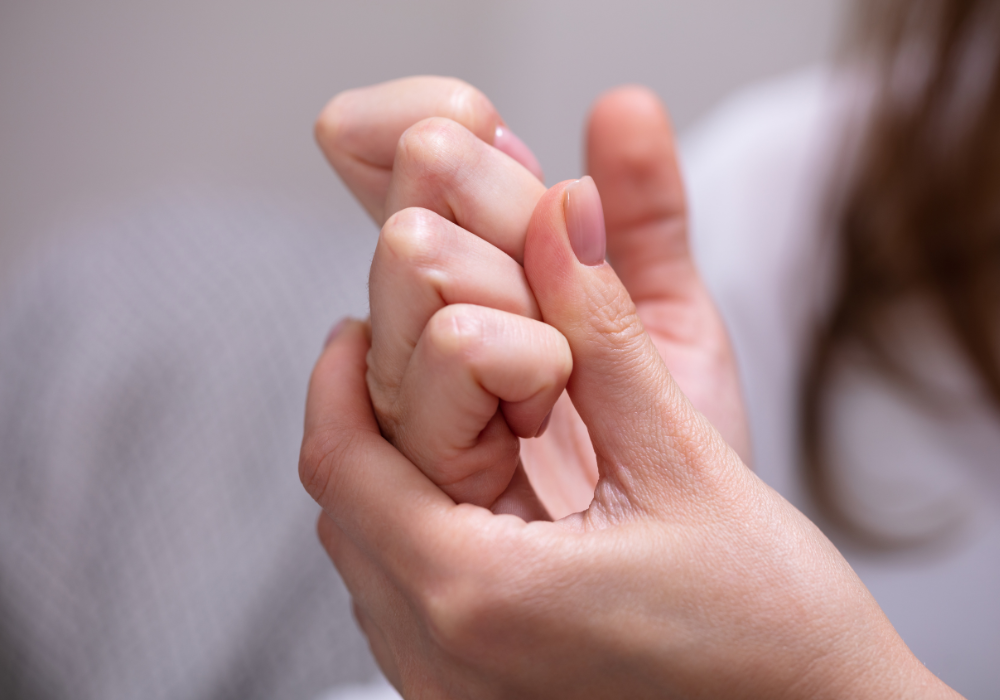
Every satisfying knuckle pop came with a side of parental horror and predictions of gnarled, painful hands in your golden years. Parents would physically stop us mid-crack, as if we were about to trigger some kind of joint-destroying time bomb. The warning was so specific and dire that many of us still feel a twinge of guilt when we hear that familiar pop.
Decades of research have found zero connection between knuckle cracking and arthritis. That popping sound is just gas bubbles in your joint fluid, not your cartilage disintegrating in real time. Some studies even suggest that habitual knuckle crackers might have better hand function as they age, though probably not enough to justify doing it in quiet libraries.
5. Going Outside with Wet Hair Will Make You Catch Pneumonia

Mothers everywhere became meteorologists when it came to our hair moisture levels and outdoor temperature readings. They’d guard doorways like bouncers, armed with hair dryers and dire predictions about lung infections. The mere thought of stepping outside with damp hair was treated like biological warfare against our own respiratory system.
Viruses and bacteria cause pneumonia, not fashion choices involving wet hair. Your hair’s moisture level has absolutely no bearing on your immune system’s ability to fight off infections. This myth probably gained traction because cold and flu season coincides with colder weather, creating a false correlation that anxious parents ran with.
6. Eating Watermelon Seeds Will Grow a Plant in Your Stomach

Summer picnics became minefields of tiny black seeds that could allegedly transform your digestive tract into a personal garden. Parents would inspect every bite, convinced that swallowing even one seed would result in vines sprouting from our ears by Labor Day. The image of watermelon plants taking root in our bellies was both terrifying and oddly fascinating.
Your stomach acid could dissolve a nail, so a tiny seed doesn’t stand a chance of setting up shop. Seeds need soil, sunlight, and water to germinate, not the hostile, acidic environment of your digestive system. Most seeds pass through completely unchanged, probably wondering what kind of terrible soil they just experienced.
7. Reading in Dim Light Will Make You Go Blind

Every cozy reading session under blankets with a flashlight became an act of rebellion against parental eye-safety protocols. Parents would burst into rooms flipping on overhead lights like they were conducting emergency eye surgery. They painted pictures of gradual vision loss, as if each page read in poor lighting was another step toward total darkness.
While reading in dim light might make your eyes work harder and feel tired, it won’t cause permanent damage or blindness. It’s like going for a long walk – your legs might feel tired afterward, but they’re not damaged. Your eyes are remarkably resilient organs that can handle much more than our parents realized.
8. Making Funny Faces Will Freeze Your Expression Permanently

Every goofy grimace came with urgent warnings about wind changes and permanent facial paralysis. Parents treated silly faces like Russian roulette for your features, convinced that one unfortunate timing coincidence would leave us looking ridiculous forever. This threat was particularly effective because it combined immediate consequences with lifelong social mortification.
Facial muscles work just like any other muscles in your body – they return to their natural position when you relax them. No amount of tongue-waggling or eye-crossing will override your basic muscle memory and facial structure. This warning was probably just a creative way to get kids to stop making obnoxious faces during family photos.
9. Eating Pop Rocks and Drinking Soda Will Make Your Stomach Explode

The combination of carbonated candy and carbonated beverages was treated like a recipe for internal combustion. Urban legends swirled about kids whose stomachs allegedly burst from the gas buildup, turning a fun snack into a potential suicide mission. Parents would confiscate Pop Rocks like they were handling dangerous explosives, not sugary treats.
Your stomach produces way more gas naturally than Pop Rocks and soda ever could. The small amount of carbon dioxide from this combination is nothing compared to what your digestive system deals with daily. The myth probably started because the combination does create a pretty intense fizzing sensation, but sensation and actual danger are completely different things.
10. Touching a Toad Will Give You Warts

Every encounter with amphibians became a potential dermatological disaster, with parents treating toads like they were covered in contagious skin lesions. We’d eye those bumpy creatures with fear and fascination, convinced that one accidental touch would leave us looking like the witch from fairy tales. Toad-touching became the ultimate dare among brave kids.
Warts are caused by human viruses, not toad secretions. Those bumps on a toad’s skin are glands, not warts, and they can’t transfer to humans anyway. The only thing you might get from handling a toad is slightly irritated skin if you’re sensitive to their natural secretions, but definitely not warts.
11. Eating Before Bed Will Turn You into a Chunky Monkey Overnight

Late-night snacks were treated like dietary time bombs that would somehow transform directly into love handles while we slept. Parents painted pictures of our metabolisms shutting down completely after sunset, turning every bedtime cookie into permanent body fat. The fear of overnight weight gain made midnight refrigerator raids feel like acts of self-sabotage.
Your metabolism doesn’t punch a time clock and head home at bedtime. While eating massive meals right before sleep might affect your sleep quality, it won’t magically create more fat than eating the same food earlier in the day. Weight gain happens from consistently eating more calories than you burn, not from poor snack timing.