
Climate chaos is turning small human errors into disasters that threaten lives, cities, and entire nations.

When extreme weather collides with human stupidity, the results can be absolutely catastrophic. We’re not just talking about stronger hurricanes or bigger wildfires – climate change is turning our everyday bad decisions into death traps. We keep telling ourselves that these disasters are just bad luck or acts of God, but the truth is way more uncomfortable than that.
Climate change isn’t just making nature more violent – it’s exposing every shortcut we’ve taken, every warning we’ve ignored, and every time we’ve chosen convenience over safety. And sadly, we’re still making the same bone-headed mistakes that got us into this mess, just with deadlier consequences.
1. Building Cities Where Floods Hit Hardest
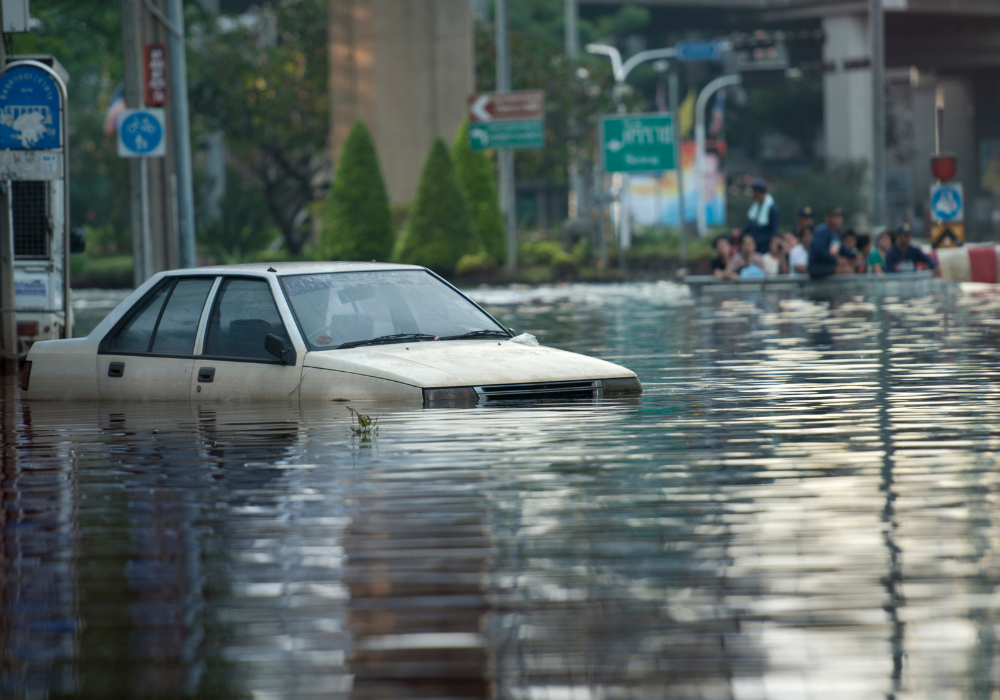
Developers continue pouring concrete in floodplains, along coastlines, and in low-lying areas, convinced that levees and drainage systems will hold. It’s a gamble stacked against them, because climate-driven storms now dump more water than these systems were ever built to handle.
The result is predictable but devastating. Entire neighborhoods transform into bathtubs, trapping families and destroying homes. What should have been a red flag in city planning becomes a costly and dangerous mistake, fueled by the false belief that human engineering can always outsmart nature.
2. Ignoring Old Infrastructure Until It Breaks
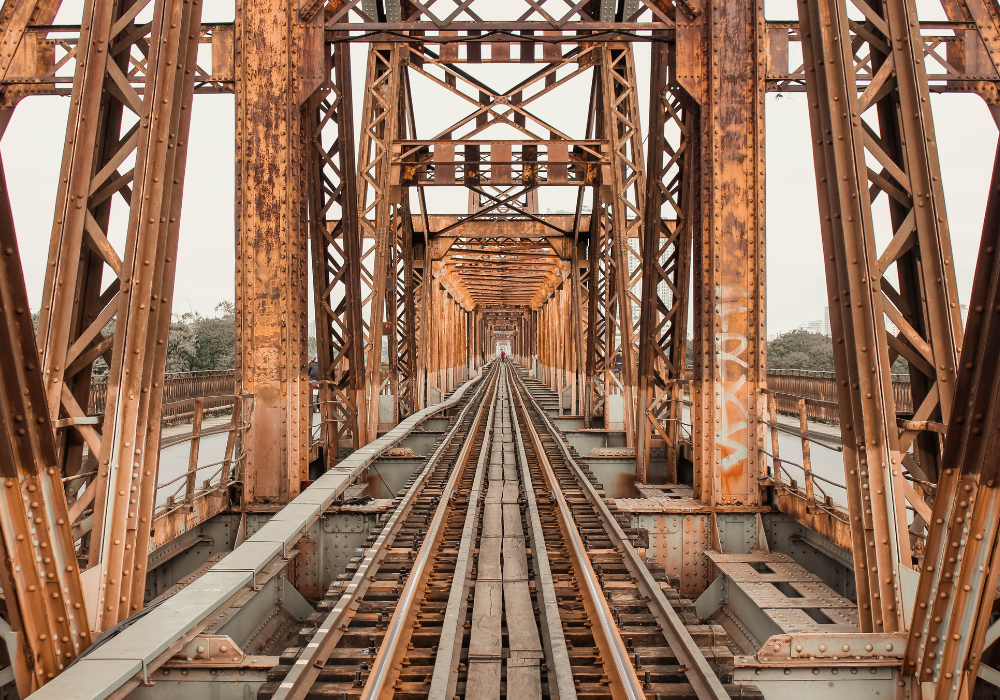
Many of the bridges, dams, and power grids we rely on are decades old, designed for gentler weather. Instead of upgrading, leaders often patch problems until something finally gives way.
When today’s climate extremes hit, those weak points collapse. Heatwaves buckle rails, mega-storms strain dams, and small flaws quickly grow into deadly failures. What could have been prevented with steady investment becomes a public safety crisis born of neglect.
3. Underestimating Wildfire Risks in Growing Suburbs
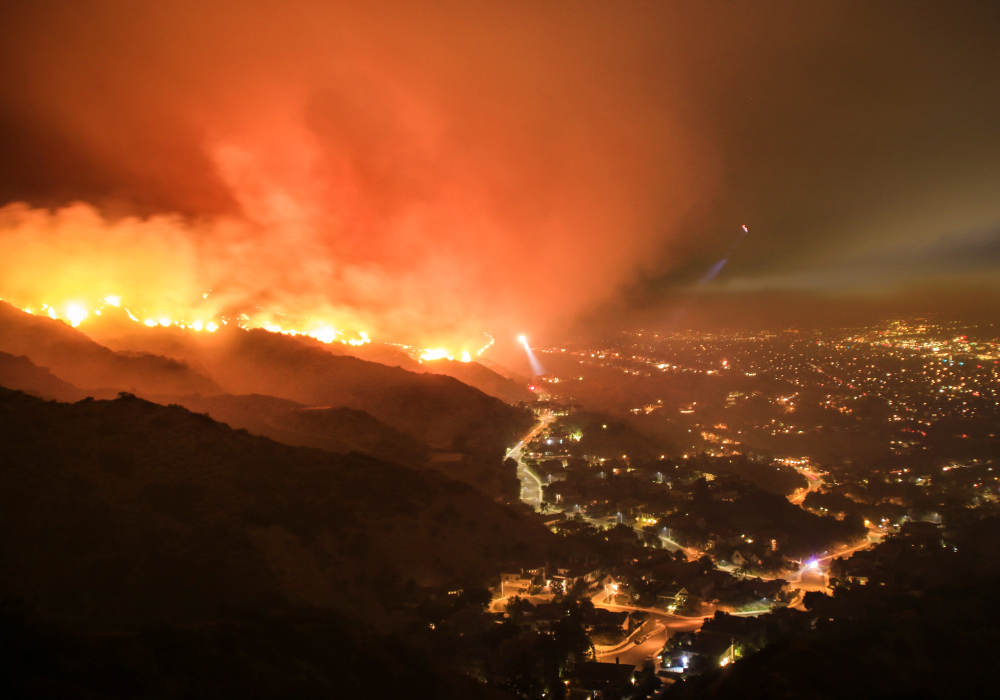
Suburban growth has pushed thousands of new homes into fire-prone landscapes. Families assume they’ll have time to evacuate or that firefighters will always arrive in time. That confidence doesn’t hold up when climate change supercharges wildfires into fast-moving infernos.
Houses with flammable roofs, narrow roads, and no defensible space leave communities defenseless. One spark can turn an entire neighborhood into kindling. People believe they’re safe, but in reality they’ve built directly in the path of climate-fueled firestorms.
4. Treating Heatwaves Like Minor Inconveniences

Heat doesn’t get the same respect as hurricanes or tornadoes, but it kills more people than both combined. Cities often make matters worse by paving over green space, removing shade, and delaying investments in cooling centers.
As climate chaos pushes temperatures to record highs, this oversight becomes deadly. Vulnerable residents, from seniors to outdoor workers, suffer the consequences. What looks like laziness in planning is really a life-or-death mistake once the mercury soars.
5. Cutting Corners on Emergency Plans
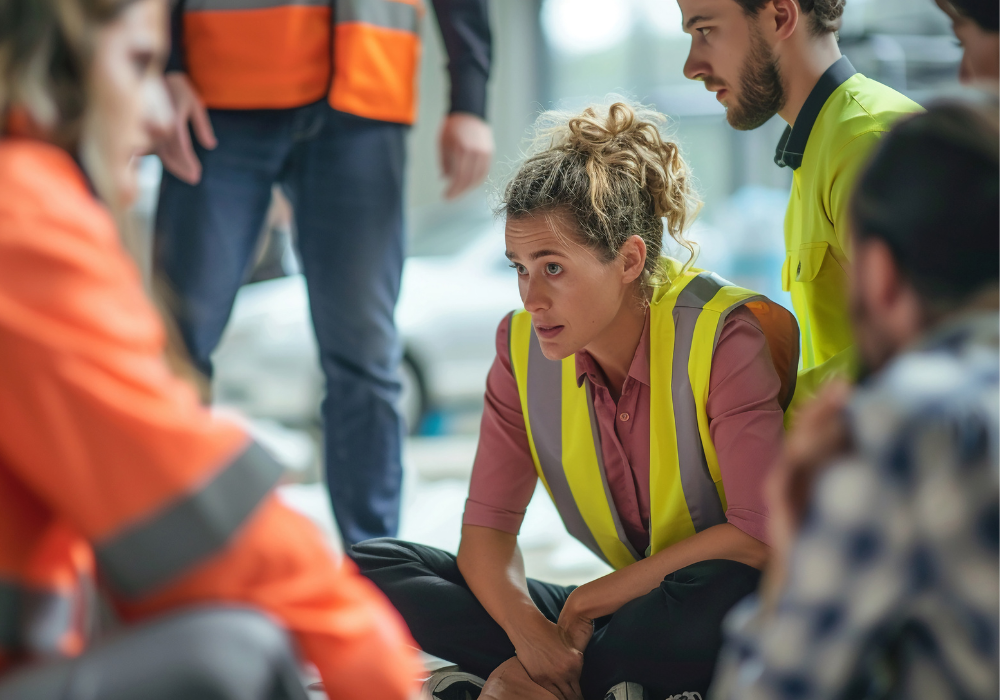
Emergency response plans are often treated as paperwork instead of lifelines. Some communities skip drills, underfund training, or fail to update plans for today’s climate threats.
When disaster arrives, everything unravels. Evacuation routes clog, shelters run short of supplies, and communications falter. These failures don’t come from the storm itself—they come from years of ignoring the reality that climate chaos demands faster, smarter responses.
6. Trusting Technology to Solve Everything

There’s a dangerous faith in gadgets, apps, and walls to keep us safe. People assume flood sensors, wildfire detection systems, or towering barriers can handle whatever nature throws at them.
But technology does fail, and it often fails big. A glitch, a power outage, or a storm bigger than the model anticipated leaves entire communities exposed. Relying too much on tech without addressing root risks is a shortcut that turns small mistakes into full-blown disasters.
7. Expanding Agriculture in Fragile Regions
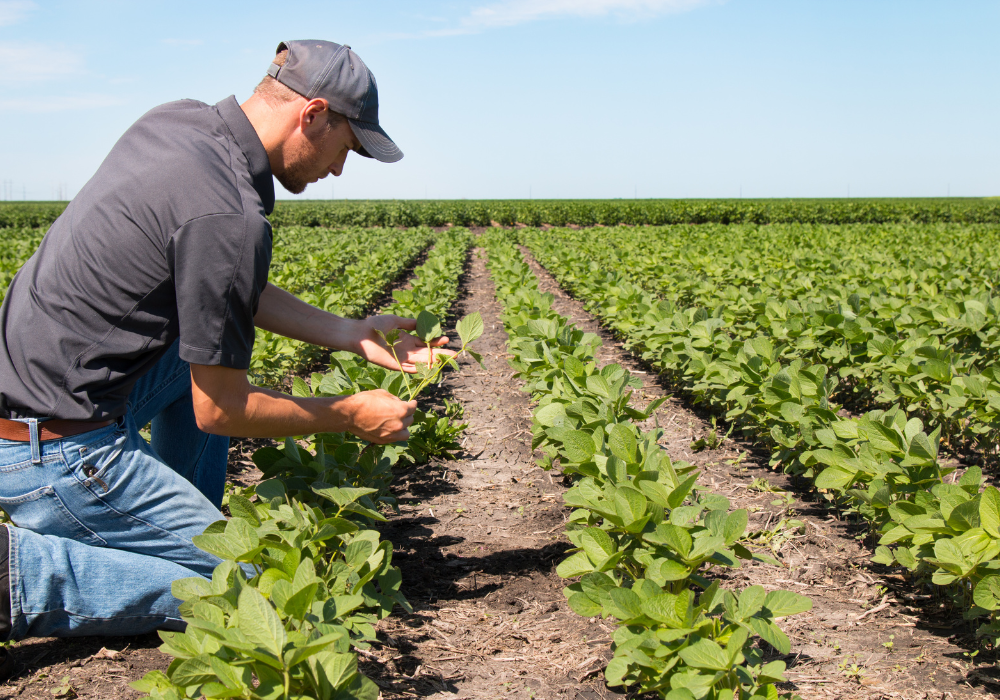
Farmers often stretch crops into regions already stressed by drought, chasing profits in places where water is scarce. Climate change makes this gamble even riskier, shrinking aquifers and scorching fields.
When drought inevitably strikes, harvests collapse. Food prices spike, supply chains crack, and hunger spreads far beyond the farm itself. The human error isn’t just in the planting—it’s in ignoring the bigger picture of a changing climate.
8. Paving Over Nature’s Defenses
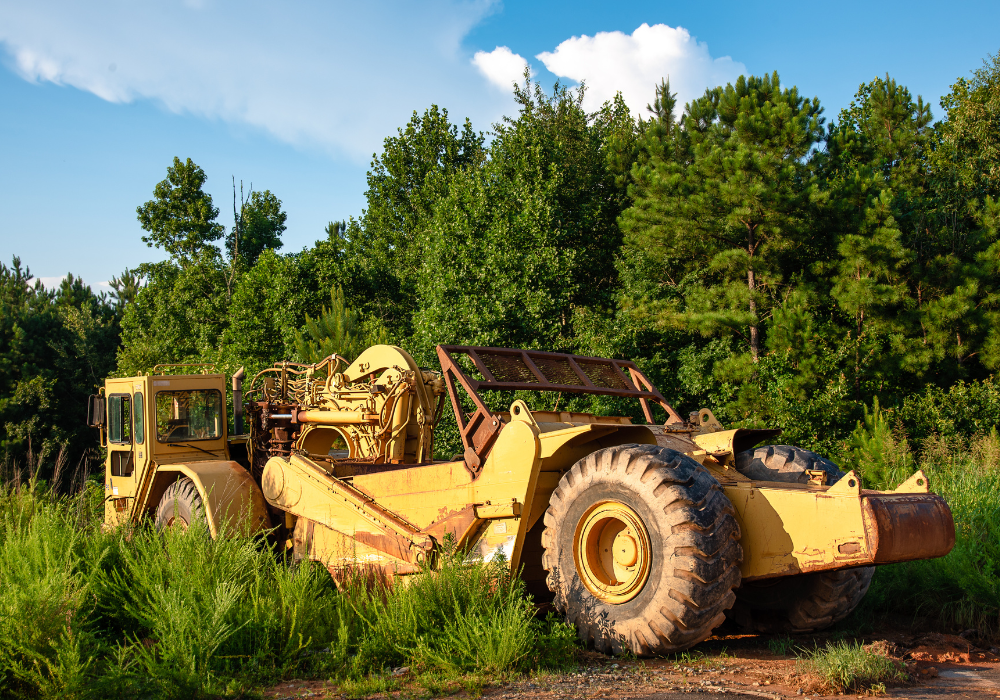
Wetlands, mangroves, and forests are natural shields against rising seas, storm surges, and floods. Yet these ecosystems are bulldozed for development, stripping away protection we can’t easily replace.
Climate chaos sends in higher tides or stronger storms, but those lost defenses can’t do their work. Floodwaters surge deeper, erosion speeds up, and damages soar. By tearing down nature’s barriers, we leave ourselves brutally exposed.
9. Ignoring Warnings Until It’s Too Late
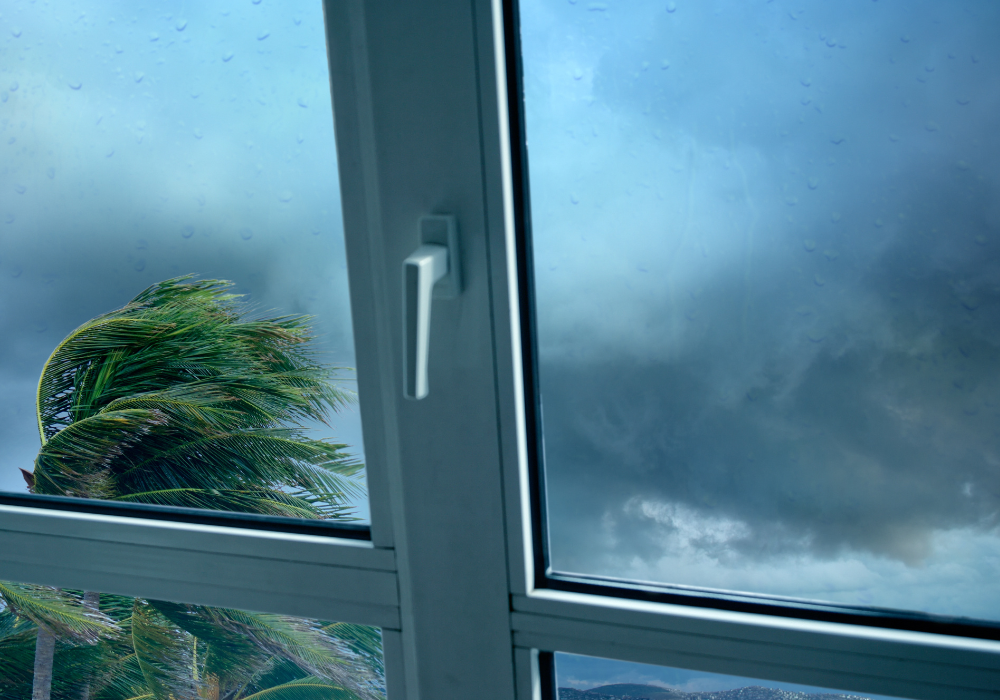
Emergency officials often issue clear alerts, but people hesitate—convinced the storm won’t be “that bad.” Some stay put out of stubbornness, while others simply don’t trust the warnings.
By the time danger is undeniable, it’s too late. Roads jam, shelters fill, and rescues become desperate. Human hesitation transforms climate disasters into personal tragedies that could have been avoided.
10. Rebuilding the Same Way After Every Disaster

Communities hit by floods, hurricanes, or fires almost always rebuild in the same spot, in the same way. It feels comforting to return to “normal,” but it’s also reckless.
Each rebuild without adaptation is a setup for the next tragedy. Stronger storms, higher seas, and hotter fires are guaranteed, yet we keep repeating old patterns. In doing so, we turn recovery into an endless cycle of destruction and loss.