
If the Amazon collapses, it could unleash climate chaos worldwide and erase Earth’s greatest rainforest.
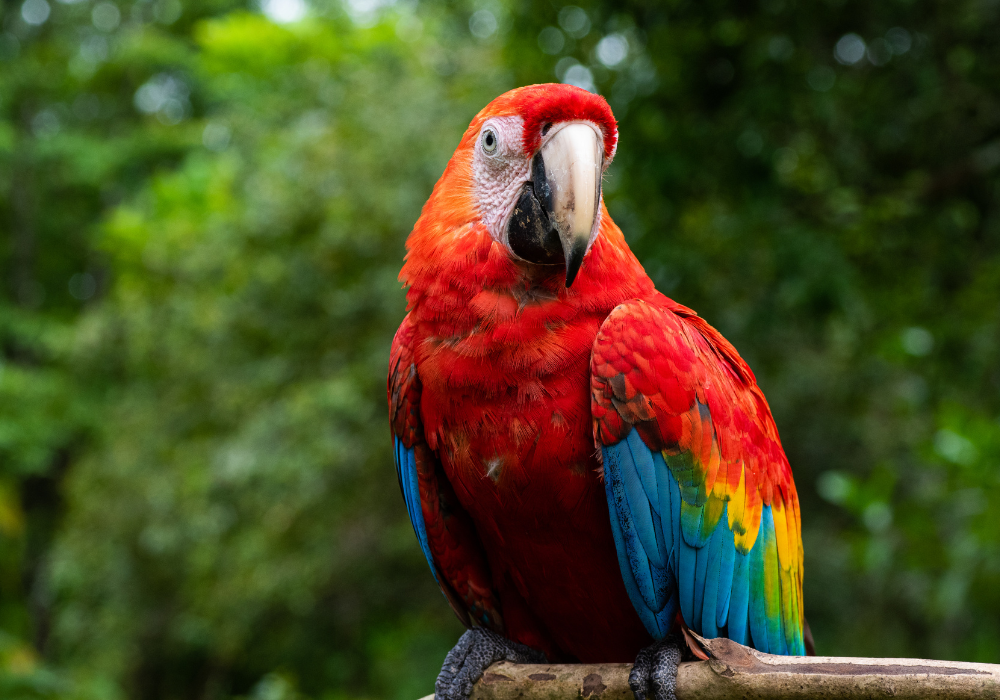
The Amazon rainforest has survived ice ages, volcanic eruptions, and countless droughts over millions of years. It’s been Earth’s green lung, pumping out oxygen and absorbing carbon dioxide while housing more species than anywhere else on the planet.
But scientists are now warning that this incredible ecosystem is approaching a terrifying threshold – a point of no return where it can’t bounce back from the damage we’ve caused.
Researchers believe parts of the Amazon are already past their tipping point, transforming from lush rainforest into dry grassland that can’t support the incredible diversity of life we depend on. If the entire Amazon crosses this line, the consequences would ripple across the globe in ways that would fundamentally change life on Earth as we know it.
1. The world’s weather patterns would shift dramatically overnight.
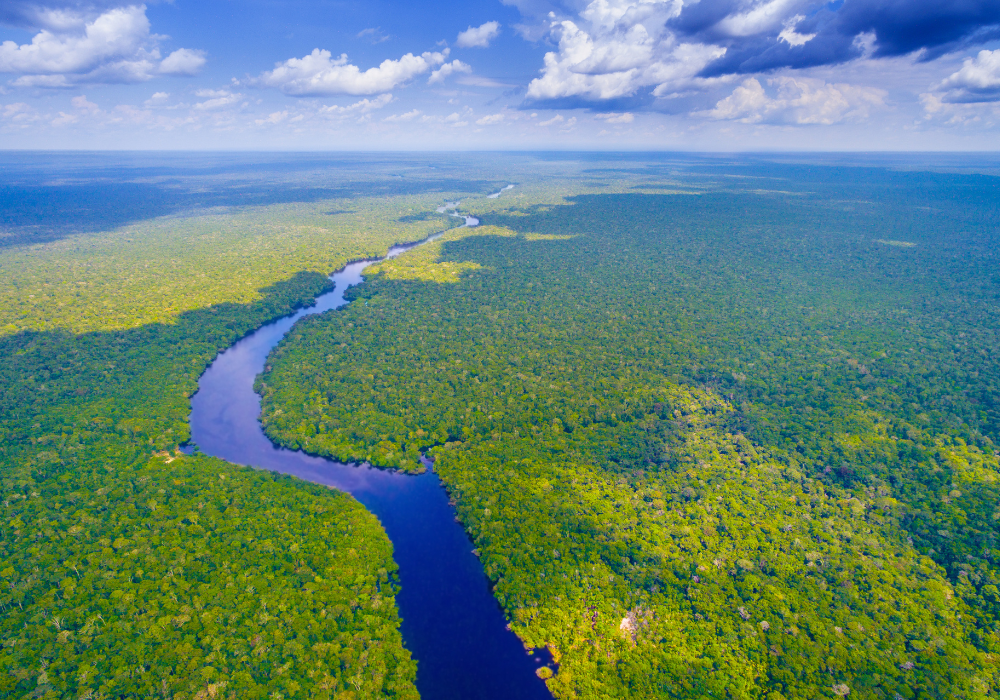
The Amazon rainforest generates its own weather system, pumping 20 billion tons of water into the atmosphere every day through evaporation and transpiration. This massive moisture factory influences rainfall patterns across South America and beyond. Without it, droughts would become the norm in places that have relied on Amazon-generated rainfall for thousands of years.
Countries like Argentina, Paraguay, and southern Brazil would see their agricultural systems collapse as the “flying rivers” of moisture that flow from the Amazon disappear. Even North America and Europe could see changes in their weather patterns. The Amazon’s influence on global air currents means its loss would create a domino effect of climate disruption that would reach every continent.
2. Global temperatures will spike faster than anyone predicted.
The Amazon stores between 150-200 billion tons of carbon in its trees, soil, and vegetation – roughly 10 times the annual global emissions from burning fossil fuels. When the forest dies and decomposes, all that carbon gets released into the atmosphere as CO2. It’s like setting off a massive carbon bomb that would accelerate global warming by decades.
Scientists estimate that losing the Amazon could add 2-3 degrees Fahrenheit to global temperatures within just a few decades. That might not sound like much, but it would push us past critical climate thresholds much faster than current models predict. The Paris Climate Agreement goals would become impossible to meet, and we’d be locked into catastrophic climate change with no way to reverse it.
3. Millions of species will vanish in the planet’s worst extinction event.
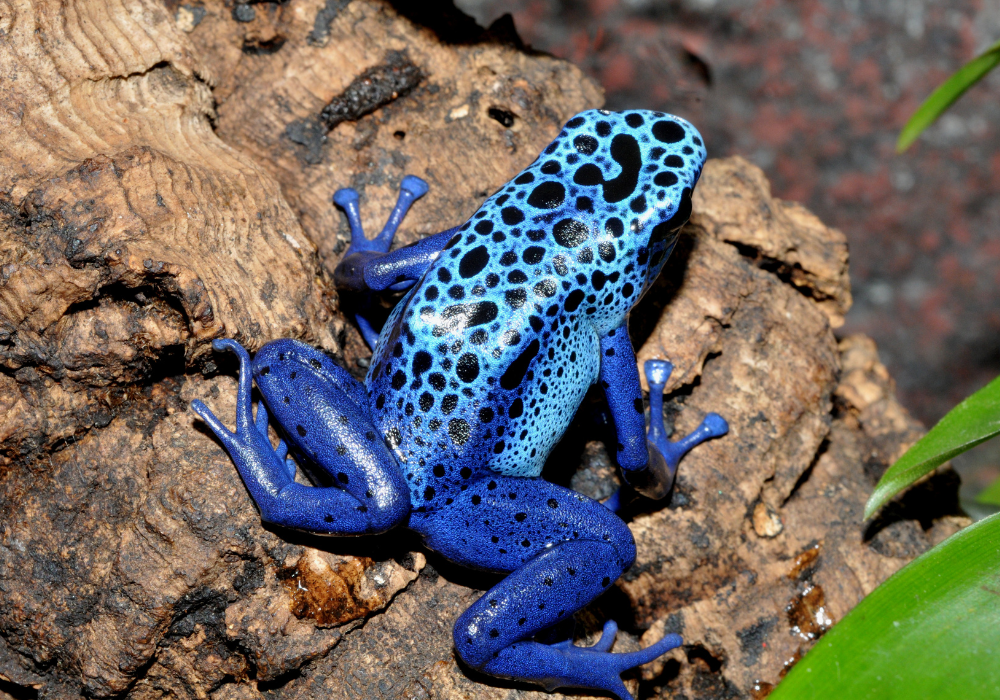
The Amazon contains about 10% of all known species on Earth, and scientists estimate there are millions more that haven’t even been discovered yet. When the forest transforms into grassland, these species lose their homes, their food sources, and their entire ecosystem. Most simply can’t adapt fast enough to survive such a dramatic change.
We’re talking about losing jaguars, sloths, poison dart frogs, thousands of bird species, and countless insects that pollinate plants around the world. Many of these species exist nowhere else on Earth. Once they’re gone, they’re gone forever. This mass extinction would rival the event that killed the dinosaurs, except this time it would be entirely our fault.
4. Pharmaceutical discoveries could be lost before we even find them.

About 25% of modern medicines come from rainforest plants, and the Amazon is a treasure trove of undiscovered compounds that could cure diseases we can’t treat today. Scientists have barely scratched the surface – they estimate that less than 1% of Amazon plants have been tested for their medicinal properties. Losing the forest means losing potential cures for cancer, Alzheimer’s, diabetes, and diseases we don’t even know about yet.
Indigenous communities have used Amazon plants for medicine for thousands of years, and pharmaceutical companies are constantly studying their traditional knowledge to develop new drugs. When the forest dies, we lose not just the plants themselves, but also the indigenous knowledge about how to use them. It’s like burning down the world’s largest pharmacy before we’ve read most of the labels.
5. Food security worldwide faces an unprecedented crisis.
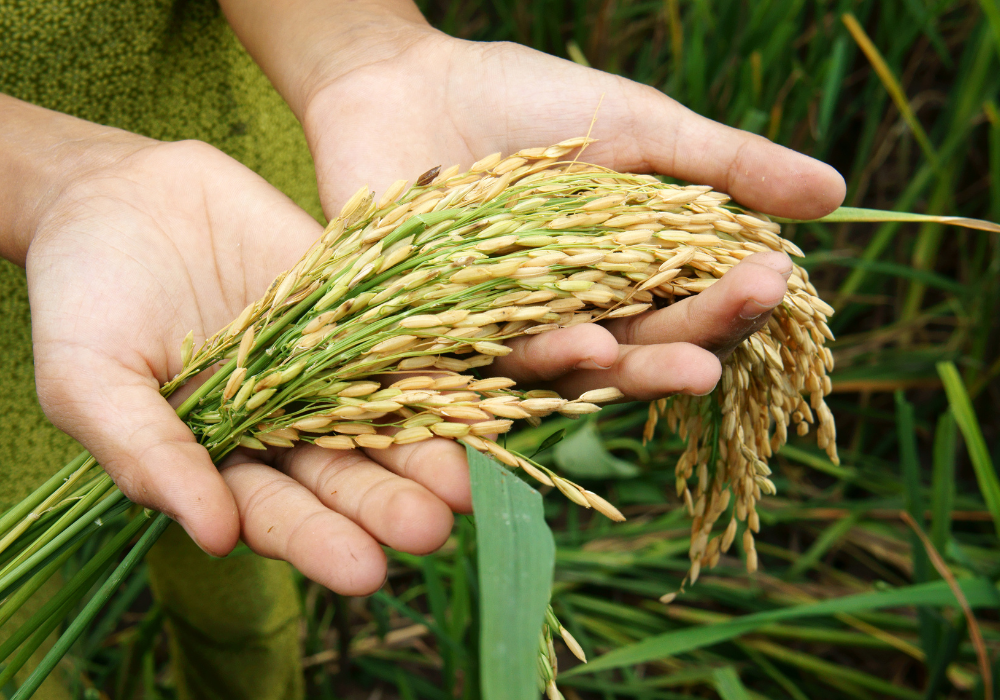
The Amazon influences rainfall patterns that water crops across South America, one of the world’s major food-producing regions. Argentina produces about 20% of global soybeans, Brazil is a massive corn and beef producer, and both countries depend on Amazon-generated rainfall for their agriculture. When that water source disappears, food production would crash.
Global food prices would skyrocket as major grain and meat supplies disappear from world markets. Countries that import food from South America would face shortages and price spikes that could trigger social unrest and political instability. The ripple effects would hit every grocery store on Earth, making basic foods unaffordable for millions of people who are already struggling to eat.
6. Ocean currents could slow down or stop completely.
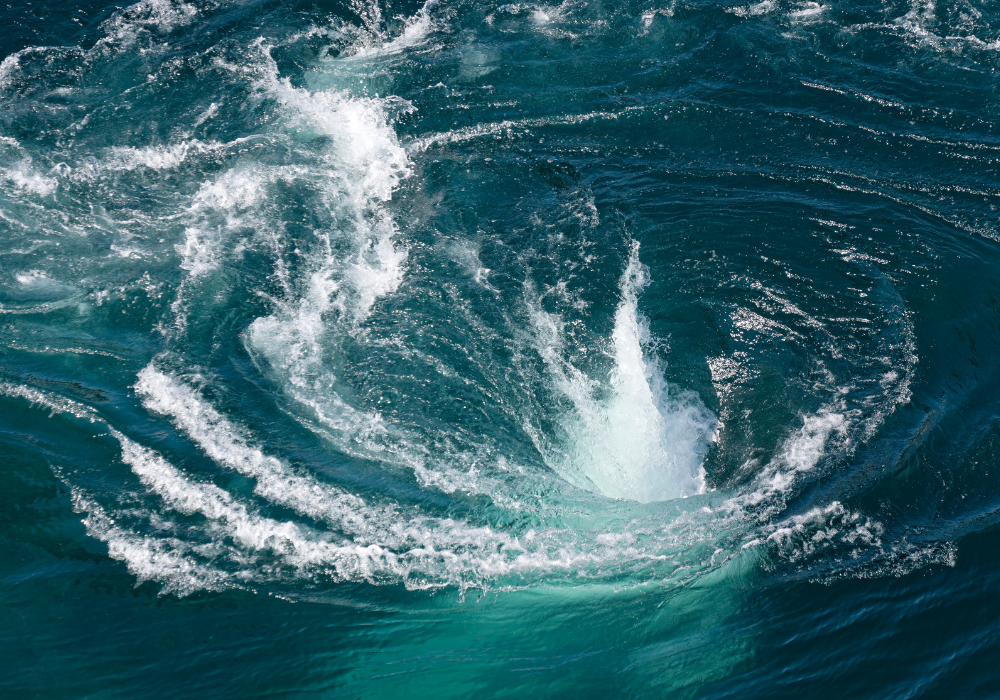
The Amazon’s massive freshwater output flows into the Atlantic Ocean, helping drive ocean currents that regulate temperatures around the world. These currents carry warm water north and cold water south, keeping Europe warm and preventing extreme temperature swings. Without the Amazon’s freshwater input, these circulation patterns could weaken or collapse entirely.
If Atlantic currents shut down, Europe could plunge into a mini ice age even as the rest of the world heats up. Coastal areas worldwide would see dramatic changes in sea level and temperature. Fish populations would collapse as ocean ecosystems are disrupted. The Gulf Stream, which keeps Britain from freezing, could stop flowing entirely, turning Western Europe’s climate into something more like northern Canada.
7. Carbon dioxide levels will soar past any safe threshold.
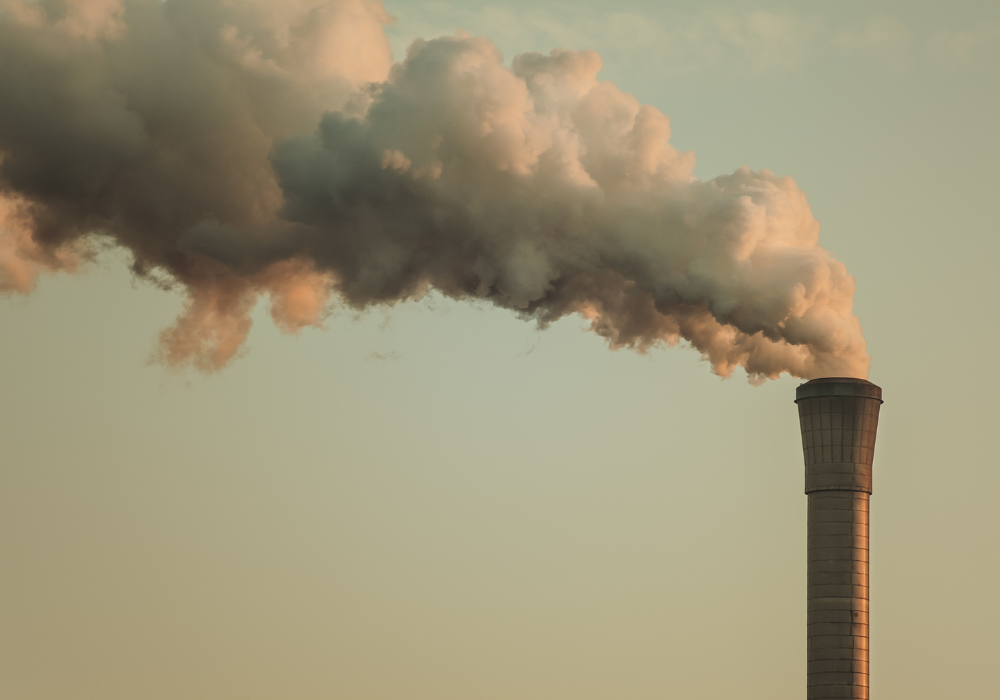
Right now, the Amazon absorbs about 2 billion tons of CO2 from the atmosphere every year – roughly 5% of global emissions. When it dies, it not only stops absorbing carbon, but starts releasing the massive amounts it has stored over millennia. This creates a feedback loop where rising CO2 levels cause more warming, which kills more forest, which releases more CO2.
This carbon release would make it virtually impossible to keep global warming below dangerous levels. Even if every country completely stopped burning fossil fuels tomorrow, the Amazon’s collapse would still push us into catastrophic climate change. We’d lose one of our most powerful natural tools for fighting climate change right when we need it most.
8. Deadly diseases will spread from animals to humans more frequently.

When forests are destroyed, animals that normally live deep in the wilderness are forced into contact with human populations. This is exactly how diseases like HIV, Ebola, and COVID-19 jumped from animals to humans. The Amazon is home to thousands of species carrying viruses and bacteria that human immune systems have never encountered.
As the forest dies and animals flee or die out, the survivors will be pushed into areas where they interact with humans and livestock. Scientists warn that Amazon destruction could unleash a wave of new pandemics that would make COVID-19 look mild. We could face multiple disease outbreaks simultaneously, overwhelming healthcare systems that are already struggling to cope with current challenges.
9. Indigenous peoples lose their homes and cultural heritage forever.
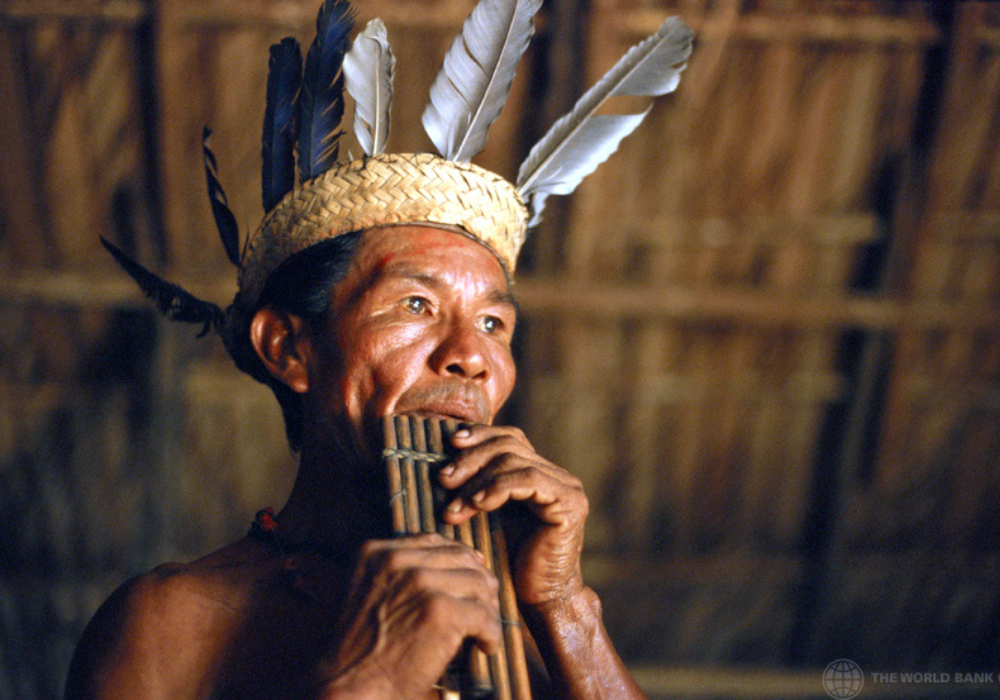
Over 400 indigenous groups call the Amazon home, many of whom have lived there for thousands of years. Their entire way of life, cultural knowledge, and spiritual beliefs are tied to the forest. When their environment is destroyed, these communities lose not just their physical homes, but their identity and connection to ancestral traditions.
Many indigenous languages contain irreplaceable knowledge about sustainable living, plant medicine, and environmental management that took centuries to develop. When these communities are displaced or destroyed, humanity loses this wisdom forever. We’re not just destroying a forest – we’re erasing entire cultures and ways of life that could teach us how to live sustainably on Earth.
10. South American cities will become uninhabitable dust bowls.
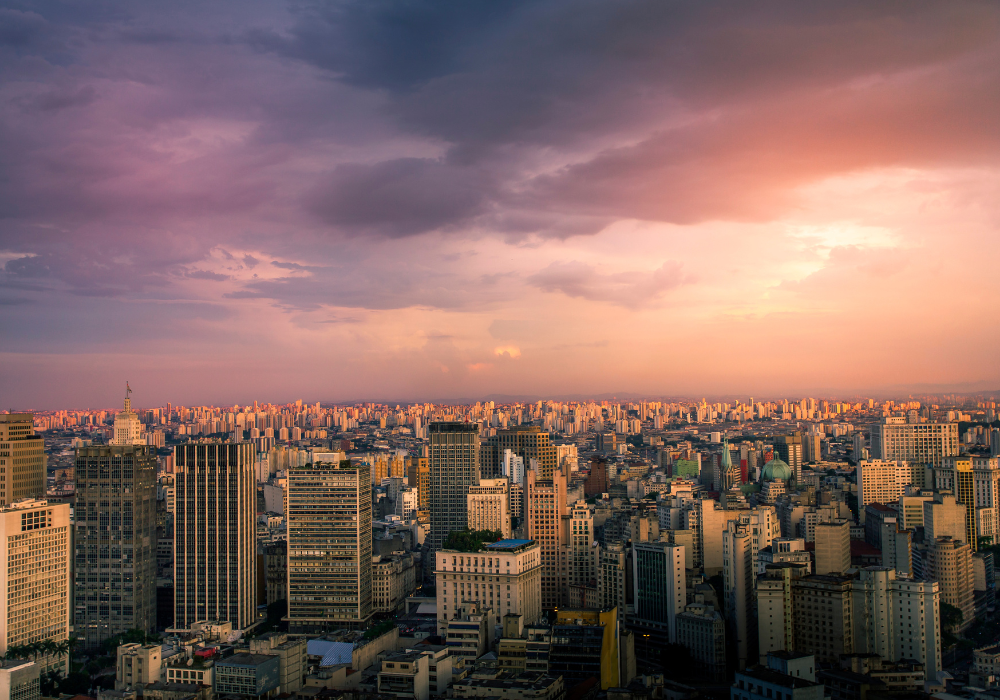
Cities like São Paulo, which houses over 20 million people, depend on Amazon-generated rainfall for their water supply. When the forest dies, these urban areas would face permanent drought conditions that would make them impossible to live in. Mass migrations would dwarf any refugee crisis the world has ever seen.
Imagine 100 million people trying to flee uninhabitable cities and collapsed agricultural regions all at once. Countries would close their borders, leading to humanitarian disasters and potential wars over resources and territory. The social and political upheaval would destabilize entire continents as governments struggle to cope with unprecedented numbers of climate refugees.
11. Agricultural collapse triggers global economic devastation.
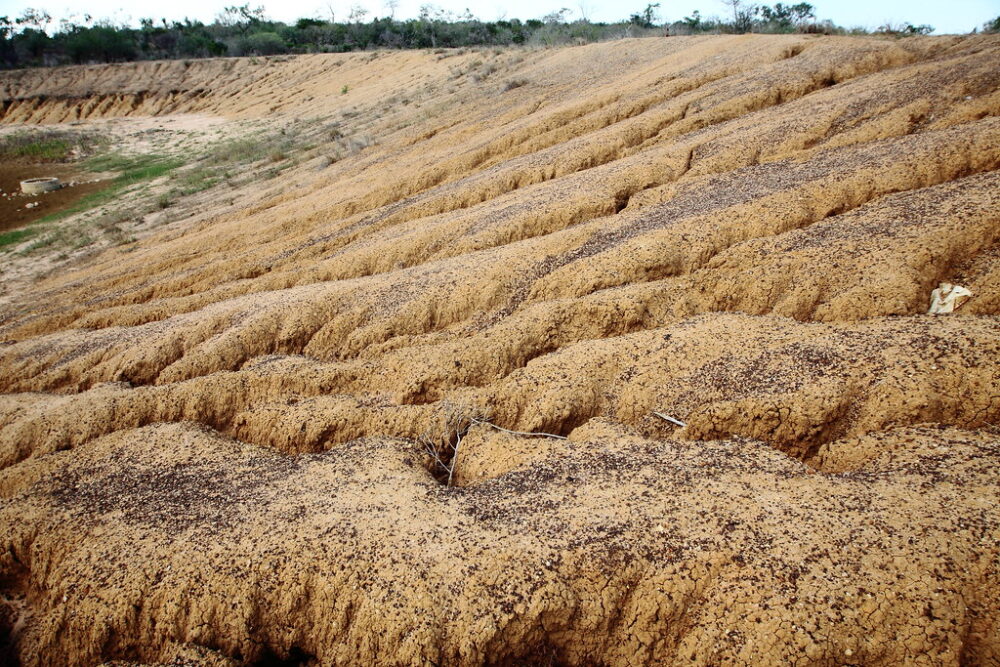
South America produces a huge portion of the world’s food exports – soybeans for animal feed, beef, coffee, sugar, corn, and tropical fruits. When Amazon rainfall disappears and agriculture collapses, global food supply chains would face unprecedented disruption. Countries that depend on food imports would scramble to find alternative sources at much higher prices.
The economic shockwaves would make the 2008 financial crisis look minor. Stock markets would crash as agricultural companies go bankrupt, insurance companies face massive claims, and entire national economies built on food exports collapse. Developed countries would face inflation rates not seen since the 1970s, while developing nations would struggle with famine and social unrest.
12. Earth’s climate system enters permanent chaos mode.
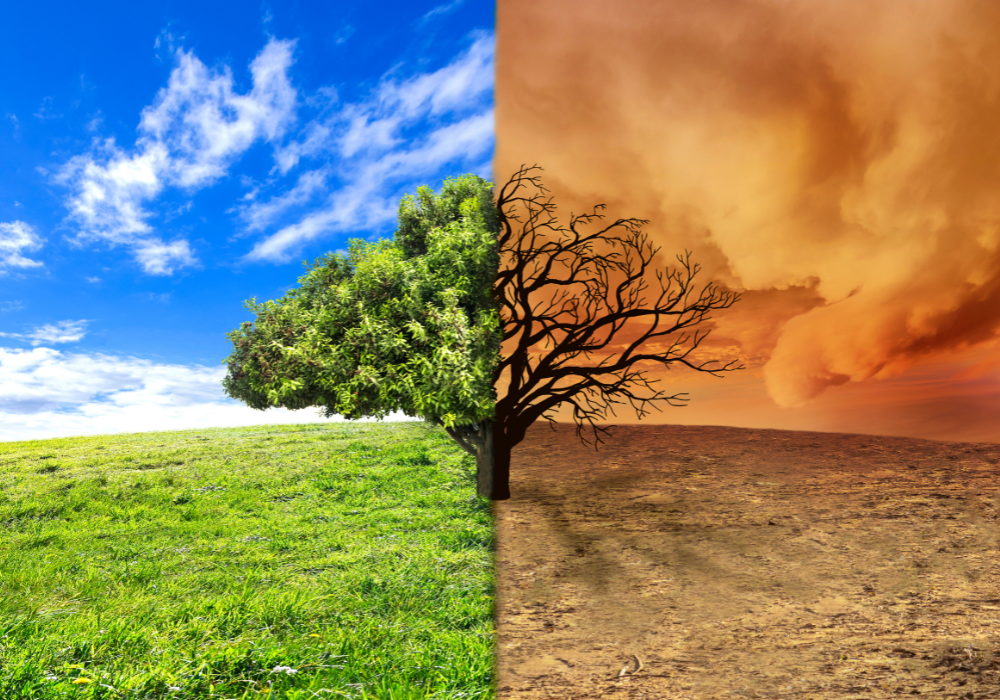
The Amazon’s death would trigger other environmental tipping points around the world, creating a cascade of irreversible changes. Arctic ice would melt faster, releasing more greenhouse gases. Other forests would die from heat and drought, releasing their carbon stores. Permafrost would thaw, releasing methane that’s 25 times more potent than CO2.
This domino effect would push Earth’s climate into a state unlike anything humans have ever experienced. Extreme weather would become the norm – deadly heat waves, catastrophic floods, super-powered hurricanes, and droughts that last for years. Civilization as we know it couldn’t survive in this new climate reality, and billions of people would face displacement, starvation, and death.